
城市精细化治理

Search documents
北京桥下空间“蝶变记”
Xin Lang Cai Jing· 2025-12-19 22:31
Core Viewpoint - The article discusses the systematic transformation of under-bridge spaces in Beijing, aiming to enhance urban functionality and aesthetics through coordinated governance and innovative management strategies [2][5][11]. Group 1: Governance and Management - The Beijing transportation department has initiated a collaborative effort involving multiple agencies to redesign and manage the city's 346 bridges, with 300 already completed, representing 87% of the total [2][4]. - A three-tiered governance mechanism has been established to clarify responsibilities and improve management of under-bridge spaces, addressing issues like unclear authority and functional misalignment [5][7]. - New regulations, including the "Beijing Under-Bridge Space Usage Management Measures," have been introduced to define the public space attributes and establish a clear functional orientation for these areas [7][16]. Group 2: Infrastructure and Urban Development - The transformation of under-bridge spaces is not merely cosmetic; it involves a comprehensive approach to address urban challenges such as traffic congestion and parking shortages while enhancing the aesthetic appeal [11][15]. - Specific projects, such as the reconstruction of the Guomao Bridge, have led to significant improvements in traffic efficiency, with pedestrian crossing distances reduced and vehicle flow increased by 36% during peak hours [10][13]. - The initiative has also resulted in the creation of additional public parking spaces, with 5,487 new spots established to alleviate parking difficulties for residents [10][13]. Group 3: Community and Environmental Impact - The under-bridge spaces are being transformed into community-friendly areas, such as gardens and public performance spaces, contributing to the overall quality of urban life [4][15]. - Environmental enhancements include the integration of green spaces and improved safety features, such as better drainage systems and fire safety measures [15][16]. - The use of technology, including smart monitoring systems, is being implemented to ensure ongoing management and responsiveness to community needs [15][16].


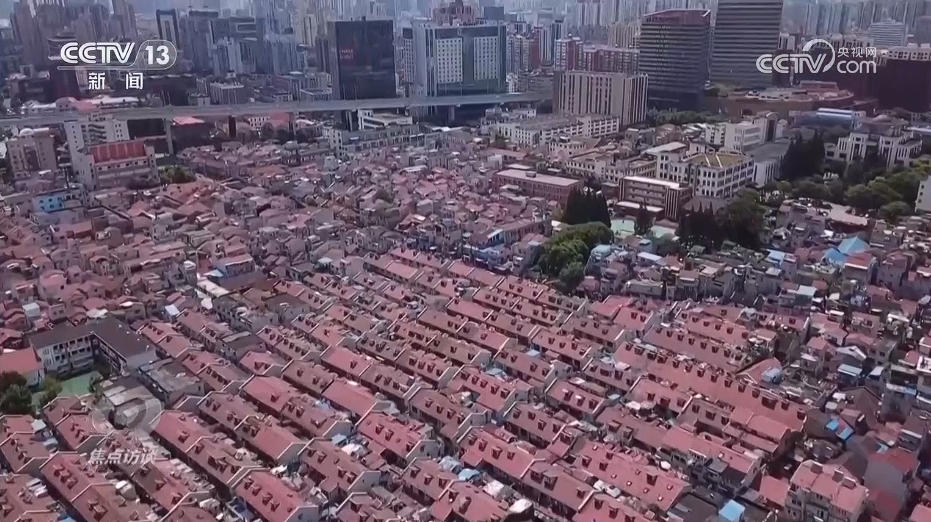
焦点访谈|下足“绣花功夫” 巧解“关键小事” 上海破解“拎马桶”难题
Yang Shi Wang· 2025-12-15 13:43
Core Viewpoint - The Shanghai government has successfully completed the "toilet bucket" renovation project, addressing a long-standing issue for residents in old neighborhoods, with the overall task completed by the end of September 2023 [1][16][19]. Group 1: Background and Challenges - Many residents in Shanghai's old neighborhoods have faced the inconvenience of using toilet buckets due to a lack of proper sanitation facilities [3][5]. - The "toilet bucket" issue was particularly challenging in areas where property rights were unclear, making traditional renovation methods unfeasible [3][5]. Group 2: Government Initiatives - Starting in 2024, the government will launch a targeted campaign to address the remaining 415 households still using toilet buckets, employing three different renovation methods based on specific needs [5][12]. - The government has emphasized a personalized approach, providing tailored solutions for each household to ensure effective renovations [5][9]. Group 3: Community Engagement and Design - Professional designers have been engaged to help residents visualize and agree on renovation plans, addressing concerns about limited space for new bathrooms [7][9]. - The renovation process has involved extensive community consultation, ensuring that residents are not just beneficiaries but also active participants in the design [16][19]. Group 4: Broader Implications and Future Plans - The completion of the "toilet bucket" project is part of Shanghai's broader urban management strategy, which aims to enhance living conditions and address individual needs within the community [11][12]. - The city is committed to ongoing urban renewal efforts, focusing on high-quality development and sustainable infrastructure improvements [18][19].
“绣”雪花是城市治理应有的系统思维
Bei Jing Qing Nian Bao· 2025-12-15 13:29
Core Viewpoint - The recent snowfall in Beijing highlights the challenges and complexities of urban governance in a large city, emphasizing the need for precise and thoughtful management in response to natural events [1][2][3] Group 1: Urban Governance Challenges - The snowfall tested the city's governance capabilities, requiring a balance between maintaining public safety and preserving the natural beauty of snow for residents [1] - Beijing's average snowfall days from 1991 to 2020 were only 0.8 days, making each snowfall a significant event that draws large crowds to parks and historical sites [1] - The city is characterized as a complex system where various elements such as transportation, ecology, and public services are interconnected, necessitating a holistic approach to governance [2] Group 2: Snow Management Strategies - The city implemented a three-tiered approach to the use of de-icing agents, categorizing roads into those where use is prohibited, significantly reduced, or allowed, to minimize environmental impact while ensuring safety [2] - During the recent snowfall, social vehicles were permitted to use bus lanes to improve traffic flow, demonstrating a pragmatic approach to urban mobility [3] - The city employed a combination of small snow removal machinery and manual labor in areas where de-icing agents were banned, showcasing efforts to balance environmental concerns with effective snow management [2][3]
回应市场变化 碧桂园服务启动新一轮组织架构调整
Zhong Guo Jing Ying Bao· 2025-12-12 19:25
Group 1 - The core point of the article is the organizational restructuring of Country Garden Services, which includes the appointment of a new CFO and the integration of various business segments into a "large property segment" to enhance operational efficiency and market competitiveness [3][4][6] - Huang Peng, the outgoing CFO, will continue to manage the incubation business segment as the Executive President, indicating a strategic shift in leadership roles within the company [3][8] - The new CFO, Tian Tian, has extensive experience in financial management and capital operations, having held key financial positions in several listed companies [4][5] Group 2 - The restructuring comes at a time of significant transformation in the property management industry, with a shift from expansion through new developments to enhancing the value of existing assets and sustainable operations [4][6][7] - The "large property segment" will focus on creating value, improving efficiency, and fostering innovation in service delivery, aligning with national initiatives to enhance property service quality [6][7] - Financial performance indicators show a mixed picture, with overall revenue for the first half of the year at approximately 23.2 billion, a year-on-year increase of about 10.2%, while core net profit decreased by 14.8% to approximately 1.568 billion [9][10]


新就业群体与文明德治实现双向奔赴
Hang Zhou Ri Bao· 2025-11-27 02:44
Core Viewpoint - The article highlights the establishment and impact of the "Rider Roundtable" in Hangzhou, which serves as a platform for delivery workers to voice their concerns and participate in urban governance, thereby enhancing their integration into the community and promoting civic morality [5][10][12]. Group 1: Civic Engagement and Community Integration - The "Rider Roundtable" was initiated to connect delivery workers with local governance, allowing them to discuss their challenges and contribute to community improvement [7][10]. - The initiative has led to the organization of "Civility Wednesdays," where delivery workers engage in community service, fostering a sense of belonging and responsibility [9][12]. - The roundtable has successfully addressed various issues faced by delivery workers, with 23 types of problems resolved and 9 substantive outcomes promoted citywide [11][12]. Group 2: Policy Advocacy and Response - Delivery workers have raised concerns regarding labor rights and social security, prompting local authorities to respond quickly and consider policy adjustments [8][10]. - The roundtable meetings have resulted in direct communication between delivery workers and government officials, enhancing the responsiveness of local governance [9][11]. - The initiative has expanded to include over 386 online groups, creating a vast network for problem collection and advocacy among delivery workers [11]. Group 3: Cultural and Moral Development - The "Rider Roundtable" has inspired a cultural shift among delivery workers, encouraging them to act as "civilization sentinels" and promote safe and responsible delivery practices [9][12]. - The program has led to the emergence of various community initiatives, such as "Green Water Light Riders" and "Civilized Dining Supervisors," which further engage delivery workers in civic duties [12]. - The integration of delivery workers into urban governance reflects a broader trend of recognizing their role as essential contributors to city life, enhancing the overall moral fabric of the community [13].
南京六合区持续推进精细治理,“绣”出城市新画卷
Yang Zi Wan Bao Wang· 2025-11-18 07:19
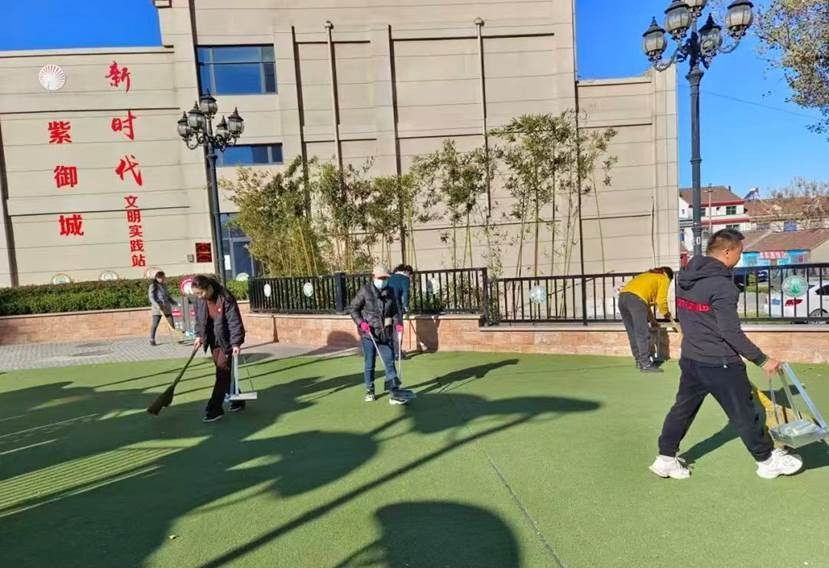
扬子晚报网11月17日讯(通讯员 陆城轩 记者 张可)为深入贯彻中央城市工作会议精神,南京市六合区 聚焦城市治理精细化,按照市、区关于城市治理突出问题集中攻坚行动的部署,部门联动、街镇协同, 重点开展城区环境卫生、基础设施、停车秩序、市容秩序治理,以钉钉子精神推动城市治理向"精细、 安全、协同、长效"转型,努力实现城市"颜值"与"品质"双提升。 依托"街镇吹哨、部门报到"工作机制,联动交运、水务、城建、房产等部门及属地街道,对辖区"边角 地带"、闲置地块等260处区域开展集中清理整治,推动责任主体落实市容环卫责任区制度。重点围绕滁 河龙池段约14公里沿线和护城河、八百河两岸环境,清理垃圾40余处,同步提升12座桥梁桥下空间的环 境卫生面貌。组织开展全域"洗城"行动5次,累计清洗地面油污2900余处、垃圾收集容器800余组。实施 环境卫生"问题清单"动态更新与销号管理机制,清理公共绿地漂浮垃圾杂物149余处,整治高速红线区 及部分桥下空间环境问题32处,完成4处征迁代建地块环境卫生治理。 采取"破立并举、疏堵结合"的综合施策,新增公共停车泊位500余个,联合公安部门取消道路临时泊位 40余个。重点关注交通路口、 ...
充满温度与智慧!“潮汐摊区”巧解城市治理难题
Yang Shi Wang· 2025-10-30 18:04
Core Insights - The "Tidal Stall Area" in Chongqing's Nanchuan District is a new urban management mechanism aimed at addressing the difficulties faced by vendors and residents in buying and selling vegetables [1] Group 1: Urban Management Innovation - The "Tidal Stall Area" allows street vendors to operate in designated times and areas, alleviating the issue of street occupation by vendors [1] - This initiative was implemented two years ago and has been recognized as a typical case for urban governance [1] Group 2: Technological Integration - By 2025, Nanchuan District plans to establish a smart management paradigm, utilizing drones as "aerial grid members" to monitor and identify violations such as "overstepping boundaries" and "operating beyond time limits" [1] - The use of technology in urban management is highlighted as a significant advancement in the governance model [1]
淄川城市管理的“治理精度”
Qi Lu Wan Bao Wang· 2025-10-25 08:21
Core Viewpoint - The article highlights the successful implementation of community governance in Zichuan District, focusing on improving residents' quality of life through meticulous urban management and responsive services [1][6]. Group 1: Community Improvements - Zichuan District has renovated over 6,500 parking spaces and added more than 1,400 electric bike charging facilities to address residents' concerns about parking and charging difficulties [3]. - The district's property party organization coverage has reached 92.8%, enhancing service quality through a "red-black list" system that encourages better management in communities [3]. Group 2: Night Market Transformation - The relocation of street food vendors to a designated area has alleviated traffic congestion and transformed the night market into a popular destination, benefiting both vendors and residents [4]. - The district has successfully regulated over 120 businesses and removed more than 220 illegal outdoor items, creating a balance between urban vibrancy and order [4]. Group 3: Flexible Governance Policies - The introduction of the "tidal breakfast point" policy allows breakfast vendors to set up outdoor tables during peak hours without obstructing pedestrian pathways, resulting in a 62% decrease in complaints and an 18% increase in vendor revenue [5]. - The district aims to continue focusing on residents' urgent needs and establish long-term regulatory mechanisms to enhance urban cleanliness, orderliness, and warmth [6].
精细化治理打卡扰民
Jing Ji Ri Bao· 2025-10-22 22:13
Core Viewpoint - The trend of visiting "non-traditional attractions" has emerged as a new leisure activity, particularly among young people, who prefer exploring local neighborhoods and markets over traditional tourist sites. This "immersive experience" not only reflects a pursuit of a better life but also brings economic benefits to local areas [1]. Group 1 - The rise in popularity of these non-traditional spots has led to disturbances for local residents, as locations that were once ordinary become crowded tourist destinations, impacting public order and residents' rights [1]. - There is a need for a balance between the enjoyment of these experiences and the respect for local communities, emphasizing that while the act of visiting is enjoyable, it should not infringe on the rights of others [1]. Group 2 - Effective governance is essential to manage the influx of visitors without disrupting local life, suggesting strategies such as proper site selection, signage, and real-time monitoring of visitor numbers to mitigate environmental impacts [2]. - Community involvement in governance is crucial, with suggestions for establishing platforms for dialogue to ensure that both residents' needs and tourists' experiences are considered [2].
南京江北新区以精细治理赋能城市高质量发展
Xin Hua Ri Bao· 2025-09-23 00:19
Core Insights - The central theme of the 2025 Urban Work Conference emphasizes promoting high-quality urban development and achieving a new path of urban modernization with Chinese characteristics, focusing on refined governance and resource allocation to enhance public services and residents' well-being [1] Group 1: Governance Innovations - The Jiangbei New District has initiated governance reforms led by "red property" and community engagement, utilizing innovative measures like "mutual aid currency" to encourage resident participation in community governance [1][3] - The establishment of a property industry party committee in 2020 has strengthened the connection between community and property organizations, enhancing grassroots governance through shared resources and collaborative activities [2] Group 2: Community Engagement and Services - The "grid + property" service model has improved property fee collection rates from approximately 60% to 92% in certain communities by facilitating real-time information sharing and joint problem-solving [4] - The "community main planner" initiative has transformed residents from mere beneficiaries to active participants in governance, fostering a proactive approach to safety and community issues [9] Group 3: Risk Management and Safety - The integration of risk prevention and demand handling has been achieved through collaborative platforms, allowing for efficient resolution of community issues and enhancing safety measures [6] - The use of technology, such as smart information systems and surveillance, has bolstered community safety and responsiveness to residents' needs [7] Group 4: Training and Professional Development - The Jiangbei New District is addressing the need for improved property service management by establishing training bases for property companies, focusing on tailored training programs to enhance professional skills [8] - Continuous training efforts have resulted in over 620 training sessions annually, aimed at equipping property management personnel with necessary skills to meet community needs [8] Group 5: Overall Impact and Future Directions - The governance practices in Jiangbei New District reflect a commitment to modernizing urban governance systems and enhancing community engagement, contributing to a more responsive and effective urban management framework [10]