
对口援疆

Search documents
超60家粤企将亮相喀交会!粤新经济纵深持续拓展
Nan Fang Nong Cun Bao· 2025-07-16 02:31
Group 1 - The "Kashgar Trade Fair" has successfully held an investment promotion event in Guangzhou, attracting over 60 enterprises from the Guangdong-Hong Kong-Macao Greater Bay Area [5][11][12] - The event aims to enhance the brand influence of the "Kashgar Trade Fair" in the Greater Bay Area and inject new momentum into the deepening trade cooperation between Guangdong and Xinjiang [8][9] - The fair has been held for 14 sessions, attracting 38,000 enterprises from 56 countries and regions, with a total transaction volume exceeding 480 billion yuan [15][28] Group 2 - This year's fair has a more enthusiastic investment atmosphere, with a total exhibition area of approximately 40,000 square meters, including investment cooperation, international trade, and domestic trade exhibition areas [20][19] - Guangdong enterprises expressed their intention to actively participate in the fair to accelerate their international market layout and promote Guangdong products into Xinjiang and Central Asia [24][25] - The Guangdong Aid Xinjiang Command plans to hold 3-4 promotional activities in the Greater Bay Area and Xinjiang by 2025, aiming to introduce over 30 enterprises to invest in Kashgar this year [43][45]


第十次全国对口支援新疆工作会议召开 王沪宁出席并讲话
Xin Hua Wang· 2025-07-09 08:01
Core Viewpoint - The 10th National Meeting on Aid to Xinjiang emphasizes the importance of long-term support for Xinjiang as a national strategy, focusing on social stability, ethnic unity, and high-quality development [1][2]. Group 1: Aid Strategy and Focus Areas - The meeting highlighted the need to address prominent issues in southern Xinjiang, consolidate poverty alleviation achievements, and promote economic and social development [2]. - There is a strong emphasis on advancing new industrialization and urbanization in Xinjiang, closely tied to improving the quality of life for residents [2]. - Promoting inter-ethnic communication and cultural integration is crucial, with the aim of fostering a sense of unity among various ethnic groups [2]. - Enhancing the effectiveness of educational support in Xinjiang is a priority, aiming to establish a high-quality education system [2]. Group 2: Implementation and Coordination - The meeting called for improved political awareness and responsibility regarding the nature and goals of the aid work, ensuring effective implementation of tasks [2]. - It was stressed that a comprehensive "14th Five-Year Plan" for aid to Xinjiang should be developed, with a focus on high-quality execution and monitoring [2]. - The meeting included participation from 19 aid provinces and cities, central departments, and local officials, indicating a coordinated effort across various levels of government [3].
跨区域协同让援疆成果惠及新疆更广地域和群众
Xin Hua Wang· 2025-07-08 10:50
Group 1 - The cross-regional collaboration in Xinjiang's aid work enhances the comprehensive benefits of assistance, allowing the results to reach a broader region and more people [1][2] - The project by Guangdong Saixianyi Information Technology Co., Ltd. in Hetian is expected to create over 3,000 jobs and generate an annual industrial output value of over 3 billion yuan [2] - The establishment of the Pediatric Doctor Alliance in Kashgar by 56 pediatricians from 19 aid provinces addresses the weak pediatric foundation in Xinjiang, leading to successful medical interventions [3] Group 2 - The integration of resources and collaborative efforts among various aid teams has created an innovative model for nationwide aid cooperation, significantly improving the effectiveness of assistance [3] - The Shanghai aid initiatives include substantial investments in renewable energy projects, such as a 2 million kilowatt photovoltaic project and a 1.2 million kilowatt wind power project, contributing to local economic development [3]
泰山天山根连根 鲁疆同心绘新篇——山东对口援疆助力喀什高质量发展纪实
Xin Hua She· 2025-07-08 07:52
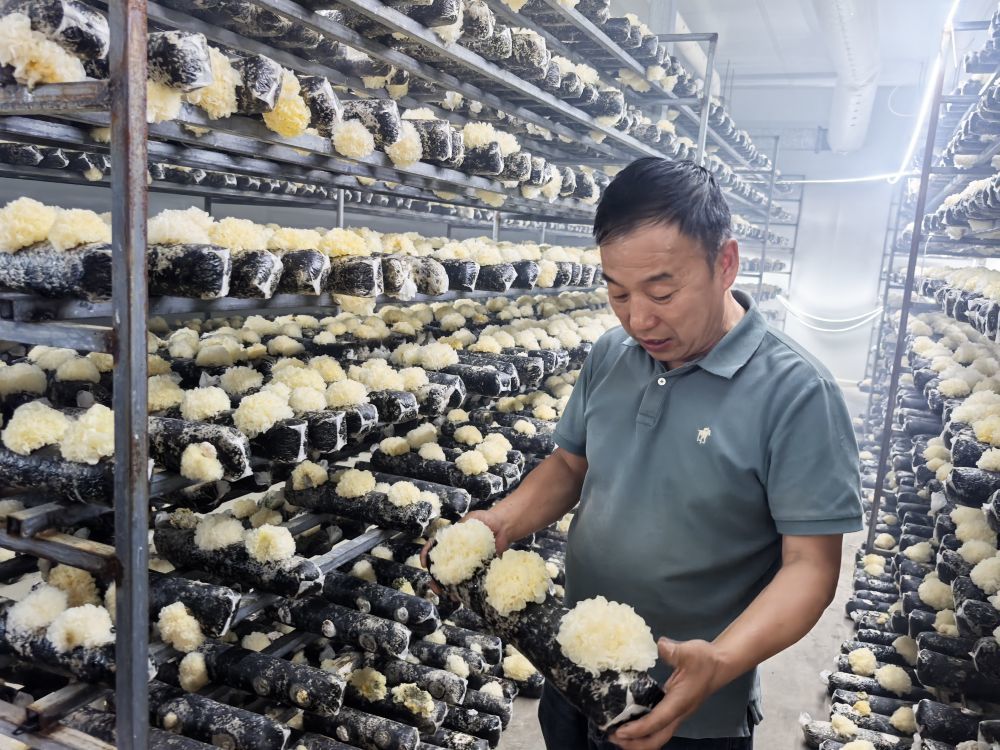
Group 1: Economic Development and Industry Support - The "Rujiangqing" edible fungus ecological technology demonstration park in Shule County showcases advanced factory-based cultivation techniques, contributing to local economic development [2][4] - The total investment for the edible fungus project is approximately 67.53 million yuan, with aid funds of 21.53 million yuan, generating an annual output value exceeding 36 million yuan and providing over 300 jobs [4] - Since the start of the "14th Five-Year Plan," Shandong's aid has led to the establishment of over 1,340 enterprises in the supported counties, creating more than 90,000 jobs, with 80% of these positions filled by ethnic minorities [6] Group 2: Education and Healthcare Initiatives - The "Hope Bathhouse" project has been implemented in 22 schools, providing modern bathing facilities and promoting hygiene among students, with an annual subsidy of 5.46 million yuan for operational costs [7][9] - Shandong's educational initiatives include sending 1,000 student teachers and establishing the "Taishan Class" education brand, enhancing local educational resources [9] - The local hospital has expanded from one clinical department to six, significantly increasing patient visits from dozens to over 600 daily, improving healthcare access for the community [9][12] Group 3: Cultural and Environmental Projects - Shandong's investment of over 76 million yuan in sports infrastructure has fostered youth engagement in sports, exemplified by the "Kashgar Cup" international youth football tournament [14] - The establishment of over 1,200 cultural facilities in the supported counties aims to promote traditional Chinese culture and enhance community engagement [16] - Environmental initiatives include a large-scale afforestation project that has reduced sandstorm days from over 150 to less than 50 annually, improving local ecological conditions [12][13]
广东援疆拓展两地发展纵深 产业民生结硕果 粤新共绘“同心圆”
Nan Fang Ri Bao Wang Luo Ban· 2025-07-07 08:22
Group 1 - The core viewpoint emphasizes the collaborative efforts between Guangdong and Xinjiang in various sectors, focusing on economic development, cultural integration, and improving living standards for local communities [1][2][3][4][5][6][7][8][9][10] Group 2 - Major industrial projects are being established across Xinjiang, such as a large-scale photovoltaic and energy storage base by Guangdong Energy Group, which covers approximately 22,100 acres with a total investment of about 3.4 billion yuan, generating 1.46 billion kWh annually [2] - The "Yueqi Xingjiang" initiative aims to enhance employment and economic growth by encouraging Guangdong enterprises to invest in Xinjiang, resulting in over 30 signed contracts and 23 actual projects in 2024, with a total operating revenue of 10.5 billion yuan and stable employment for over 20,000 people [2] Group 3 - The "Jiangpin Nanxia, Yuepin Beishang" project facilitates the mutual exchange of regional products, leading to significant sales achievements, such as the sale of 8.46 million yuan worth of wood apricots in just three days [3] - The bilateral trade volume of specialty products between Guangdong and Xinjiang has exceeded 10 billion yuan, showcasing the effectiveness of the initiative in enhancing trade relations [3] Group 4 - Guangdong's medical aid initiatives, such as the "Yuexin Guangmingxing" project, have provided significant healthcare support, including over 2,155 free cataract surgeries and 2,400 free tuberculosis treatments [5][6] - The establishment of the International Eye Center in Xinjiang is expected to serve over 33,000 outpatient visits and 15,000 inpatient cases in 2024, with a high percentage of complex surgeries performed [6] Group 5 - Educational support from Guangdong has led to the establishment of new schools and the introduction of innovative teaching methods, with 1,136 teachers and students sent for educational assistance [7] - The "Yuexin Tongshang Yi Tang Ke" platform promotes educational collaboration, enhancing the quality of education in Xinjiang [7] Group 6 - Cultural initiatives have been implemented to promote traditional arts, such as dragon and lion dance teams, which have gained popularity in local communities [8][9] - The establishment of cultural venues like the "Yue Du Yue You Qu" city reading bar has attracted significant public engagement, hosting numerous reading events [9] Group 7 - The Guangdong aid team has been recognized for its effective support in various sectors, including healthcare and education, contributing to the overall development of Xinjiang [10] - The commitment to building a strong support team and maintaining strict organizational discipline is emphasized as essential for the success of the aid initiatives [10]
对口援疆谱新篇
Ren Min Ri Bao· 2025-07-06 22:52
Core Viewpoint - The article discusses the significant achievements and ongoing efforts of the "pairing assistance" program in Xinjiang, highlighting its impact on local development, economic growth, and cultural exchange among different ethnic groups [1][2][3]. Group 1: Economic Development - The "pairing assistance" program has led to the establishment of factories and improved local infrastructure, contributing to the economic revitalization of Xinjiang [1]. - In the Kashgar region, the red date industry has seen a transformation through technological advancements and support from Shandong, resulting in a total industry output value of 5.6 billion yuan [2]. - The program has facilitated the sale of over 160 million yuan worth of specialty agricultural products from Hami to other regions, promoting local products and tourism [3]. Group 2: Social Impact - The program has focused on improving the livelihoods of local residents, with initiatives that have increased household incomes by over 20,000 yuan in some areas [4]. - Efforts to change employment perceptions among minority women have led to over 200 women finding jobs locally, enhancing their economic independence [5]. - The introduction of mobile medical services in regions with high tuberculosis rates has improved healthcare access, with a total investment of 2.4 billion yuan in healthcare infrastructure [5]. Group 3: Cultural Exchange and Unity - The program emphasizes cultural exchange, with initiatives that foster friendships between students from different regions, enhancing mutual understanding [6]. - Over 10,000 individuals from Xinjiang have participated in exchange programs to other provinces, promoting cultural integration and cooperation [6]. - The "silver-haired" expert programs in healthcare and education have utilized experienced professionals to support local communities, strengthening the bond between regions [7].
山海同心谱新篇——新时代高质量开展对口援疆工作巡礼
Xin Hua She· 2025-07-06 06:46
Group 1 - The core viewpoint emphasizes the importance of targeted aid to Xinjiang as a national strategy for social stability and long-term peace, with a focus on high-quality development and community building [1] - The aid efforts have resulted in significant achievements, including the allocation of 80% of aid funds to grassroots levels and a focus on improving the livelihoods of local communities [1] - The introduction of modern industrial projects, such as a textile enterprise in Hotan, is creating thousands of jobs and boosting local industrial output by over 3 billion yuan annually [2][3] Group 2 - The shift from "human" aid to "intelligent" aid is highlighted, with a focus on developing local talent and utilizing advanced technology in various sectors, including healthcare and education [4][5] - The establishment of training programs and partnerships with local institutions has led to the cultivation of over 9,500 e-commerce talents in Aksu, significantly enhancing local employment opportunities [6] - The "group-style" aid mechanism in healthcare has improved clinical capabilities and management systems in Xinjiang hospitals, benefiting local populations [7][8] Group 3 - Cultural exchanges and economic cooperation between aid-providing provinces and Xinjiang are increasing, fostering a sense of unity and shared development among diverse ethnic groups [9][10] - Innovative collaboration models are being implemented, breaking traditional pairing restrictions to enhance resource sharing and mutual benefits, thus driving economic growth in Xinjiang [10][11]
援疆力量汇聚:北京推动和田经济社会高质量发展
Zhong Guo Xin Wen Wang· 2025-07-04 09:40
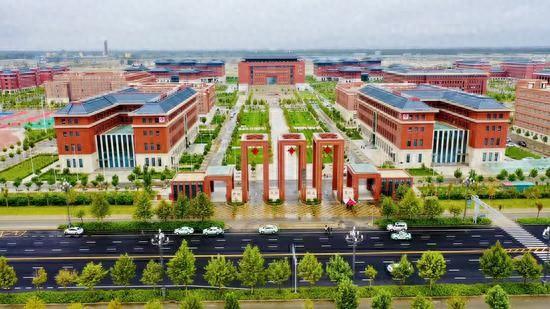
Core Points - The article highlights the long-term support from Beijing to the Xinjiang region, particularly the Hotan area, showcasing a commitment to economic and social development through various projects and funding initiatives [1][7] - Over the past 30 years, Beijing has invested more than 30 billion yuan in aid, dispatched over 3,300 personnel, and implemented more than 2,800 projects to enhance the quality of life for local residents [1][7] Investment and Infrastructure Development - Currently, seven fixed asset "turnkey" projects with an investment exceeding 1.5 billion yuan are under construction, including the Xinjiang Hotan College Phase II project, which has a total investment of 870 million yuan and will cover nearly 130,000 square meters [3] - The college aims to improve higher education standards and foster talent development in the region, having already received 36 dispatched aid personnel from Beijing to support faculty development [3] Healthcare Initiatives - Beijing has invested 2.4 billion yuan in medical aid over the past decade, renovating over 20 hospitals and more than 30 township health centers, while also enhancing traditional Chinese medicine and medical workforce development [4] - The launch of the "Beijing Aid Xinjiang Medical Expert Online Appointment System" in July 2024 will significantly improve access to medical consultations for the local population [4] Environmental and Living Conditions Improvement - Beijing has donated 165 electric buses and invested over 200 million yuan to support the green transformation of public transport, enhancing convenience for residents [6] - The city is also focused on improving living conditions through the construction of earthquake-resistant housing and the renovation of welfare facilities, thereby enhancing the quality of life for local communities [6] Cultural and Social Integration - The comprehensive strategy of "economic development + social security + cultural exchange" has been pivotal in promoting understanding and integration among various ethnic groups in the Hotan region [6] - The extensive aid projects in education, healthcare, and infrastructure have significantly contributed to national unity and social harmony, reinforcing the sense of a shared Chinese identity [6][7]
对口援疆助力戈壁兴建智慧农业植物工厂
Xin Hua She· 2025-06-26 02:17
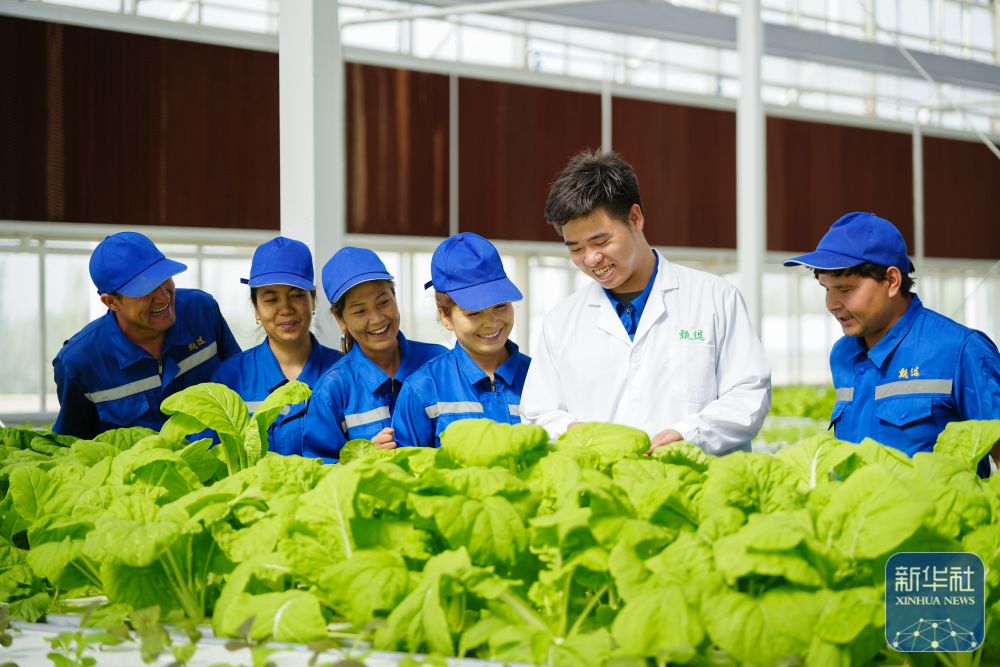
Core Insights - The smart agricultural plant factory in Kuqa City, Aksu Prefecture, Xinjiang, is part of a targeted aid project from Ningbo City, Zhejiang Province, which introduces advanced soilless cultivation technology and equipment [2] - The factory successfully cultivates various crops that are not typically suitable for the local environment, providing fresh vegetables directly to local supermarkets and enhancing the dietary options for residents [2] - The project also creates local employment opportunities, trains agricultural workers, increases collective income for the village, and facilitates agricultural science education for nearby schools, achieving both economic and social benefits [2] Group 1 - The smart agricultural plant factory employs advanced soilless cultivation technology [2] - Fresh vegetables from the factory are supplied directly to local supermarkets [2][14] - The project has improved local residents' dietary structure [2] Group 2 - The initiative has created job opportunities for local villagers [2] - Agricultural workers are being trained on-site [2][8] - The project has increased the collective income of the village [2] Group 3 - The factory provides convenience for agricultural science education in surrounding schools [2] - Local elementary school students are engaged in learning about soilless cultivation technology [8][9] - The project demonstrates a successful model of economic and social benefit integration [2]

同心共赴美好生活
Liao Ning Ri Bao· 2025-06-12 01:35
6月的新疆塔城地区,巴尔鲁克山遍野山花迎风绽放,额敏河谷的绿浪翻涌着生机。而在塔城各族 群众心中同样盛开一朵花,这就是辽宁对口援疆工作队种下的团结之花、希望之花。 "十四五"以来,我省用心用情用力做好对口支援新疆塔城工作,坚持民生援疆、智力援疆、产业援 疆、文化润疆全面发力,34.7亿元援疆资金、348个援疆项目、两批676名援疆干部人才……高质量推进 对口援疆全方位深化交流合作,不断开创新时代对口援疆工作新局面。 办实事,解难题 "以前看病,要颠簸80公里去塔城市医院才能看好,现在家门口就有辽宁的专家!"不久前,塔城阿 勒腾也木勒乡克孜布拉克村哈萨克族妇女阿力玛古丽·特列吾汗的一封感谢信,道出了医疗援疆带来的 变化。两年前,她腹中胎儿出现宫内窘迫,多亏辽宁援疆医生紧急实施手术,让她转危为安。同时,医 疗专家还不定期走进乡镇,开展免费爱心义诊,为群众办实事、解难题。 医疗援疆工作队特别是中国医科大学"组团式"医疗工作队创新"以校包院+以院包科"模式,5年里, 98名医疗专家共接诊患者1.76万人次,完成手术千余台,通过一件件暖心事,让塔城地区群众收获满满 的幸福。 今年10月,总投资1亿元的塔城地区人民医院新 ...