
庭院经济

Search documents
人民日报:海南三亚天涯区水蛟村发展庭院经济——一院一景引客 方寸之地生金
Ren Min Ri Bao· 2025-08-12 03:04
Core Insights - The article highlights the transformation of Shui Jiao Village in Sanya, Hainan Province, through the development of courtyard economies, showcasing how local residents have revitalized their properties to create income-generating activities while enhancing the community's aesthetic appeal [2][3]. Group 1: Economic Development - The courtyard economy has become a popular trend in Shui Jiao Village, with villagers investing in the renovation of their yards for various businesses such as homestays, dining, tropical fish farming, and more, leading to fixed asset investments exceeding 58 million yuan [2]. - In the previous year, 33 courtyards opened for business, generating revenue surpassing 11 million yuan, and the courtyard economy has created 186 jobs, with over 60% of participants being returning university students [2]. Group 2: Environmental Improvement - The village has prioritized environmental cleanliness and beautification before commercial activities, resulting in a cleaner and more attractive community that draws visitors [3]. - Over the past two years, the courtyard economy has revitalized 164 acres of idle land, removed over 80 tons of waste, and eliminated numerous sanitation issues, significantly improving the village's overall appearance [3].
一院一景引客 方寸之地生金
Ren Min Ri Bao· 2025-08-11 22:01
Core Insights - The article highlights the transformation of Shui Jiao Village in Sanya, Hainan Province, through the development of courtyard economies, which has led to increased income and improved living conditions for residents [2][3]. Group 1: Economic Development - The courtyard economy has become a popular trend in Shui Jiao Village, with villagers investing in the renovation of their yards for various businesses such as homestays, restaurants, and tropical fish farming, resulting in fixed asset investments exceeding 58 million yuan [2]. - In the past year, 33 courtyards opened for business, generating revenue surpassing 11 million yuan [2]. - The courtyard economy has created 186 jobs, with over 60% of participants being returning university students [2]. Group 2: Environmental Improvement - The village has prioritized sanitation and greening before opening businesses, leading to a cleaner environment that attracts more visitors [3]. - Efforts to clean up the village included removing over 80 tons of garbage and revitalizing 164 acres of idle land, resulting in a significant improvement in the village's appearance [3]. - The transformation has not only enhanced the aesthetic appeal of the village but also contributed to the overall well-being of the residents, as indicated by the increased community engagement and cleanliness [3].


沙田庭院经济:“咖”位晋级,乡村运营进化
Nan Fang Nong Cun Bao· 2025-07-24 13:06
Core Viewpoint - The article discusses the transformation of Shatian Town's rural economy through the "Beautiful Courtyard" initiative, which integrates local culture and ecological sustainability to create vibrant community spaces that attract visitors and promote economic growth [4][5][6]. Group 1: Economic Development - Shatian Town has implemented the "Beautiful Courtyard" initiative as a key strategy for rural revitalization, focusing on enhancing the aesthetic and functional aspects of rural spaces [4][5]. - The integration of "Beautiful Courtyard + Micro Economy" has led to the development of various businesses, including cafes, yoga studios, and flower markets, revitalizing idle spaces and promoting local culture [22][23]. - Since the implementation of the "High-Quality Development Project," 282 courtyards have been upgraded from ordinary farmhouses to "landscape pieces," enhancing both the visual appeal and economic value of the area [24][25]. Group 2: Community Engagement - The initiative has fostered community participation, with 7 households in Mingtian Village joining the "Beautiful Courtyard Economy" project, creating a diverse range of service offerings [21][22]. - A points-based system has been established, allowing villagers to earn rewards through community service and contributions, promoting engagement and investment in local beautification efforts [27][28]. - The formation of a 170-member "Beautiful Courtyard" mentor team has facilitated knowledge sharing and community involvement, with numerous events and activities aimed at enhancing local aesthetics [32][33]. Group 3: Environmental and Cultural Integration - Shatian Town has undertaken ecological restoration projects, improving the local waterway environment and enhancing the natural beauty of the area, which in turn attracts visitors [9][10]. - The development of local businesses, such as cafes that blend traditional architecture with modern aesthetics, reflects a commitment to preserving local culture while promoting economic activity [12][18]. - The initiative emphasizes the importance of creating multi-functional spaces that serve both recreational and economic purposes, transforming courtyards into engines of rural revitalization [40][41].

对话Outer创始人刘佳科:6000美元户外沙发只是开始,模块化庭院才是最终野心|36氪专访
36氪· 2025-07-24 00:00
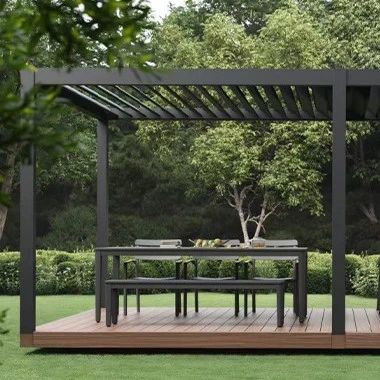
Core Viewpoint - Outer has successfully transitioned from a "single product king" to a "backyard developer," aiming to capture the growing global backyard economy by introducing modular outdoor living space solutions [4][6]. Group 1: Company Overview - Outer launched its first product, a high-end outdoor sofa priced at $6,000, in 2018, achieving monthly sales of over $2 million within 11 months and a tenfold growth in overall performance by 2020 [3][4]. - The company has a strong brand recognition, with 40.15% of website traffic coming from direct visits, indicating a robust customer base [3]. - Outer achieved a remarkable 150% customer repurchase rate from 2020 to 2021, attributed to its innovative "neighbor showroom" marketing strategy [3]. Group 2: Market Potential - The U.S. market has approximately 150 million homes, with around 90 million single-family homes, 92% of which have backyard space, representing a significant untapped market for the backyard economy [6]. - The outdoor furniture market in the U.S. is estimated to be between $6 billion and $9 billion, while the overall furniture market is about $150 billion. In contrast, the backyard renovation market is valued at $180 billion, indicating a larger potential for growth in this segment [6]. Group 3: Product Strategy - Outer plans to introduce a modular outdoor living space solution, shifting from high-end single products to standardized offerings that cater to a broader audience, increasing market reach from 2% to 40% of the U.S. market [7][8]. - The upcoming modular product aims to enhance living space by adding hundreds of square feet at a cost comparable to traditional home renovations, positioning it as an investment rather than a mere purchase [7]. Group 4: Competitive Landscape - The outdoor furniture industry has lagged in R&D compared to indoor furniture, presenting an opportunity for Outer to innovate and address consumer pain points, such as maintenance and durability [4][12]. - The competitive landscape in the U.S. C-end market is still relatively small, with most outdoor furniture brands focusing on B2B markets, indicating a significant opportunity for Outer to capture market share [13]. Group 5: Global Expansion - Outer has recently entered the Chinese market through a partnership with JD.com, recognizing the growing demand for high-end outdoor furniture in China, despite the market still being in its infancy [16][20]. - The company plans to establish an e-commerce operation team in Shenzhen to enhance its presence in the Chinese market, leveraging local talent and supply chains [23]. Group 6: Challenges and Opportunities - The company faces challenges from geopolitical tensions and rising costs, which may impact pricing and sales in the U.S. market. However, as a high-end brand, Outer has the ability to absorb these costs better than competitors [26][29]. - Outer emphasizes the importance of product innovation and brand building as core competitive advantages, aiming to maintain a long-term perspective despite short-term market fluctuations [33].
对话Outer创始人刘佳科:6000美元户外沙发只是开始,模块化庭院才是最终野心|硬氪专访
3 6 Ke· 2025-07-23 01:33
Group 1: Company Overview - Outer has launched its second major product after achieving significant success with its first outdoor sofa priced at $6,000, which led to a monthly sales exceeding $2 million within 11 months of launch [1][2] - The company has experienced a remarkable growth trajectory, achieving a tenfold increase in overall performance by 2020, and a customer repurchase rate of 150% from 2020 to 2021 [1][2] - Outer has successfully raised $50 million in Series B funding from Today Capital and is projected to achieve profitability by 2024 [1] Group 2: Market Insights - The global courtyard economy is being re-evaluated, with Outer identifying a significant opportunity in the outdoor space market, which is expected to grow as outdoor activities become more popular [2][4] - The outdoor furniture market in the U.S. is estimated to be between $6 billion and $9 billion, while the overall furniture market is around $150 billion, indicating a substantial market potential for courtyard renovations, which could reach $180 billion [4] Group 3: Product Strategy - Outer plans to transition from being a "single product king" to a "courtyard developer" by introducing modular outdoor living space solutions, targeting a broader market segment [2][5] - The upcoming modular product is designed to be a standardized offering, contrasting with the high-end outdoor sofa, which targets the top 2% of consumers [5][6] - The new product aims to enhance living space and potentially increase property value, positioning it as an investment rather than just a durable goods purchase [5] Group 4: Competitive Landscape - The outdoor furniture industry has lagged in R&D compared to indoor furniture, presenting an opportunity for Outer to innovate and address unmet consumer needs [2][9] - The U.S. C-end market for outdoor furniture is still dominated by traditional brands, which have not invested significantly in outdoor products, creating a market gap for Outer to exploit [10] Group 5: Material Innovation - Outer emphasizes technological innovation in materials, adhering to a "golden triangle" standard of durability, comfort, and environmental friendliness, which is crucial for outdoor furniture [11] Group 6: Expansion Plans - Outer has recently entered the Chinese market through a partnership with JD.com, marking its first foray into the C-end market in China [12][18] - The company is also establishing an e-commerce operations team in Shenzhen to focus on the Chinese market, indicating a strategic shift towards local operations [21] Group 7: Future Goals - Outer aims to build a team in China to support its outdoor furniture business and expand its product offerings with the introduction of a second major product line [31] - The company envisions creating an ecosystem for outdoor living spaces, collaborating with various brands to enhance consumer experiences in outdoor settings [31]
小城妇女,流行在家卖饺子
Hu Xiu· 2025-07-14 00:03
Core Viewpoint - The rise of "private handmade dumplings" as a business model among middle-aged women and full-time mothers in urban areas reflects a shift towards low-cost entrepreneurship, driven by the need for income while managing family responsibilities [7][9][10]. Group 1: Business Model and Characteristics - The handmade dumpling business is primarily operated by women, often full-time mothers or unemployed/retired individuals, who face limitations in capital and time [3][4][9]. - This model allows for low-cost production, requiring minimal investment in equipment and space, making it accessible for those with limited resources [9][10]. - The products are characterized by their handmade quality, which offers a unique appeal compared to mass-produced items, emphasizing craftsmanship and personal touch [13][14]. Group 2: Economic Context and Trends - The concept of "courtyard economy" has been recognized in national policy, highlighting small-scale production within residential spaces as a viable economic model [10]. - Urban family workshops differ from rural courtyard economies, focusing on non-agricultural, purely manual production methods [11][12]. - The interaction between family workshops and urbanization has led to a transformation in industrial structure, with handmade products emerging as a response to the limitations of urban living [19][27]. Group 3: Social Dynamics and Gender Roles - The shift towards female-led family workshops indicates a change in traditional gender roles, with women taking on primary responsibility for these businesses [33][36]. - Despite the economic independence gained through these ventures, women still navigate complex social dynamics, including the maintenance of family stability and traditional roles [37][40]. - The success of these businesses often relies on local community support and word-of-mouth rather than broader marketing strategies, reflecting a grassroots approach to entrepreneurship [30][31].
东莞张坑村:庭院经济带动村民致富,外来企业反哺村社区
Nan Fang Du Shi Bao· 2025-07-04 11:12
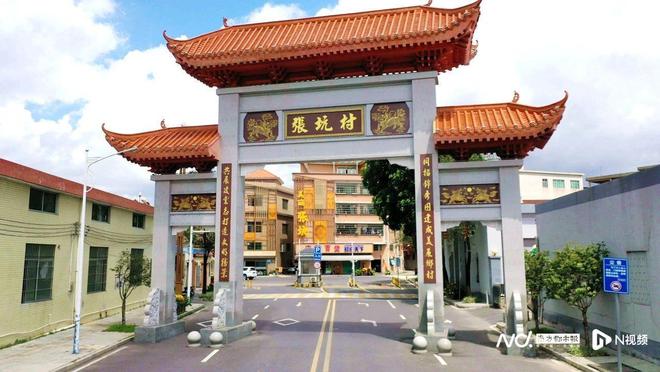
Group 1 - The "Hundred Million Thousand Project" is transforming the rural landscape of Zhangkeng Village in Dongguan, enhancing local economy and community well-being through infrastructure improvements and local entrepreneurship [1][3] - The village has seen the emergence of a "courtyard economy," with local residents activating idle old houses for business, leading to increased income and job opportunities [3][5] - Zhangkeng Village has achieved a 45% greening coverage rate through various beautification initiatives, including planting 550 trees and over 3,000 flowers, contributing to the creation of a vibrant ecological environment [5][7] Group 2 - Major industrial projects, such as those by Dongguan Xingze Daily Necessities Co., Ltd. and Dongguan Weichuang Power Technology Co., Ltd., are driving economic growth in Zhangkeng Village [7] - The village has established partnerships with local enterprises, resulting in over 60 volunteer activities that have benefited more than 3,000 villagers [7] - Future plans include the development of cultural and tourism projects alongside industrial initiatives, aiming to create a dual-driven economic model [7]
“方寸地”变“微农场” 山西神池小庭院拓宽致富路
Zhong Guo Xin Wen Wang· 2025-07-04 00:04
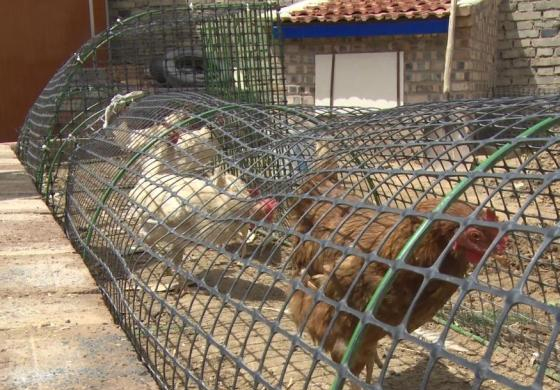
Core Viewpoint - The development of courtyard economy in Shencheng County, Shanxi Province, is aimed at promoting rural revitalization and increasing household income through the utilization of idle resources and land [1][2]. Group 1: Courtyard Economy Development - The local government has set a goal of "building beautiful villages and helping people increase income" by promoting courtyard economy as a key strategy for rural revitalization [1]. - The village has adopted a "micro-farm" model, integrating idle resources and land to create a multi-layered planting and breeding system, including fruit trees, poultry, and vegetables [1][2]. - The main crop selected is the chicken heart fruit, which is known for its strong cold resistance and high sugar content, alongside hawthorn trees [2]. Group 2: Implementation and Success - A detailed planting plan has been established, specifying planting areas, varieties, and densities based on local climate and market demand [2]. - The survival rate of the 48 trees planted last year is over 95%, indicating a successful first phase of courtyard economy development [2]. - The local government plans to continue supporting the courtyard economy through policies, funding, facilities, and technical assistance to enhance income and support rural revitalization [2].
山西浮山农商银行助力小庭院变身"致富园"
Zheng Quan Ri Bao· 2025-07-03 02:01
Core Insights - Shanxi Fushan Rural Commercial Bank is actively promoting the development of courtyard economy by encouraging villagers to utilize idle land and integrate agricultural practices, thereby enhancing the agricultural industry chain [1][2] - The bank has introduced tailored financial solutions, including "Huinong Loan" and flexible loan policies, to support local farmers in their agricultural endeavors [1][2] Group 1 - The "sweet melon + fennel" intercropping model in Lingzhong Village, supported by the bank's special loans, has increased income by over 500 yuan per mu through improved soil and quality seeds [2] - The bank's "Fumiao Loan" has facilitated the planting of 1,206 cherry trees across 10 villages, with an expected average annual income increase of 3,000 yuan per household [2] - The bank collaborates with agricultural technology teams to assist farmers in transitioning from traditional single cropping to more efficient multiple cropping systems, enhancing overall productivity [2] Group 2 - The bank is also involved in brand development for local products such as "Lingzhong Sweet Melon" and "Huaizhen Watermelon," establishing a comprehensive service system that integrates credit, technology, and market support [2] - The initiative aims to provide full-chain support for farmers, from greenhouse construction to product sales, thereby broadening income-generating opportunities for villagers and contributing to rural revitalization [2]
三亚“奶白”榴莲蜜抢“鲜”上市
Hai Nan Ri Bao· 2025-06-24 01:52
Core Viewpoint - The "Milk White" durian honey from Sanya is experiencing a surge in demand as it hits the market, with significant orders already placed by merchants ahead of the peak season [2][3]. Group 1: Product Overview - The "Milk White" durian honey is cultivated in a 60-acre plantation in Sanya, which has been developed through the introduction and selection of various durian honey varieties since 2008 [2]. - This variety is characterized by its high sweetness, moderate fruit size, and ease of consumption, making it suitable for market sales [2][3]. - The fruit has a long harvesting period from June to September and can be stored for up to a week after picking, making it ideal for long-distance transportation [2][3]. Group 2: Market Demand and Sales - Approximately 1,200 "Milk White" durian honey trees are planted, with each tree yielding about 400 pounds of fruit [3]. - The current market price ranges from 15 to 18 yuan per pound, with significant sales directed towards major cities like Beijing, Shanghai, and Guangzhou [3]. - Merchants from Guangdong have already placed orders for over a thousand pounds of the fruit, indicating strong market interest ahead of the concentrated harvest in July [3]. Group 3: Future Development Plans - The plantation plans to expand by an additional 50 acres to enhance the collective industry of the village and improve the economic conditions for local residents [3]. - The base also cultivates over 20,000 seedlings of "Milk White" durian honey trees annually for distribution to other farms and households across Hainan [3].