教育改革

Search documents
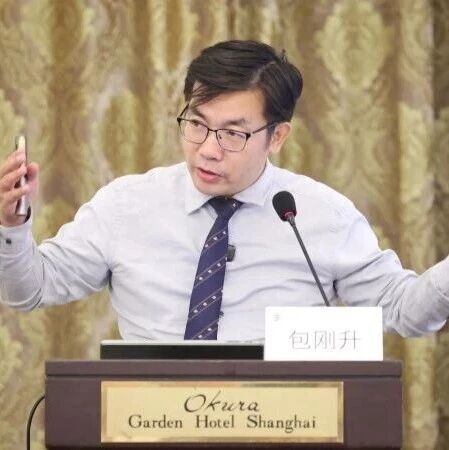
包刚升:AI时代,中国教育需要一场真正的改革
第一财经· 2025-10-17 07:01
Core Viewpoint - The article discusses the educational disparities among university students, emphasizing the hidden rules that favor those from affluent backgrounds, as highlighted in Zheng Yajun's book. It also presents a practical guide for students on how to navigate university life effectively, as outlined in Bao Gangsheng's book "Ten Lectures on How to Read University" [3][4][5]. Group 1: Educational Disparities - The competition among university students is influenced by their economic and cultural backgrounds, leading to a divide between privileged students and those from less affluent backgrounds [3][4]. - Zheng Yajun's research illustrates the "game" of elite universities, where students from wealthy families are more adept at navigating the system compared to their less privileged peers [3][4]. Group 2: Practical Guidance for Students - Bao Gangsheng's book serves as a comprehensive guide for students, covering essential skills such as effective reading, logical thinking, public debate, and innovation in the AI era [4][5]. - The emphasis on logic training is crucial, as Bao argues that the ability to think logically is vital for the elite class and the nation's future [5][6]. Group 3: Innovation and AI Opportunities - Bao highlights that AI presents significant opportunities for the current generation of students, urging them to embrace curiosity, imagination, and creativity in their education [5][6]. - The current educational system faces challenges in fostering innovation, as it often prioritizes conformity over creativity, which is essential in the AI age [5][6]. Group 4: Addressing Educational Inequities - The article discusses the phenomenon of educational "involution," driven by societal, familial, and institutional pressures that create unrealistic expectations for students [24][25]. - Bao suggests that a more diverse and innovative educational approach is necessary to reduce competition and promote individual strengths, ultimately benefiting society as a whole [27][28].

全国2895个县域实现义务教育基本均衡
Jing Ji Guan Cha Bao· 2025-10-06 02:59
Core Insights - The "14th Five-Year Plan" has achieved significant progress in building a strong education system in China, with all set goals being met at a high quality level [1] Group 1: Education Quality and Accessibility - A total of 2,895 counties have achieved basic balanced compulsory education, ensuring equitable access to education [2] - The gross enrollment rate for preschool education has increased from 64.5% in 2012 to 92%, benefiting over 12 million children this year [2] - The gross enrollment rate for higher education has more than doubled from 30% in 2012 to 60.8%, entering a globally recognized stage of popularization [2] - Approximately 1.5 billion students benefit annually from comprehensive financial aid across all educational levels [2] Group 2: Talent Supply and Economic Development - Over the past five years, higher education has supplied 55 million talents to society, with vocational education providing over 70% of new high-quality skilled talents for modern industries [3] - Universities have received over 75% of national natural science awards and over 55% of technology advancement awards, becoming key players in national basic research and technological breakthroughs [3] Group 3: Educational Reform and Adaptation - Significant reforms have been made in education, focusing on reducing competition and anxiety through changes in resource allocation and examination systems [3] - The adjustment ratio of academic programs has exceeded 20% to better align with economic and social development needs [3] - The "New Double High" reform in vocational education aims to enhance educational capabilities and integrate talent development with regional economic needs [3]
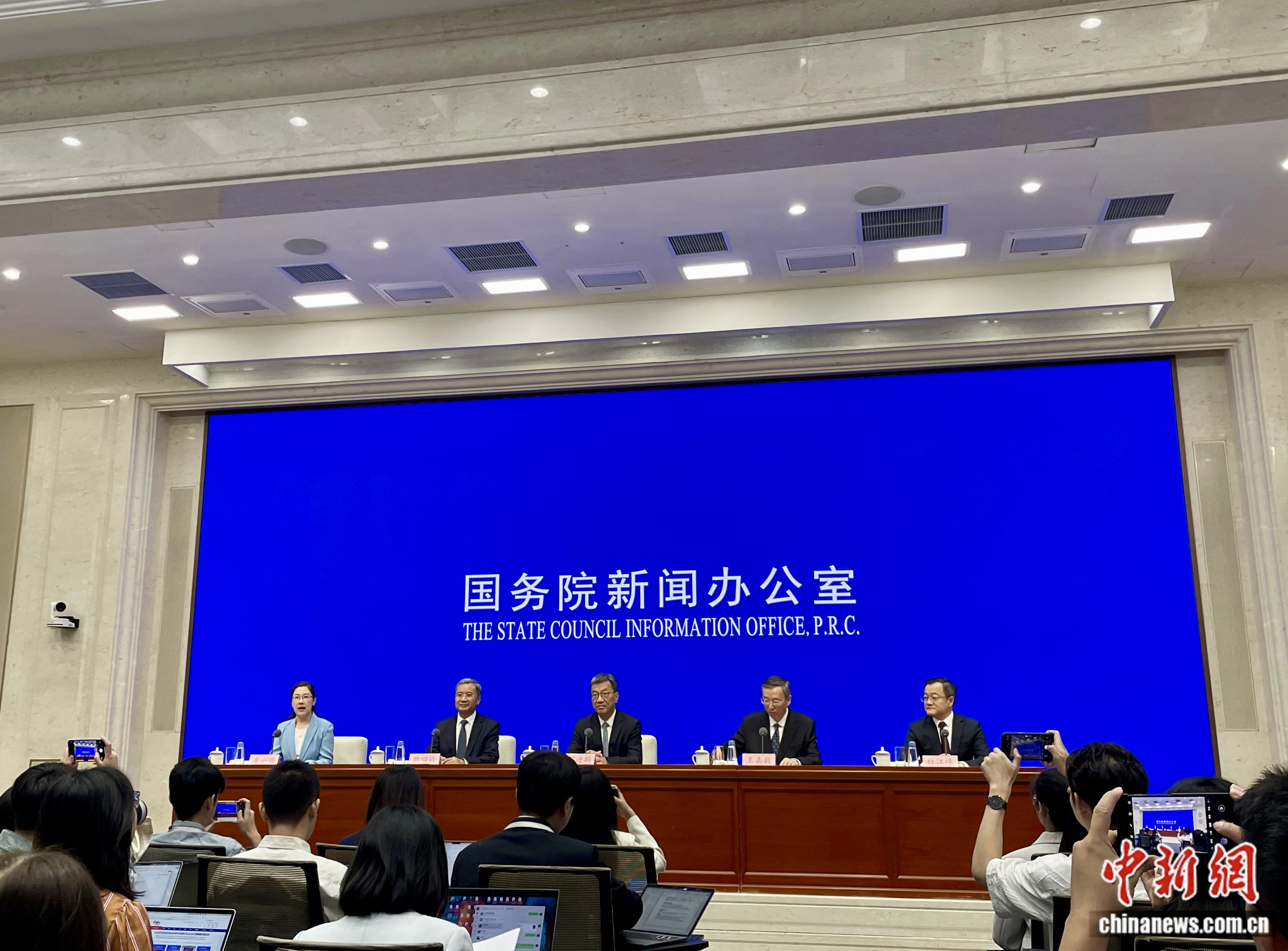
教育部:中国高等教育让更多年轻人有机会上大学
Zhong Guo Xin Wen Wang· 2025-09-23 08:30
Core Viewpoint - The Chinese Ministry of Education emphasizes the significant progress in higher education, enabling more young people to access university education, and highlights the role of higher education institutions as key drivers of national basic research and technological breakthroughs [1][4]. Group 1: Progress in Education - The Ministry of Education reports that basic education in China has reached the average level of high-income countries, with 2,895 counties achieving basic balance in compulsory education [4]. - The gross enrollment rate for preschool education has increased from 64.5% in 2012 to 92%, benefiting over 12 million children this year [4]. - The gross enrollment rate for higher education has risen from 30% in 2012 to 60.8%, marking a more than doubling and entering a globally recognized stage of popularization [4][5]. Group 2: Talent Supply and Economic Impact - During the "14th Five-Year Plan" period, higher education institutions have supplied 55 million talents to society, equivalent to the total population of many developed countries, significantly contributing to national economic and social development [5]. - Vocational education has provided over 70% of the newly added high-quality skilled talents for modern industries [5]. Group 3: Educational Reforms and Innovations - The Ministry is implementing comprehensive educational reforms, focusing on county-level revitalization and reducing competition anxiety through middle school examination reforms [6]. - In higher education, innovative measures allow graduate students to apply for degrees based on patents and product designs, breaking the traditional reliance on thesis submissions [6]. - The adjustment of academic disciplines has increased by over 20% in the past two years to better align with economic and social development needs [6]. Group 4: International Cooperation and Digital Education - The Ministry has established educational cooperation with 183 countries and regions, enhancing China's influence in digital and artificial intelligence education, vocational education, and higher education [7]. - A large-scale smart education platform has been built, serving over 170 million learners globally, and a national lifelong learning education platform has been launched to support the construction of a learning society [7].
云岭大地上的教改脉动(深聚焦)
Ren Min Ri Bao· 2025-09-22 22:21
Core Viewpoint - Yunnan Province is implementing comprehensive educational reforms to enhance the quality of education, particularly in rural areas, aiming to provide better educational resources and opportunities for local students [8][10][15]. Group 1: Educational Reforms and Developments - The "Three-Year Action Plan for High-Quality Development of Education in Yunnan Province (2023-2025)" has accelerated educational reforms, leading to significant improvements in basic education and vocational training [8][10]. - By the end of 2024, 13,700 basic education schools and 5.73 million students will be covered by various management models, achieving coverage rates of 54.51% for schools and 68.63% for students [10]. Group 2: Local Education Initiatives - In the past, many parents in rural areas preferred sending their children to prestigious schools outside their hometowns due to a lack of quality education resources [8][9]. - The introduction of quality educational resources and personalized guidance has led to improved student performance, exemplified by a student from Zhenkang County who gained admission to Beijing Foreign Studies University [9]. Group 3: Teacher Recruitment and Training - Yunnan has recruited 3,700 senior teachers through the "Silver Age Teacher Action Plan" to enhance rural education, providing mentorship and sharing teaching experiences with younger educators [11]. - The integration of experienced teachers into rural schools has improved teaching quality and student engagement [11]. Group 4: Collaboration with Higher Education Institutions - Over 6,000 university students and teachers have been dispatched to support underprivileged schools, enhancing physical education and arts education through culturally relevant curricula [13]. - The collaboration between vocational education institutions and local industries has led to the establishment of training bases, ensuring that students acquire skills aligned with regional employment needs [14][15]. Group 5: Industry-Education Integration - The partnership between educational institutions and industries, such as the collaboration with Qilin Vocational Education Group, focuses on practical training and employment readiness for students [14]. - The "dual mentor system" at universities like Kunming University of Science and Technology has resulted in a high employment rate for graduates in local industries, fostering a cycle of talent development and technical innovation [15].
云南着力破解优质资源短缺等难题,夯实教育高质量发展根基 云岭大地上的教改脉动(深聚焦)
Ren Min Ri Bao· 2025-09-22 22:08
Core Insights - Yunnan province is addressing educational challenges such as resource shortages and student outflow by implementing comprehensive reforms to enhance the quality of education [1][2][3] Group 1: Educational Reforms and Developments - The "Three-Year Action Plan for High-Quality Education Development in Yunnan Province (2023-2025)" has accelerated educational reforms, expanding the coverage of quality educational resources and improving vocational education [1] - The introduction of quality educational resources and personalized guidance has led to significant improvements in student performance, exemplified by a student from Zhenkang County who gained admission to Beijing Foreign Studies University [2][3] - Yunnan's educational reforms include increasing investment, enhancing teaching quality through training, and establishing resource-sharing mechanisms with prestigious schools [3][4] Group 2: Teacher Recruitment and Training - Yunnan has initiated programs to attract experienced teachers back to rural schools, enhancing the quality of education through mentorship and innovative teaching methods [5][6] - The "Silver Age Teacher Action Plan" has recruited 3,700 senior teachers to support rural education, while university students are also contributing through volunteer teaching programs [6][7] Group 3: Vocational Education and Industry Collaboration - Yunnan's vocational education is increasingly aligned with regional industry needs, with partnerships between educational institutions and companies to provide practical training and skill development [8][9] - The implementation of a dual-mentor system in universities has resulted in high employment rates for graduates, particularly in remote areas, fostering a strong link between education and local economic development [9]
营造更专注的校园氛围,瑞典将全面实施校园手机禁令
Huan Qiu Shi Bao· 2025-09-17 22:49
Core Points - Sweden will implement a nationwide ban on mobile phones in schools starting from the autumn term of 2026, requiring schools and after-school clubs to collect and store phones of students aged 7 to 16 until the end of the school day [1][2] - The Swedish government aims to improve campus safety and learning conditions through this ban, creating a more focused environment for youth [1] - A budget of 95 million Swedish Krona (approximately 7.3 million USD) will be allocated for the implementation of the ban, with an additional 100 million Krona planned for the following year [1] Education Reform Measures - The mobile phone ban is part of a broader educational reform package announced by the Swedish government, which includes curriculum optimization, grading system adjustments, and teacher professional training [1] - The reform is described as the largest educational reform plan in Sweden in over 30 years, with strong support from political leaders [1] Enforcement and Context - Many schools in Sweden have already implemented measures to confiscate phones during class, but students have found ways to circumvent these rules, leading to ineffective enforcement [2] - Other European countries are also taking steps to regulate youth mobile phone and social media usage, with Denmark, Norway, and France introducing similar restrictions [2]
会思考也会动手,将成为未来人才硬核竞争力
第一财经· 2025-09-16 11:41
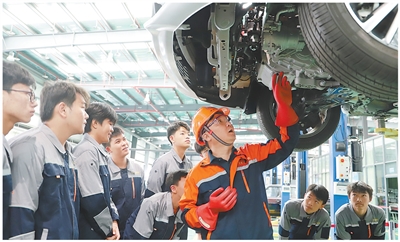
Core Viewpoint - Fuyao Technology University aims to be a research-oriented university focused on engineering and applied industries, emphasizing the importance of practical education and hands-on skills [3][4]. Group 1: University Establishment and Philosophy - Fuyao Technology University was founded by Cao Dewang with a donation of 10 billion yuan, reflecting his vision for education that integrates industry and practical applications [3]. - The establishment of the university was influenced by Cao's experiences at the 2009 Davos Forum and his observations of educational practices in the U.S., particularly the collaboration between universities and industries [3][4]. Group 2: Educational Reform and Trends - The Chinese government is addressing the "involution" phenomenon in education, with plans to optimize and adjust 20% of higher education disciplines by 2025, focusing on emerging fields that meet national and industrial needs [4]. - The emphasis on practical skills is increasing, as evidenced by the rising admission scores for vocational colleges, which sometimes exceed those of traditional universities [4]. Group 3: Employment and Skills Development - Over 70% of new employees in modern manufacturing and strategic emerging industries come from vocational schools, highlighting the demand for skilled labor [5]. - Graduates from Fuyao Technology University are predicted to have starting salaries 30% higher than those from many traditional universities, indicating a strong market demand for practical skills [5].
壹快评丨会思考也会动手,将成为未来人才硬核竞争力
Di Yi Cai Jing· 2025-09-16 10:06
Group 1 - The core idea of the articles emphasizes the need for education to be practical and industry-oriented, moving away from traditional exam-focused approaches [1][2] - Fuyao University, founded by Cao Dewang with a donation of 10 billion yuan, aims to be a research-oriented university centered on science and engineering, integrating industry applications [1] - The Chinese education system has been criticized for producing "test-takers" rather than practical thinkers and doers, leading to a shift in educational focus towards hands-on skills and critical thinking [1][2] Group 2 - In 2023, the Ministry of Education and other departments announced a plan to optimize and adjust 20% of higher education disciplines by 2025, eliminating low-demand programs and introducing new ones aligned with national strategies [2] - The rise in enrollment scores for vocational universities indicates a growing recognition of the importance of practical skills, with many students opting to pursue vocational training after obtaining a bachelor's degree [2] - Predictions suggest that graduates from Fuyao University may have starting salaries 30% higher than those from many traditional universities, reflecting the demand for skilled labor in modern industries [2]
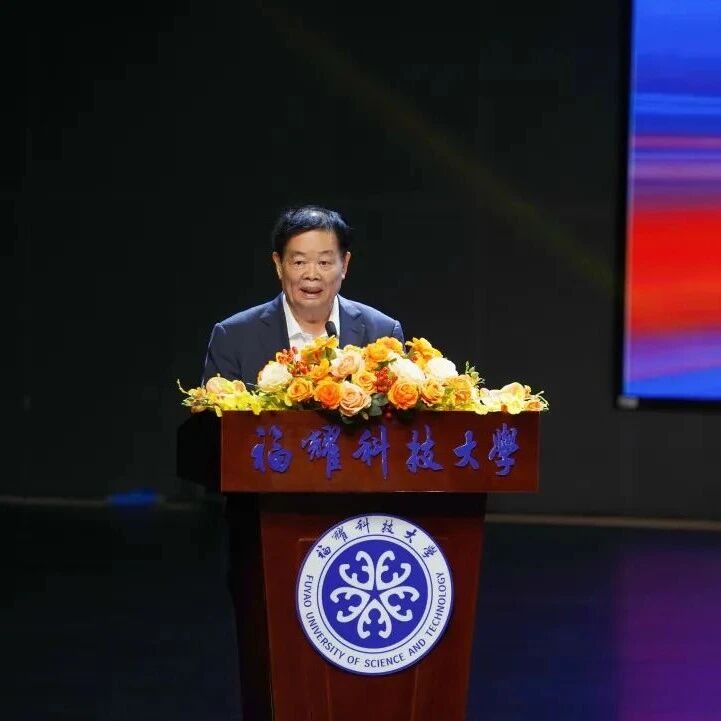
福耀科技大学50名新生开启新程 曹德旺致辞谈办学初衷勉励首批学子
Chang Jiang Shang Bao· 2025-09-14 23:07
Core Insights - The establishment of Fujian Fuyao University aims to cultivate high-quality talents that can innovate and practically apply their knowledge, addressing the urgent need for skilled professionals in China [1][2] - The university is founded with an initial investment of 10 billion RMB from the Fuyao Glass Industry Group and operates in collaboration with the Fuzhou municipal government [2] Group 1: University Overview - Fujian Fuyao University is positioned as a new type of research-oriented university, focusing on applied sciences and industry needs [2] - The university spans an area of 1,286 acres with a building area of 860,000 square meters and includes eight colleges, such as the College of Computing and Artificial Intelligence and the College of New Materials and New Energy [2] - The first cohort of 50 undergraduate students was admitted from several provinces, including Fujian, Henan, and Hunan [2] Group 2: Founder's Vision - Founder Cao Dewang emphasizes the importance of integrating education with industry, inspired by his experiences in the U.S. and discussions at the Davos Forum [1][2] - The university's motto, "Respect Heaven and Love People, Strive for Excellence," reflects the values that have guided both the founder's business and philanthropic endeavors [2] - Cao Dewang encourages students to not only acquire knowledge but also develop practical skills and a global perspective [1][2]

曹德旺在福耀科技大学开学典礼致辞:教育绝不能脱离实际
中国基金报· 2025-09-12 16:19
为了学校建设,曹德旺说自己几乎每天清早到工地,看进度、抓质量。不到两年时间,一座建筑 面积86万平方米、占地1086亩的现代化校园拔地而起。"但这只是开始,真正的好大学,不在大 楼,而在大师,在大爱、大格局的形成。"曹德旺说。 福耀科技大学的校训是"敬天爱人,止于至善"。他解释,"敬天"是敬畏自然、遵守法律法规、坚 守正道;"爱人"是心怀家国、关爱社会、奉献人民;"止于至善"是追求卓越,永不满足。"这八 个字,是我几十年做企业、做慈善最深刻的体会,也是福耀科技大学的精神根基。"他表示。 他还对50名新生提出殷切希望:"珍惜时光,勤修苦练,更希望你们修德明理、心怀天下、脚踏 实地、追求卓越。你们不仅要学知识,更要学做人;不仅要会思考,更要能动手;不仅要立足中 国,更要面向世界。" 来源:澎湃新闻 福耀科技大学 2025年9月12日,福建福耀科技大学(以下称"福耀科技大学")2025级本科生开学典礼在学校 明德堂举行。福耀科技大学理事会理事长曹德旺在开学典礼致辞中回顾了他捐资创办福耀科技大 学的初衷,他表示,大学必须面向产业、服务应用、面向未来,希望福耀科技大学要成为一所以 理工科为核心、交叉融合为路径、产业应用 ...