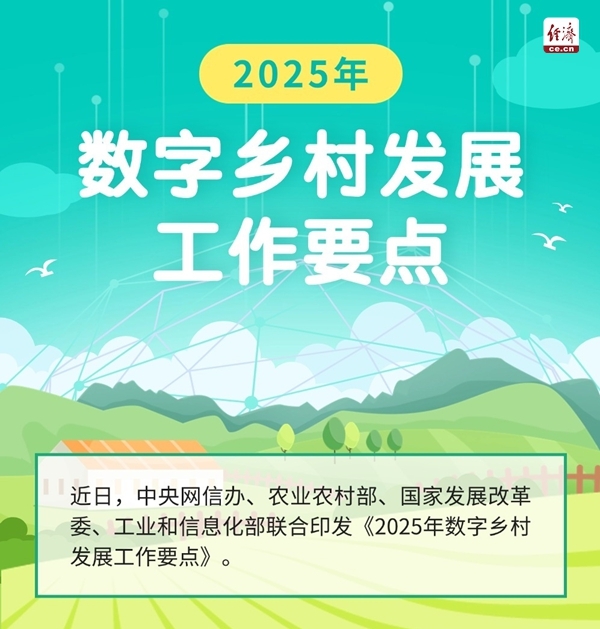
数字乡村建设

Search documents
小乡村连接大世界 联通5G+千兆光网打通青石河村致富路
Qi Lu Wan Bao· 2025-08-01 07:47
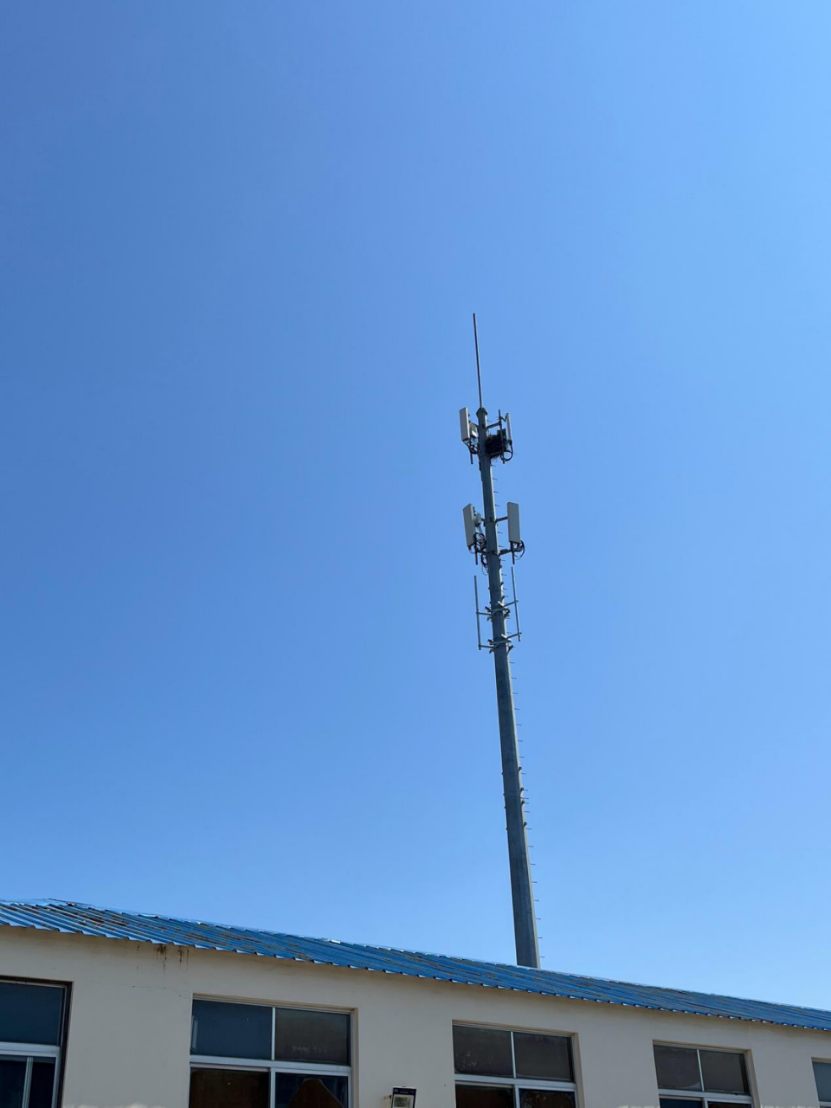
Core Viewpoint - The implementation of 5G and gigabit optical networks in Qingshihe Village, Weihai, has transformed the village into a hub for digital economy, enabling local farmers to sell their products online and attracting investments from both domestic and foreign companies [1][3][8] Group 1: Infrastructure Development - Weihai Unicom has focused on enhancing rural communication infrastructure, establishing a 5G base station, upgrading two existing stations, and adding 10 optical access points, resulting in comprehensive gigabit broadband coverage for the village [1][3] - The upgraded network has bridged the digital divide, connecting the village to broader markets and facilitating the growth of e-commerce for local agricultural products [1][4] Group 2: E-commerce and Employment Opportunities - The high-speed network has enabled local entrepreneurs, like Mr. Qu, to successfully engage in live-streaming sales of local agricultural products, significantly increasing their market reach [3][4] - The establishment of companies such as the Korean-funded Dihufu Hardware and Plastic Products Co., Ltd. has created over 50 job opportunities for local residents, enhancing their income while allowing them to manage their agricultural activities [4][6] Group 3: New Business Models and Community Engagement - The introduction of a "shared vegetable garden" has attracted urban residents, allowing them to rent plots and engage in farming while utilizing the village's robust 5G network for remote monitoring [6][8] - The village's collective income has been reinvested into community welfare, providing residents with essential goods and improving local infrastructure, thereby enhancing the overall quality of life [8] Group 4: Digital Transformation and Rural Revitalization - The integration of digital technologies in agriculture and rural life is reshaping production and lifestyle in Qingshihe Village, showcasing a successful model of digital rural construction that supports agricultural modernization [8]


建设数字乡村强农惠农富农
Jing Ji Ri Bao· 2025-07-22 22:07
Core Viewpoint - The development of digital rural infrastructure is essential for enhancing agricultural productivity and ensuring food security, with specific targets set for 2025 to improve connectivity and data sharing in rural areas [1][2][3]. Group 1: Digital Infrastructure Development - The initiative aims to achieve over 90% 5G coverage in administrative villages and steadily increase internet penetration in rural areas [1][2]. - Digital infrastructure improvements will facilitate direct sales of agricultural products through e-commerce, breaking geographical limitations [2][3]. - The integration of digital technologies in agriculture will lead to precise irrigation and fertilization, reducing costs and improving the quality and yield of agricultural products [2][3]. Group 2: Smart Transformation of Rural Infrastructure - Accelerating the smart transformation of rural infrastructure is crucial for enhancing governance and production levels in rural areas [3]. - Existing infrastructure issues, such as maintenance delays and inefficient scheduling, can be addressed through smart upgrades, enabling proactive management [3]. - Examples of successful implementations include smart water management systems that monitor leaks and intelligent maintenance systems for road repairs [3]. Group 3: Data Resource Integration and Sharing - The need to eliminate "data silos" in agricultural data management is emphasized, promoting the integration and sharing of agricultural data resources [4]. - Development of a national agricultural big data platform and a unified land use map is necessary for effective data application in agriculture [4]. - Encouraging enterprises to develop applications for agricultural product traceability and rural tourism will help transform data into developmental assets [4].
广西探索可持续发展的数字乡村建设新路径
Zhong Guo Xin Wen Wang· 2025-06-07 09:06
Core Viewpoint - Guangxi is actively exploring sustainable digital rural development paths, with five national digital rural pilot projects approved, including four that have successfully passed inspection [1][2] Group 1: Digital Rural Development - Guangxi has established industry and local standards for digital rural construction, focusing on digital agriculture and digital cultural tourism [1] - The region is leveraging artificial intelligence to expand digital application scenarios, enhancing rural industry development, construction, and governance [1] Group 2: Agricultural and Economic Impact - The digitalization of agriculture is improving the digital levels of specialty industries such as taro and navel oranges, leading to new industry models like "digital + agriculture" and "digital + tourism" [1] - As of April 2023, Guangxi has built 60,000 5G base stations in rural areas, achieving comprehensive coverage of all administrative villages with a "dual gigabit" network [2] - E-commerce initiatives like "Guangxi Online New Year Goods Festival" and "Digital Business Promoting Agriculture" have enhanced the visibility and trading scale of local agricultural products [2]
用数字的犁铧深耕希望的田野(评论员观察)
Ren Min Ri Bao· 2025-06-03 21:21
Group 1 - The core viewpoint emphasizes the importance of leveraging digital technology to enhance agricultural productivity and rural development, highlighting the need to bridge gaps and address shortcomings in rural areas [1][2] - Digital transformation is reshaping rural landscapes, with examples from Henan Lankao County showcasing smart farming techniques and the integration of digital platforms in specialty industries [1][2] - The "2025 Digital Rural Development Work Points" outlines nine key tasks, including accelerating smart agriculture development, indicating a strategic focus on digitalization in rural areas [2] Group 2 - The digital divide remains a challenge, with rural areas facing weaker digital infrastructure and slower internet speeds compared to urban counterparts, necessitating targeted improvements [2][3] - Successful case studies demonstrate the potential of digital agriculture, such as the "New Retail + Digital Agriculture" model, which enhances product traceability and quality control while ensuring profitability for farmers [3] - Enhancing digital literacy among farmers is crucial for effective digital integration, with ongoing efforts to provide training and resources to empower rural residents to utilize digital tools effectively [3][4]
中经评论:为强村富民插上“数字之翼”
Zhong Guo Jing Ji Wang· 2025-05-16 08:53
Group 1 - The core viewpoint emphasizes the importance of digital technology in rural revitalization, aiming to enhance agricultural efficiency, rural vitality, and farmers' income through the implementation of the "2025 Digital Rural Development Work Points" [2][3] - The digital rural construction has made significant progress, with 3.13 billion rural internet users, accounting for 28.2% of the total internet users in China, and achieving connectivity at various levels from counties to villages [3][4] - The "Work Points" outlines 26 key tasks across 9 areas, serving as a detailed roadmap for accelerating digital rural development, focusing on strengthening infrastructure, promoting smart agriculture, and fostering new rural industries [4] Group 2 - Challenges in rural digitalization include weak digital infrastructure compared to urban areas, insufficient network coverage in remote regions, high application costs for smart agriculture, and a shortage of cross-disciplinary talent [3][4] - There is a pressing need to enhance rural infrastructure, particularly in extending 5G networks and fiber optics to remote villages, requiring a multi-faceted investment mechanism involving government, market, and social participation [4] - Developing a comprehensive digital education and training system for farmers is crucial to bridging the digital divide, with initiatives aimed at improving digital skills among various demographics, including the elderly and agricultural technicians [4]