
楼宇经济

Search documents
上城如何锻造第二条税收百亿大道?
Hang Zhou Ri Bao· 2025-05-29 02:07
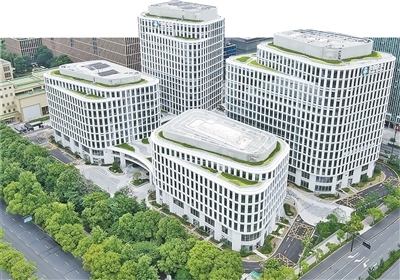
Core Insights - The article highlights the impressive achievements of the Shangcheng District in terms of its building economy, with 75 buildings generating over 100 million yuan in tax revenue and 8 buildings generating over 1 billion yuan in tax revenue in 2024 [2] - The district aims to develop a second tax revenue corridor along Qianjiang Road, building on the success of the first corridor established along Fuchun Road, which has 22 buildings generating over 1 billion yuan in tax revenue [3] Group 1: Building Economy Development - The Shangcheng District government plans to focus on key areas such as the 19-kilometer golden left bank of the Qiantang River and Dahu Bin, aiming to attract over 55 high-level headquarters projects and achieve 80 buildings generating over 100 million yuan in tax revenue [2] - The district has already established a cluster effect with over 20 headquarters buildings along Fuchun Road, creating the first "100 billion tax revenue corridor" in Zhejiang [4] Group 2: Challenges and Solutions - Despite the positive data, the building economy faces challenges such as increased supply of office buildings leading to higher vacancy rates due to lack of differentiation [5] - Suggestions include enhancing regional planning to highlight building characteristics and focusing on leading enterprises to create an industrial ecosystem around each building [5] Group 3: Future Plans and Initiatives - The second tax revenue corridor will include areas like Qianjiang New City CBD and aims to create a dual-core driven industrial hub focusing on financial technology and high-end business [6] - The district plans to establish a building investment organization and provide financial incentives for building operators achieving certain performance metrics [6][7] - Initiatives to optimize the business environment include launching a mini-program for easy access to building information and compiling detailed building manuals to assist businesses in making informed decisions [7]

长风亿元楼占比超三成,普陀区楼宇经济与文旅商体展深度融合
Guo Ji Jin Rong Bao· 2025-05-26 09:37
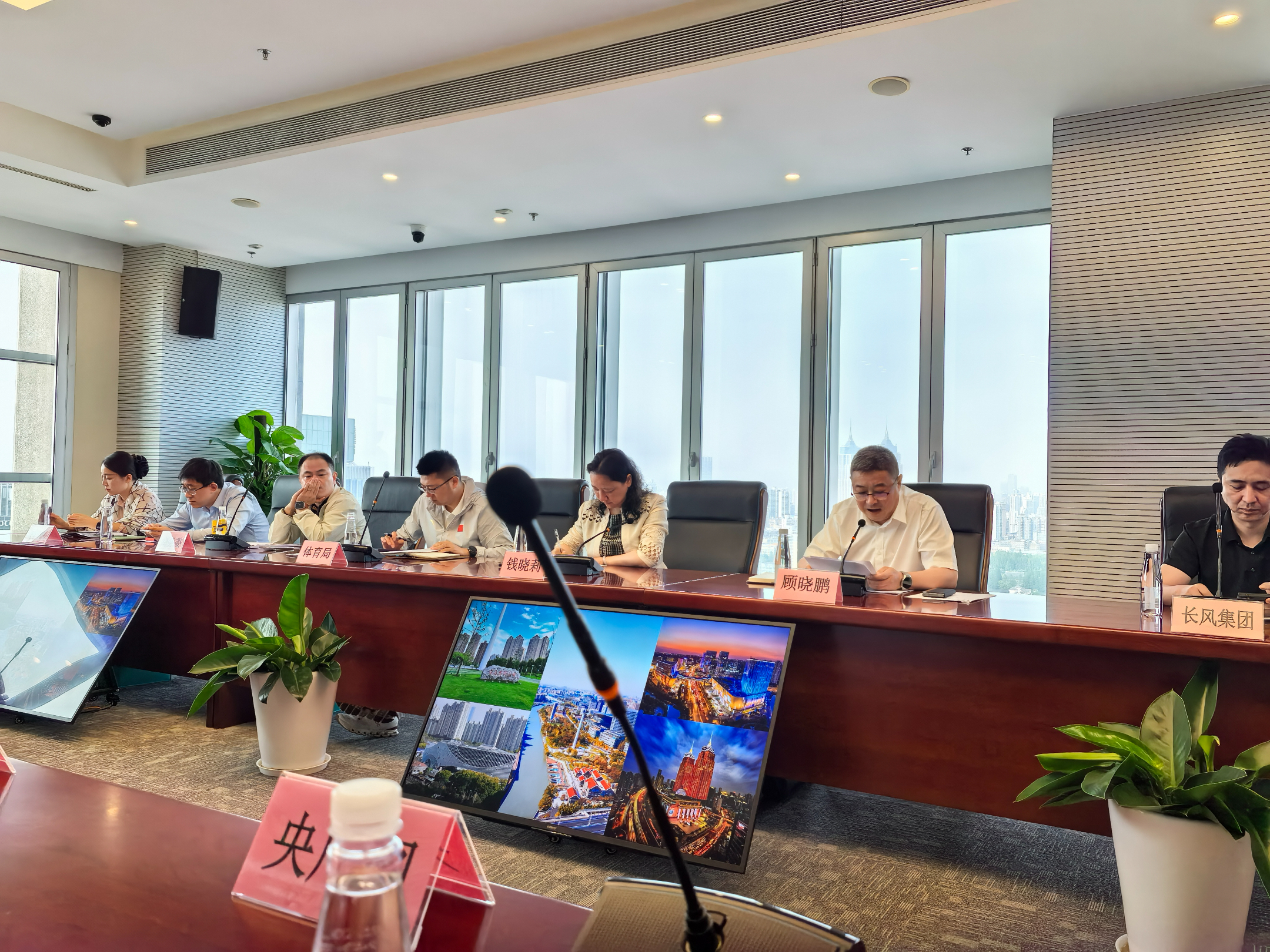
Core Insights - The Longfeng area is accelerating the development of the building economy, with 98 completed commercial buildings totaling 2.32 million square meters and attracting approximately 5,000 enterprises [1][3]. Group 1: Economic Development - Longfeng is home to the Shanghai Science and Technology Financial Industry Cluster, which includes key research institutions like the Shanghai Chemical Research Institute, and has the highest economic output in the Putuo District [3][4]. - The area focuses on innovation-driven development, emphasizing four key industries: smart software, research and development services, technology finance, and life health [3][4]. - Longfeng has attracted notable companies such as China Energy Group, 360, and Alibaba Local Life, with 29 key buildings accounting for one-third of the district's key commercial buildings [3][4]. Group 2: Building Economy - The building economy is characterized as a modern, highly concentrated economic development model with high efficiency and economic value per unit output [3][4]. - Longfeng currently has 13 billion-yuan buildings, representing 34% of the total in the Putuo District [3][4]. Group 3: Infrastructure and Projects - Longfeng Group is focused on developing a network security industry park, which includes a headquarters building and an incubator for cybersecurity startups [4][5]. - The Longfeng Science and Technology Valley project is set to open soon, integrating office space, commercial facilities, and hotels, aimed at attracting tech companies [5]. Group 4: Cultural and Sports Events - Longfeng Group collaborates with local cultural and sports departments to host various events along the Suhe River, enhancing community engagement and urban vitality [6][8]. - The 21st Shanghai Suzhou River Dragon Boat Invitation Race will feature 58 teams, marking the largest participation in nearly a decade, and aims to integrate cultural tourism with commercial activities [8][9].
促消费,享午间,强链接——商务楼宇午间集市资源对接活动圆满举行
Sou Hu Cai Jing· 2025-05-22 01:13
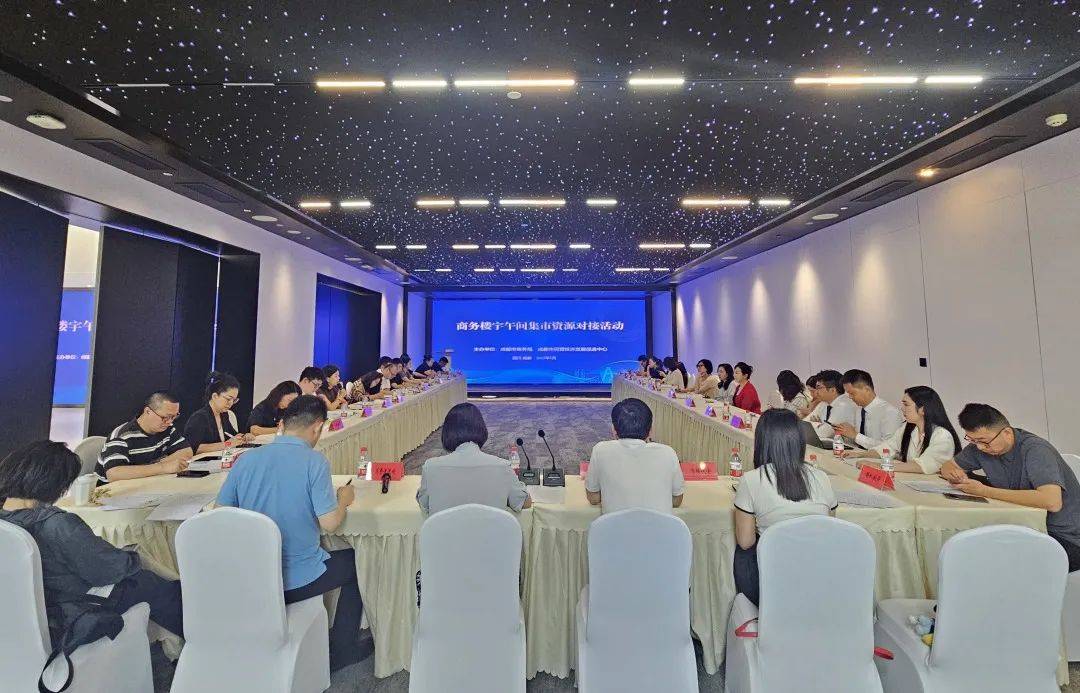
Core Viewpoint - The event organized by Chengdu Municipal Bureau of Commerce aims to optimize consumer supply and meet the quality consumption needs within commercial office buildings by establishing lunchtime markets, promoting diversified development of the building economy [1][3]. Group 1: Event Overview - The "Lunchtime Market Resource Matching Activity" was successfully held on May 21, focusing on the feasibility and implementation details of setting up lunchtime markets in commercial office buildings [1]. - The event gathered industry associations and key enterprises to discuss the initiative, emphasizing the importance of exploring new urban consumption scenarios and enhancing the added value of building economies [3]. Group 2: Participant Insights - Representatives from various office buildings expressed their intentions to host lunchtime markets, highlighting the potential for these markets to provide a relaxing space for office workers and inject new vitality into the building economy [3]. - Retail representatives from companies like Ito Yokado, Wangfujing, and Suning introduced their product categories and intentions to participate, ensuring the diversity and richness of the lunchtime market [4]. Group 3: Future Directions - The event facilitated in-depth discussions on operational models, cooperation mechanisms, and event planning for the lunchtime markets, with participants agreeing on the positive impact of such markets on the building economy and urban commercial vitality [4]. - The industry plans to continue promoting resource matching activities to deepen the integration of commerce and office spaces, supporting the high-quality development of Chengdu's building economy [4].
刘宁在郑州调研夜经济发展工作时强调 做大做优夜经济 激发城市新活力 以消费提质升级助推经济高质量发展
He Nan Ri Bao· 2025-05-05 23:17
Group 1 - The core viewpoint emphasizes the importance of developing night economy and cultural tourism as a means to stimulate consumption and economic growth, enhancing urban vitality and improving quality of life [3] - The government aims to integrate historical cultural resources into urban renewal, promoting innovative protection and utilization of historical buildings, and fostering unique local brands and cultural products [1][3] - The focus is on enhancing the consumer environment and infrastructure in key financial districts, leveraging financial advantages to attract global investment and develop landmark commercial areas [2] Group 2 - The government stresses the need for a comprehensive approach to promote the integration of domestic and foreign trade, creating more vibrant markets and enhancing cultural tourism [3] - There is a commitment to ensuring safety in commercial operations, with a focus on implementing safety management measures and emergency preparedness [2] - The initiative aims to meet the high-quality, experiential consumption demands of the youth, promoting new products and business models in the night economy [2]