美国霸权

Search documents
伊朗会成为下一个委内瑞拉吗?
Xin Lang Cai Jing· 2026-01-14 13:28
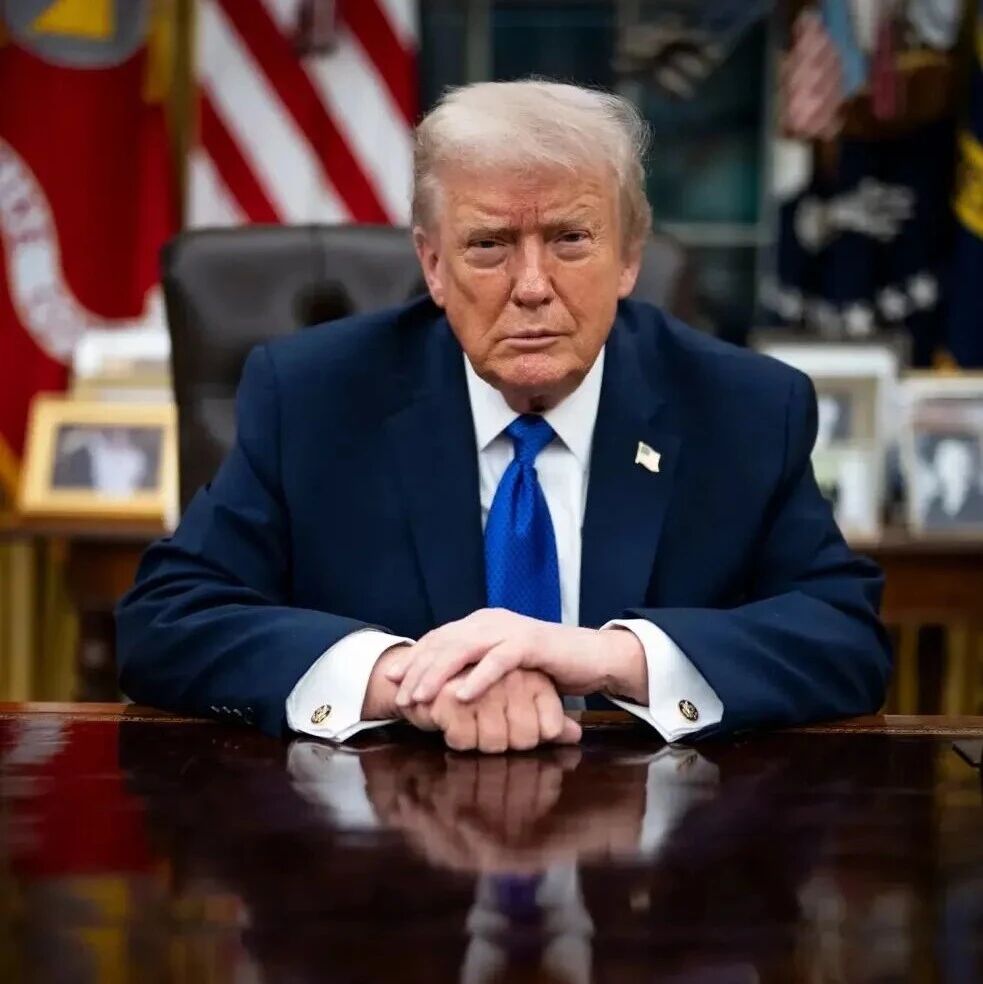
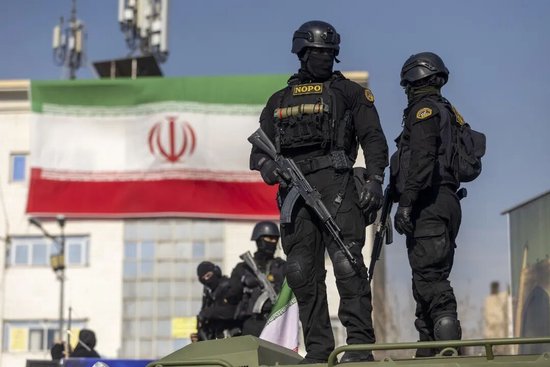
Core Viewpoint - The U.S. government has issued multiple threats of military action against Iran, with President Trump stating that the ultimate goal is to "win" in Iran [1][11]. Group 1: U.S. Military Actions and Statements - Trump has referenced past military operations, including the recent U.S. raid in Venezuela and the killing of ISIS leader Abu Bakr al-Baghdadi in Syria, as examples of actions that define "winning" [1][11]. - Trump has received briefings on a wide range of military and covert options regarding Iran, which exceed traditional airstrikes [3][14]. - Despite earlier indications of potential negotiations with Iran, Trump later announced the cancellation of talks, leading to confusion about U.S. intentions [3][14]. Group 2: Iran's Response - Iranian officials have expressed a strong stance against U.S. threats, with Defense Minister Nasserzadeh stating that Iran will defend itself with "full force" if threatened [5][16]. - Iran's Foreign Minister Zarif indicated a willingness to negotiate with the U.S. based on mutual respect, while also preparing for potential conflict [3][14]. Group 3: Regional Concerns and Reactions - Gulf Arab states, including Saudi Arabia, Oman, and Qatar, have been lobbying the Trump administration to avoid military action against Iran, warning that such actions could disrupt oil markets and harm the U.S. economy [7][18]. - Saudi officials have assured Iran that they will not be involved in any potential conflict and will not allow U.S. military operations from their territory [8][18]. Group 4: International Perspectives - The United Nations has expressed concern over the rhetoric surrounding military action against Iran, urging all member states to promote diplomatic efforts instead [10][20]. - Experts suggest that if the U.S. were to take military action against Iran, it would reflect a decline in U.S. power rather than strength, as seen in previous interventions [20].

新华时评丨霸权行径只会让全球陷入混乱动荡
Xin Hua She· 2026-01-13 15:23
Core Viewpoint - The article highlights the aggressive unilateral actions taken by the United States at the beginning of the year, which are seen as efforts to maintain its hegemony and disrupt global stability [1][2]. Group 1: U.S. Actions and Intentions - The U.S. has conducted a raid in Venezuela, forcibly taking President Maduro and his wife to the U.S., under the guise of a "drug war," while actually aiming to overthrow the government and control resources [1]. - The U.S. has expressed intentions to acquire Greenland, motivated by the island's rich resources and strategic geopolitical significance in the Arctic, aiming to strengthen its military and resource dominance in the region [1]. - The U.S. claims it will "manage" Venezuela's oil industry, asserting it is acquiring oil worth tens of billions, potentially reaching hundreds of billions or even trillions [1]. Group 2: Global Reactions and Consequences - Multiple world leaders have criticized the U.S. for its actions, with Brazil's President Lula stating that the U.S. prioritizes power over multilateralism, leading the world towards violence and chaos [2]. - Cuba's Foreign Minister Rodriguez indicated that U.S. actions threaten not only Cuba and the Western Hemisphere but also global peace and security [2]. - French President Macron noted that the U.S. is increasingly alienating some allies and distancing itself from international trade and security norms [2].
跟着美国混,三天饿九顿!特朗普施压无效,阿根廷总统已宣布访华
Sou Hu Cai Jing· 2026-01-13 05:53
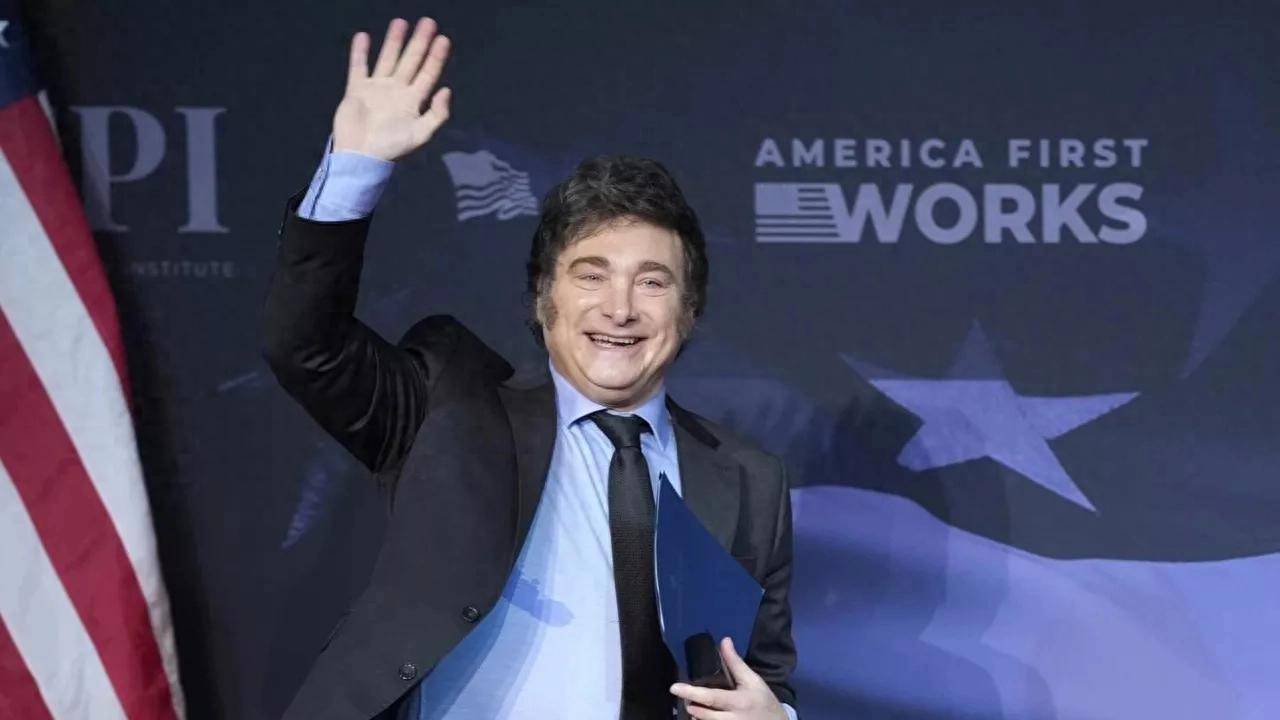
Core Viewpoint - Argentine President Milei plans to visit China, emphasizing China's role as an excellent trade partner, which counters the U.S. pressure on Latin American countries [2][4] Group 1: Economic Motivations - Argentina's agricultural exports, particularly soybeans, corn, and shrimp, heavily depend on the Chinese market, making China its most important trade partner [5] - The urgency of Argentina's economic recovery drives Milei's decision to strengthen ties with China, as losing China as a stable buyer would severely impact agricultural exports [7] - Milei's visit to China is a strategic move for economic self-rescue and a subtle resistance against U.S. hegemony, aiming to balance relations between the U.S. and China [7][9] Group 2: Political Context - The U.S. government's aggressive tactics, including the detention of Venezuelan President Maduro, aim to curb China's influence in Latin America, but have not achieved the desired effect [2][4] - Milei's declaration to visit China disrupts U.S. plans to reassert dominance in the region, highlighting the ineffectiveness of U.S. coercive diplomacy [10] - The growing dissatisfaction among Latin American countries towards U.S. pressure indicates a shift towards favoring cooperation with China for development opportunities [9][10] Group 3: Implications for Latin America - If Milei's visit is successful, it could deepen agricultural trade and infrastructure cooperation between Argentina and China, injecting new momentum into Argentina's economy [9] - Milei's decision may serve as a model for other Latin American countries, encouraging them to strengthen ties with China, as evidenced by the success of Chilean cherries and Brazilian coffee in the Chinese market [9] - The essence of China-Latin America cooperation is mutual benefit, contrasting with the U.S. approach of coercion and dependency [10]
锐评|美国的“紧急状态”,就是明火执仗吃干抹净?
Xin Lang Cai Jing· 2026-01-11 05:54
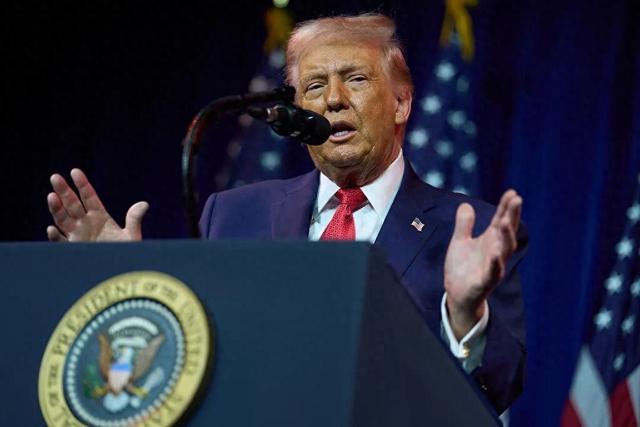
Core Viewpoint - The article discusses the recent declaration of a national emergency by President Trump to protect Venezuelan oil revenues stored in U.S. Treasury accounts, raising questions about the motives behind this action and its implications for U.S. foreign policy and power dynamics [1][3]. Group 1: National Emergency Declaration - On January 9, President Trump signed an executive order declaring a national emergency to "protect" Venezuelan oil revenues from being seized or entangled in legal proceedings, claiming that these threats primarily originate from outside the U.S. [1] - The declaration of a national emergency allows the President to gain powers not typically permitted under existing laws, effectively bypassing Congress [3]. Group 2: U.S. Foreign Policy Actions - Trump's administration has taken aggressive actions against Venezuelan President Maduro and has sought to control Venezuelan oil resources, which has drawn global attention and criticism [1][4]. - During a meeting with oil executives, Trump pressured them to invest $100 billion in Venezuela to significantly increase oil production, threatening that there are others willing to take their place if they refuse [3]. Group 3: Power Dynamics and International Relations - The article highlights Trump's approach to international relations, where he claims to operate based on his own moral standards, disregarding international law and norms [4][5]. - The narrative suggests that Trump's actions reflect a broader trend of U.S. power dynamics, where aggressive tactics are employed to maintain dominance, potentially damaging the country's credibility and image on the global stage [5].
特朗普说“不需要”,古特雷斯表态了
Xin Lang Cai Jing· 2026-01-10 16:23
Group 1 - The core viewpoint of the articles highlights the tension between the U.S. administration and international law, particularly in the context of President Trump's statements about acting based on personal moral standards rather than legal frameworks [1][2] - The UN Secretary-General reiterated the importance of respecting international law, emphasizing that member states should adhere to the laws they have established [1] - Trump's comments reflect a broader worldview where he believes military, economic, or political means can be used to reinforce U.S. dominance, prioritizing national power over legal agreements [1] Group 2 - The U.S. military conducted a significant operation against Venezuela, forcibly detaining President Maduro and his wife, which has drawn international criticism for violating Venezuela's sovereignty and international law [2] - Trump's assertion of the U.S. needing Greenland underscores a willingness to pursue strategic territorial claims, further raising concerns about U.S. foreign policy and its implications for international relations [2]
特朗普突发威胁:将实施地面打击!
Mei Ri Jing Ji Xin Wen· 2026-01-10 16:15
Group 1 - The core viewpoint of the article highlights President Trump's announcement of imminent military action against drug cartels in Mexico, indicating a significant escalation in U.S.-Mexico relations [1][3] - Trump claims that drug cartels are controlling Mexico and are responsible for the deaths of 250,000 to 300,000 people annually in the U.S. [3] - The relationship between the U.S. and Mexico is increasingly tense, with Mexican President López Obrador opposing U.S. military actions on Mexican soil [3] Group 2 - Trump's assertion that he does not need international law to guide his actions reflects a broader worldview where he believes military, economic, or political means can be used to maintain U.S. dominance [3][4] - The implications of U.S. military actions abroad, particularly in Venezuela, suggest a potential shift in U.S. military strategy towards more aggressive, unilateral interventions [4] - Japan, as a key U.S. ally in the Asia-Pacific region, faces a dilemma in responding to U.S. military actions, highlighting the complexities of international alliances in the context of U.S. foreign policy [4]
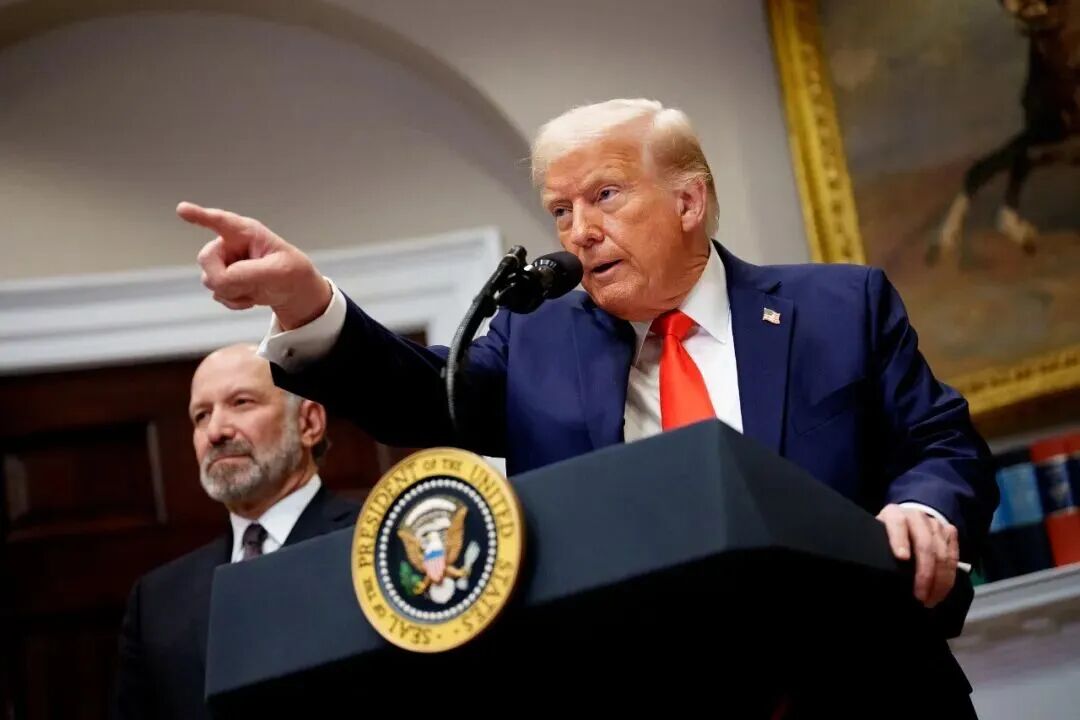
特朗普:很快打击墨西哥境内!宣称不需要国际法 联合国秘书长回应
Mei Ri Jing Ji Xin Wen· 2026-01-10 13:56
Group 1 - The core viewpoint of the article highlights President Trump's announcement of imminent military action against drug cartels in Mexico, indicating a significant escalation in U.S.-Mexico relations [1] - Trump claims that drug cartels are controlling Mexico and are responsible for the deaths of 250,000 to 300,000 people annually within the U.S. [1] - The Mexican President has repeatedly opposed U.S. military actions on Mexican soil, indicating rising tensions between the two nations [1] Group 2 - Analysts interpret Trump's statements as a clear acknowledgment of his worldview, suggesting he believes he can use any military, economic, or political means to reinforce U.S. hegemony [2] - Trump's ideology posits that in international conflicts, the determining factor should be national power rather than laws, treaties, and conventions [2]
特朗普宣称“不需要国际法” 联合国秘书长重申立场
Xin Hua She· 2026-01-10 10:15
Group 1 - The core viewpoint of the articles highlights the tension between U.S. President Trump's disregard for international law and the United Nations Secretary-General's call for member states to respect it [1][2] - Trump's assertion that he operates based on his "personal moral standards" rather than international law indicates a shift towards unilateralism in U.S. foreign policy [1] - The military actions taken by the U.S. against Venezuela, including the forceful capture of President Maduro and his wife, have drawn international criticism for violating Venezuela's sovereignty and international law [2] Group 2 - Trump's comments about the necessity of Greenland to the U.S. further illustrate his administration's aggressive stance on territorial claims and resource acquisition [2] - The international community's response to U.S. actions reflects growing concerns over the implications of U.S. unilateralism and its potential to destabilize global order [2]
特朗普:我不需要国际法,我个人的“道德标准和意志”是唯一限制!他上任不到1年已打7国,下令空袭620次,对没拿诺贝尔和平奖很不满
Mei Ri Jing Ji Xin Wen· 2026-01-09 10:43
Core Viewpoint - The article highlights President Trump's assertion that his personal "moral standards and will" are the only constraints on his military actions globally, dismissing the need for international law [3][4]. Group 1: Military Actions and Global Influence - Trump claims that he can freely use military, economic, or political means to reinforce U.S. hegemony, suggesting that national power should dictate international relations rather than laws or treaties [3]. - Under Trump's administration, the U.S. has conducted military strikes in seven countries, matching the total number of strikes during Obama's eight-year term, with over 620 airstrikes ordered since his second term began [5]. - The U.S. has a historical pattern of military interventions, with 392 recorded since its founding, indicating a trend of increasing military engagement post-1950 [6]. Group 2: Political and Social Implications - Experts warn that the U.S.'s misuse of military force and disregard for international law could lead to regional instability, exacerbating issues like illegal immigration and drug trafficking [6][7]. - The perception of low costs and difficulties associated with military interventions may encourage the Trump administration to pursue more aggressive actions in the future [6]. - Historical analysis suggests that rapid military actions often lead to disastrous outcomes, raising concerns about the long-term political consequences of such interventions [7].
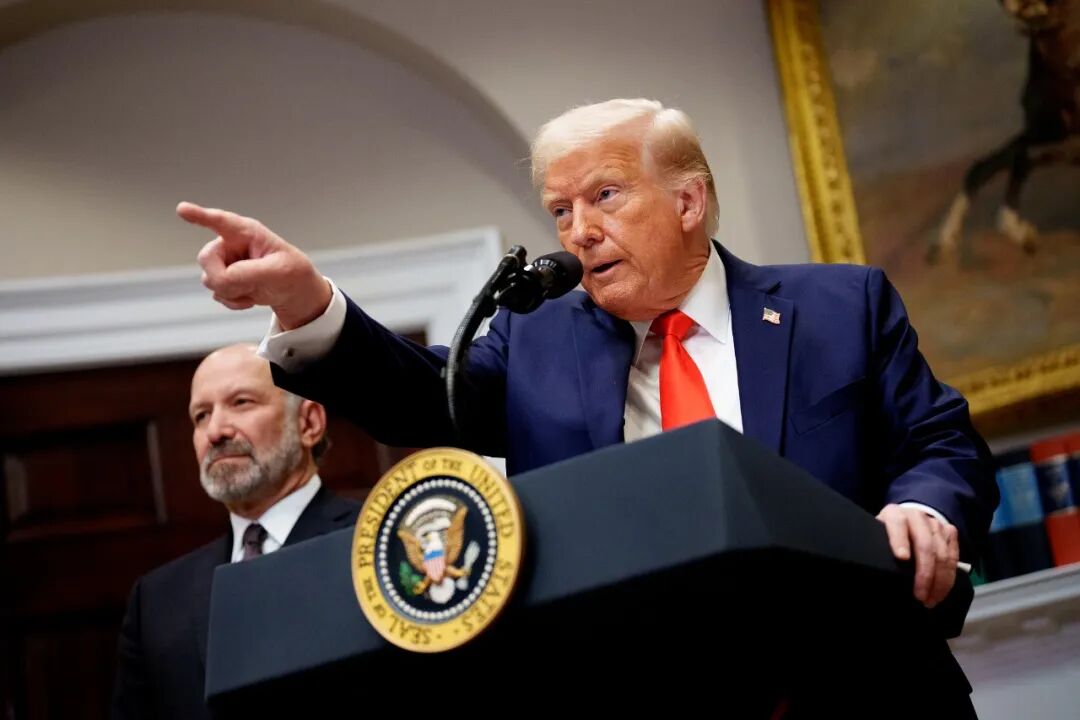
《纽约时报》专访:特朗普宣称其全球权力仅有一个限制:他自己
美股IPO· 2026-01-09 07:08
Core Viewpoint - The article presents Trump's assertion that his power as Commander-in-Chief is only limited by his own morality, dismissing international law and treaties as constraints on his authority [2][4]. Group 1: Trump's Perspective on Power - Trump claims that any limitations on his power should be determined by himself rather than international law or treaties [2]. - He emphasizes that his moral judgment is the only thing that can restrain him, stating, "I don't need international law" [4]. - Trump expresses a belief that national strength should be the decisive factor in international conflicts, rather than legal frameworks or treaties [5]. Group 2: Military and Foreign Policy - Trump acknowledges the existence of domestic constraints but insists on maintaining an unpredictable reputation to coerce other nations [5]. - He cites his administration's military actions, such as the successful strike on Iranian nuclear facilities and the rapid overthrow of the Venezuelan government, as examples of his decisive leadership [6]. - Trump expresses a desire for Greenland to become part of the U.S., viewing it as strategically important and indicative of his worldview [7][9]. Group 3: International Relations and Alliances - Trump criticizes previous administrations for being overly cautious and not fully utilizing U.S. power to achieve political dominance [6]. - He believes that NATO's effectiveness is diminished without U.S. leadership and insists on increased defense spending from NATO allies [9]. - Trump shows indifference towards the expiration of a major nuclear arms control agreement, suggesting that a better deal could be negotiated later [11][12]. Group 4: Domestic Policy and Legal Constraints - Trump indicates that judges only have the authority to limit his domestic policy agenda in "specific circumstances" and is considering ways to circumvent potential legal challenges [13]. - He expresses willingness to deploy military forces domestically if necessary, although he has not felt the need to do so yet [14].