
节能

Search documents
科饶恩门窗董事长王玉亮:以碳塑共生绘蓝图 超低能耗产品践行绿色未来
Sou Hu Cai Jing· 2025-07-11 02:51
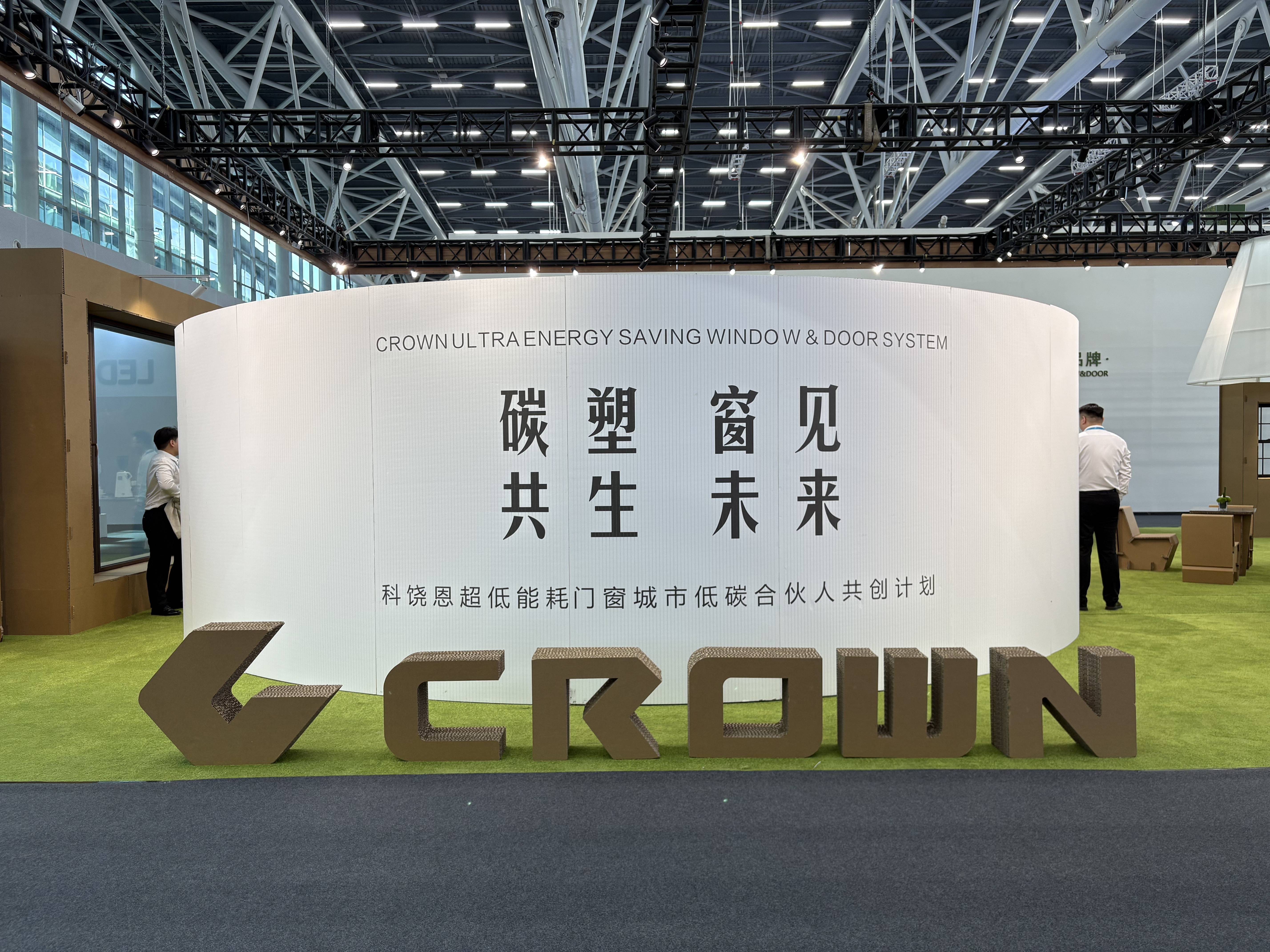
Core Viewpoint - The 27th China Building and Decoration Expo (Guangzhou) showcases the theme "Building Ideal Homes, Serving New Patterns," featuring an exhibition area of 500,000 square meters and nearly 2,000 participating companies, expected to attract over 200,000 professional visitors from home and abroad [1] Group 1: Event Overview - The expo is positioned as a "champion enterprise debut platform," upgraded to focus on three major ecosystems: indoor space, doors and windows, and material intelligence manufacturing, with over 70 high-end activities planned to empower industry development [1] - The event highlights the participation of leading home furnishing brands, exploring trends and strategies in the industry [1] Group 2: Company Insights - The company, 科饶恩, emphasizes its commitment to environmental sustainability through its exhibition theme "Carbon-Plastic Symbiosis, Windows for the Future," advocating for the role of new quality UPVC doors and windows in achieving carbon neutrality [2][6] - The design of the exhibition booth incorporates biodegradable materials, showcasing the company's low-carbon philosophy and commitment to sustainable development [9] Group 3: Product Differentiation - 科饶恩's UPVC doors and windows are designed to withstand various climatic conditions, debunking the myth that they are only suitable for northern regions, with successful projects in extreme environments like Dubai and North America [12] - The company presented its classic passive ultra-low energy series and new products like the ZEW103MD⁺ and ES100MD⁺, which feature large glass sizes and high performance in insulation, soundproofing, and wind resistance, appealing to younger consumers [12] Group 4: Future Industry Trends - The company believes that the future of the industry will revolve around low-carbon and energy-saving solutions, focusing on continuous innovation in ultra-low energy doors and windows [13] - The company's core value lies in making a meaningful contribution to society, maintaining its commitment to the "Carbon-Plastic Symbiosis" path and demonstrating the potential of UPVC doors and windows in energy-efficient construction [15]

国网庆阳供电公司:“e起节电”热力推进 点亮绿色低碳新图景
Zhong Guo Neng Yuan Wang· 2025-07-07 09:46
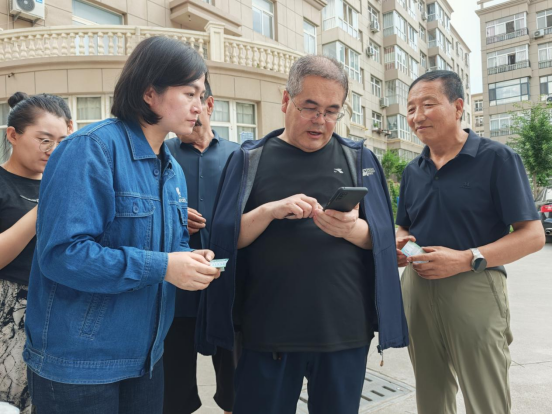
Core Viewpoint - The "e起节电" campaign by State Grid Qingyang Power Supply Company aims to promote energy-saving practices among residents, schools, and businesses, fostering a culture of green and low-carbon living [1][5]. Group 1: Campaign Activities - The campaign includes on-site promotions in supermarkets and residential areas, educating citizens on energy-saving tips such as turning off set-top boxes and setting air conditioning to 26 degrees Celsius for optimal efficiency [3][4]. - The "e起节电" feature on the "Online State Grid" app allows users to register for the campaign, track their electricity usage, and identify areas for energy savings [3][4]. - The company utilizes online platforms like WeChat and social media to broaden the reach of the campaign, ensuring more users are informed about energy-saving practices [3][4]. Group 2: Target Audience - The campaign is not limited to residents; it also extends to schools and businesses, where energy-saving knowledge competitions and lectures are held to instill energy awareness in students and assist companies in optimizing their electricity usage [4][5]. - The initiative aims to create "little energy savers" among children who can influence their families towards energy conservation [4]. Group 3: Future Plans - The company plans to continue the "e起节电" campaign, transforming it from a temporary initiative into a long-term commitment to energy conservation, thereby contributing to sustainable urban development [5].
江苏华辰: 江苏华辰变压器股份有限公司章程(2025年6月)
Zheng Quan Zhi Xing· 2025-06-20 10:50
General Provisions - Jiangsu Huachen Transformer Co., Ltd. is established as a joint-stock company based on Jiangsu Huachen Transformer Co., Ltd. and registered with the Xuzhou Administrative Approval Bureau [1] - The company was approved by the China Securities Regulatory Commission to issue 40 million A-shares, which were listed on the Shanghai Stock Exchange on May 12, 2022 [1][3] - The registered capital of the company is RMB 164.435 million [2][9] Business Objectives and Scope - The company's business objective is to expand production scale, improve product quality, and pursue sustainable development and mutual benefits [3] - The business scope includes technology import and export, power facility installation and maintenance, manufacturing of transformers and related equipment, and various energy-related services [4] Shares - The total number of shares issued by the company is 164,435,000, all of which are ordinary shares [9] - The company adheres to principles of fairness and transparency in share issuance, ensuring equal rights for all shareholders [15] Shareholder Rights and Responsibilities - Shareholders have rights to dividends, voting, and participation in company decisions, and must comply with laws and the company's articles of association [16][18] - Shareholders are obligated to pay for their subscribed shares and cannot withdraw their capital except as legally permitted [23] Shareholder Meetings - The company holds annual shareholder meetings within six months after the end of the previous fiscal year [48] - Shareholder meetings can be called by the board of directors or by shareholders holding more than 10% of the shares [49][54] Governance and Compliance - The company must ensure compliance with laws and regulations, and protect the rights of minority shareholders [16][25] - The board of directors is responsible for reporting to shareholders on its performance and decisions during the annual meeting [74]

全球光管套件市场前8强生产商排名及市场占有率
QYResearch· 2025-06-18 09:25
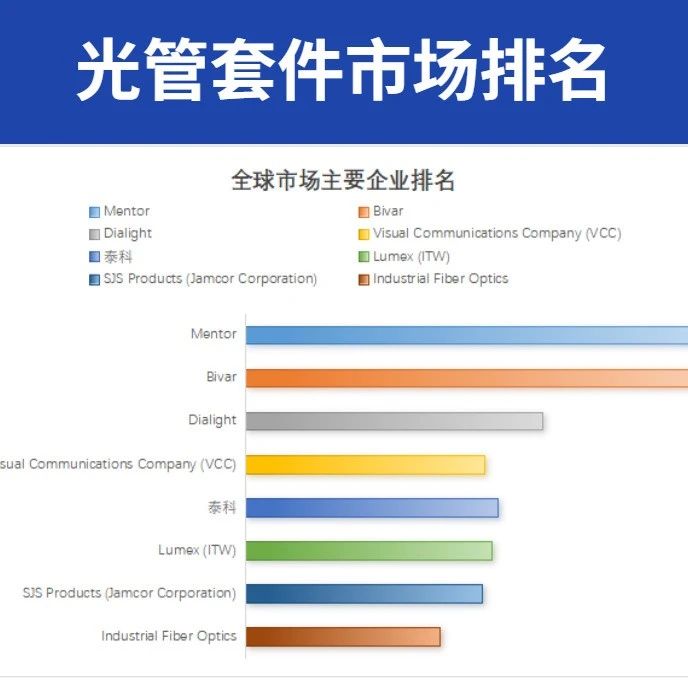
Core Insights - The global light guide tube market is projected to reach $180 million by 2031, with a compound annual growth rate (CAGR) of 5.2% in the coming years [1][10]. Market Overview - The top eight manufacturers in the global light guide tube market hold approximately 51% of the market share, with key players including Mentor, Bivar, Dialight, and Visual Communications Company (VCC) [3][5]. - Rigid light guide tubes dominate the market, accounting for about 51% of the total market share [7][10]. - The industrial sector is the largest downstream market, representing approximately 26% of the demand for light guide tubes [9][10]. Driving Factors - The pursuit of sustainability and energy efficiency is a major driver for the light guide tube market, as these optical components efficiently transmit light and minimize energy loss, making them ideal for low-power lighting applications [10][15]. - The integration of LEDs with light guide tubes enhances energy-saving effects, potentially reducing power consumption by up to 40% compared to traditional lighting systems [10][15]. Challenges - High costs associated with precision manufacturing and specialized materials pose significant challenges for the light guide tube market. Advanced optical-grade polymers and coatings require strict quality control, increasing production costs [14][15]. Opportunities - Technological innovation is a key factor driving the development of the light guide tube market, with manufacturers introducing more efficient and durable LED technologies [15][16]. - Government policies supporting LED lighting products through subsidies and tax incentives are crucial for market growth, as they lower consumer costs and enhance market acceptance [15][16].
京能热力(002893) - 2025年5月29日投资者关系活动记录表
2025-05-29 11:28
Group 1: Supply Chain and Pricing - The primary raw material for heating in Beijing is natural gas, with the main supplier being Beijing Gas Group Co., Ltd. The payment method is a prepaid card system, similar to residential natural gas purchases. The heating price is government-regulated, with a rigid pricing structure for residents and a subsidy policy that adjusts based on fuel price fluctuations [2][3]. Group 2: Energy Efficiency and Technological Upgrades - The company is focusing on energy-saving, green, and carbon-reduction technology upgrades. This includes the development of smart heating management systems, which enhance efficiency through data analysis and optimization of operations [3]. - The company is also engaged in comprehensive energy supply and cooling applications, with projects like the Zhongguancun Life Science Park Phase III and the Zhuxinzhuang Comprehensive Energy Utilization Center, which aim to diversify energy services and strengthen core competitiveness [3]. Group 3: Market Value Management - The company plans to enhance market value management through cash dividends, equity incentives, and mergers and acquisitions, focusing on value creation and improving the company's fundamentals [4]. - Strategies include effective communication with investors and timely information disclosure to boost investor confidence and company image [4]. Group 4: Competition and Future Development - Following the acquisition by Jingneng Group, the company is addressing potential competition by committing to resolve any conflicts within 60 months, ensuring compliance with legal standards [4]. - Future goals include exploring various renewable energy heating methods and expanding market presence both within and outside Beijing, targeting economically developed areas for better market efficiency [4].

京能热力(002893) - 2025年5月29日投资者关系活动记录表
2025-05-29 10:56
Group 1: Supply and Pricing - The primary raw material for heating in Beijing is natural gas, with the main supplier being Beijing Gas Group Co., Ltd. The payment model is similar to a prepaid card system for residents [1] - The heating price in Beijing is government-regulated, with a rigid pricing structure for residential heating and a subsidy policy that adjusts based on fuel price fluctuations [2] Group 2: Energy Efficiency and Technology Upgrades - The company is enhancing energy efficiency through smart heating management, optimizing the entire heating system from sources to user terminals, and establishing a data-driven command center [2] - Ongoing projects include comprehensive energy applications, such as the Zhongguancun Life Science Park Phase III and the Zhuxinzhuang Comprehensive Energy Utilization Center, which aim to diversify energy services and strengthen core competitiveness [2] Group 3: Market Value Management - The company plans to utilize cash dividends, equity incentives, and mergers to enhance market value, focusing on value creation and improving the company's fundamentals [3] - Active communication with investors through various platforms is emphasized to convey positive signals and boost investor confidence [3] Group 4: Competition and Future Development - The company is addressing potential competition from subsidiaries of Jingneng Group, with a commitment to resolve any conflicts within 60 months of acquiring control [3] - Future goals include exploring various renewable energy heating methods, expanding market presence both within and outside Beijing, and leveraging capital platforms for financing [3]
【能源广角】谈谈节能产业的生意经
Sou Hu Cai Jing· 2025-05-27 09:21
Core Viewpoint - The energy-saving industry is poised to become a trillion-yuan market, with the Chinese government targeting a scale of approximately 15 trillion yuan by 2030, emphasizing the importance of energy efficiency for sustainable development and international competitiveness [2][3]. Group 1: Market Potential - China is the world's largest energy consumer, with energy intensity 1.5 times the global average and 2 to 3 times that of developed countries, indicating significant potential for energy-saving initiatives [3]. - If energy efficiency in China were to reach that of developed countries, it could save at least half of the current energy consumption annually, leading to substantial reductions in pollutant emissions [3]. - The energy-saving and environmental protection industry is expected to create new economic growth points, driven by the urgent need for energy efficiency improvements across various sectors, including industry, construction, and transportation [3][4]. Group 2: Policy Support - The national "carbon peak" action plan includes energy-saving and carbon reduction initiatives, with numerous policies introduced to support the development of the energy-saving industry [3][6]. - The ongoing release of policy dividends and deepening energy market reforms are anticipated to generate more opportunities within the energy-saving sector [3]. Group 3: Industrial Focus - The industrial sector presents the greatest potential for energy-saving advancements, as it is a significant contributor to energy consumption and carbon emissions [4]. - Key areas for energy efficiency improvements in industry include waste heat recovery, motor upgrades, and intelligent control of air conditioning systems [5]. Group 4: Urbanization and Energy Efficiency - Urbanization is identified as a major area for energy-saving potential, with estimates suggesting that a 1% increase in urbanization could lead to an additional 60 million tons of standard coal consumption [5]. - Despite rapid growth in building area, energy-efficient buildings remain a small proportion, and there is a significant gap in energy-saving standards compared to developed countries [5]. Group 5: Systematic Approach - The energy-saving service sector is transitioning from single measures to comprehensive energy services, integrating advanced technologies and digital solutions to enhance energy utilization across various fields [5][6]. - A systematic approach to energy-saving is necessary, requiring collaboration among various stakeholders to overcome existing challenges and promote a culture of energy conservation [6].
亚太科技(002540) - 2025年5月8日业绩说明会
2025-05-09 08:00
Financial Performance - The company achieved a revenue of CNY 7,432,576,105.61 in 2024, representing a year-on-year growth of 4.53% [4] - The net profit attributable to shareholders was CNY 462,883,318.15, with a net profit excluding non-recurring gains and losses of CNY 442,822,551.89 [4] - The company plans to distribute a cash dividend of CNY 2.00 per 10 shares, totaling CNY 247,136,126.80 [2] Strategic Development - The company aims to capture opportunities in high-end aluminum applications in sectors such as automotive, aerospace, marine engineering, and new energy [3] - A long-term development strategy is in place to enhance global market share and improve product offerings [3] - The company is focusing on technological innovation and optimizing product structure to build core competitiveness [6] Market Position and Industry Outlook - The company is a key supplier in the global automotive thermal management and lightweight system components market [8] - The automotive industry is undergoing a transformation towards efficiency, cleanliness, and smart technology, presenting new opportunities [8] - The company is positioned to leverage its advantages in automotive thermal management and lightweight materials to capitalize on industry trends [8] Challenges and Responses - The company faced delivery challenges due to reduced capacity from a subsidiary, which reported a revenue decline of 16.45% [7] - Ongoing projects include a high-performance aluminum alloy project and several automotive component manufacturing initiatives [7] - The company is actively working on enhancing its production capabilities to mitigate the impact of capacity reductions [5]
