
防止返贫致贫

Search documents
这5年织起一张全方位防止返贫致贫“安全网” 帮扶政策不会“急刹车”
Yang Shi Wang· 2025-12-31 05:34
Core Viewpoint - The year marks the conclusion of the "14th Five-Year Plan" and the final year of the transitional period for consolidating poverty alleviation achievements and effectively connecting with rural revitalization [1] Group 1: Poverty Alleviation Achievements - Over 7 million monitoring subjects have been identified and assisted, effectively eliminating the risk of returning to poverty [1] - The total output value of industries in poverty-stricken counties has exceeded 1.7 trillion yuan [1] - Rural residents in poverty-stricken counties have seen their per capita disposable income growth rate exceed the national rural average for four consecutive years [1] Group 2: Financial Investments and Infrastructure - A total of 850.5 billion yuan has been allocated by the central government for rural revitalization support funds over the past five years [1] - Infrastructure and public service levels in poverty-stricken areas have been significantly improved, including transportation, water conservancy, telecommunications, education, health, and culture [1] Group 3: Future Support Policies - The support policies will not come to an abrupt halt as the transitional period ends; instead, they will be integrated into the rural revitalization strategy [1] - The central economic work conference emphasized maintaining a baseline to prevent large-scale returns to poverty and encouraging efforts to create a better life [1]
中央明确过渡期后要健全常态化帮扶政策,接续支持欠发达地区
2 1 Shi Ji Jing Ji Bao Dao· 2025-12-30 07:57
Core Viewpoint - The central rural work conference highlighted the transition to a normalized support phase for rural revitalization starting in 2026, emphasizing the importance of consolidating poverty alleviation achievements and preventing large-scale poverty recurrence [1][2]. Group 1: Policy Framework - The conference emphasized the need to integrate normalized support into the rural revitalization strategy, marking a shift from concentrated efforts to a long-term mechanism for poverty alleviation [1][2]. - A key task for 2026 is to ensure that policies remain uninterrupted and support does not weaken after the transition period, aiming for deep integration of poverty alleviation and rural revitalization [2][3]. Group 2: Implementation Strategies - The focus will be on establishing a stable policy framework post-transition, maintaining overall stability in fiscal input, financial support, and resource allocation while optimizing for effectiveness [3]. - Support for underdeveloped areas will be prioritized, with a focus on fostering local industries and improving rural infrastructure and public services to reduce urban-rural development gaps [3]. - A monitoring system for poverty prevention will be established to ensure timely and precise assistance, with tailored support for different population segments based on their capabilities [3].
一把钥匙开一把锁
Ren Min Ri Bao· 2025-12-29 08:34
Core Viewpoint - The article emphasizes the importance of "precision" in consolidating and expanding the achievements of poverty alleviation and effectively connecting it with rural revitalization during the final year of the 14th Five-Year Plan [4][5]. Group 1: Achievements and Practices - The past five years have seen significant progress in poverty alleviation, with various regions implementing innovative practices to identify and mitigate risks of returning to poverty [4]. - Jiangxi's Tonggu County has utilized new technologies to create a monitoring network that accurately identifies risks, leading to early intervention and support [4]. - Gansu's Weiyuan County has transformed local resources, such as potatoes, into economic advantages, showcasing effective resource utilization [4]. - Zhejiang and Sichuan have developed the "Blue Eagle Project" to align enterprise needs with employment supply, demonstrating targeted support strategies [4]. Group 2: Precision Poverty Alleviation Strategy - The "precision poverty alleviation" concept, introduced in 2013, has led to a systematic approach that includes six precise measures and five key support strategies, resulting in the complete eradication of rural poverty by the end of 2020 [5]. - The central government has established a five-year transition period to ensure the sustainability of poverty alleviation results and their integration with rural revitalization [5]. - The precision approach has gained international recognition, with measures like "registration and filing" and "village-based cadres" being adopted by other countries [5]. Group 3: Future Directions - The upcoming 15th Five-Year Plan emphasizes the need for a regular mechanism to prevent the return to poverty, maintaining a focus on precision in support efforts [5][6]. - The article advocates for the use of advanced information technology to enhance monitoring and support processes, ensuring that assistance is tailored to individual needs [6]. - Long-term development in poverty-stricken areas requires leveraging local resources and improving infrastructure to foster new industries and economic growth [6][7].

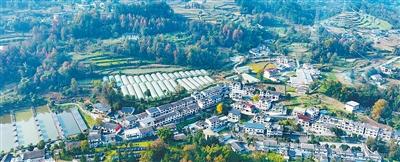
五年过渡期收官之际的回望与展望(乡村观察·过渡期这五年)
Ren Min Ri Bao· 2025-12-29 02:55
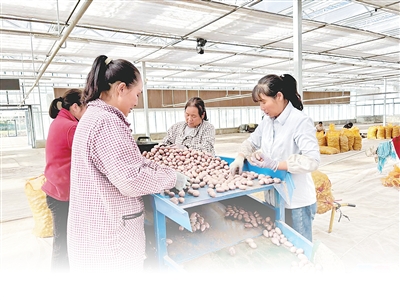
Group 1: Agricultural Development in Gansu - Gansu Province's Weiyuan County is focusing on potato seed breeding, enhancing the entire potato industry chain from seed to product [7][8] - The county has established a model involving "enterprise + cooperative + farmer + base," which has led to increased participation from farmers and improved efficiency in potato cultivation [7][8] - The potato industry in Weiyuan is expected to generate a total output value of 4.4 billion yuan this year, showcasing significant economic potential [8] Group 2: Poverty Alleviation and Support Systems in Jiangxi - Jiangxi Province has implemented a monitoring and support system to prevent poverty, which utilizes big data and cloud computing for timely intervention [5][6] - The system has successfully identified and assisted 613 households at risk of falling back into poverty, with various support measures including increased medical insurance coverage and educational subsidies [5][6] - The county's approach includes a focus on skill training and sustainable development to enhance the self-sufficiency of vulnerable households [6] Group 3: Employment and Skill Development Initiatives - The "Blue Eagle Project" in Zhejiang and Sichuan provinces aims to connect industry needs with local labor resources, providing vocational training and job placement for students [18][20] - The project has established partnerships between educational institutions and businesses, resulting in over 250,000 job opportunities for students in Sichuan [20] - The initiative emphasizes practical training and skill acquisition, enabling graduates to secure employment in high-demand sectors [19][20]
鼓足干劲儿创造美好生活!2025“三农”答卷已交卷!请阅↓
Yang Shi Wang· 2025-12-26 02:44
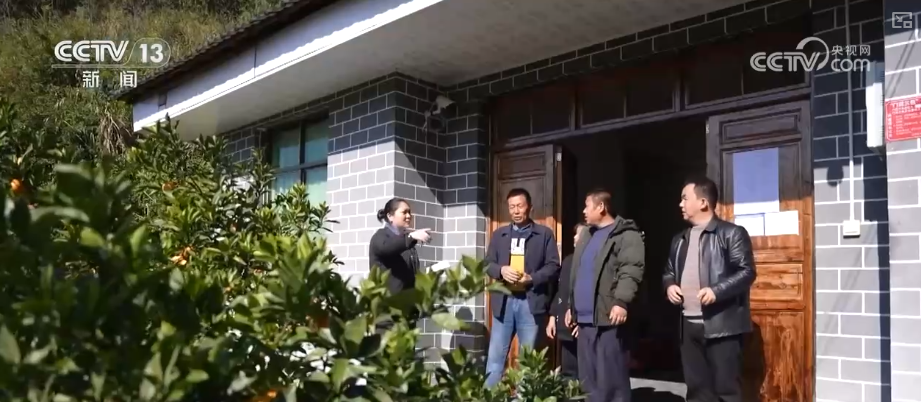
就业保得准!5年来,脱贫人口务工就业规模一直稳定在3000万人以上。通过东西部劳务协作、公益性岗位安置、就业帮扶车间吸纳等多元渠 道,脱贫群众实现"家门口就业"或"稳岗外出务工",就业质量与收入水平同步提升。 收入涨得稳!脱贫群众的"钱袋子"持续鼓起来,脱贫县农村居民人均可支配收入从2020年的12588元增长至2024年的17522元,增速连续4年高 于全国农村平均水平。 发展后劲强!5年来,中央财政专门安排衔接推进乡村振兴补助资金,累计投入8505亿元,重点支持160个国家乡村振兴重点帮扶县、3.5万个 易地搬迁集中安置区发展,脱贫地区的交通、水利、电讯、教育、卫生、文化等基础设施和公共服务水平进一步提升。 央视网消息:2025年是巩固拓展脱贫攻坚成果同乡村振兴有效衔接5年过渡期的收官之年。5年来,我国牢牢守住了不发生规模性返贫致贫底 线,脱贫群众生产生活水平稳步提升,脱贫地区发展活力持续增强。《2025"三农"答卷》,首先来看一份来自脱贫地区的"成绩单"。 底线守得牢!过渡期以来,我国织起一张全方位防止返贫致贫的"安全网"。截至9月底,累计识别帮扶超过700万监测对象稳定消除返贫致贫风 险,剩下的也都有 ...
“脱贫的兜底必须是固若金汤的”——脱贫地区五年过渡期观察
Ren Min Ri Bao· 2025-12-25 00:41
"这5年,生活美得就像花儿一样!" "对退出的贫困县、贫困村、贫困人口,要保持现有帮扶政策总体稳定,扶上马送一程。" "要持续推动同乡村振兴战略有机衔接,确保不发生规模性返贫,切实维护和巩固脱贫攻坚战的伟大成 就。" 进入过渡期以来,习近平总书记每年都深入脱贫地区考察,作出一系列重要指示,谆谆嘱托饱含着"让 乡亲们过好光景"的深厚情怀,彰显了中国共产党人"咬定青山不放松"的坚定执着。 牢记嘱托,接续奋斗。5年来,各地区各部门认真落实"四个不摘"要求,持续加大政策支持和帮扶力 度,架起通向乡村全面振兴的"衔接之桥"。脱贫地区广大干部群众真抓实干、埋头苦干,巩固拓展脱贫 攻坚成果,衔接推进乡村全面振兴,脱贫群众的生活芝麻开花节节高。 中国的成功实践向全世界充分证明,贫困不仅是可以战胜的,而且是可以阻断、不再复发的。 2020年5月,她告别大凉山深处那个曾让习近平总书记"感到很揪心"的"悬崖村",通过易地搬迁住进了 沐恩邸社区的楼房,并顺利脱贫。自己在刺绣工坊上班,女儿上学就在家门口,看病15分钟就能到县医 院……惹记伍果动情地说:"共产党瓦吉瓦(好得很),总书记卡沙沙(谢谢您)!" 如何巩固拓展脱贫攻坚成果,衔接 ...
邢善萍到商洛市丹凤县督导调研巩固衔接工作
Shan Xi Ri Bao· 2025-12-12 00:57
12月11日,省委副书记邢善萍到商洛市丹凤县督导调研巩固衔接工作,强调要深入学习贯彻习近平 总书记关于"三农"工作的重要论述,认真落实省委十四届九次全会部署,坚持目标导向和问题导向,强 化责任意识和系统观念,巩固拓展脱贫攻坚成果,扎实推进乡村全面振兴。 邢善萍来到棣花镇许家塬村,听取葡萄种植面积、品种介绍,了解丹凤葡萄酒生产工艺、销售情 况,鼓励当地激活底蕴、做强品牌,推动全产业链发展,在更大范围发挥带动作用。在龙驹寨街道小岭 村,邢善萍检查监测帮扶工作开展情况,要求做实动态监测、精准帮扶,确保防止返贫致贫在"最后一 米"落地见效。凤冠社区是丹凤县规模最大的易地扶贫搬迁安置区,邢善萍察看社区治理、就业帮扶工 作,走进群众家中了解生产生活情况,强调要以发展劳动密集型产业、有组织劳务输出、技能培训等促 进就业,完善公共服务和物业管理,更好促进群众乐业安居。 调研中,邢善萍主持召开座谈会,了解工作推进情况,听取基层意见建议,强调要做好常态化监测 帮扶,提升"三保障"和饮水安全保障水平,坚决守牢不发生规模性返贫致贫底线。要坚持兴业、强县、 富民一体发展,做大做强县域首位产业,完善联农带农机制,不断夯实群众稳定增收基础 ...
今年前三季度脱贫县农村居民人均可支配收入快于全国农村
Nan Fang Nong Cun Bao· 2025-12-11 07:01
Core Insights - The per capita disposable income of rural residents in poverty-stricken counties reached 13,158 yuan in the first three quarters of 2025, with a real growth rate of 6.5%, which is 0.5 percentage points faster than the national rural growth rate [2][3][4] - The average annual real growth rate since the transition period is 7.8%, exceeding the national rural average growth rate by 0.9 percentage points [3][4] Group 1 - 2025 marks the final year of the transition period for consolidating and expanding poverty alleviation achievements and effectively connecting with rural revitalization [5] - Agricultural and rural departments are implementing policies to maintain stability in support measures, ensuring that no large-scale return to poverty occurs [6][7] - Over 7 million monitoring objects have been identified for assistance, effectively eliminating the risk of returning to poverty [9] Group 2 - The education, medical care, housing, and drinking water security levels for the poverty-stricken population continue to improve [10] - The dropout rate for students in compulsory education among monitored households remains at zero, and the basic medical insurance coverage rate for the poverty-stricken population is stable at over 99% [11] - Rural housing reconstruction and anti-seismic measures are progressing steadily, with the rural tap water coverage rate reaching 94% [12] Group 3 - All 832 poverty-stricken counties have developed 2-3 leading industries with distinct advantages and strong driving forces [13] - Nearly three-quarters of the poverty-stricken population have established benefit-sharing mechanisms with new agricultural management entities [14] - The employment scale of the poverty-stricken population remains stable at over 30 million, ensuring that more than two-thirds of the income for poverty-stricken families is maintained [15][16] Group 4 - The Ministry of Agriculture and Rural Affairs indicates that the consolidation and expansion of poverty alleviation achievements will transition into a normalized assistance phase [17][18] - The focus will be on precise measures and integrating normalized assistance into the rural revitalization strategy [19][20]

突出重点扎实推进乡村全面振兴
Jing Ji Ri Bao· 2025-11-20 00:41
Core Viewpoint - The implementation of the rural revitalization strategy is a significant decision made by the Central Committee of the Communist Party of China, focusing on modernizing agriculture and rural areas to better promote Chinese-style modernization [1] Group 1: Agricultural Supply and Security - The central government emphasizes enhancing the supply guarantee capacity for grain and important agricultural products, with a projected grain output of over 1.4 trillion jin in 2024, achieving a per capita grain availability of 500 kg, surpassing the international safety line of 400 kg [1] - The government aims to ensure basic self-sufficiency in grains and absolute safety in staple food amidst various challenges, including international dynamics and resource constraints [1] Group 2: Agricultural Technology and Productivity - Focus on improving seed and arable land management, promoting collaboration between research and application to enhance breeding results and land quality [2] - The agricultural labor productivity is significantly lower than non-agricultural sectors, with the primary industry accounting for 22.2% of employment but only 6.8% of GDP in 2024, indicating a need for reform and modernization [3] Group 3: Rural Development and Integration - The strategy emphasizes urban-rural integration to address the imbalance in development, with a focus on enhancing public services and infrastructure in rural areas [5][6] - Establishing a regular assistance mechanism for low-income rural populations and underdeveloped regions to prevent large-scale poverty [6][7] Group 4: Resource Allocation and Talent Development - The need for systematic thinking in resource allocation to enhance the efficiency of financial resources and ensure land use for key projects [7][8] - Emphasis on cultivating rural talent and attracting skilled individuals to support the revitalization efforts, highlighting the importance of human resources in rural development [8]
马建堂:突出重点扎实推进乡村全面振兴
Jing Ji Ri Bao· 2025-11-20 00:06
Core Viewpoint - The implementation of the rural revitalization strategy is a significant decision made by the central government, focusing on modernizing agriculture and rural areas to better promote Chinese-style modernization [1] Group 1: Agricultural Supply and Security - The central government emphasizes the importance of food security, aiming for a grain output of over 1.4 trillion jin in 2024, with per capita grain availability reaching 500 kg, surpassing the international safety line of 400 kg [1] - The government aims to ensure stable production and supply of food and important agricultural products amidst various challenges, including international dynamics and resource constraints [1] Group 2: Seed and Land Management - The strategy focuses on enhancing seed and land management, promoting collaboration between research and application to ensure timely transformation of breeding results [2] - A three-pronged protection system for land quantity, quality, and ecology is to be established, ensuring no reduction in arable land while improving its quality and ecological health [2] Group 3: Agricultural Productivity and Competitiveness - The agricultural labor productivity in China is significantly lower than that of non-agricultural sectors, with the primary industry accounting for 22.2% of employment but only 6.8% of GDP in 2024 [3] - Continuous reforms are necessary to enhance agricultural productivity, including promoting moderate-scale operations and improving land transfer rates [3] Group 4: Urban-Rural Integration - The strategy aims to address the imbalance between urban and rural development, recognizing the need for a unified economic structure while considering China's unique conditions [5] - Enhancing public services and infrastructure in rural areas is crucial for supporting population flows and improving living standards [5] Group 5: Poverty Alleviation and Support Mechanisms - A permanent support system for low-income rural populations and underdeveloped areas is to be established to prevent large-scale poverty [6] - The integration of monitoring systems for poverty prevention and low-income population support is essential for effective intervention [6] Group 6: Resource Allocation and Talent Development - Efficient use of financial resources is emphasized, ensuring funds are directed to the most urgent needs in rural revitalization projects [7] - Talent cultivation and attraction are critical for rural revitalization, with a focus on supporting local talent and facilitating the movement of professionals to rural areas [7]