智慧医疗

Search documents
山东移动云赋能 绘就医疗智慧化新蓝图
Qi Lu Wan Bao· 2025-06-13 01:41
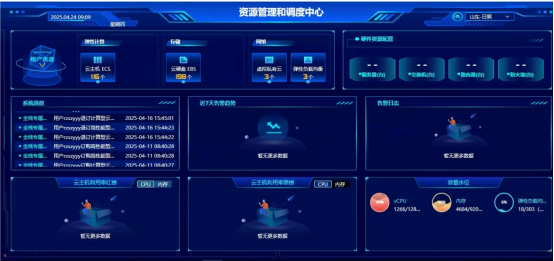
Core Insights - The smart healthcare industry in China is rapidly developing, leveraging innovative models to enhance the convenience of medical services and the precision of health management [1] - Shandong Mobile is significantly advancing medical information cloud construction, integrating cutting-edge technologies like cloud computing, 5G, and AI to support the digital transformation of healthcare [1][8] Group 1: Medical Service Cloud - Shandong Mobile has built an intelligent medical service cloud platform for Rizhao Traditional Chinese Medicine Hospital, utilizing a "one cloud, two platforms" architecture to ensure efficient data flow and secure storage [1][2] - The platform integrates core business systems such as HIS, PACS, and LIS, breaking down information silos and improving overall hospital operational efficiency [1] - The application layer covers various medical services, providing a seamless experience for patients through online and offline processes [1] Group 2: Imaging Cloud - Shandong Mobile is actively involved in the construction of imaging cloud platforms for both individual and regional hospitals, enhancing the efficiency of medical imaging services [4] - The imaging cloud platform enables interconnectivity of imaging data, allowing real-time access to cross-hospital information and facilitating remote diagnosis and consultations [4] - The integration of AI technology into the imaging cloud platform improves diagnostic accuracy and efficiency, while also serving as a foundation for big data analysis in healthcare [4] Group 3: Domestic Innovation Cloud Platform - Shandong Mobile has developed a fully domestic innovation cloud platform for Weifang Health Commission, focusing on "domestic adaptation and secure autonomy" [5] - This platform represents the first instance of 100% domestic practice in the medical information field, overcoming key technical challenges related to distributed storage and cross-platform transmission [5] - The platform features a comprehensive security architecture that meets financial-grade protection standards, ensuring the safety of sensitive medical data [5][6] Group 4: Future Outlook - Shandong Mobile aims to continue leveraging its technological advantages to drive further innovations in medical service models, enhancing service quality and optimizing resource allocation [8] - The company is committed to contributing to the health rights of patients and advancing the healthcare industry towards a smarter, more efficient, and secure future [8]

全国首支!养老科创产业基金来了
FOFWEEKLY· 2025-06-12 09:59
Group 1 - The establishment of China's first pension technology innovation fund by China Construction Bank Group's subsidiary, Jianxin Investment, in collaboration with Shanghai Dalinghao Bay Investment Development Group [1] - The fund aims to support the development of hard technology in the pension sector and smart medical applications, creating a comprehensive support system for companies at all stages from startup to maturity [1] - The initiative emphasizes the role of state-owned capital in leading the way, focusing on long-term investment and addressing the needs of the aging population through innovative financial services [1] Group 2 - China Construction Bank Group plans to leverage its comprehensive operational advantages to provide extensive financial support for the construction of Shanghai's "five centers" and the upgrade of the pension technology industry [1] - The strategy includes innovative mechanisms such as "investment-loan linkage" and "integration of government, industry, academia, research, and application" to facilitate the transformation of the pension industry towards intelligence, digitization, and industrialization [1] - The initiative aims to position China at the forefront of global pension technology solutions in response to the challenges of an aging society [1]

厦门办好群众身边事
Jing Ji Ri Bao· 2025-06-11 00:50
Group 1 - Xiamen has prioritized the implementation of the central eight regulations, focusing on addressing grassroots and public issues through concentrated rectification efforts [1] - A total of 2,805 issues were identified, with 4,860 corrective measures formulated, demonstrating a systematic approach to problem-solving [1] - Key areas of focus include alleviating pressure on grassroots reception and addressing issues related to elderly care, campus meals, property management, and medical insurance [1] Group 2 - The healthcare sector is a significant focus, with the Xiamen Health Commission implementing seven specific measures to optimize medical services [2] - Initiatives include the "Thousand Doctors Down to the Community" program, improving access to quality medical resources for residents [2] - The introduction of a "credit medical" model has reduced average waiting times for patients by 35 minutes, enhancing the overall healthcare experience [2] Group 3 - The satisfaction rate for school meal services in Xiamen reached 94.5%, indicating positive feedback from the community [3] - Approximately 20 million yuan in overdue village collective asset rents has been recovered, showcasing effective financial management [3] - The launch of an online refund feature for outpatient prepayments has been well-received, improving convenience for the public [3]
云迹科技探路医疗物流:机器人如何从酒店“走”进医院?
Zheng Quan Ri Bao· 2025-06-10 17:26
Core Insights - The article discusses the expansion of service robots from hotel logistics to the healthcare sector, highlighting the implementation of delivery robots in hospitals in Hong Kong, which enhance safety and service quality in medical logistics [1][2]. Company Overview - Cloudwalk Technology Co., Ltd. (云迹科技) is a leading enterprise in the hotel scene robotics sector, producing various robotic products and offering modular chassis solutions for partners, enabling flexibility in applications [2]. - The company has established a Hong Kong subsidiary and a research center at Hong Kong Polytechnic University, focusing on AI technology in robotics [3]. Market Trends - There is a growing demand for automation in Hong Kong's healthcare system, driven by the Hospital Authority's push for smart logistics, particularly for lightweight delivery robots [1][3]. - The logistics challenges in hospitals, such as high sample volume and safety requirements, create a significant opportunity for robotic solutions to alleviate pressure on medical and logistics staff [2]. Technological Advancements - The medical logistics robots utilize advanced technologies like ultrasonic laser radar and vision systems for obstacle detection and navigation, with future enhancements planned for traceability and identity recognition [2]. - The design of the robots allows for adaptability based on the size and weight of the items being transported, making them suitable for various departments within hospitals [2]. Strategic Partnerships - Cloudwalk Technology has signed a strategic cooperation agreement with Nodabot Technology Co., Ltd. (诺达机器人) to jointly develop and promote robotic solutions in the healthcare sector [1][3]. - The collaboration combines Cloudwalk's technological expertise with Nodabot's local market insights, aiming to replicate successful pilot projects in Hong Kong [3]. Financial Performance - Cloudwalk Technology has shown rapid revenue growth, with projected revenue of 245 million yuan in 2024, representing a year-on-year increase of 68.6%, and a compound annual growth rate of 23.2% from 2022 to 2024 [3]. - The company has improved its financial metrics significantly, with a compound annual growth rate of 65.7% in adjusted net loss reduction from 2022 to 2024, indicating enhanced commercialization capabilities [3].

从“设备服务”到“专病赋能”生态建设夯实竞争实力 一脉阳光加速全球市场布局
Zheng Quan Shi Bao Wang· 2025-06-06 01:02
Core Viewpoint - The company is undergoing a comprehensive strategic transformation from traditional imaging services to "smart imaging + data ecology + internationalization" driven by the surge in global health demand and advancements in AI and big data technologies [1] Group 1: Business Model and Services - The company has established a complete medical imaging ecosystem through three main business segments: "imaging center services + imaging solution services + Yimai Cloud services," aiding hospitals in achieving precise medical upgrades [1] - By the end of 2024, the company will operate 106 imaging centers across 16 provinces in China, forming a robust business system [1] Group 2: Collaborations and Partnerships - The company is advancing digital transformation and intelligent upgrades in the medical imaging field through deep collaborations with major firms like Huawei, signing comprehensive cooperation agreements to focus on medical imaging [2][3] - Strategic partnerships have been formed with various entities, including a collaboration with iFlytek Medical to explore joint market development and AI diagnostic model research [2][3] Group 3: Market Position and Opportunities - The Chinese medical imaging market has surpassed 100 billion, with uneven distribution of imaging resources in public hospitals, creating opportunities for the company to empower county hospitals and optimize resource utilization [4] - The company is expanding into specialized markets such as neurodegenerative diseases and early cancer screening, which are experiencing rapid growth in demand for high-precision imaging [4] Group 4: International Expansion - The company has established a solid foundation for internationalization through years of experience and brand influence in the domestic market [5] - A strategic partnership was formed with Hong Kong Medical Health to create a "central procurement + global distribution" supply chain platform, marking a significant step towards global expansion [5][6] - The company has set up an overseas division in 2024, targeting regions such as Hong Kong, Macau, Southeast Asia, the Middle East, and Africa, aiming to build a global business network [6]
推动大健康产业跃升,上海积极推动人工智能赋能生命健康领域
Zhong Guo Jing Ji Wang· 2025-06-03 02:01
Core Insights - The integration of artificial intelligence (AI) in healthcare is transforming the industry by enhancing service quality and efficiency across the entire medical service chain, from early screening to precision treatment and drug development [1] Group 1: AI in Healthcare - AI technology is being utilized to address pain points in primary healthcare, particularly in managing chronic diseases and elderly care, with Shanghai leading the implementation of AI-driven family doctor systems [2][3] - The launch of the "AI Family Doctor" by YaoYing Medical, in collaboration with the Shanghai Artificial Intelligence Laboratory, aims to provide comprehensive healthcare services tailored to individual family members' health profiles [2][3] - Shanghai Telecom and its partners have developed a clinical decision support system for family doctors, integrating AI with authoritative medical knowledge to enhance healthcare delivery [3] Group 2: AI Applications and Innovations - The AI Family Doctor has shown effectiveness in chronic disease management by monitoring key health indicators and providing timely alerts for patient intervention [4][5] - New features such as "shared health records" allow family members to manage health data collectively, promoting intergenerational health management [5] - The introduction of specialized AI models, such as the "CardioMind" for cardiac care, demonstrates the ongoing innovation in AI applications within the healthcare sector [5][6] Group 3: Future of AI in Healthcare - The rapid iteration of multimodal AI models is paving the way for smart hospital construction and clinical decision-making innovations, making AI integration a necessity in healthcare [6] - Future developments in AI healthcare applications are expected to focus on "digital therapeutics," utilizing AI-driven interventions to directly influence patient behavior and health outcomes [6] - The convergence of AI and the health industry is anticipated to create new business models and collaborative innovations across the healthcare ecosystem [6]
北京清华长庚医院二期工程开诊,急诊、妇儿科扩容
Xin Jing Bao· 2025-05-28 03:36
Core Viewpoint - The second phase of Tsinghua Changgung Hospital in Beijing has opened, significantly expanding its capacity and enhancing its medical services to meet the growing healthcare demands of the local population [1][2]. Group 1: Expansion and Capacity - The second phase adds 500 new beds, bringing the total to 1,500 beds, with a daily outpatient capacity of up to 10,000 visits [1]. - The hospital's bed capacity for pediatric and obstetric services has increased by 123%, addressing previous shortages in these areas [2]. - The emergency department has been integrated into a unified area, expanding its service area by 161% to establish a major emergency care center in northern Beijing [2]. Group 2: New Facilities and Services - The second phase includes a total construction area of 156,000 square meters, featuring outpatient, emergency, inpatient, surgical, and diagnostic facilities [2]. - Six new integrated centers have been established, including oncology, obstetrics and gynecology, pediatrics, ENT, oral medicine, and general health management [3]. Group 3: Smart Healthcare Initiatives - The hospital has implemented a smart pre-consultation system that generates electronic medical records before patient visits, enhancing the efficiency of the healthcare process [5]. - Patients can now utilize a mobile app for various services, including appointment scheduling, insurance claims, and medication reminders, streamlining their healthcare experience [5]. - Advanced AI technologies are being used in pathology and radiology to assist in diagnosis and improve the speed of medical assessments [6]. Group 4: Infrastructure Improvements - The second phase has added over 1,000 new parking spaces to improve the hospital's traffic environment [4].
爱康集团创始人张黎刚:全面拥抱人工智能 开启健康管理新纪元
Bei Ke Cai Jing· 2025-05-26 13:17
Core Insights - The event "AI Health Night" co-produced by iKang Group and Beijing TV garnered over 156 million views, highlighting the shift from standardized health screenings to intelligent health management in the traditional health examination industry [1][2] Group 1: AI Innovations in Healthcare - The event showcased various AI healthcare solutions, including Siemens Healthineers' holographic imaging technology, which allows real-time disease monitoring and treatment simulation, and Airdoc's SoulHeal system, which provides a 90-second psychological health assessment [5] - iKang's "AI Matrix" has been implemented in over 150 health examination centers nationwide, demonstrating the practical application of these innovative technologies [5] Group 2: Leadership and Vision - iKang Group's founder and CEO, Zhang Ligang, emphasizes that AI is breaking the limitations of medical resources and heralding a new era in health management [2][7] - The company has established a significant presence in the industry by launching personalized health examination systems and integrating AI into the entire health management process, accumulating approximately 80 million health examination data points over the past seven years [6][7] Group 3: Future Developments - The iKang AI Health Manager "iKKie" was launched in 2023, providing a closed-loop service for personalized health examination plans, which has already served 930,000 users and completed 3.44 million health consultations [6] - iKang aims to maintain its leading position in the industry by continuously innovating and collaborating with top partners, focusing on personalized management and intelligent services [7]

*ST银江: 关于对深圳证券交易所年报问询函的回复公告
Zheng Quan Zhi Xing· 2025-05-23 13:14
证券代码:300020 证券简称:*ST 银江 公告编号:2025-053 银江技术股份有限公司 本公司及董事会全体成员保证信息披露内容的真实、准确和完整,没有虚假 记载、误导性陈述或重大遗漏。 银江技术股份有限公司(以下简称"银江技术"或"公司")收到深圳证券交 易所(以下简称"深交所")于 2025 年 5 月 11 日下发的《关于对银江技术股份有 限公司的年报问询函》(创业板年报问询函〔2025〕第 32 号,以下简称"问询函") 后,协同公司 2024 年度年审会计师中喜会计师事务所(特殊普通合伙)(以下简称 "中喜所"、"年审会计师"或"会计师")对问询函中的相关问题逐项进行了认 真核查落实。现将有关问题回复如下: 风险警示,因公司控股股东银江科技集团有限公司(以下简称"银江集团")存在对 公司非经营性资金占用情形,并未能在一个月内解决资金占用问题,公司股票被叠 加实施其他风险警示。报告期末,你公司财务会计报告被出具标准无保留审计意见, 财务报告内部控制被出具带强调事项段的无保留意见内部控制审计报告。你公司申 请撤销退市风险警示及因资金占用被叠加的其他风险警示。 (1)请你公司逐项核查是否符合撤销退 ...

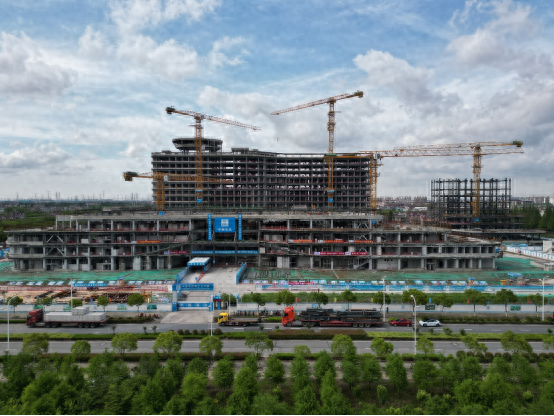
上海临港:为“未来之城”打造“医疗高地”
Huan Qiu Wang· 2025-05-22 10:42
Core Viewpoint - The Pudong Hospital Lingang District project is a significant initiative under Shanghai's "14th Five-Year Plan," aiming to create a modern, smart, and green healthcare facility that enhances medical innovation and resource distribution in the region [1][3]. Group 1: Project Overview - The Pudong Hospital Lingang District will focus on developing specialized centers for women's and children's health, oncology, cardiovascular diseases, otolaryngology, and rehabilitation medicine, positioning itself as a high-quality international research-oriented medical center [3]. - The project aims to establish a medical innovation platform that facilitates cross-border healthcare, contributing to the development of a world-class biomedicine industry cluster in Pudong [1]. Group 2: Architectural Design and Construction - The project features a unique architectural design with a forest green belt at the main entrance and a sunken plaza that creates a friendly and safe environment, utilizing over 25,000 tons of steel and 11,464 types of components [5]. - Advanced technologies such as BIM and Tekla design models are employed to optimize the building's environmental conditions, achieving a 25% reduction in steel structure material usage compared to similar projects [5][8]. Group 3: Safety and Quality Control - The project includes specialized rooms with high requirements for magnetic shielding and radiation protection, necessitating strict control over concrete quality and construction methods [6][9]. - Innovative concrete technologies are applied to manage hydration heat and enhance crack resistance, ensuring the structural integrity of large concrete components [7]. Group 4: Environmental Sustainability - The construction approach emphasizes sustainability, utilizing self-stabilizing steel pipe structures and eco-friendly backfill materials to minimize environmental impact and construction time [8]. - The project incorporates advanced air purification systems and pollution control processes to maintain high cleanliness standards in critical areas such as operating rooms and patient wards [9].