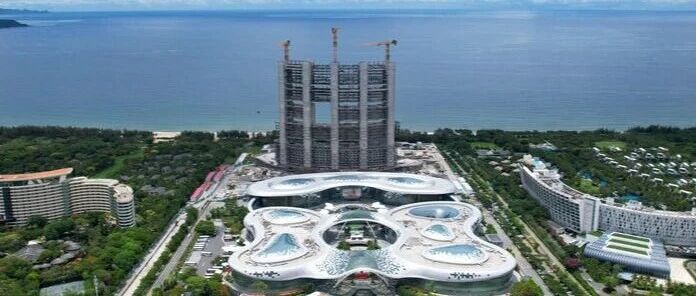
低税率

Search documents
“零关税”扩围 “低税率”惠企
Xin Hua Ri Bao· 2025-11-07 21:11
Core Points - Hainan Free Trade Port will enter a new phase of full island closure operation, establishing itself as a special customs supervision area rather than an isolated island [1][2] Group 1: Benefits for Enterprises - Enterprises will enjoy broader benefits and lower thresholds, with the first batch of coffee beans imported under the "zero tariff" policy marking the acceleration of policy dividends into the real economy [3] - The "zero tariff" policy will cover approximately 74% of product tax categories, benefiting key industries such as pharmaceuticals and high-end food processing, with an expected increase to about 6,600 tax categories [3] - The processing and value-added tax exemption policy has been upgraded, removing income proportion restrictions and expanding the range of imported materials, which will further lower the threshold for enterprises to benefit [4] - The "low tax rate" policy will also benefit enterprises, with over 1,100 encouraged industry categories now available, allowing for a 15% corporate income tax reduction [4] Group 2: Benefits for Individuals - High-end and urgently needed talents in Hainan will benefit from personal income tax exemptions on amounts exceeding 15%, with a more flexible residency requirement introduced [5][6] - The recent adjustments to the duty-free shopping policy for residents have increased shopping flexibility and convenience, allowing for unlimited purchases of 15 categories of goods with just one departure record [6] Group 3: Regional Development - The new "second-line port" for cargo has significantly improved customs efficiency, allowing for faster processing times and enhancing the flow of goods [7] - Infrastructure improvements are translating into development momentum, with new shipping routes established, enhancing trade connections between Hainan and South America [7][8] - Hainan is positioned to become a strategic hub for economic cooperation with ASEAN, leveraging its unique geographical and policy advantages [8]
新华视点丨海南自贸港全岛封关,将带来哪些红利?
Xin Hua Wang· 2025-11-07 07:18
Core Insights - The full closure operation of Hainan Free Trade Port on December 18 will transform the island into a special customs supervision area, enhancing trade facilitation and economic benefits for enterprises and individuals [1][2]. Group 1: Benefits for Enterprises - The implementation of "zero tariffs" will significantly increase the number of duty-free goods, covering approximately 74% of product categories, benefiting key industries such as pharmaceuticals and high-end food processing [3]. - The number of "zero tariff" product categories will rise to about 6,600, potentially saving import equipment companies around 20% in tax costs [3]. - Upgraded processing and value-added tax exemption policies will lower the threshold for enterprises to enjoy benefits, promoting the transformation and upgrading of Hainan's manufacturing sector [4]. - The number of encouraged industries has expanded to over 1,100, including biomedicine and green building materials, allowing related companies to benefit from a 15% corporate income tax reduction [4]. Group 2: Benefits for Individuals - High-end and urgently needed talents in Hainan can benefit from personal income tax exemptions on amounts exceeding a 15% tax burden, with a more flexible residency requirement introduced [5][6]. - Recent adjustments to the duty-free shopping policy allow local residents to purchase a variety of goods without restrictions after a single departure from the island, enhancing shopping flexibility [6]. Group 3: Regional Development - The new "second-line port" for cargo has improved customs efficiency, allowing vehicles to pass through in an average of 2.5 minutes, thus enhancing logistics and trade flow [7]. - The establishment of direct shipping routes between Hainan and South America will facilitate the import and export of goods, such as tilapia and avocados, at lower costs and higher freshness [7]. - Hainan aims to become a strategic hub for economic cooperation with ASEAN, leveraging its unique geographical and policy advantages to attract global enterprises [8].
经济观察丨海南自贸港封关临近,勾勒开放新图景
Zhong Guo Xin Wen Wang· 2025-10-17 02:44
Core Insights - The establishment of a full island closure operation in Hainan Free Trade Port marks the beginning of a new phase in its open development, aiming to enhance international trade and investment opportunities [1] Group 1: Policy and Regulatory Framework - Hainan Free Trade Port will implement a "zero tariff" policy for goods, expanding the list from 1,900 to approximately 6,600 items, increasing the proportion of zero-tariff goods from 21% to 74% [2] - The tax system will include a dual 15% tax incentive for enterprises and individuals, with additional exemptions for foreign direct investment income, aimed at reducing costs and fostering a modern industrial system [2] Group 2: Economic Impact and Growth - Hainan's foreign trade has shown consistent growth, with import and export values increasing from 93.63 billion RMB in 2020 to 277.89 billion RMB in 2024, representing an average annual growth rate of 31.3% [3] - The closure will attract more cross-border trade elements to Hainan, enhancing its trade scale and enabling high-end manufacturing under the "zero tariff + processing value-added tax exemption" policy [3] Group 3: Strategic Initiatives - Hainan aims to leverage its advantages in cross-border data flow and expand pilot programs for digital economy enterprises, particularly in the gaming sector [3] - The province will focus on attracting foreign investment through improved policies, industry direction, and business environment, particularly targeting ASEAN countries for deeper economic cooperation [3]
(经济观察)海南自贸港封关临近,勾勒开放新图景
Zhong Guo Xin Wen Wang· 2025-10-16 12:37
Core Viewpoint - The Hainan Free Trade Port is approaching its full closure operation, which will enhance international trade and investment opportunities, marking a new phase of openness and development for the region [1][2]. Group 1: Policy and Regulatory Framework - The full closure operation of Hainan Free Trade Port is set to begin on December 18, with preparations nearly complete [1]. - The closure will implement a regulatory framework that includes "zero tariff" for certain goods, facilitating smoother customs processes at designated ports [1]. - The policy system aims to create a more favorable environment for trade, with enhanced efficiency and precision in regulatory measures [1][2]. Group 2: Tax Incentives and Economic Impact - The "zero tariff" goods list will expand from 1,900 to approximately 6,600 items, increasing the proportion of zero-tariff goods from 21% to 74% [2]. - Systematic tax incentives, including a dual 15% tax rate for enterprises and individuals, will continue to support various industries, effectively reducing operational costs [2]. - The tax benefits will cover over 1,100 industry categories, including biomedicine and green building materials, and will also apply to high-demand talent across all sectors [2]. Group 3: Trade and Investment Growth - Since the release of the overall plan for the Hainan Free Trade Port in 2020, foreign trade has seen continuous growth, with import and export values projected to rise from 936.3 billion RMB in 2020 to 2,778.9 billion RMB by 2024, averaging a 31.3% annual increase [3]. - The closure is expected to attract more cross-border trade elements to Hainan, further expanding its international trade scale and enhancing the local economy [3]. - Hainan aims to leverage its favorable policies to attract foreign investment, particularly from ASEAN countries, fostering deeper economic cooperation and mutual benefits [3].
海南自贸港“三大吸引力”揽外商
Zhong Guo Xin Wen Wang· 2025-10-15 06:30
Core Viewpoint - Hainan Free Trade Port aims to attract high-quality foreign investment through three main attractions: policy system, industry direction, and business environment [1][3][5] Group 1: Policy System Attraction - Hainan Free Trade Port offers unique "double 15%" tax incentives for corporate and personal income tax, along with "zero tariffs, low tax rates, and simplified tax systems" [3][4] - After customs closure, the "zero tariff" list will expand, increasing the proportion of "zero tariff" goods from 21% to 74%, covering approximately 6,600 product tax codes [3][4] - The province has the shortest negative list for foreign investment and encourages a wide range of foreign investment categories, maintaining the highest number of encouraged industries in the country [4] Group 2: Industry Direction - The development strategy focuses on a modern industrial system characterized by four leading industries, five growth directions, three consumption articles, and two innovation islands, targeting emerging fields such as new energy vehicles, biomedicine, aerospace, and seed technology [4] - Hainan invites foreign enterprises to participate in the construction of these future sectors, emphasizing the opportunity to invest in China's growth potential [4] Group 3: Business Environment - Hainan is committed to creating an international, legal, and convenient business environment, establishing a "direct access" mechanism for key foreign investment projects and a "single window" for international investment services [5] - The province aims to enhance intellectual property protection and ensure that foreign entrepreneurs feel welcomed and supported in their business endeavors [5] - In the first eight months of the year, Hainan saw a 7.2% increase in newly established foreign enterprises, totaling 1,297, and a 50.4% increase in actual foreign investment, amounting to 17.063 billion yuan [5]

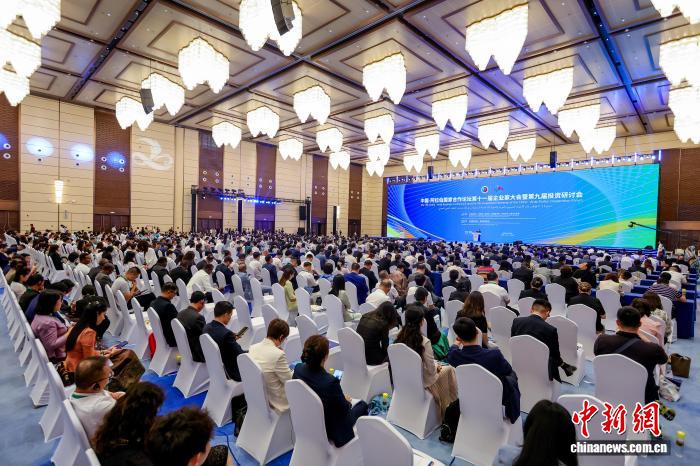
海南自贸港税制体系初步建立 官员称封关后企业受益最明显
Zhong Guo Xin Wen Wang· 2025-10-15 03:27
Core Viewpoint - The tax system of Hainan Free Trade Port has been initially established, with companies expected to benefit the most from tax policies after the port's closure [1][3]. Tax Policy Overview - The tax system is characterized by "zero tariffs" and "low tax rates," aiming to align with high-level international trade rules [3][4]. - The range of "zero tariff" products has expanded from 1,900 to approximately 6,600 items, increasing the coverage from 21% to 74% of product categories [3][4]. - The "low tax rate" policy continues to encourage specific industries with a reduced corporate income tax rate of 15% and exemptions for high-end talent [4][5]. Benefits for Enterprises - Companies importing equipment can save about 20% in costs due to the elimination of import tariffs (5%-10%) and value-added tax (13%) [4][5]. - Enterprises engaged in processing and selling imported raw materials can benefit from both "zero tariff" and additional tax exemptions [5]. - The corporate income tax reduction applies to over 1,100 industry categories, including biomedicine and green building materials [5][6]. Economic Impact - The series of tax policies create a virtuous cycle of "policy guidance - investment aggregation - industrial upgrading - talent inflow" [6].
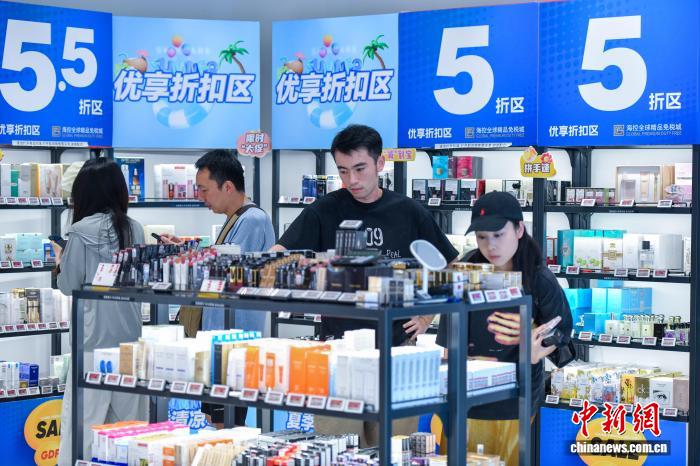
8小时速抵59个国家和地区,这座海岛何以“圈粉”全球?
Jin Rong Shi Bao· 2025-09-23 09:23
Core Insights - Hainan is positioned as a significant hub for international trade and tourism, with its free trade port construction entering a critical phase, aiming for full island closure operations within three months [1][4][6] - The island's duty-free shopping sector has matured, with a total of 12 duty-free stores covering major cities, and has seen over 200 billion yuan in shopping amounts since the new policies were implemented [2][3] - Hainan's economic growth is driven by a robust consumer market, with retail sales reaching 176.2 billion yuan in the first eight months of 2025, growing 9.6% year-on-year, outperforming the national average [3][6] Duty-Free Shopping and Consumer Trends - Hainan has established a comprehensive duty-free shopping landscape with 7 operators and 12 stores, covering over 500,000 square meters [2] - New delivery methods such as "mail delivery" and "immediate pick-up" have been introduced to enhance consumer convenience [2] - The cumulative shopping amount in the duty-free sector has surpassed 2.5 trillion yuan, accounting for over 68% of the national market [3] Policy and Regulatory Developments - The announcement of full island closure operations on December 18 has led to the implementation of key policies, including a significant expansion of the zero-tariff product list from 1,900 to approximately 6,600 items [4][5] - A smart customs supervision platform has been launched to support efficient customs operations post-closure [4] Foreign Investment and Economic Growth - Hainan has attracted significant foreign investment, with actual foreign capital usage reaching 102.5 billion yuan over five years, growing at an annual rate of 14.6% [6] - The province has seen a substantial increase in foreign direct investment, with a year-on-year growth of 97% [6] Industrial Development and Innovation - Hainan is focusing on building a modern industrial system, with GDP reaching 370.2 billion yuan in the first half of the year, and industrial output value growing by 11.4% [8] - The province is enhancing its industrial structure, with key sectors such as tourism, modern services, high-tech industries, and tropical agriculture contributing significantly to economic growth [8][9] - Hainan has established itself as a center for commercial aerospace, with successful rocket launches and the development of a commercial launch site [7][8]
海南封关在即,珠宝产业机遇在哪里?多位行业人士这样回应
Mei Ri Jing Ji Xin Wen· 2025-09-06 12:13
Core Viewpoint - The official launch of the Hainan Free Trade Port on December 18 will significantly impact businesses, particularly in the jewelry industry, by attracting international brands and creating a competitive environment [1][2]. Policy Impact - The Hainan Free Trade Port will implement a "zero tariff" policy, increasing the proportion of zero-tariff goods from 21% to 74% for imports, allowing for tax-free circulation among eligible entities within the island [2]. - Companies registered and operating in Hainan will benefit from a reduced corporate income tax rate of 15%, compared to the standard 25% in other regions [2]. Industry Dynamics - The zero tariff and low tax policies are expected to attract industry clusters and encourage companies to develop a complete industrial ecosystem [3]. - There is a concern about potential price wars due to increased price competitiveness among companies, which could lead to unhealthy competition [3]. Market Trends - The jewelry retail sector is experiencing growth, with gold and silver jewelry retail sales increasing by 11.3% in the first half of the year, outpacing the overall retail growth of 5.0% [4][5]. - The industry is focusing on younger consumer demographics, particularly the millennial and Gen Z groups, to drive retail growth through innovative marketing strategies [6]. Seasonal Sales Patterns - The jewelry retail market typically sees seasonal fluctuations, with peak sales expected during wedding seasons in October and the year-end holiday period [6].
海南自贸港“零关税”将扩围升级 “低税率”享惠条件再优化
Di Yi Cai Jing· 2025-09-05 08:28
Core Viewpoint - Hainan Free Trade Port is set to officially launch its island-wide customs closure operation on December 18, marking a new phase in its development, with a focus on expanding the scope of "zero tariff" imports [1][2]. Group 1: Zero Tariff Policy - The Hainan Free Trade Port has established a policy system centered on "zero tariff" and "low tax rate," with the zero tariff policy previously implemented through a positive list model [2]. - As of May 2025, the cumulative value of "zero tariff" imports reached 22.69 billion yuan, resulting in a tax reduction of 4.32 billion yuan [2]. - After the customs closure, the scope of zero tariff goods will shift to a negative list management approach, allowing 6,637 items to be imported at zero tariff, which is approximately 74% of all taxable goods, an increase of nearly 53 percentage points compared to before [2][3]. Group 2: Beneficiary Entities - Three types of entities can apply for the zero tariff policy: enterprises, public institutions, and private non-enterprise units in technology and education [2][3]. Group 3: Processing and Value-Added Tax Exemption - The zero tariff policy includes a processing value-added tax exemption, where goods processed from zero tariff imports can enter the mainland without import duties if the value added is 30% or more [3]. - The previous requirement for enterprises to have 60% of their revenue from encouraged industries to qualify for this exemption has been removed, broadening eligibility [3][4]. Group 4: Low Tax Rate Policy - In addition to zero tariffs, the Hainan Free Trade Port features a low tax rate policy, implementing a dual 15% corporate income tax incentive for encouraged industries [5][6]. - By the end of 2024, nearly 4,300 enterprises and over 39,000 individuals had benefited from the dual 15% income tax policy [6]. Group 5: Industry Development and Support - The policies are expected to significantly boost industries such as pharmaceuticals and high-end food processing, with the processing value-added tax exemption further relaxing eligibility criteria for enterprises [6][8]. - The Hainan Free Trade Port aims to become a global trade hub, enhancing trade resource and factor aggregation, and extending its industrial, supply, and value chains [8].
海南自贸港“零关税”将扩围升级,“低税率”享惠条件再优化
第一财经· 2025-09-05 08:20
Core Viewpoint - The Hainan Free Trade Port is entering a new phase with the upcoming full island closure operation, set to officially start on December 18, 2025, which will significantly expand the scope of "zero tariff" imports and provide new opportunities for enterprise innovation and growth [3][4]. Summary by Sections Zero Tariff Expansion - The Hainan Free Trade Port has established a policy system centered on "zero tariffs" and "low tax rates." As of May 2025, the cumulative value of "zero tariff" imports reached 22.69 billion, with tax reductions amounting to 4.32 billion [5]. - After the full closure, the "zero tariff" policy will shift from a positive list to a negative list management approach, allowing 6,637 items (approximately 74% of all taxable goods) to be imported at zero tariffs, a 53% increase compared to before the closure [5][6]. - Three types of entities can apply for the "zero tariff" benefits: enterprises, public institutions, and private non-enterprise units in technology and education [5]. Processing Value-Added Tax Exemption - The processing value-added exemption policy allows goods processed from "zero tariff" imports to enter the mainland without import duties if the value added is 30% or more. This policy has been relaxed, removing the previous requirement that 60% of a company's revenue must come from encouraged industries [6][7]. - As of July 2025, the cumulative value of processed goods for domestic sales reached 10.46 billion, with an exemption of approximately 810 million in duties [7]. Low Tax Rate Policy Optimization - The Hainan Free Trade Port offers a dual 15% corporate income tax incentive for qualifying enterprises, with high-end and scarce talents enjoying personal income tax exemptions on amounts exceeding 15% [8][9]. - By the end of 2024, nearly 4,300 enterprises and over 39,000 individuals benefited from the dual 15% income tax policy [9]. Overall Impact of Tax Policies - The comprehensive tax policy system of "zero tariffs, low tax rates, simplified tax systems, strong legal frameworks, and phased implementation" is expected to significantly boost various industries, including pharmaceuticals and high-end food processing [10]. - The Hainan Free Trade Port aims to enhance its role as a global trade hub, optimizing both import/export tax costs and trade facilitation levels, thereby attracting resources and elements to the region [11].