台湾问题

Search documents
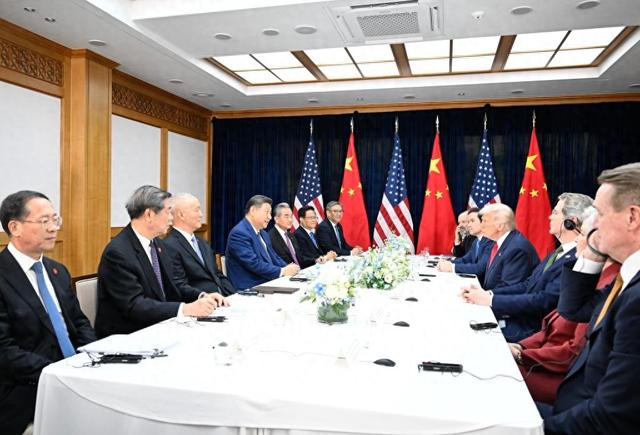
中方回应特朗普涉台言论
财联社· 2026-01-09 07:32
据北京日报,1月9日,外交部发言人毛宁主持例行记者会。路透社记者就美国总统特朗普日前涉台言论提问。 毛宁指出,台湾是中国领土不可分割的一部分,台湾问题纯属中国内政,解决台湾问题是中国人自己的事,不容外部干涉。 ...


岛内忧心大陆仿照美国强掳马杜罗做法对台采取行动,国台办回应
Xin Lang Cai Jing· 2026-01-07 04:04
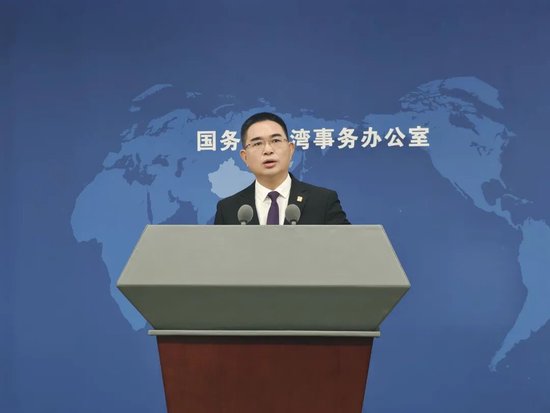
国务院台办7日上午举行2026年首场新闻发布会,发言人陈斌华回答记者提问。 有记者问,美国日前派兵强行控制委内瑞拉总统马杜罗夫妇并移送出境,引发关注。岛内有舆论担忧大 陆仿照美国做法来合理化对台采取行动。对此有何评论? 陈斌华表示,美方悍然对一个主权国家使用武力,严重违反国际法,侵犯他国主权,威胁地区和平与安 全。我们坚决反对。台湾是中国的台湾。解决台湾问题是中国人自己的事,不容任何外来干涉。如 果"台独"分裂势力胆敢铤而走险、触碰红线,我们必将采取断然措施,予以迎头痛击。 责任编辑:凌辰 有记者问,美国日前派兵强行控制委内瑞拉总统马杜罗夫妇并移送出境,引发关注。岛内有舆论担忧大 陆仿照美国做法来合理化对台采取行动。对此有何评论? 陈斌华表示,美方悍然对一个主权国家使用武力,严重违反国际法,侵犯他国主权,威胁地区和平与安 全。我们坚决反对。台湾是中国的台湾。解决台湾问题是中国人自己的事,不容任何外来干涉。如 果"台独"分裂势力胆敢铤而走险、触碰红线,我们必将采取断然措施,予以迎头痛击。 责任编辑:凌辰 国务院台办7日上午举行2026年首场新闻发布会,发言人陈斌华回答记者提问。 ...
俄罗斯、塞尔维亚、印尼、哈萨克斯坦、塔吉克斯坦、阿塞拜疆、白俄罗斯、吉尔吉斯斯坦、塞内加尔、老挝等多国,最新涉华表态
Zhong Guo Ji Jin Bao· 2026-01-01 12:57
(原标题:俄罗斯、塞尔维亚、印尼、哈萨克斯坦、塔吉克斯坦、阿塞拜疆、白俄罗斯、吉尔吉斯斯 坦、塞内加尔、老挝等多国,最新涉华表态) 来源:新华社 综合新华社驻外记者报道:多国政府、政要近日纷纷发声,重申恪守一个中国原则,反对任何形式 的"台独"分裂行径及干涉中国内政的行为,坚定支持中国政府为维护国家主权和领土完整所作的一切努 力。 塞尔维亚总统武契奇在视察中企承建的"多瑙走廊"快速路项目时说,塞尔维亚以全部政治力量支持一个 中国原则。他表示:"台湾是中国领土不可分割的一部分。这是我们的立场,也将继续是塞尔维亚的政 策。" 印尼外长苏吉约诺在接受新华社记者采访时表示,印尼政府始终坚持一个中国政策,承认中华人民共和 国政府是代表全中国的唯一合法政府。这一长期确立的立场从未改变,并构成印尼和中国关系的重要基 础。在台湾问题上,印尼政府立场明确且有原则,即该问题属于中国内政,强调应尊重中国主权和领土 完整,应坚持《联合国宪章》宗旨和原则以及联合国大会第2758号决议精神。 吉尔吉斯斯坦外交部在网站发布消息,重申吉方恪守一个中国原则,支持中国国家主权和领土完整。 老挝外交部发表声明,重申在台湾问题上的一贯立场,即始终坚 ...
俄罗斯、塞尔维亚、印尼、哈萨克斯坦、塔吉克斯坦、阿塞拜疆、白俄罗斯、吉尔吉斯斯坦、塞内加尔、老挝等多国,最新涉华表态
中国基金报· 2026-01-01 12:31
塞内加尔 外长谢赫·尼昂表示,塞内加尔坚定不移奉行一个中国原则,中华人民共和国政府是 代表全中国的唯一合法政府,台湾是中国领土不可分割的一部分。 俄罗斯 外交部在书面回答新华社记者提问时重申,俄方在台湾问题上的原则立场众所周知、 始终如一,并在最高领导层得到多次确认。俄方承认台湾是中国不可分割的一部分,反对任 何形式的"台独"分裂行径。俄方还认为,台湾问题是中国的内政,中方拥有捍卫国家主权和 领土完整的一切合法权利。"一些国家虽声称坚持一个中国原则,却主张维持现状——这实际 来源:新华社 综合新华社驻外记者报道:多国政府、政要近日纷纷发声,重申恪守一个中国原则,反对任 何形式的"台独"分裂行径及干涉中国内政的行为,坚定支持中国政府为维护国家主权和领土 完整所作的一切努力。 塞尔维亚 总统武契奇在视察中企承建的"多瑙走廊"快速路项目时说,塞尔维亚以全部政治力 量支持一个中国原则。他表示:"台湾是中国领土不可分割的一部分。这是我们的立场,也将 继续是塞尔维亚的政策。" 印尼 外长苏吉约诺在接受新华社记者采访时表示,印尼政府始终坚持一个中国政策,承认中 华人民共和国政府是代表全中国的唯一合法政府。这一长期确立的立场 ...
来论|台湾问题是中国内政,岂容日本说三道四
Xin Lang Cai Jing· 2026-01-01 00:15
令人愤慨的是,背负深重历史罪责的日本,非但不思反省悔改,反而至今放不下对台湾的殖民情结,成 为"台独"分裂势力的最大幕后黑手之一。近年,日本一些政要频频炒作"台湾有事",组团窜台为"台 独"分子站台。日本自卫队退役高官岩崎茂出任台湾地区所谓"政务顾问",为"台独"分子出谋划策,加 强军事勾连,破坏两岸和平稳定。日政府加快西南方向军事部署,还要在距台湾仅110公里的与那国岛 上部署导弹部队,构建覆盖台海的军事支点。桩桩件件,明里暗里,日本以各种方式为"台独"势力撑腰 打气,并为军事介入台海做实质性准备。正是日本无底线的纵容和怂恿,才让"台独"分裂势力更加嚣张 妄为,也让台海局势更趋复杂紧张。 11月7日,日本首相高市早苗公然宣称"台湾有事"可能构成日本"存亡危机事态",将行使"集体自卫 权"与中国台湾相关联。这是1945年日本战败以来,日本领导人首次在台湾问题上表达试图武装介入的 野心,首次对中国发出武力威胁,给日本在台湾问题上的罪行又添上重重一笔。是可忍,孰不可忍!连 日来,包括台湾同胞在内的14亿中国人民用语言和行动表达对高市及日本右翼势力的强烈义愤,日本国 内及国际社会的有识之士也发出谴责日本的正义声音。 ...
国台办:任何国家、任何势力在台湾问题上玩火,都必将付出代价
Yang Shi Wang· 2025-12-31 03:50
国台办发言人张晗:我们坚决反对美国与中国台湾地区任何形式的军事联系。有关美国企业及人员参与 武装台湾,粗暴干涉中国内政,我们依法依规对其采取反制措施。 台湾问题事关14亿多中国人民的民族感情,是中国核心利益中的核心,是中美关系第一条不可逾越的红 线。任何国家、任何势力在台湾问题上玩火,都必将付出代价。我们再次敦促美方恪守一个中国原则和 中美三个联合公报,停止武装台湾的危险行径,慎之又慎处理台湾问题。民进党当局"倚美谋独"、"以 武谋独"注定失败,必遭痛击。 央视网消息:国务院台湾事务办公室于12月31日举行例行新闻发布会,发言人就近期两岸热点问题回答 记者提问。 记者:针对美国近日宣布向中国台湾地区大规模出售武器,外交部近日公布对20家美国军工企业和10名 高级管理人员采取反制措施。对此有何评论? ...
国台办:任何国家、任何势力在台湾问题上玩火都必将付出代价
Xin Lang Cai Jing· 2025-12-31 03:25
12月31日上午,国台办在新闻发布厅举行例行新闻发布会,发言人张晗就近期两岸热点问题回答记者提 问。 台湾问题事关14亿多中国人民的民族感情,是中国核心利益中的核心,是中美关系第一条不可逾越的红 线。任何国家、任何势力在台湾问题上玩火,都必将付出代价。我们再次敦促美方恪守一个中国原则和 中美三个联合公报,停止武装台湾的危险行径,慎之又慎处理台湾问题。民进党当局"倚美谋独"、"以 武谋独"注定失败,必遭痛击。 会上有记者提问:针对美国近日宣布向中国台湾地区大规模出售武器,外交部近日公布对20家美国军工 企业和10名高级管理人员采取反制措施。对此有何评论? 国台办发言人张晗表示,我们坚决反对美国与中国台湾地区任何形式的军事联系。有关美国企业及人员 参与武装台湾,粗暴干涉中国内政,我们依法依规对其采取反制措施。 智通财经记者 李文姬 ...
雁默:2025年的台海局势,是“退潮浪更高”的起点
Xin Lang Cai Jing· 2025-12-31 00:19
Core Viewpoint - The article discusses the geopolitical shifts following Trump's return to power, emphasizing the strategic retreat of the U.S. and its implications for Taiwan and its relations with China and other countries. It highlights the increasing isolation of Taiwan and the need for it to adapt to a changing global landscape, where traditional alliances are being tested and redefined [1][5][24]. Group 1: U.S.-Taiwan Relations - Trump's administration is characterized by a strategic retreat, focusing on regional interests and distancing from traditional allies, which includes a potential abandonment of Taiwan [5][24]. - The U.S. has not yet defined tariff rates for Taiwan, indicating a complex relationship where Taiwan is seen as a bargaining chip rather than a partner [5][6]. - The U.S. is likely to maintain its support for Taiwan until it has fully extracted value from the relationship, suggesting a transactional approach to Taiwan's security [5][6][24]. Group 2: Taiwan's Domestic Politics - Taiwan's internal political landscape is marked by a failed recall election, reflecting a shift in public sentiment against the ruling party's approach to China [19][20]. - The rise of "Chinese identity" among certain voter segments indicates a potential shift in Taiwan's political dynamics, although it remains limited to specific groups [19][20]. - The current administration's focus on "value diplomacy" has not yielded significant results, leading to increased diplomatic efforts to maintain international support [8][19]. Group 3: Regional Dynamics - The article notes an increase in diplomatic activities by Taiwan's "Ministry of Foreign Affairs," indicating a proactive approach to securing international alliances despite U.S. strategic shifts [8][11]. - Countries in the region, including Vietnam and Japan, are increasingly engaging with Taiwan, reflecting a collective concern over stability in the Taiwan Strait [13][25]. - The article suggests that as the U.S. retreats, smaller nations are likely to band together, which could complicate Taiwan's position and its quest for international recognition [25][26]. Group 4: Military and Strategic Considerations - The article highlights the increasing military presence and activities in the Taiwan Strait, with multiple countries conducting naval operations, which may signal a shift in regional security dynamics [14][15]. - The notion of "peaceful passage" through the Taiwan Strait is discussed, emphasizing the legal and political implications of military movements in the area [14][15]. - The potential for increased military cooperation among regional players is noted, as countries seek to bolster their defenses in light of perceived threats from both China and the U.S. [18][25]. Group 5: Future Outlook - The year 2025 is identified as a pivotal moment for Taiwan, with expectations of significant geopolitical changes that could impact its status and relations with both the U.S. and China [26][24]. - The article posits that the current trajectory suggests a move away from maintaining the status quo, with increasing pressures for Taiwan to adapt to a new reality [26][24]. - The potential for a more aggressive stance from China is anticipated, as regional dynamics evolve and the U.S. reassesses its commitments [26][24].
白俄罗斯外交部:支持中国政府为实现国家统一、维护主权和领土完整所作一切努力
Huan Qiu Wang· 2025-12-30 13:33
Core Viewpoint - Belarus expresses strong support for China's efforts to achieve national unity and maintain sovereignty over Taiwan, emphasizing that no country has the right to interfere in another's internal affairs [1][1][1] Group 1: Belarus' Position - Belarusian Ministry of Foreign Affairs closely monitors the situation in the Taiwan Strait [1] - The statement asserts that actions by any country to exert pressure through political, financial, or military means will escalate tensions and undermine stability in the Asia-Pacific region [1][1] - Belarus joins other nations like Russia, Serbia, Pakistan, and Venezuela in reaffirming that Taiwan is an inseparable part of China [1][1] Group 2: China's Stance - The Chinese Ministry of Foreign Affairs reiterates that the Taiwan issue is a core interest of China [1] - China maintains a firm resolve to safeguard national sovereignty, security, and territorial integrity, warning against provocations related to Taiwan [1][1] - Any malicious attempts to obstruct China's unification efforts are expected to fail [1]
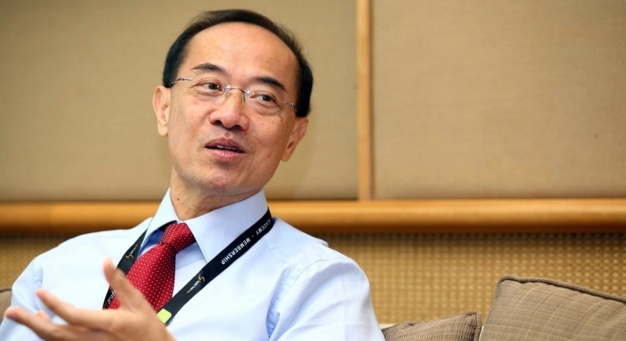
新加坡前外长:中方在台湾问题上划定了明确红线,美方若不想“自找麻烦”就会远离这条红线
Huan Qiu Wang· 2025-12-30 10:34
30日,针对美方领导人关于中国人民解放军东部战区"正义使命-2025"演习的言论,外交部发言人林剑 在例行记者会上表示,台湾是中国领土不可分割的一部分。中国人民解放军开展有关军事演习,是 对"台独"分裂势力"以武谋独"的严厉惩戒,是捍卫国家主权和领土完整的必要行动。 杨荣文同时表示,美国总统特朗普不想让台湾地区成为问题,因为他与中国之间有着"重大议程",他希 望在剩余任期内与中国保持稳定关系,不希望与中国之间再添上别的问题。 谈及日本首相高市早苗涉台错误言论,杨荣文表示,高市被目前的处境"困住了",中国大陆民众对台湾 的情感之深不容低估,"他们怎能忘记当初正是日本的侵略才将台湾与大陆分离的呢?" 针对高市早苗涉台错误言论,外交部发言人郭嘉昆在12月16日的例行记者会上表示,日本曾侵略并殖民 统治台湾50年,犯下罄竹难书的罪行,在台湾问题上负有历史罪责。台湾是中国领土不可分割的一部 分,如何解决台湾问题完全是中国自己的事,日本没有任何资格置喙。我们要再次敦促日方恪守中日四 个政治文件精神,切实反思纠错,撤回高市首相错误言论。 12月29日开始,中国人民解放军东部战区组织开展"正义使命-2025"演习。国防部新闻 ...