
城市治理

Search documents
海口12345热线迈向城市“智慧中枢”
Hai Nan Ri Bao· 2026-01-26 01:26
日均办件过万,服务范围不断拓展,"便民+惠企"能力持续提高 海口12345热线迈向城市"智慧中枢" 平台充分发挥"探针"和"前哨"作用,围绕噪声污染、电动自行车停放等民生关切,形成各类分析报 告429份,其中31份专题报告获市领导批示39次,推动专题研究12次。例如,针对秀英港码头噪声扰民 问题,海口市不仅进行了有效综合治理,还由此推动出台了《海口市噪声污染防治工作制度》,形成了 从源头"治本"的示范样本,相关经验已入选生态环境部噪声污染防治典型示范案例库。 在技术赋能方面,海口市强化数智赋能,积极推进热线平台智能化升级。年内优化平台功能170 项,智能质检、无人值守座席等系统陆续投用。服务范围不断拓展,如"一键挪车"服务已从海口车牌扩 展至全国,日均处理量超千件。同时,平台引入DeepSeek等大模型技术,为智能回访、语音系统提供 支撑,标志着热线服务向精准化、智能化迈出关键一步。 紧扣海南自贸港建设需求,平台构建了"便民+惠企"双轮驱动服务体系。通过设立"营商服务专 席",变"被动接听"为"主动问需",全年高效办结近13.4万件涉企办件,并专班走访企业推动解决瓶颈问 题。此外,创新设立的"口岸服务专席"" ...
锚定率先基本实现社会主义现代化目标 全面建设好新时代伟大祖国的首都
Xin Lang Cai Jing· 2026-01-26 00:26
Core Insights - The government work report and the "14th Five-Year" plan outline a commitment to achieving high-quality development in Beijing, emphasizing the importance of modernizing the capital and aligning with central government directives [1][2] Group 1: Government Work Report - The report is praised for its high political stance and comprehensive summary of achievements, reflecting a strong confidence in the capital's development during the "15th Five-Year" period [1] - Key representatives expressed support for various initiatives, including carbon governance, healthcare for the elderly, cultural integration, and tourism branding [1] Group 2: Modernization Goals - The "15th Five-Year" period is identified as crucial for achieving socialist modernization, with a focus on elevating the overall level of modernization in Beijing [2] - The city aims to enhance its role as a political, cultural, international exchange, and technological innovation center, promoting a vibrant and inclusive environment [3] Group 3: Economic Development Strategies - Emphasis on optimizing internal demand and consumption-driven growth, while balancing investments in both physical and human capital [3][4] - The government aims to create a market-oriented, law-based, and international business environment to attract world-class institutions and talent [4] Group 4: Social Welfare and Urban Governance - Initiatives to improve public services in line with demographic changes, focusing on healthcare, food safety, and transportation [4] - The goal is to enhance urban governance and community well-being, ensuring a harmonious and warm city environment [4]
锐评|47部门“摆摊”答疑,照见城市治理的民生底色
Xin Lang Cai Jing· 2026-01-25 05:55
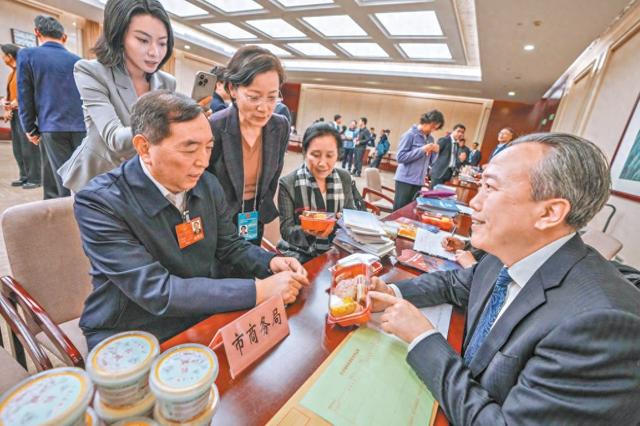
局咨询台,肖志刚代表(左)就北京老字号守正创新相关问题进行询问。本报记者 武亦彬摄 "我对托育问题特别关注,想了解公办幼儿园办托班的问题。""要说老百姓最关心的,肯定还是吃饭问 题,你看我所调研的老两口,总有因为饭菜口味吵架的"。"我们每学期都有走出去的研学实践活动,能 不能从政策层面提供一些指导?"24日晚,市人大代表询问、政协委员咨询活动现场,格外热闹。 "城,所以盛民也;民,乃城之本也。"随着民生诉求水涨船高,城市治理课题也将由粗到细、由浅入 深,甚至愈来愈难。我们相信,会场上一言一策的智慧,会场外一点一滴的改变,必将汇聚成每个人热 气腾腾的生活,推动城市坚定前行。 在市商务 来源:北京日报客户端 看看人大代表、政协委员的提问,没有套话、直奔主题,聚焦广大市民的急难愁盼。再听听"摆摊"部门 的回答——有的事项已有进展,谈成绩自信满满,"目前本市各类幼儿园和托育机构可提供6.4万余个托 育学位,其中普惠托位达4.1万个";有的事项正在进行,便给出进度条,"今年我们将在偏远农村地区 近千个邻里互助点全面推广养老餐";有的正在研究,也直言不讳,"正在联合市教委,拟从市级层面进 一步完善对研学旅行的指导意见"… ...

“提案不在多而在精”,去年北京政协委员超九成提案被采纳
Xin Lang Cai Jing· 2026-01-24 10:17
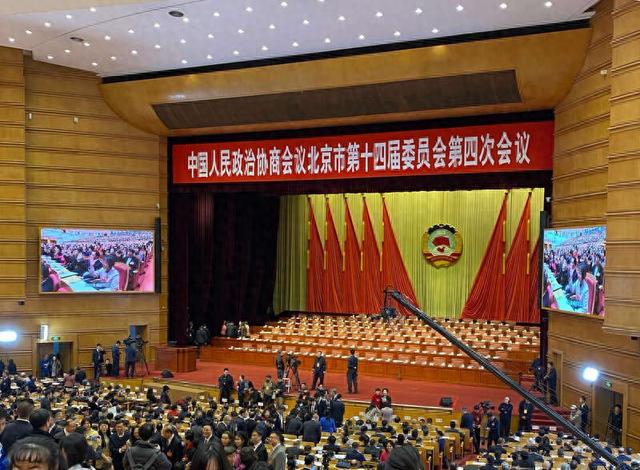
一个个数字展示了近一年来民生的改善。报告显示,过去一年,北京市政协围绕推进城市更新、加强城 市精细化治理、推动生产生活方式绿色转型等提出307件提案,助力全市32.2万台电梯实现"一梯一 码"智慧监管全覆盖;助力国贸桥等桥下"灰色空间"蝶变花园廊道。 变化也体现在更广泛的基层。去年,北京市政协打造的"京华议事厅"协商平台举办了230余场协商活 动。这些活动覆盖245个乡镇,1万多名政协委员和群众代表走进议事现场。北京市政协委员、怀柔区政 协党组书记刘久刚在北京市政协举办的"我是委员"集体采访中介绍,去年,怀柔区围绕养老、农产品销 售、民营经济发展等主题共开展"京华议事厅"活动13场。 中国青年报客户端北京1月24日电(中青报·中青网记者 张敏)"优化颐和园管理设施等建议,推动团城 湖桥区围栏由3米降为1.2米,恢复了湖区景观,吸引大量市民打卡"……1月24日,北京市政协副主席刘 忠范在政协北京市第十四届委员会第四次会议上作提案工作报告时,列举了一系列展现提案工作实效的 具体案例。 记者从北京市政协了解到,过去一年,北京市政协征集的1648件提案中,经审查立案1488件,所有立案 提案均已办复,93%的提案得到 ...
协商的力量,奋进的回响!市政协2025年履职亮点回眸
Xin Lang Cai Jing· 2026-01-23 10:42
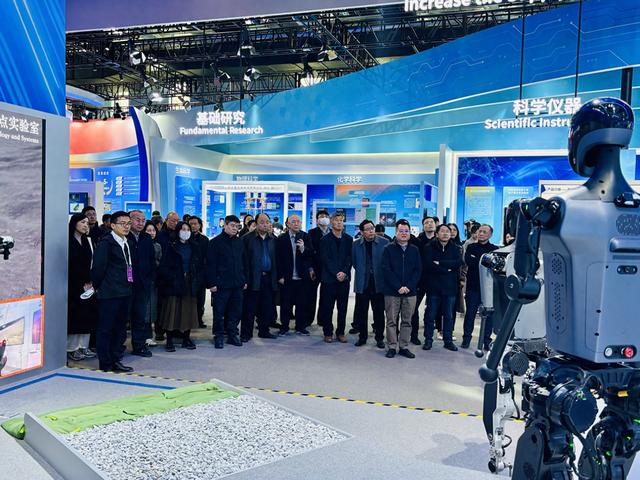
站在"十五五"开局之年回望,"十四五"圆满收官,大国首都硕果盈枝,处处是波澜壮阔的生动实 践。"京"彩画卷上,也留下政协组织"围绕中心、服务大局"的浓墨重彩。 过去一年,市政协坚持党的领导、统一战线、协商民主有机结合,团结引领政协各参加单位和各界委员 在学思践悟中筑牢思想根基,在精准履职中服务中心工作,在改革创新中传递履职温度,在团结联谊中 汇聚奋斗力量,以协商之力助力首都发展,让奋进之音在京华大地激荡回响。 1学习有力:学思践悟筑牢思想根基 2025年3月28日,市政协科技教育委员会组织委员赴中关村国家自主创新示范区展示中心专题学习考 察。 思想的旗帜引领前进的方向,学习的深度影响履职的能力。2025年,市政协把坚持不懈用党的创新理论 凝心铸魂作为首要任务,通过精心抓好"统筹、体系、沉浸、提升"四个关键,着力构建系统化、沉浸 式、全覆盖的学习体系,形成了"年有计划、季有主题、月有报告、周有活动、日有交流"的常态化学习 工作格局。 过去一年,市政协坚持以制度为纲,将制度化建设作为确保学习常态长效的坚实保障,推动理论学 习"入脑入心"。 "第一议题"制度雷打不动,在党组会议、常委会会议等重要会议中,第一时间跟进 ...
北京市人大常委会立法工作聚焦首都功能定位 回应民生关切
Xin Lang Cai Jing· 2026-01-22 19:12
Core Insights - Beijing's legislative work in 2025 focuses on high-quality development, addressing key issues through local regulations that reflect the city's unique characteristics and respond to real-world needs [3][4][5][6][10]. Legislative Developments - The Beijing Municipal Standing Committee has initiated 38 legislative projects, including 16 review items and 5 drafting projects, emphasizing problem-oriented legislation to provide legal support for economic and social development [2]. - The "Beijing Urban Sub-center Regulations" aim to support the planning, construction, management, and development of the urban sub-center, incorporating innovative solutions for ecological and economic integration [3]. - The "Beijing Great Wall Protection Regulations" introduce a comprehensive protection framework that extends beyond the wall itself to include cultural heritage and its environment, promoting preventive and research-based conservation methods [4]. - The "Beijing Renewable Energy Development and Utilization Regulations" focus on various clean energy sources, supporting the city's dual carbon strategy and enhancing the energy structure [5]. - The "Beijing International Commercial Arbitration Center Construction Regulations" aim to establish Beijing as a preferred location for international commercial dispute resolution, enhancing its global standing [6]. Addressing Urban Challenges - The revised "Beijing Non-motor Vehicle Management Regulations" tackle issues related to the rapid increase in electric bicycles, focusing on safety and regulatory compliance [7][8]. - The "Beijing Fire Safety Regulations" revision aims to enhance preventive measures and optimize regulatory frameworks to improve urban safety [9]. Social Welfare and Public Services - The "Beijing Elderly Care Services Regulations" address the challenges of an aging population, focusing on improving service supply and integrating medical care with elderly services [11]. - The "Beijing Housing Safety Regulations" emphasize the importance of safety in residential buildings, addressing risks associated with renovations and occupancy [12]. - The "Beijing Park Regulations" revision aims to enhance public services in parks, promoting inclusivity and meeting diverse recreational needs [13]. Public Engagement and Governance - In 2025, Beijing's representatives submitted 973 proposals addressing various aspects of economic development and social welfare, reflecting a commitment to responsive governance [14]. - The process of handling representative suggestions has been optimized to ensure effective communication and implementation of public policies [15][16].
惠农、惠商、惠民!青岛西海岸探索打造城市治理“新区样板”
Qi Lu Wan Bao· 2026-01-22 05:30
Core Viewpoint - Qingdao West Coast New Area is implementing a new "Three Benefits" system to integrate urban management with public needs, shifting from a punitive approach to one focused on service and governance [1] Group 1: "Neighboring Market" Initiative - The "Neighboring Market" initiative aims to create a harmonious environment for farmers and residents, with 25 designated market spots established since 2025, promoting local agricultural sales [2][3] - Complaints related to mobile vendors in the areas with "Neighboring Markets" have decreased by over 80% since the initiative's launch, transforming unused spaces into accessible locations for both farmers and citizens [3] - The initiative has expanded to 35 temporary market spots, providing 708 free stalls during the harvest season, enhancing the connection between farmers and consumers [3] Group 2: "Vibrant Business District" Development - The "Vibrant Business District" initiative has been launched to enhance the night economy, with over 230 businesses benefiting from increased revenue since its implementation [4][5] - The initiative includes detailed regulations for outdoor dining, focusing on cleanliness, noise control, and waste management, ensuring a balance between economic activity and community standards [4] - A shift from passive regulation to active governance has been observed, with merchants forming self-governing groups to promote compliance and self-discipline [5] Group 3: "Service Response" Mechanism - The "Service Response" mechanism has been established to address public complaints efficiently, with over 20,000 complaints analyzed annually to improve response times and service quality [7][8] - The mechanism operates 24/7, implementing a closed-loop process for handling complaints, resulting in a reduction of over 50% in total complaints since its launch in June 2025 [8] - The initiative aims to create a reliable communication bridge between law enforcement, business operators, and citizens, enhancing the overall urban governance experience [8]
为“十五五”开局贡献青春力量 朱忠明出席团市委全会并讲话
Jie Fang Ri Bao· 2026-01-22 01:31
Group 1 - The meeting of the 16th Committee of the Communist Youth League of Shanghai emphasized the importance of youth engagement in contributing to the city's development and responding to challenges [1] - The focus for the upcoming year includes promoting political awareness, loyalty, and utilizing relatable examples to inspire youth to become idealistic, responsible, hardworking, and determined individuals [1] - The initiative aims to enhance youth participation in areas such as technological innovation, consumer confidence, and urban governance, positioning them as pioneers and vanguards in these sectors [1] Group 2 - The meeting highlighted the need for effective service and problem-solving strategies to address the pressing issues faced by the youth, including the implementation of the "14th Five-Year" youth development plan [1] - There is a call for self-reform within the organization to improve leadership, organizational strength, and service capabilities, focusing on problem orientation and leveraging brand influence [1]
持续治理 规范秩序
Xin Lang Cai Jing· 2026-01-21 22:37
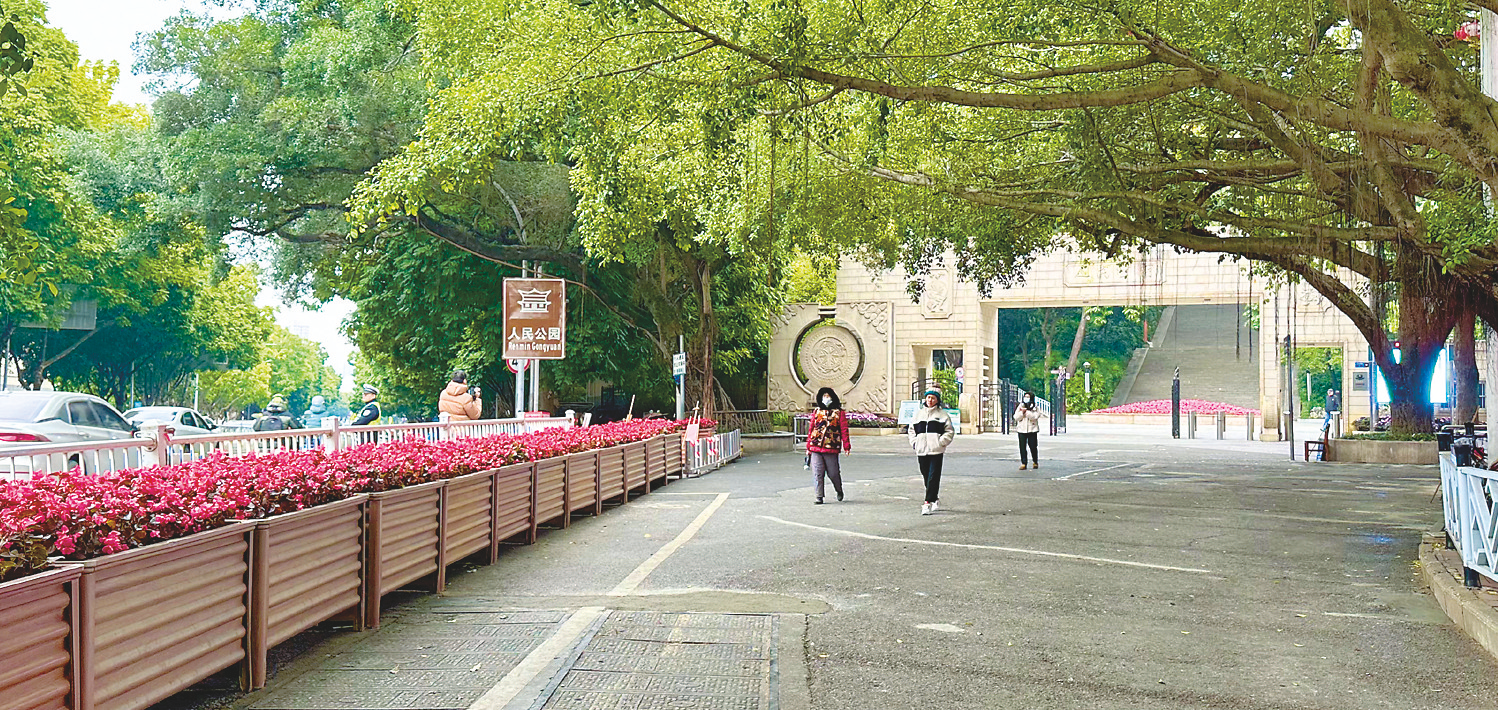
本报讯(记者蓝梦 通讯员杨婧)为有效消除人民公园西门外长期存在的人车混行、车辆乱停乱放等现象,近日南宁市公安局交通管理支队联合南宁市市政 和园林管理局(南宁市城市管理综合行政执法局、街道办事处及人民公园管理方等多部门以"绣花"功夫开展持续性整治行动,全力为市民营造安全、有序、 舒心的游园环境。 人民公园西门外的三角地带紧邻公园主入口,是市民游客集散的核心区域。此前,由于功能定位不够清晰、管理衔接不畅,该区域存在非机动车乱停乱放现 象,人车抢道、通行混乱情况频发,不仅挤占公共空间,影响公园门户形象,还存在安全隐患。各部门经过会商决定将该区域列为精细化整治重点,以细致 工作切实解决这一难题。 南宁市公安局交通管理支队兴宁大队市区中队中队长黄志毅介绍,各部门工作人员多次到现场勘查调研,制定了一套涵盖硬件改造、秩序管控与长效管理的 综合方案。方案明确,该区域首要功能为市民游客集散通行空间,为此增设花箱隔离设施实现人车分流,划定非机动车停放区域规范车辆摆放,优化人车通 行路径。同时,建立"技防+人防"协同机制,安排专人定点值守,借助监控设备实时管控,确保整治效果持续稳固。 目前,该区域面貌焕然一新:花箱绿植错落有致,行 ...
丰台学子“零距离”触摸城市治理“脉搏”
Xin Lang Cai Jing· 2026-01-21 17:30
整场活动体验下来,北京十二中附小六年级学生小羽对城市治理工作有了更直观、深入的认识。"今 天,我亲眼看到工作人员细致耐心的服务,才明白每一个来电背后都凝聚着不寻常的付出。" 丰台区教委相关负责人表示,系列活动旨在通过"小手拉大手"的实践模式,将教育与社会治理相结合, 为丰台青少年提供了解、参与社会治理工作的机会,不仅丰富了教学内容,增强学生对身边社会问题的 关注度,还提升了学生的社会调研能力和社会责任感。 此次观摩活动仅仅是系列实践活动的序章。寒假期间,丰台区16所中小学将作为试点校,组织小学高年 级至高中二年级的近千名学生深入社区与校园,聚焦环境、物业、安全等与学生切身相关的议题开展微 观调研,形成治理提案或"金点子",让学生们真正成为城市治理的一分子。活动成果将经过区级评审, 形成具有建设性的"社区治理提案"或"金点子"建议书转呈职能部门参考,使青少年的思考真正融入区域 发展。后续将根据实施效果,逐步扩大参与范围和深度。 □本报记者 任洁 (来源:劳动午报) 转自:劳动午报 近日,来自丰台区6所学校的120余名学生走进区市民热线服务中心,在工作人员的引导下开启了一场探 索城市治理奥秘的奇妙之旅,丰台区首届 ...