
社会主义现代化

Search documents
江西“十五五”规划建议
Zhong Shang Chan Ye Yan Jiu Yuan· 2026-03-07 00:05
Investment Rating - The report does not explicitly provide an investment rating for the industry Core Insights - The "14th Five-Year Plan" period has seen significant achievements in Jiangxi's economic and social development, with GDP reaching approximately 3.6 trillion yuan and per capita GDP surpassing 10,000 USD, indicating a solid foundation for high-quality development [7][8] - The "15th Five-Year Plan" period is characterized by complex changes in the development environment, with both opportunities and challenges present, but the long-term positive trend remains unchanged [9][10] - The overall goal for the "15th Five-Year Plan" period is to achieve high-quality development, with key indicators expected to grow faster than the national average, and a focus on innovation and modernization of the industrial system [12][11] Summary by Sections Economic and Social Development - Jiangxi's economic growth has been steady, with a focus on high-quality development and modernization of the manufacturing sector through the "1269" action plan [7][12] - The province aims to enhance its innovation capabilities, with significant increases in the number of high-value patents and the establishment of national-level innovation centers [8][12] Industrial Development - The report emphasizes the need to optimize traditional industries and promote emerging sectors such as electronic information, new energy, and biomedicine, aiming to create new economic growth points [16][17] - There is a strong focus on developing industrial clusters and enhancing the integration of manufacturing and services to improve overall competitiveness [18][19] Technological Innovation - The report outlines plans to strengthen the technological innovation system, enhance research capabilities, and promote the integration of technology and industry [20][21] - It highlights the importance of fostering a collaborative environment between enterprises, research institutions, and universities to drive innovation [22][23] Infrastructure and Investment - The report calls for the construction of a modern infrastructure system, focusing on transportation, energy, and digital infrastructure to support economic growth [29][30] - It emphasizes the need for effective investment strategies to stimulate economic activity and enhance public services [28][31] Agricultural Modernization - The report stresses the importance of agricultural modernization and rural revitalization, aiming to improve agricultural productivity and rural living conditions [42][43] - It highlights the need for policies that support farmers and enhance the agricultural value chain [44][46] Regional Development - The report advocates for a coordinated regional development strategy, promoting collaboration among different regions to leverage their comparative advantages [48][49] - It emphasizes the importance of urbanization and the development of county economies to enhance overall regional competitiveness [50][51]
未来已来!预言 2035 年中国发展新趋势,每一条都令人期待
Sou Hu Cai Jing· 2026-02-23 11:16
Group 1: National Development Goals - The 14th Five-Year Plan and the 2035 vision aim to achieve significant progress in economy, technology, and national strength, targeting a per capita GDP that meets the standards of moderately developed countries and increasing the middle-income population [3] - By 2030, urbanization rate is expected to approach 70%, with urban clusters like Beijing-Tianjin-Hebei, Yangtze River Delta, and Guangdong-Hong Kong-Macau Greater Bay Area becoming more integrated [3][15] - The goal is to enhance the quality of life for ordinary citizens through these developments, not just focusing on numerical targets [3] Group 2: Technological Advancements - The focus on technological independence and self-reliance has led to increased funding support, transforming companies from followers to leaders, particularly in the telecommunications sector with plans for 6G by 2030 [5] - Robotics technology is expected to achieve significant breakthroughs by 2027, stabilizing supply chains and enhancing production capabilities [5] - AI is projected to become a core driver of economic growth by 2035, with over 90% of economic activities being AI-driven by 2030 [13] Group 3: Space Exploration - China's space program is on track for significant milestones, including sending humans to the moon by 2030 and establishing a lunar base by 2035 [7] - The Tianwen-3 Mars exploration mission is set to return soil samples to Earth by 2031, showcasing China's advancements in space technology [7] Group 4: Energy Transition - The National Energy Administration has set a target for non-fossil energy to account for 25% of energy consumption by 2030, with a focus on increasing the share of wind and solar energy [9] - The transition to clean energy is expected to enhance environmental quality and create job opportunities while promoting economic growth [9] Group 5: Education and Health - By 2035, the national action plan aims to strengthen the education system, expanding access to quality education and increasing the enrollment rates for higher education [11] - Improvements in the healthcare system are projected to increase life expectancy to 79 years by 2030, with a focus on preventive measures and resource allocation [9][11]

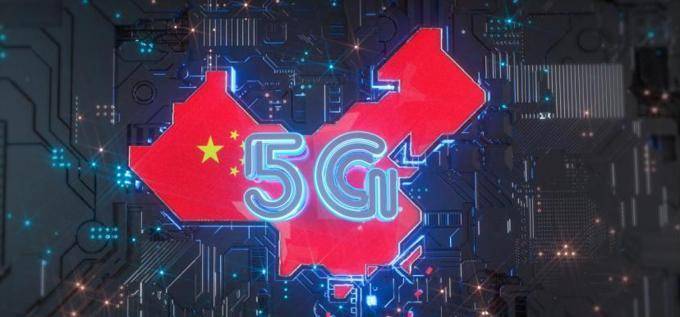
骏马奔腾踏新途
Xin Lang Cai Jing· 2026-02-17 06:58
Core Points - The article emphasizes the achievements of Beijing in the past year, highlighting the economic growth that has reached a new milestone of 5 trillion yuan [1] - It mentions the successful completion of the 80th anniversary of the victory in the War of Resistance against Japan, which has become a source of pride for the city [1] - The article outlines the goals for the upcoming year, focusing on high-quality economic development, improving public services, and enhancing urban governance [1] Economic Development - Beijing's total economic output has surpassed 5 trillion yuan, indicating significant growth and development [1] - The city aims to accelerate the development of new productive forces and improve public services in education, culture, health, and elderly care [1] Governance and Social Stability - The article highlights the importance of social harmony and stability as key components of the city's development strategy [1] - It emphasizes the need for modernized urban governance and better coordination of development and safety [1] Future Goals - The city is committed to achieving the goal of basic socialist modernization and promoting high-quality economic growth [1] - There is a focus on enhancing ecological environment construction and enriching the cultural life of the citizens [1]
策马扬鞭在新征程上
Xin Lang Cai Jing· 2026-02-16 22:32
Core Viewpoint - The speeches delivered by Xi Jinping during the 2026 Spring Festival emphasize the importance of unity and collective effort among the Chinese people to achieve modernization and overcome challenges in the new era [1][2] Group 1: Economic Development - China's economy has shown resilience and is progressing towards high-quality development, with significant advancements made in various sectors over the past year [1] - The successful convening of the 20th Central Committee's Fourth Plenary Session has laid out a development blueprint for the next five years [1] Group 2: Technological Advancements - Notable technological breakthroughs have been achieved, including successful space missions and advancements in artificial intelligence, indicating that the future is already unfolding [1] Group 3: Cultural Influence - There is a growing global interest in Chinese culture, as evidenced by the popularity of cultural icons like Wukong and Nezha, which highlights the vibrant expression of Chinese heritage [1] Group 4: Social Responsibility - The call for individuals to take personal responsibility in contributing to national development reflects a collective effort to harness the potential and momentum of the Chinese populace [2] - The idea of creating personal five-year plans resonates with the youth, encouraging them to actively participate in their own development and the broader national progress [2]
“年味”里的“文化中国”“幸福中国”“活力中国”
Xin Lang Cai Jing· 2026-02-15 04:16
Group 1 - The core viewpoint emphasizes the cultural significance of the Spring Festival in China, showcasing various traditional customs and practices that enhance the festive atmosphere [1][2] - The article highlights the transformation of China into the world's second-largest economy over the past 70 years, reflecting significant improvements in the living standards of the people [2] - It notes the expected record high of 9.5 billion cross-regional movements during the 2026 Spring Festival, indicating a vibrant and dynamic society [2][3] Group 2 - The article discusses the role of consumption as a key driver of economic growth, with a surge in spending on festive goods and services across urban and rural areas [2] - It emphasizes the importance of unity and collective effort among the Chinese people in achieving the "Chinese Dream" and contributing to high-quality economic development [3] - The narrative conveys a sense of optimism about China's future, particularly in the context of the 14th Five-Year Plan, which aims to solidify the foundation for socialist modernization [3]
为了总书记的殷殷嘱托
Bei Jing Ri Bao Ke Hu Duan· 2026-02-13 06:39
Core Insights - The article emphasizes the importance of Beijing's role in achieving decisive progress in socialist modernization during the "15th Five-Year Plan" period, with a focus on high-quality development and serving as a national model [1][4]. Economic Development - Beijing's GDP is projected to reach 52,073.4 billion yuan in 2025, marking a 5.4% increase from the previous year, making it the second city in China to surpass a 50 trillion yuan economy [1]. - The city is expected to enhance its economic quality and achieve reasonable growth through a balanced approach of increasing and decreasing certain sectors [1][4]. Urban Planning and Infrastructure - The construction of the Beijing Urban Sub-Center and Xiong'an New Area is a key strategy for relieving non-capital functions from Beijing, creating a new framework for the city's development [2][4]. - Since its inception in 2016, the Urban Sub-Center has seen over 960 billion yuan in fixed asset investment, maintaining an annual investment scale exceeding 100 billion yuan for five consecutive years [4]. Cultural and Historical Preservation - Beijing is committed to integrating its rich historical culture with modern urban development, ensuring that urban renewal meets residents' expectations while preserving cultural memory [9][10]. - The city has implemented various projects to protect historical sites and promote traditional culture, such as the successful application for UNESCO World Heritage status for the central axis of Beijing [12]. Social Services and Welfare - The city has established a three-tiered elderly care service network, becoming the first in the country to legislate such a framework [14]. - Beijing is actively working to improve social security for new employment groups, including gig economy workers, with initiatives to expand coverage and ensure comprehensive protection [16]. Technological Innovation - Beijing is enhancing its role as a national center for technological innovation, with significant increases in high-value invention patents and specialized small and medium enterprises [8]. - The city aims to leverage its strengths in technology to contribute to national goals of self-reliance and innovation, particularly in critical technology sectors [8].
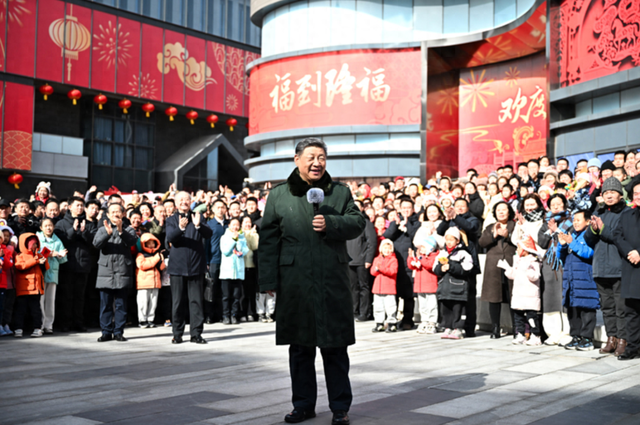
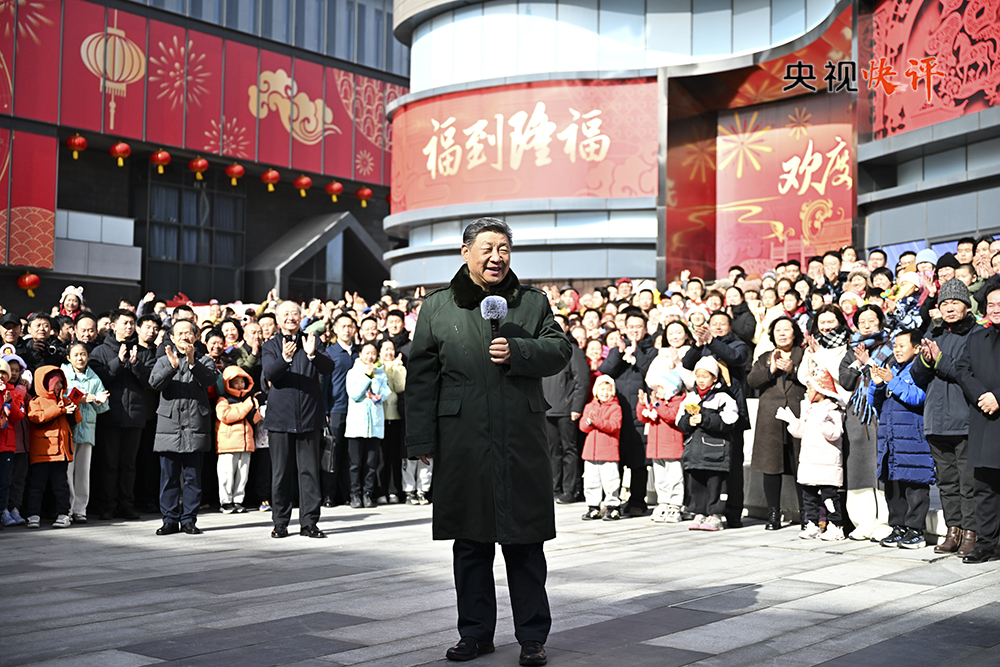
【央视快评】精准务实推动经济社会发展 努力在全国发挥示范作用
Yang Shi Wang· 2026-02-11 05:23
Core Viewpoint - Beijing is set to implement the spirit of the 20th Central Committee's Fourth Plenary Session, focusing on economic and social development to achieve significant progress in socialist modernization and serve as a national model [1][3]. Group 1: Economic Development - In 2025, Beijing's GDP is projected to reach 52,073.4 billion yuan, making it the second city in China to surpass 5 trillion yuan in GDP [3]. - The city is prioritizing high-quality development characterized by reduction in growth, leveraging technological innovation, and optimizing economic structure [3][5]. - Beijing aims to enhance its role as a political, cultural, international exchange, and technological innovation center, unlocking significant growth potential [5][7]. Group 2: Strategic Initiatives - The city will focus on the coordinated development of the Beijing-Tianjin-Hebei region, emphasizing collaborative innovation and industrial cooperation [7]. - There is a commitment to manage the reduction of non-capital functions in Beijing, balancing growth and resource allocation effectively [7]. - The city plans to deepen reforms and expand institutional openness, aiming to provide replicable experiences for the nation [7]. Group 3: Governance and Leadership - Beijing's leadership is encouraged to align actions with the directives from the General Secretary, emphasizing practical and effective measures for economic and social development [7]. - The city is tasked with setting high standards for urban governance, aspiring to build an internationally recognized harmonious and livable capital [7]. - There is a call for unity among the city's workforce to fulfill the responsibilities entrusted by the General Secretary, showcasing a proactive and diligent approach to modernization [7].
南宁市第十五届人民代表大会第七次会议关于南宁市国民经济和社会发展第十五个五年规划纲要的决议
Xin Lang Cai Jing· 2026-02-10 23:14
Core Viewpoint - The Nanning Municipal People's Congress approved the draft of the 15th Five-Year Plan for Economic and Social Development, emphasizing the importance of this period for achieving socialist modernization and high-quality development in Guangxi [1][2]. Group 1: Achievements and Goals - The "14th Five-Year" period saw significant achievements in economic and social development in Nanning [1]. - The "15th Five-Year" period is identified as a critical time for solidifying the foundation for socialist modernization and for the high-quality development of Guangxi [1]. Group 2: Guiding Principles and Strategies - The plan is guided by Xi Jinping's thoughts on socialism with Chinese characteristics for a new era and aims to implement the spirit of the 20th National Congress and subsequent plenary sessions [2]. - The focus is on high-quality development, reform, and innovation, with the ultimate goal of meeting the growing needs of the people for a better life [2]. Group 3: Call to Action - The meeting called for unity among all ethnic groups in the city to work together under the leadership of the Party Central Committee, emphasizing confidence, teamwork, and practical efforts to build a modern people’s city [2].
在“强富美高”新江苏现代化建设中更好展示“象征意义”
Xin Hua Ri Bao· 2026-02-04 21:36
Core Viewpoint - The article emphasizes the commitment to achieving significant progress in modernization and the construction of a northern center city in the Yangtze River Delta, guided by the principles of "leading, demonstrating, shouldering responsibilities, and contributing" during the provincial two sessions [1] Group 1: Economic Development Strategies - The focus is on advancing a dual-driven approach to enhance quality and efficiency, particularly through project attraction and technological innovation, targeting the "353" strategic emerging industry integration cluster [1] - The aim is to develop a hub economy that supports regional development, with a strategic layout for new industrial belts and precise recruitment of hub-preferred and related industries [1] Group 2: Key Initiatives for Progress - Continuous emphasis on four major tasks to drive overall breakthroughs, including revitalizing idle land, reforming development zones, and promoting ecological agriculture [2] - The integration of reforms in state-owned enterprises and the business environment is highlighted as essential for overall progress in modernization [2] Group 3: Focus on Livelihood and Well-being - The article stresses the importance of prioritizing people's livelihoods, enhancing high-quality employment through industrial cultivation and project initiatives, and addressing housing, healthcare, and elderly and child care needs [2] - The goal is to create a safer and more law-abiding environment while improving overall happiness and security in Huai'an [2]
“十五五”时期工作总体要求
Xin Hua Ri Bao· 2026-02-03 21:55
Core Viewpoint - The "15th Five-Year Plan" period is crucial for achieving socialist modernization, emphasizing the importance of high-quality development and comprehensive reforms to meet the growing needs of the people [1][2]. Economic and Social Development Goals - The average annual growth rate of regional GDP is targeted at around 5% [2]. - The average annual growth rate of total R&D expenditure is aimed at approximately 7% [2]. - The manufacturing value-added ratio is expected to remain stable [2]. - Resident income growth is to align with economic growth [2]. - Carbon emission intensity and other environmental indicators are to meet national targets [2]. - There will be a noticeable improvement in social civilization levels [2]. - The construction of a safe and law-abiding Jiangsu will be advanced to a high level [2]. Key Strategies for Achieving Goals - Accelerate the development of new productive forces tailored to local conditions [2]. - Promote deep reforms and high-level openness in a coordinated manner [2]. - Enhance regional coordination and urban-rural integration [2]. - Advance a comprehensive green transformation of economic and social development [2]. - Continuously improve the level of common prosperity [2].