
常态化精准帮扶

Search documents
焦点访谈|“十五五”开局之年 “一号文件”为“三农”工作划重点
Yang Shi Wang· 2026-02-03 13:33
Core Viewpoint - The central document released by the Chinese government outlines a comprehensive plan for agricultural and rural modernization, emphasizing the importance of "three rural issues" (agriculture, rural areas, and farmers) as foundational to China's modernization efforts [1][4]. Group 1: Agricultural Modernization Goals - The document aims to enhance food security by implementing a new round of actions to increase grain production capacity, focusing on both quality and variety improvements [6][10]. - It emphasizes the need for high-quality agricultural development to ensure food security for a population of 1.4 billion, highlighting the importance of ecological considerations alongside production [6][10]. Group 2: Technological Advancements - The integration of artificial intelligence and digital technologies in agriculture is crucial for improving efficiency and productivity, although challenges remain in the practical application of these technologies [10][12]. - The document calls for the cultivation of leading agricultural technology enterprises and the acceleration of key technology breakthroughs to enhance the conversion and application of research results [10][12]. Group 3: Rural Revitalization and Poverty Alleviation - The document outlines a systematic approach to maintaining and expanding the achievements of poverty alleviation, transitioning from a focus on crisis intervention to a more normalized support system [12][17]. - It emphasizes the importance of tailored support for different regions, enhancing the internal development dynamics of impoverished populations and areas through industry-focused assistance [12][17]. Group 4: Infrastructure and Community Development - The document highlights the need for infrastructure improvements and the establishment of modern living conditions in rural areas, promoting a comprehensive upgrade of rural economies, politics, culture, society, and ecological civilization [14][17]. - It advocates for a categorized and orderly approach to rural revitalization, focusing on the integration of neighboring villages for coordinated planning and resource allocation [14][17]. Group 5: Urban-Rural Integration - The document stresses the importance of urban-rural integration as a fundamental path for achieving agricultural modernization and rural revitalization, encouraging not only the return of rural residents but also the influx of urban populations into rural areas for entrepreneurial activities [17].

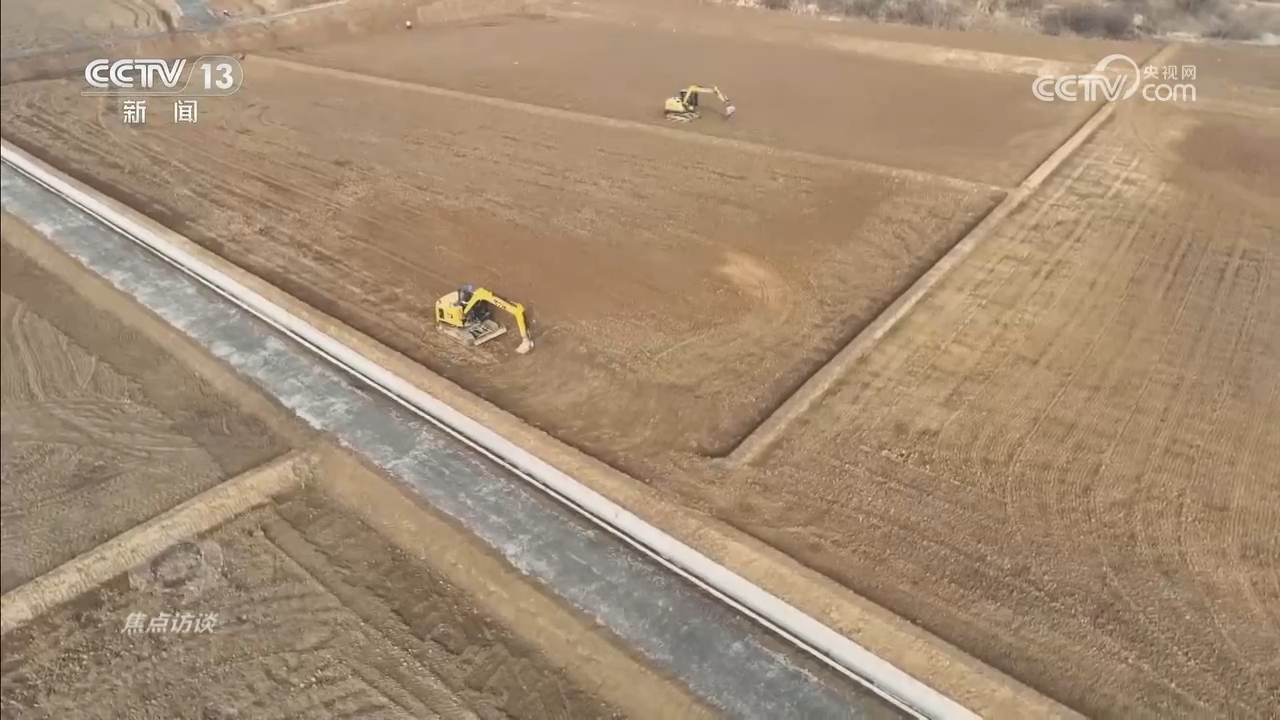
中央一号文件丨中央一号文件首次系统性部署实施常态化精准帮扶
Xin Hua She· 2026-02-03 10:38
新华社北京2月3日电(记者韩佳诺)3日对外发布的2026年中央一号文件提出,实施常态化精准帮扶。 这是中央一号文件首次对这一重大举措进行系统性部署。 中央一号文件起草组成员表示,常态化帮扶要在精准。文件明确提出提高监测帮扶精准性时效性,就是 要把精准方略贯穿监测帮扶全过程,优化完善现行监测帮扶体系。既要坚持精准识别,也要坚持精准帮 扶,根据防止返贫致贫对象的实际困难程度和类型条件,精准落实帮扶措施。此外,还要坚持精准退 出,加强防止返贫致贫对象的动态管理,需要帮扶的及时纳入帮扶,稳定消除风险的有序退出。 今年的中央一号文件对健全常态化帮扶政策体系、提高监测帮扶精准性时效性、提升产业和就业帮扶实 效、分层分类帮扶欠发达地区等进行了具体部署,明确把常态化帮扶纳入乡村振兴战略统筹实施,保持 财政投入、金融支持、资源要素配置等方面政策总体稳定。 "这些部署旨在构建长效机制,推动帮扶工作从阶段性安排向稳定性、规范性制度转型,确保政策连续 稳定,为长久守住不发生规模性返贫致贫底线、持续巩固拓展脱贫攻坚成果提供了坚实制度保障。"中 国人民大学教授、国家粮食安全战略研究院院长程国强说。 中央一号文件起草组成员说,打赢脱贫攻坚 ...
首提“常态化精准帮扶”,专家解读2026年中央一号文件
Yang Shi Xin Wen· 2026-02-03 10:36
市场有风险,投资需谨慎。本文不构成个人投资建议,也未考虑到个别用户特殊的投资目标、财务状况或需要。用户应考虑本文中的任何 意见、观点或结论是否符合其特定状况。据此投资,责任自负。 今年是5年过渡期结束后进入常态化帮扶的第一年。中央一号文件首次提出"常态化精准帮扶"的概念。 中国农业大学副校长林万龙:最大的不同就是三个字,常态化。2020年之前叫攻坚期,2021年到2025年 是叫过渡期,从2026年开始,明确提出来叫常态化帮扶,里面的核心就是大稳定,小调整。总体来说, 之前的措施是行之有效的,这些措施要稳定下来。当然也有一些具体政策举措,它面临进一步优化的问 题,所以叫小调整。(央视) 风险提示及免责条款 ...
首提“常态化精准帮扶” 专家解读2026年中央一号文件
Yang Shi Xin Wen Ke Hu Duan· 2026-02-03 10:32
Core Viewpoint - The central document emphasizes the modernization of agriculture and rural areas, aiming for comprehensive rural revitalization as a key theme for the year [1] Group 1: Agricultural Modernization - The document sets a target for agricultural modernization, focusing on strengthening the agricultural foundation and addressing shortcomings in rural modernization [1] - By 2025, China's grain production is expected to remain stable at over 1.4 trillion jin for two consecutive years, with an emphasis on enhancing agricultural production capacity and quality [1] Group 2: Continuous Support for Poverty Alleviation - The concept of "normalized precise assistance" is introduced, marking the transition from a five-year transition period to ongoing support for poverty-stricken areas and populations [2][3] Group 3: Agricultural Production and Quality - Key measures include maintaining grain planting areas, improving single yield for grain and oil crops, and aligning agricultural development with consumer demand [4] - The focus is on increasing farmers' income through various means, including enhancing the entire agricultural supply chain [5] Group 4: Employment and Income Stability - The document highlights the importance of stable income for farmers, with a target of reaching an average disposable income of 24,456 yuan per rural resident by 2025, reflecting a 6% increase from the previous year [6] - Strategies for income stability include promoting operational and wage income, as well as enhancing employment support [6][8] Group 5: Tailored Rural Development - The document stresses the need for "tailored" approaches in rural construction, considering regional differences in economic and social development [7][9] - It advocates for a differentiated path in rural development, emphasizing local advantages and ecological preservation [7]
奋发有为扎实推进乡村全面振兴
Xin Lang Cai Jing· 2025-12-30 20:11
Core Insights - The Central Rural Work Conference held in Beijing emphasized the importance of "Three Rural Issues" (agriculture, rural areas, and farmers) and outlined the direction for future efforts in agricultural modernization and rural revitalization [1][2] Group 1: Agricultural Production - The national grain production has stabilized at over 1.4 trillion jin, despite challenges from natural disasters [1] - Farmers are encouraged to enhance grain production, with a focus on advanced agricultural technologies such as drones and integrated water and fertilizer systems [2] Group 2: Rural Revitalization - The "14th Five-Year Plan" period is critical for achieving socialist modernization, with a strong emphasis on rural revitalization and urban-rural integration [1] - The integration of technology in agriculture is seen as essential for improving crop yields and quality, particularly in rice production [2] Group 3: Poverty Alleviation and Employment - Consolidating and expanding the achievements of poverty alleviation is a key task during the rural revitalization phase, with a focus on precise assistance measures [3] - The use of big data platforms for matching assistance measures aims to eliminate risks of returning to poverty [3] Group 4: Community Development - The development of beautiful and livable rural areas is emphasized, with initiatives to transform local resources into sustainable income sources [4] - The leadership of the Communist Party is highlighted as fundamental to the success of rural revitalization efforts [5]
建立常态化防止返贫致贫机制 帮扶不是“到期就撤”
Jing Ji Ri Bao· 2025-11-18 06:17
Core Viewpoint - Consolidating and expanding the achievements of poverty alleviation is a bottom-line task for promoting comprehensive rural revitalization, requiring continuous vigilance and proactive measures to prevent the risk of returning to poverty [1][2] Group 1: Mechanisms and Strategies - The establishment of a normalized mechanism to prevent the return to poverty is essential, as some farmers will continue to face difficulties due to illness, accidents, or disasters [1][2] - The "14th Five-Year Plan" emphasizes the need for layered and categorized support for low-income rural populations and underdeveloped areas to build a stronger defense against poverty [1][2] - The transition period has shown that effective methods from poverty alleviation can be applied to rural revitalization, and vice versa, ensuring that support does not cease abruptly after the transition [2] Group 2: Implementation of Support - Normalized and precise assistance is crucial, which involves timely identification and intervention to eliminate risks at their inception [2][3] - Differentiated measures should be taken based on the actual difficulties faced by the beneficiaries, with greater support for those in more severe conditions [3] - Development-oriented assistance focuses on empowering those with labor capabilities through industry, employment, health, and education, while comprehensive social security measures are in place for those without such capabilities [3]
中经评论:帮扶不是“到期就撤”
Jing Ji Ri Bao· 2025-11-18 00:02
Core Viewpoint - The establishment of a normalized mechanism to prevent poverty and ensure sustainable development is essential following the end of the transition period after China's historic poverty alleviation success, which saw nearly 100 million rural poor lifted out of poverty by the end of 2020 [1][2]. Group 1: Mechanism for Poverty Prevention - The Central Committee's proposal emphasizes the need for a long-term mechanism to prevent the return to poverty, recognizing that some farmers will still face challenges such as illness and disasters [1]. - The transition period has shown that targeted support for low-income rural populations and underdeveloped areas is necessary to build a stronger defense against poverty [1][2]. Group 2: Integration of Poverty Alleviation and Rural Revitalization - The experience from the transition period indicates that methods used in poverty alleviation should be applied to rural revitalization, and vice versa, to ensure sustainable development [2]. - Continuous support is crucial, and the focus should be on timely identification and intervention to mitigate risks of returning to poverty [2][3]. Group 3: Precision in Support Measures - The approach to support must be pragmatic and differentiated, addressing specific difficulties faced by individuals [3]. - Support should be tiered based on the severity of the challenges faced by beneficiaries, with greater assistance for those in more difficult situations [3]. Group 4: Development-Oriented Support - Development-oriented support is highlighted as a key strategy, focusing on enhancing capabilities in industry, employment, health, and education to empower individuals to improve their own circumstances [3]. - The emphasis is on fostering self-reliance and avoiding dependency on aid, while also ensuring comprehensive social security for those unable to work [3].
帮扶不是“到期就撤”
Jing Ji Ri Bao· 2025-11-17 22:21
Core Viewpoint - Consolidating and expanding the achievements of poverty alleviation is a bottom-line task for promoting comprehensive rural revitalization, requiring continuous vigilance and intervention to prevent the risk of returning to poverty [1][2] Group 1: Mechanisms and Strategies - The establishment of a normalized mechanism to prevent returning to poverty is essential, as some farmers will still face difficulties due to illness, accidents, or disasters [1][2] - The transition period has ended, and the focus will shift to layered and categorized support for low-income rural populations and underdeveloped areas to strengthen the defense against poverty [1][2] - The "15th Five-Year Plan" period marks the first five years after the transition, emphasizing the need for ongoing support rather than a withdrawal of assistance [2] Group 2: Implementation of Support - Normalized and precise assistance is crucial, which involves timely identification and intervention to eliminate risks at their inception [2][3] - The approach to assistance should be differentiated based on the actual difficulties faced by the beneficiaries, with greater support for those in more severe conditions [3] - Development-oriented assistance focuses on empowering those with labor capabilities through industry, employment, health, and education, while ensuring basic living standards for those without such capabilities through comprehensive social security measures [3] Group 3: Focus on Development - Development-oriented assistance is a key feature of China's poverty alleviation strategy and is essential for comprehensive rural revitalization [3] - Emphasis should be placed on fostering self-reliance and expanding income channels for farmers, which supports both poverty prevention and rural revitalization [3] - Local advantages should be leveraged, respecting economic laws and enhancing long-term cultivation to improve quality and competitiveness [3]