
文化遗产保护

Search documents
作家刘心武人民日报撰文谈四川安岳:在故乡柠檬飘香
Xin Lang Cai Jing· 2026-01-17 00:12
Core Viewpoint - The article highlights the transformation of Anyue County in Sichuan, China, from a lesser-known region to a prominent producer of lemons, establishing a diverse lemon-related industry and cultural heritage [3][4][5]. Group 1: Lemon Industry Development - Anyue has successfully developed a lemon industry that includes products such as lemon pectin, dietary fiber, dried lemons, lemon tea, lemon sugar, lemon sauce, lemon wine, lemon soap, lemon perfume, lemon bath products, and lemon cosmetics [4]. - The lemon production process in Anyue has achieved mechanization and automation, maximizing the utilization of the entire lemon fruit, including the flesh, peel, seeds, and pulp [5]. - Anyue lemons currently hold a market share of 70-80% in China and are also exported to Southeast Asia and several European countries [5]. Group 2: Cultural Heritage - Anyue is home to valuable cultural heritage, particularly ancient stone carvings from the Tang and Song dynasties, which are considered to be as rich and beautiful as the well-known Dazu stone carvings [6]. - The economic strength gained from the lemon industry has led to increased awareness and action towards the protection of stone carvings, linking them with lemon orchards to enhance cultural tourism [6].

苏丹政府成功追回丢失的570件文物
Zhong Guo Xin Wen Wang· 2026-01-14 07:52
Group 1 - The Sudanese government successfully recovered 570 cultural artifacts lost during ongoing armed conflicts [1] - The recovery ceremony took place in Port Sudan, showcasing ancient statues, stone tools, pottery, and bronze items [1] - The Sudanese National Intelligence Service reported that over 4,000 artifacts were lost due to the looting and destruction of museums and archaeological sites in recent years [1] Group 2 - The UNESCO representative in Sudan emphasized the cultural heritage's significance not only to the nation but also to humanity, highlighting the importance of international cooperation in protecting cultural heritage during armed conflicts [1] - Since April 2025, Sudan has collaborated with Interpol and UNESCO to recover artifacts reportedly smuggled out of the country [2]
国内唯一唐代金甲完成修复 社科院发布多项科技考古重大成果
Yang Shi Xin Wen· 2026-01-14 07:05
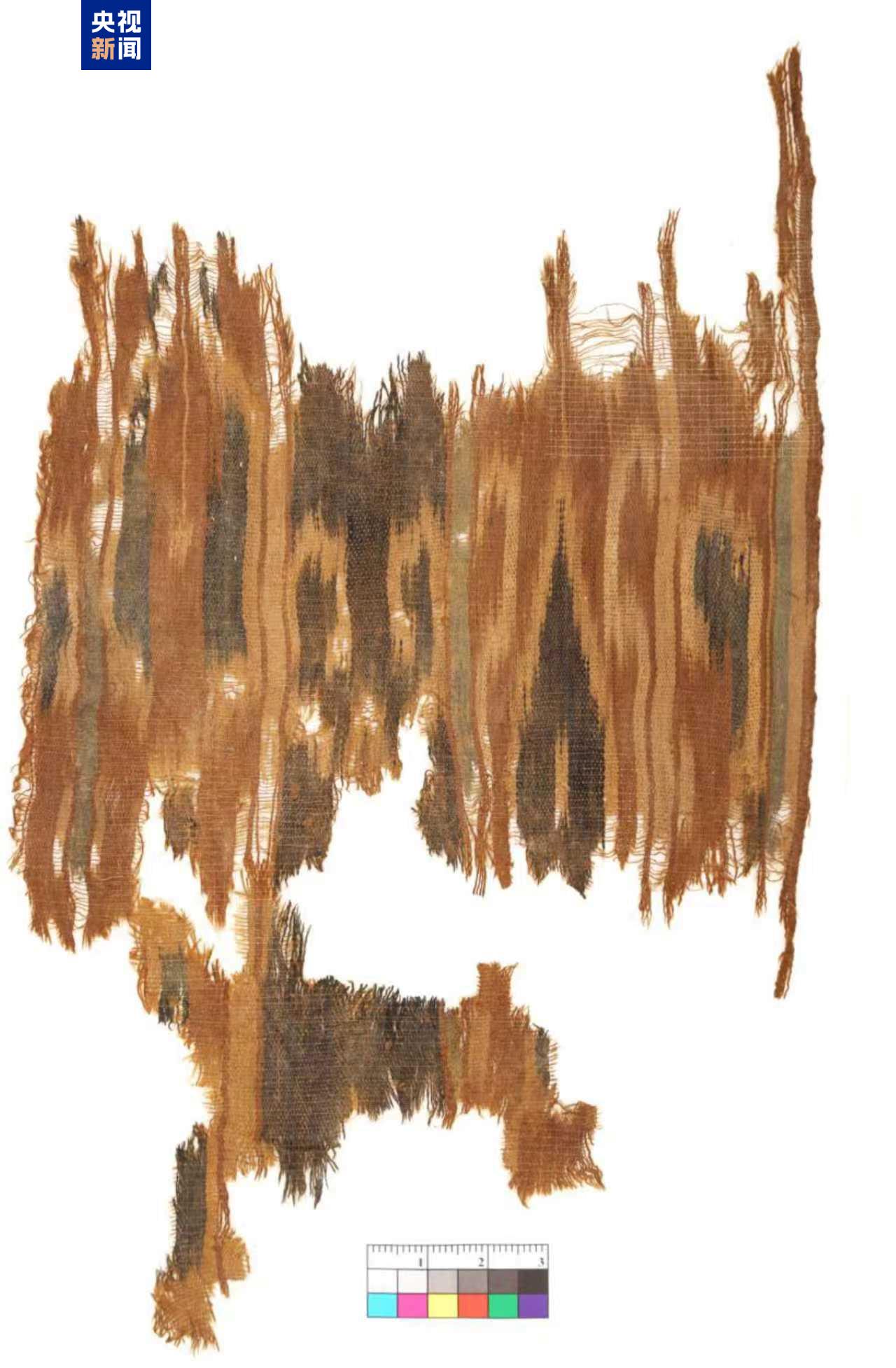
Group 1 - The Chinese Academy of Social Sciences released significant achievements in technological archaeology and cultural heritage protection on January 14 [1] - The restoration of artifacts from the 2018 Blood Wei No. 1 tomb in Qinghai Dulan, including the only existing Tang Dynasty gold armor, showcases the ceremonial customs of the Tuyuhun royal family [3] - A lacquer plate, once used for grapes, was confirmed through scientific analysis to employ the top-tier Tang Dynasty gold and silver relief technique [3] Group 2 - A piece of dyed fabric, dated no later than 750 AD through carbon-14 dating, is the earliest known example of this textile technique globally, indicating that ancient China was a major source of this classical textile technology [3] - The use of dendrochronology and other scientific methods allowed experts to identify ancient tree remains from the Zhejiang Shiyao site, dating back approximately 4,500 years, providing crucial data on the dietary structure and economic activities of the Liangzhu culture [6] - The establishment of a Chinese animal resource specimen library includes the earliest known dog and pig specimens from archaeological sites, totaling over 100,000 pieces, which offers comprehensive archaeological evidence for the study of Chinese civilization [8]
富阳:千年新登古城墙有了法治“护城河”
Hang Zhou Ri Bao· 2026-01-14 02:59
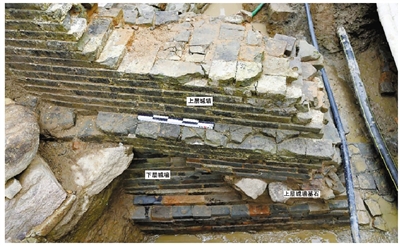
Core Viewpoint - The implementation of the "Regulations on the Protection of the Ancient City Wall of Xindeng, Fuyang District, Hangzhou" marks a significant step towards the standardized and long-term protection of ancient city walls in China, particularly the well-preserved Xindeng city wall, which is set to be included in the preliminary list for UNESCO World Heritage status by the end of 2024 [2][3] Group 1 - The newly enacted regulations are the first local legislation in the field of ancient city wall protection at the county level in China, providing a legal framework for the management and preservation of the Xindeng city wall [2] - The Xindeng city wall, established during the Tang Dynasty and shaped during the Ming Dynasty, is one of the most complete city walls in the province, filling a gap in the hierarchy of county-level city walls in China [2] - The regulations detail the management system, operational mechanisms, and protection planning for the city wall, including the establishment of a dedicated management office for monitoring, maintenance, and scientific control of vegetation on the wall [2][3] Group 2 - The successful implementation of the regulations involved collaboration from various stakeholders, including the Municipal Garden and Cultural Bureau, which provided professional input throughout the legislative process [3] - Post-implementation, the Municipal Garden and Cultural Bureau will enhance regulatory oversight of the city wall's protection, ensuring that cultural heritage is integrated with economic and social development [3] - The regulations serve as a legal safeguard for the ancient city's cultural heritage, promoting a deeper integration of protection efforts with the application for UNESCO World Heritage status, thereby revitalizing the historical significance of the city wall [3]
杭州“四普”新收获!富阳复核、新列10处造纸遗迹
Hang Zhou Ri Bao· 2026-01-14 02:38
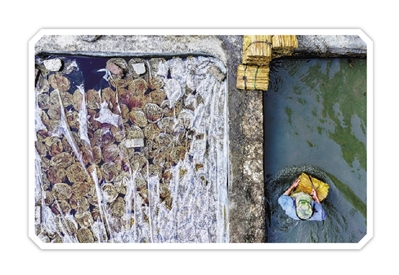
Core Viewpoint - The article highlights the rich history and cultural significance of traditional paper-making in Fuyang, particularly through the "Yuezhuzhai" workshop, which preserves ancient techniques and has recently been recognized as a living heritage site [10][11]. Group 1: Traditional Paper-Making Techniques - The traditional paper-making process involves 72 intricate steps, requiring several months to complete a single piece of Yuan paper, emphasizing the importance of quality materials and methods [11]. - The workshop utilizes local resources, such as high-quality bamboo and spring water, to create paper that is both durable and aesthetically pleasing [11][12]. - The craft has been passed down through generations, with the current inheritor, Pan Xiaoying, representing the ninth generation of artisans dedicated to this heritage [11][12]. Group 2: Cultural and Historical Significance - Fuyang's paper-making tradition dates back over 1,900 years, with its bamboo paper known for its thinness and strength, making it highly sought after by artists and collectors [13]. - The region has produced notable paper products that have gained recognition both domestically and internationally, contributing to Fuyang's reputation as a "hometown of paper-making" [13]. - Recent archaeological efforts have uncovered ancient paper-making sites, further solidifying Fuyang's historical importance in the craft [13][15]. Group 3: Preservation and Innovation - The recent cultural heritage survey has led to the identification and protection of multiple paper-making sites, including "Yuezhuzhai," ensuring the continuation of this traditional craft [15]. - Innovative measures have been implemented to protect historical buildings and sites, allowing for the preservation of cultural heritage while accommodating modern needs [15]. - The workshop has adapted to contemporary demands by expanding the size of bamboo paper and reviving traditional paper types, thus appealing to modern artists [12].
外国友人镜头里欣欣向荣的中国——“小家”热气腾腾 “大家”蒸蒸日上
Ren Min Ri Bao· 2026-01-13 05:15
Group 1 - The article emphasizes the importance of innovation in driving high-quality development in China's technology sector, highlighting the integration of scientific research and practical applications [2][5] - China's research environment is described as internationally leading, fostering innovation and exploration, which provides vast development opportunities for researchers [3] - The collaboration among government, enterprises, and universities is focused on addressing real-world problems, transforming cutting-edge research into practical solutions for everyday life [4] Group 2 - The article illustrates the positive impact of development in regions like Xinjiang, where local communities experience improved living standards and express hope for the future [6] - Cultural heritage is highlighted as a vital aspect of daily life in China, contributing to the spiritual well-being of its people and enhancing the recognition of Chinese civilization [11] - The successful hosting of the 9th Asian Winter Games in Harbin is noted as a significant event that showcases China's advancements in sports and technology, attracting global attention [12]
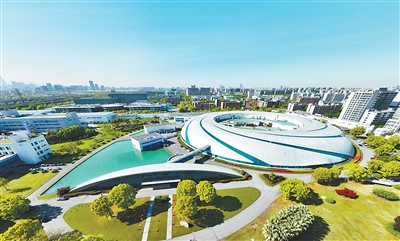
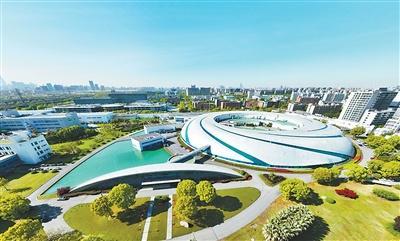
“小家”热气腾腾 “大家”蒸蒸日上(在中国·看中国)
Ren Min Wang· 2026-01-12 22:33
Group 1: Innovation and Development - China's technology industry is deeply integrated, with continuous innovation results emerging, supported by a leading research environment that encourages exploration and provides vast development space [2][4] - The Chinese government, enterprises, and universities are actively collaborating to transform cutting-edge research into practical solutions that address real-world problems, aiming to create a better future through scientific and technological innovation [4] Group 2: Cultural Heritage and Quality of Life - Cultural heritage in China is not only preserved but also integrated into daily life, enriching people's spiritual homes and enhancing their sense of identity and connection to civilization [11] - The successful hosting of the 9th Asian Winter Games in Harbin highlights China's growing prominence in winter sports and its ability to attract global attention through exciting events and advanced venues [13] Group 3: International Cooperation and Openness - China is committed to deepening connectivity and practical cooperation among member states of the Shanghai Cooperation Organization, effectively maintaining regional security and promoting common development [15] - The official launch of the Hainan Free Trade Port marks a new stage in China's openness, providing opportunities for growth and development for both local and international communities [16]
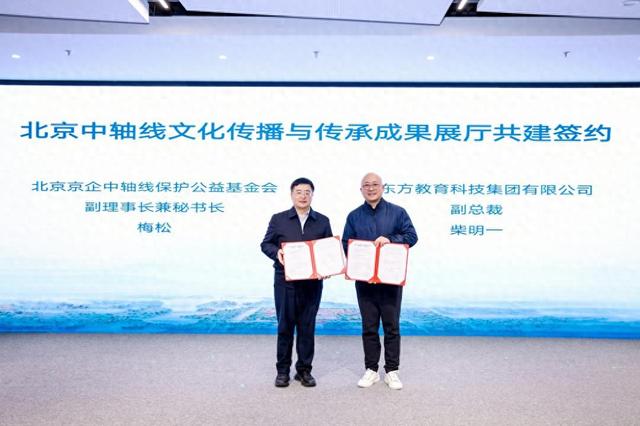
新东方共建北京中轴线成果展厅,为青少年打造沉浸式文化传承新坐标
Huan Qiu Wang· 2026-01-12 10:17
Core Perspective - The Beijing Central Axis World Cultural Heritage Youth Dialogue Conference successfully brought together 150 primary and secondary schools in Beijing, creating a platform for youth to engage with and understand the cultural significance of the Central Axis [1] Group 1: Exhibition and Collaboration - The "Beijing Central Axis Cultural Communication and Heritage Achievement Exhibition Hall" was officially launched, representing a milestone in the collaboration between New Oriental and the Beijing Central Axis Protection Public Welfare Foundation [3] - A "Beijing Central Axis Cultural Education Special Fund" was initiated to support talent cultivation for cultural heritage protection and sustainable development, particularly for underprivileged students [3] - The exhibition hall aims to integrate culture, technology, and education, showcasing the historical significance and innovative preservation of the Central Axis [5] Group 2: Educational Impact and Experience - The exhibition hall serves as a "showcase" of collective wisdom and protection achievements, allowing the public, especially youth, to visually appreciate the efforts made in preserving the Central Axis [5] - It functions as an "experience station" that utilizes digital technology to make historical culture engaging and interactive, transforming it into a "second classroom" for deeper understanding [5] - The hall is designed to connect history with the future, fostering cultural confidence and integrating the spirit of the Central Axis into contemporary life [5] Group 3: Innovative Presentation - The exhibition employs a three-part narrative framework of physical models, innovative achievements, and digital resources to present the Central Axis [6] - It features a miniature model of the Central Axis and utilizes dynamic lighting and audio explanations to convey its multifaceted significance [6] - The exhibition breaks temporal limitations, guiding visitors through a journey of historical appreciation, innovation, and future outlook [6] Group 4: Ongoing Commitment - New Oriental has been involved in the cultural heritage transmission and innovation competition since 2022, providing technical support and actively participating in the heritage application process [8] - The company has developed high-quality educational products to enhance the cultural value of the Central Axis through experiential learning [8] - The exhibition hall is envisioned as a dynamic educational site and a collaborative platform for cultural transmission, emphasizing the importance of heritage for future generations [10]


以法治之力让文化的光芒更璀璨
Shan Xi Ri Bao· 2026-01-12 00:28
Core Viewpoint - The article highlights the legislative efforts in Shaanxi province during the "14th Five-Year Plan" period to enhance cultural heritage protection and promote cultural development through local laws and regulations. Group 1: Legislative Achievements - During the "14th Five-Year Plan," Shaanxi's provincial legislature enacted 4 local regulations and revised 1, while approving 22 regulations from district-level cities, emphasizing the importance of legal frameworks in cultural development [1][2]. - The "Regulations on the Protection of Baota Mountain" were established to address practical issues in the management and protection of this revolutionary landmark, marking a new model of characteristic legislation [2]. - The "Regulations on the Protection and Development of Hanzhong Rattan Weaving" created a three-dimensional inheritance system for this intangible cultural heritage, focusing on recording, inheriting, and innovating [3]. Group 2: Cultural Heritage and Arts Protection - The "Regulations on the Protection and Development of Qin Opera" were introduced as the first provincial-level regulations in the country, providing a comprehensive framework for the development and protection of this ancient art form [4][5]. - The "Regulations on the Protection of the Yellow Emperor's Tomb" emphasize the historical, cultural, and social values of the site, marking a new phase in its legal protection [5]. - The "Regulations on the Protection and Utilization of Revolutionary Cultural Relics" provide legal guidelines for the management and utilization of revolutionary heritage [6]. Group 3: Supervision and Implementation - The provincial legislature has prioritized cultural prosperity as a key area for supervision, conducting multiple inspections to ensure the implementation of cultural laws and regulations [7][8]. - Continuous monitoring of the implementation of laws related to intangible cultural heritage has led to increased financial support for local cultural practitioners, enhancing their ability to pass on traditional skills [8][9]. - The legislature plans to deepen its supervisory efforts in the "15th Five-Year Plan" to ensure that cultural laws are effectively enforced and cultural confidence is strengthened [9].
滦州响水桥入选省第七批文物保护单位
Xin Lang Cai Jing· 2026-01-11 01:44
Core Viewpoint - The Hebei Provincial Government has officially announced the seventh batch of provincial-level cultural relic protection units, with a total of 70 sites selected, including ancient cultural sites, tombs, buildings, and modern historical landmarks [1] Group 1: Cultural Heritage Protection - The inclusion of the Xiangshui Bridge in Luan County as a provincial-level cultural relic protection unit highlights its historical significance and the ongoing efforts in cultural heritage protection in the region [1] - The Xiangshui Bridge is a three-arch stone bridge measuring 15.2 meters in length, 4.9 meters in width, and 1.9 meters in height, showcasing typical ancient stone arch bridge construction techniques [1] - Recent efforts in cultural heritage protection have led to the completion of the fourth national cultural relic census, expanding the total number of immovable cultural relics in the city to 2,685, with 1,371 new additions [1] Group 2: Local Government Initiatives - The local government has undertaken significant restoration efforts, including emergency reinforcement of the Xiangshui Bridge in 2015, which involved completing missing stone railings to ensure its preservation [1] - The establishment of a comprehensive protection and inheritance system for cultural heritage, including museums and intangible cultural heritage, has been enhanced to support the preservation of valuable historical sites like the Xiangshui Bridge [1]