民生福祉

Search documents
用心用情为居民做好事办实事 龚正主持街镇基层干部代表座谈会听取意见建议
Jie Fang Ri Bao· 2026-01-10 01:00
Group 1 - The meeting focused on gathering opinions and suggestions from grassroots representatives regarding the 2026 Government Work Report and government operations [1] - Suggestions included improving the structure of beds in elderly care institutions, enhancing community-based elderly services, and encouraging more social participation [1] - Other recommendations involved optimizing land use and housing repair policies in rural areas to enhance farmers' sense of gain and promote economic and ecological value [1] Group 2 - The mayor emphasized the importance of grassroots work in achieving high-quality development and addressing the urgent needs of urban and rural residents [2] - There is a commitment to reducing burdens on grassroots levels, promoting resource allocation, and enhancing support for grassroots governance [2] - The government aims to strengthen the governance system at the grassroots level, ensuring it aligns with the characteristics and rules of a megacity [2]
龚正主持召开街镇基层干部代表座谈会,就《政府工作报告》听取基层代表意见建议
Di Yi Cai Jing· 2026-01-09 15:01
Core Viewpoint - The Shanghai government is focusing on strengthening support for grassroots cadres and enhancing their welfare while soliciting opinions for the 2026 Government Work Report from grassroots representatives [1][2]. Group 1: Government Initiatives - The government aims to support the adjustment and improvement of bed structures in elderly care institutions and deepen community-based elderly care services, encouraging more social participation [1]. - There is a push to optimize policies related to land use and housing repairs in rural areas to enhance farmers' sense of gain and unlock economic and ecological value in rural regions [1]. - The government plans to promote the renovation and quality improvement of old residential communities and establish a maintenance guarantee mechanism for high-rise building facades to ensure urban safety [1]. Group 2: Grassroots Cadre Engagement - The Shanghai government emphasizes the importance of grassroots cadres in driving high-quality development and addressing urgent issues faced by urban and rural residents [2]. - There is a commitment to reducing burdens on grassroots levels, ensuring resources, management, and services are directed towards them, and enhancing support for grassroots innovation and exploration [2]. - The government recognizes grassroots governance as the foundation for managing a megacity like Shanghai and aims to develop a new approach to grassroots work that aligns with the city's characteristics and regulations [2].
集大原高铁一周年的“晋蒙加速度”
Xin Lang Cai Jing· 2026-01-04 09:41
Core Insights - The opening of the Jidong-Yuanping high-speed railway has significantly transformed travel between Shanxi Province and Inner Mongolia, reducing travel time from 5 hours to just over 2 hours, and integrating Inner Mongolia into the national high-speed rail network [1][2] - The railway has transported over 10.3 million passengers in its first year, enhancing cross-regional mobility and contributing to the development of the Jin-Mongolia region [1][2] Group 1: Travel Transformation - The Jidong-Yuanping high-speed railway has created a rapid passenger transport corridor between Taiyuan and Hohhot, effectively reshaping travel patterns in the region [1] - The railway facilitates a diverse travel experience, allowing tourists to visit multiple cultural sites in a single day, thus enhancing the tourism landscape along the route [1] Group 2: Impact on Quality of Life - The high-speed railway is described as a "people's line," making commuting, studying, and medical visits more convenient for residents along the route, thereby improving their quality of life and happiness [2] - The railway has fostered deeper connections and understanding between the people of Shanxi and Inner Mongolia, promoting regional cohesion and shared development [2]
“小家”与“大家”(人民论坛)
Ren Min Ri Bao· 2026-01-04 01:12
Group 1 - The core message emphasizes the transformation of local communities, highlighting the shift from challenges in selling products to increased demand and opportunities for growth, particularly in Meizhou's Nanfuzhen village [1] - The importance of addressing the needs of the people is underscored, with references to various localities where leaders express commitment to improving the lives of residents, reflecting a broader strategy to connect individual and collective well-being [2] - The narrative illustrates the relationship between national strength and local welfare, showcasing how policies and economic growth enhance the quality of life for citizens, including support for new employment groups and cultural initiatives [4] Group 2 - The text conveys the essence of dedication to public service, portraying the fulfillment derived from contributing to the happiness of the people, as expressed by party members and their commitment to community welfare [5] - A vision for the future is presented, indicating that the groundwork has been laid for continued progress and development, with a call to action for ongoing efforts to realize this vision [6]
突出民生福祉 办好惠民实事
Xin Lang Cai Jing· 2026-01-03 20:20
Group 1 - The core viewpoint emphasizes the commitment of Nanning to deepen reforms in the livelihood sector during the "14th Five-Year Plan" period, focusing on employment, education, social security, healthcare, and services for the elderly and children [1][2][3] Group 2 - Nanning aims to enhance employment and entrepreneurship by establishing a robust employment promotion mechanism, stabilizing and expanding employment for key groups, and creating a "15-minute" employment service circle [1] - The city plans to improve educational quality by implementing free preschool education policies, promoting balanced development in compulsory education, and enhancing high school revitalization efforts [2] - Nanning will strengthen social security by developing a multi-tiered pension system, expanding medical insurance coverage, and improving service accessibility for vulnerable groups [2][3] - The healthcare system will be improved by advancing public hospital reforms, enhancing grassroots medical service capabilities, and promoting health data sharing [2] - Nanning will optimize support policies for childbirth and elderly care, develop integrated childcare services, and enhance the elderly care network [3] - The city will promote equal access to public services and improve resource allocation to enhance the quality of life for its residents [3]
国际人士:中国取得持续发展 高度重视民生福祉
Yang Shi Xin Wen Ke Hu Duan· 2026-01-02 08:57
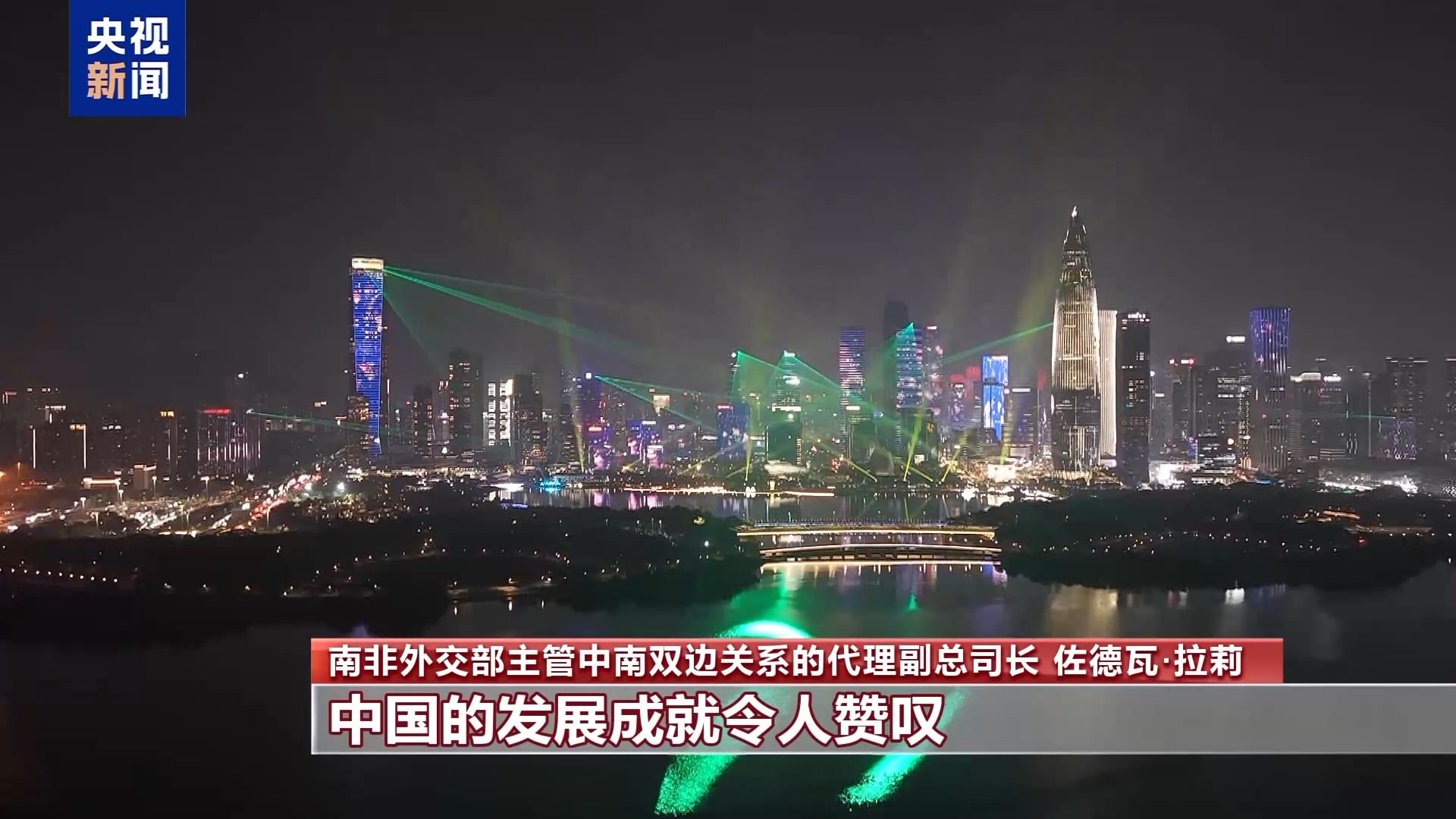
Group 1 - The core message of President Xi Jinping's New Year address emphasizes China's development philosophy and vision, highlighting the importance of people's well-being [1][5] - Xi's speech covers significant themes such as "dream-seeking," "Chinese-style modernization," "high-quality development," "new productivity," and "technological innovation," showcasing a comprehensive national development vision [1] - International figures recognize Xi's address as impactful, noting that it not only targets China but also conveys messages to the world, reflecting China's commitment to mutual development with other nations [3][5] Group 2 - Xi's initiatives have received widespread acclaim from various countries, particularly in Africa, where many nations share similar development goals with China [5] - The address underscores China's economic achievements while stressing that the ultimate purpose of development is to enhance people's happiness, a concept that resonates with European values [6] - Observers from different countries, including South Africa and Germany, express admiration for China's progress and its role in global development, indicating a positive outlook for China's future [3][6][8]

守望那片湛蓝——连云五年,向海图强
Yang Zi Wan Bao Wang· 2025-12-29 08:45
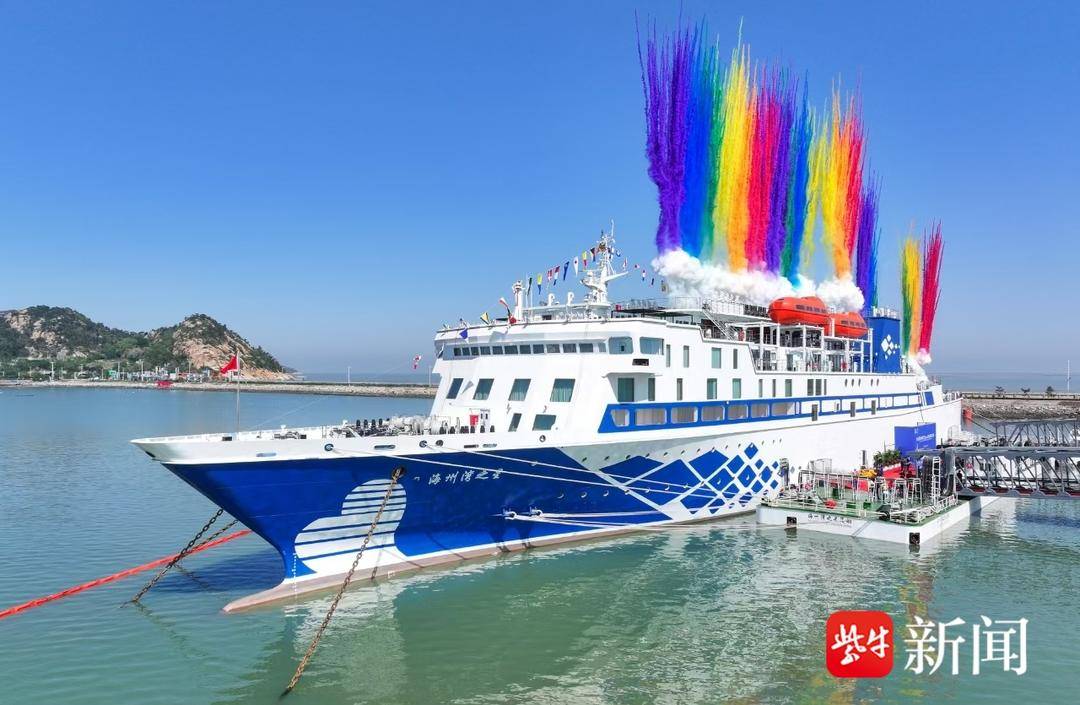
Core Insights - Lianyungang District has achieved significant progress during the "14th Five-Year Plan" period, focusing on maritime development despite a challenging environment [1] Maritime Economy - The district has successfully implemented innovative aquaculture practices, such as "rotational farming" of various seafood, which has increased production and transformed traditional fishermen into modern aquaculture practitioners [3] - Over 600 million yuan has been invested in marine projects, resulting in an annual production of over 100,000 tons of oysters, enhancing the local seafood supply chain [3] Port and Logistics - The port serves as a vital hub for international logistics, with significant investments in infrastructure and innovative reforms, such as standardized transactions for second-hand containers [6] - More than 80 billion yuan has been invested in the region over the past five years, demonstrating a commitment to creating a favorable business environment [6] Urban Development and Quality of Life - The district has seen the addition of approximately 5,200 new educational slots and the establishment of high-quality medical facilities, improving access to education and healthcare [9] - Urban renewal initiatives have included the creation of pocket parks and the renovation of old neighborhoods, contributing to a more livable city [9] Future Outlook - Lianyungang District aims to continue enhancing its maritime economy, deepen reforms, and improve the quality of life for residents, positioning itself for higher quality development [10]
实干开新局 奋斗谱新篇 在沈阳全面振兴中展现于洪担当
Xin Lang Cai Jing· 2025-12-28 20:28
Group 1 - The core viewpoint of the article emphasizes the commitment of the Yuhong District to implement the municipal government's decisions and strategies for economic development in 2026, focusing on practical execution and achieving significant results in revitalizing the region [1][2] - Yuhong District aims to enhance its logistics capabilities by developing a land port logistics hub and applying for a bonded logistics center, targeting international trade and cross-border e-commerce, as well as manufacturing enterprises with high railway logistics demands [1][2] - The district plans to accelerate the construction of key projects, including government-supported investments and ongoing projects in commercial aerospace and new materials, to stabilize economic growth [1][2] Group 2 - Yuhong District is focused on transforming its industrial structure by advancing traditional industries like equipment manufacturing and food processing, while also promoting emerging sectors such as new energy and low-altitude economy [2] - The district is committed to creating a first-class business environment by ensuring legal compliance and integrity, aiming for significant improvements in the business climate in the short term [2] - Yuhong District prioritizes enhancing the quality of life for its residents by improving employment services, educational infrastructure, and community development to address pressing social issues [2]
“十四五”时期山东完成2.17万项审计
Qi Lu Wan Bao· 2025-12-23 10:46
Core Viewpoint - The Shandong Provincial Government is focusing on enhancing the quality of auditing during the 14th Five-Year Plan period to support the construction of a strong province, with significant achievements in various sectors through comprehensive auditing efforts [1][2][3][4][6]. Group 1: Audit Projects and Economic Impact - A total of 21,320 audit projects have been conducted, significantly contributing to the smooth implementation of government policies, deepening reforms, maintaining economic security, and promoting integrity [1]. - The auditing efforts have facilitated the revitalization of 2.132 billion yuan in existing funds through systematic audits in key areas along the Yellow River [1]. - Audits related to economic stability and development policies have been implemented, including 56.02 billion yuan in subsidies to enterprises [2]. Group 2: Environmental and Resource Audits - Systematic audits focusing on natural resource development and ecological governance have been conducted, including the establishment of a natural resource asset audit evaluation system [1]. - The auditing of green and low-carbon development policies has been initiated to support the transition towards a more sustainable economy [1]. Group 3: Financial Audits and Risk Management - The Shandong Provincial Audit Office has implemented 17 key financial audit projects, identifying and reporting 101 major violations involving 122 individuals [6]. - A three-year action plan for financial audits aims to achieve comprehensive coverage of provincial financial supervision, focusing on risk prevention and regulatory strengthening [6]. Group 4: Social Welfare and Community Audits - Audits in agriculture and rural development have included 682 projects aimed at promoting rural revitalization and addressing community issues, with 907 problem leads transferred to disciplinary inspection agencies [4]. - Education and health audits have been conducted to ensure compliance with policies and improve service quality, including special investigations into food safety in schools [4].
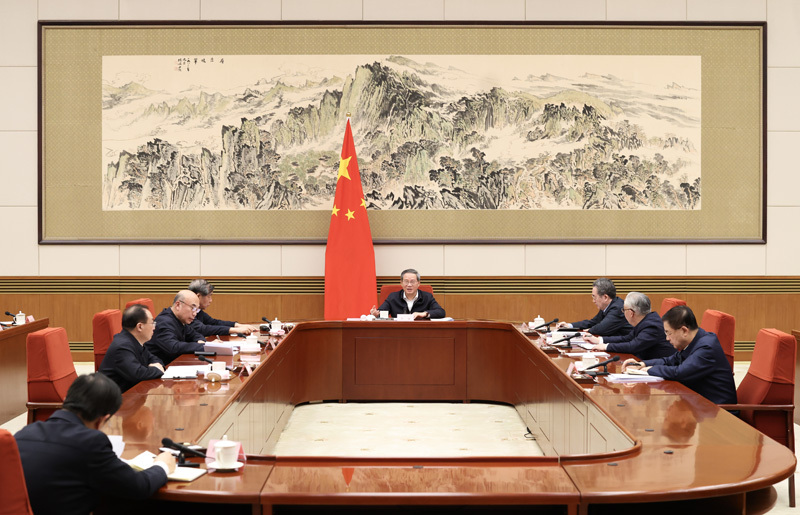
国务院主持召开“十五五”规划《纲要草案》编制工作领导小组会议强调深入学习贯彻习近平总书记重要讲话精神 进一步做好“十五五”规划纲要编制工作 丁薛祥出席
Xin Hua She· 2025-12-23 02:43
Group 1 - The meeting chaired by Premier Li Qiang focuses on the compilation of the "14th Five-Year Plan" outline, emphasizing the importance of aligning with Xi Jinping's directives [2][4] - The National Development and Reform Commission reported on the progress of the outline's compilation, indicating a solid foundation has been established [4][5] - Li Qiang highlighted the need for meticulous revisions to enhance the outline, aiming to set indicators and policies that promote high-quality development [5] Group 2 - The plan aims to foster new productive forces, emphasizing breakthroughs in technological innovation and economic structure optimization [5] - There is a focus on formulating major projects that can drive overall development and support current economic stability and domestic demand [5] - The compilation process will involve broad democratic participation to gather diverse opinions and insights, fostering a collaborative development effort [6]