
生育支持政策体系

Search documents
每孩每年3600元,中央财政预算约900亿元——国新办发布会解读育儿补贴方案
Shang Hai Zheng Quan Bao· 2025-07-30 12:59
来源:新华社 新华社北京7月30日电 题:每孩每年3600元,中央财政预算约900亿元——国新办发布会解读育儿补贴 方案 新华社记者李恒、董瑞丰、申铖 近日,中共中央办公厅、国务院办公厅印发《育儿补贴制度实施方案》,明确从2025年1月1日起,无论 一孩、二孩、三孩,每年均可领取3600元补贴,直至年满3周岁。这一政策是新中国成立以来首次大范 围、普惠式、直接性向群众发放的民生保障现金补贴。 在国新办30日举行的新闻发布会上,有关部门负责人就公众关心的热点作出权威回应。 为何覆盖一孩?一孩家庭是育儿家庭的主体 此前,国内一些地方探索发放育儿补贴,大多只针对二孩、三孩,此次国家育儿补贴制度将一孩纳入补 贴范围,引发关注。王海东说,这一调整基于两方面考虑: 一方面,一孩家庭是育儿家庭的主体。我国每年的出生人口中,一半以上是一孩,将一孩纳入补贴范 围,实现育儿补贴制度广覆盖,能够全面惠及育儿家庭; 另一方面,生育是一个家庭的大事。生育一孩是家庭生育的起点和基础,也是特别需要支持的关键阶 段。给一孩发放育儿补贴,可以改善家庭的生育体验,减轻家庭的养育压力,也有利于家庭的再生育考 虑。 补贴怎么领?8月下旬陆续开放育儿 ...
7月30日周三《新闻联播》要闻17条
news flash· 2025-07-30 12:41
Group 1 - The Central Political Bureau of the Communist Party of China convened a meeting to decide on the Fourth Plenary Session of the 20th Central Committee, focusing on the current economic situation and economic work, chaired by General Secretary Xi Jinping [1] - A meeting with non-Party figures was held to discuss the current economic situation and work for the second half of the year, with important remarks made by Xi Jinping [2] - The publication of the bilingual edition of "Xi Jinping: The Governance of China" Volume V was announced [3] Group 2 - China has become one of the countries with the highest port customs clearance efficiency as part of the "14th Five-Year Plan" for high-quality development [4] - The trade talks between China and the United States took place in Stockholm, Sweden [5] - In the first half of the year, revenue from large-scale cultural enterprises in China increased by 7.4% year-on-year [10]
产假调整!各地普遍延长至158天及以上,均设立15天左右的配偶陪产假、5~20天不等的父母育儿假
Zhong Guo Ji Jin Bao· 2025-07-30 11:18
在托育服务方面,进一步完善托育服务体系,加大普惠托育服务供给,大力推进托幼一体服务,发展社 区嵌入式托育、用人单位办托等多种方式的托育服务。截至2024年底,全国托位数已达到千人口4.08 个。 在妇幼健康服务方面,推进生育全程基本医疗保健服务,扩大分娩镇痛服务覆盖范围,持续实施母婴安 全五项制度。2024年,我国孕产妇死亡率下降到14.3/10万,婴儿死亡率下降到4.0‰,妇幼健康核心指 标达到历史最优水平,被世界卫生组织列为妇幼健康高绩效的10个国家之一。扩大儿科医疗服务供给, 部署全国二、三级公立综合医院全部提供儿科服务,保障广大儿童就医需求。 (原标题:产假调整!各地普遍延长至158天及以上,均设立15天左右的配偶陪产假、5~20天不等的父 母育儿假) 来源:央视新闻 国务院新闻办公室30日14时举行新闻发布会,介绍育儿补贴制度及生育支持措施有关情况。2024年10 月,国务院办公厅印发《关于加快完善生育支持政策体系 推动建设生育友好型社会的若干措施》,提 出一揽子生育支持措施。国家卫生健康委副主任郭燕红介绍,近年来,国家卫生健康委会同相关部门, 认真贯彻中央决策部署,加快完善生育支持政策体系,取得积 ...
产假调整!各地普遍延长至158天及以上 均设立15天左右的配偶陪产假
Yang Shi Xin Wen· 2025-07-30 11:01
Core Viewpoint - The Chinese government is implementing a comprehensive set of measures to support childbirth and parenting, aiming to create a family-friendly society and alleviate the financial burden on families [1][2]. Economic Support - The government is reducing the costs of childbirth, upbringing, and education through various channels, including tax deductions for childcare expenses, which are now set at 2000 yuan per child per month [1]. - Improvements in maternity medical expense coverage and direct disbursement of maternity benefits to individuals have been positively received [1]. Time Support - The maternity leave system has been enhanced, with most provinces extending maternity leave to 158 days or more, and establishing around 15 days of paternity leave and 5 to 20 days of parental leave [1]. Childcare Services - The childcare service system is being improved, with an increase in the supply of affordable childcare services and the promotion of integrated childcare services within communities and workplaces. By the end of 2024, the number of childcare slots is expected to reach 4.08 per thousand population [1]. Maternal and Child Health Services - Comprehensive maternal and child healthcare services are being advanced, with maternal mortality rates reduced to 14.3 per 100,000 and infant mortality rates to 4.0 per thousand, marking the best performance in history [2]. - The expansion of pediatric medical services is underway, ensuring that all secondary and tertiary public hospitals provide pediatric care [2]. Educational Support - There is an expansion of quality educational resources and the implementation of free preschool education to alleviate the educational burden on families [2]. - Policies to facilitate the schooling of multiple children in the same school have been introduced to ease transportation issues for parents [2]. Housing Support - Local governments are expanding the supply of affordable rental housing to assist families facing housing difficulties, with some areas increasing the maximum loan limits for housing provident funds for families with multiple children [2]. Future Directions - The National Health Commission will work with relevant departments to ensure the effective implementation of existing policies and will continue to enhance the toolbox of fertility support policies to further reduce the burdens on families [2].

产假调整!各地普遍延长至158天及以上,均设立15天左右的配偶陪产假、5~20天不等的父母育儿假
中国基金报· 2025-07-30 10:26
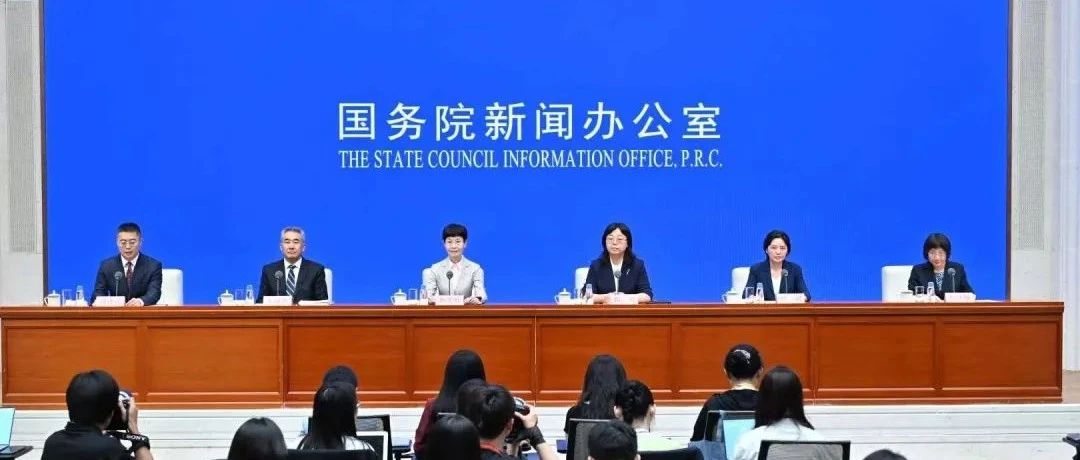
来源:央视新闻 国务院新闻办公室30日14时举行新闻发布会,介绍育儿补贴制度及生育支持措施有关情况。 2024年10月,国务院办公厅印发《关于加快完善生育支持政策体系 推动建设生育友好型社会 的若干措施》,提出一揽子生育支持措施。国家卫生健康委副主任郭燕红介绍,近年来,国家 卫生健康委会同相关部门,认真贯彻中央决策部署,加快完善生育支持政策体系,取得积极进 展。 在经济支持方面, 多渠道降低群众生育、养育、教育成本,将3岁以下婴幼儿照护费用纳入个 人所得税专项附加扣除,并将扣除标准提高到每个子女每月2000元; 提高生育医疗费用保障水 平;扩大生育保险覆盖面,将生育津贴直接发放给个人,这些措施都取得了很好反响。 在妇幼健康服务方面, 推进生育全程基本医疗保健服务,扩大分娩镇痛服务覆盖范围 ,持续 实施母婴安全五项制度。2024年,我国孕产妇死亡率下降到14.3/10万,婴儿死亡率下降到 4.0‰,妇幼健康核心指标达到历史最优水平,被世界卫生组织列为妇幼健康高绩效的10个国家 之一。扩大儿科医疗服务供给,部署全国二、三级公立综合医院全部提供儿科服务,保障广大 儿童就医需求。 在教育支持方面,各地扩大优质教育资源 ...
育儿补贴免征个人所得税,多部门解读:不区分一孩二孩三孩
2 1 Shi Ji Jing Ji Bao Dao· 2025-07-30 10:01
21世纪经济报道记者 贺佳雯 北京报道 3周岁以下,每孩每年补贴3600元。中办、国办近日印发的《育儿补贴制度实施方案》(下称《实施方 案》)已公开发布。 《2025年政府工作报告》明确提出要发放育儿补贴。如今,这项惠及千家万户的全新公共政策落地,引 起社会各界广泛关注。 3600元标准如何测算确定?育儿补贴政策效能有何预期?还有哪些支持生育的配套落地将会措施? 2025年7月30日,国务院新闻办公室举行新闻发布会,国家卫生健康委副主任郭燕红介绍育儿补贴制度 及生育支持措施有关情况,出席发布会的还有财政部社会保障司司长郭阳,国家卫生健康委人口家庭司 司长王海东,国家医保局待遇保障司负责人刘娟,全国总工会女职工部部长刘红梅,共同答记者问。 国家卫生健康委副主任郭燕红表示,育儿补贴是新中国成立以来首次大范围、普惠式、直接性向群众发 放的民生保障现金补贴,是一项惠民利民的重大举措。 育儿补贴免征个人所得税 根据《实施方案》部署,中央财政将设立共同财政事权转移支付项目"育儿补贴补助资金",今年初步安 排预算900亿元左右。对于发放国家基础标准补贴所需资金,中央财政按照一定比例对地方予以补助, 中央总体承担约90%。 ...
900亿元!支付宝、微信也可申领!育儿补贴新消息
Shang Hai Zheng Quan Bao· 2025-07-30 08:31
Core Viewpoint - The Chinese government is actively promoting a series of supportive policies to create a fertility-friendly society, including the implementation of a comprehensive childcare subsidy system, which aims to alleviate the financial burden on families and enhance the overall support for childbirth and child-rearing [1][3]. Group 1: Childcare Subsidy Implementation - The central government has allocated approximately 90 billion yuan for childcare subsidies this year, covering about 90% of the costs for the national basic standard subsidy, significantly reducing the financial burden on local governments [3]. - Starting from August 31, families with eligible infants born after January 1, 2022, will be able to apply for childcare subsidies, with a streamlined application process in place [1][5]. - The application for childcare subsidies can be completed online through a unified information management system, with offline options available for those unable to apply online [6]. Group 2: Expansion of Maternity Insurance - The maternity insurance system is being enhanced to provide better medical coverage and income compensation, with a focus on expanding the coverage to include various employment categories [8][9]. - By June 2025, the number of individuals covered by maternity insurance is expected to reach 253 million, with significant financial support provided to female employees during maternity leave [8]. - The maternity insurance system has already supported 96.14 million individuals during the "14th Five-Year Plan" period, with total expenditures reaching 438.3 billion yuan [8]. Group 3: Support for Childcare Services - The All-China Federation of Trade Unions is collaborating with relevant departments to promote employer-sponsored childcare services, aiming to enhance service coverage and quality [11]. - The government is also working to reduce the costs associated with childbirth and childcare, including tax deductions for childcare expenses and direct payments of maternity benefits to individuals [12]. - Various provinces are extending maternity leave and introducing paternity leave, while also improving the availability of childcare services [12][13].
未来是否可能增加对家庭其他补贴?国家卫健委回应
Bei Jing Ri Bao Ke Hu Duan· 2025-07-30 07:22
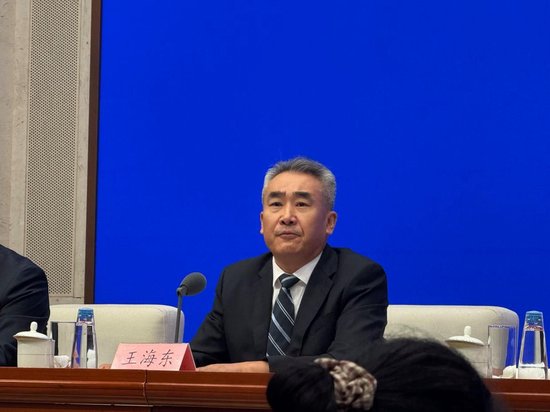
国家卫生健康委人口家庭司司长王海东应询指出,随着经济社会发展,我国总体上已由人口增量发展转 向减量发展阶段,少子化、老龄化、区域人口增减分化特征明显。为了适应人口发展新形势,我国加快 完善生育支持政策体系,不断减轻家庭生育养育教育负担,推动建设生育友好型社会,努力保持适度生 育水平和人口规模,以人口高质量发展支撑中国式现代化。 王海东表示,人口是一个慢变量,受到很多因素影响。包括育儿补贴在内的生育支持政策措施的作用需 要长期观察,将在实施过程中持续跟踪、全面评估。国际经验表明,生育支持需要多维度政策同向发 力,形成系统性支持。 下一步,国家卫健委将会同相关部门,进一步深化人口发展重大问题研究,完善人口监测体系,加强政 策成效评估,同时也加强政策储备,不断完善生育支持政策体系,推动人口高质量发展。 责任编辑:何俊熹 7月30日,国新办举行新闻发布会,介绍育儿补贴制度及生育支持措施有关情况。发布会上,有记者提 问:中国如何评估政府在提高生育率方面的努力是否成功?如果有必要,是否有可能在未来增加对家庭 的补贴和其他援助? ...
7月11日周五《新闻联播》要闻28条
news flash· 2025-07-11 12:01
Group 1 - The automotive industry in China achieved double-digit growth in multiple indicators during the first half of the year [10] - The China Export-Import Bank issued over 610 billion yuan in new loans for foreign trade in the first half of the year [13] - The implementation of the departure tax refund policy has stimulated new vitality in inbound consumption [12] Group 2 - A preliminary establishment of the fertility support policy system in China has been reported [16]
让生育之路更加温暖顺畅(暖闻热评)
Ren Min Ri Bao· 2025-06-08 21:55
Group 1 - The core viewpoint of the articles highlights the positive impact of including assisted reproductive technology (ART) in health insurance, which alleviates financial burdens for families facing infertility issues and supports national population development strategies [1][2][3] - The inclusion of ART in health insurance has been implemented across 31 provinces and regions, benefiting over 1 million people by 2024, with significant financial relief reported in cities like Beijing and Ningxia [2] - The policy aims to enhance accessibility to reproductive health services, reflecting a commitment to improving population quality and addressing demographic challenges such as aging [2][3] Group 2 - Despite the progress, there are challenges in policy execution, including inconsistencies in reimbursement projects, rates, and methods, indicating a need for ongoing optimization and regulation [3] - A series of supportive policies have been introduced to improve the fertility environment, including tax deductions for childcare and educational expenses, and the establishment of family-friendly workplaces [3] - The continuous improvement of the reproductive support system is expected to create a more favorable environment for families, contributing to high-quality population development in the context of China's modernization efforts [3]