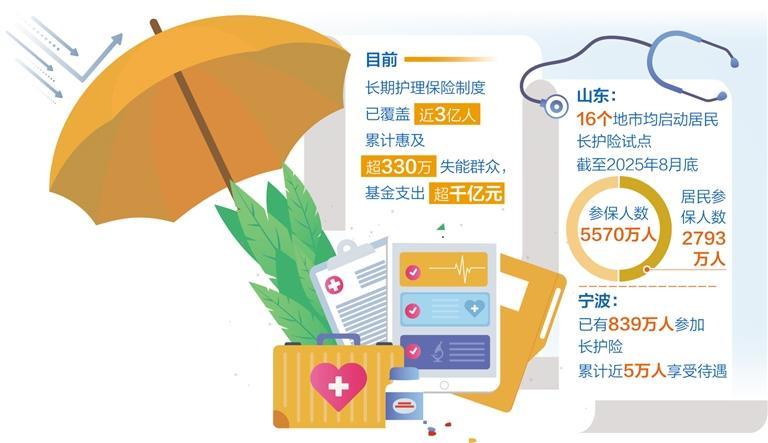
长期护理保险制度

Search documents
高质量代表议案建议办理进展情况摘登
Xin Lang Cai Jing· 2026-01-25 23:27
Core Viewpoint - The provincial representatives have actively engaged in legislative proposals and suggestions, reflecting the practice of whole-process people's democracy and addressing key issues in economic, political, cultural, social, and ecological development [1][2]. Legislative Proposals and Suggestions - A total of 19 proposals and 901 suggestions were submitted, focusing on modern industrial system construction, technological innovation, deepening reforms, and enhancing people's livelihoods [1]. - The provincial legislature selected 1 proposal and 14 suggestions as exemplary cases for high-quality handling, showcasing the representatives' political responsibility and effective performance [1]. Promotion of Private Economy - The proposal for the "Fujian Province Private Enterprise Development Promotion Regulations" aims to establish a legal framework to support the private economy, ensuring equal treatment and protection for all market entities [2]. - The regulations are set to be passed by the provincial legislature in November 2025 and will serve as a model for similar legislation nationwide [2]. High-Skilled Talent Development - A proposal to strengthen the construction of a high-skilled talent workforce was made, emphasizing the need for top-level design and optimized training models to address the shortage of skilled labor [3][4]. - By 2025, the province aims to have 814.6 million skilled workers, with 293.24 million being high-skilled, contributing significantly to high-quality industrial development [4]. Integration of Industry and City - The proposal to deepen the integration of industry and city in Fuzhou University Town aims to transform it from a "park" to a "city," enhancing regional innovation systems [5]. - The project includes over 100 key investments totaling billions, with a focus on educational infrastructure and cross-strait cooperation [5]. Labor Rights Protection - A proposal to include older workers in the workers' compensation insurance system addresses the growing concern for this demographic amid increasing aging populations [6]. - The provincial human resources department is expanding coverage to include flexible employment workers, enhancing social security inclusivity [6]. Cross-Strait Relations - A proposal to deepen the exchange of kinship between Fujian and Taiwan aims to strengthen emotional ties and promote integration [7]. - Initiatives include digital genealogy projects and collaborative community building, attracting significant participation and investment [7]. Technology Transfer Mechanism - A proposal to improve the technology transfer mechanism aims to address challenges in converting scientific achievements into practical applications for private enterprises [8][9]. - The provincial government has initiated regulations and support programs to facilitate technology transfer, leading to significant investments in innovation [9]. Marine Economy Development - A proposal to accelerate the "Marine Fujian" initiative focuses on integrating marine technology and industry to leverage ocean resources for high-quality development [10]. - The provincial government is implementing a comprehensive plan to enhance marine economic capabilities, including significant funding for marine research and development [10]. Traditional Village Sustainability - A proposal to enhance the protection and revitalization of traditional villages addresses the need for sustainable development in rural areas [11]. - The provincial government is actively promoting innovative funding mechanisms and community engagement to support these initiatives [11]. Judicial System Improvement - A proposal to implement judicial responsibility in grassroots courts aims to enhance the efficiency and credibility of the judicial system [12][13]. - The provincial court is focusing on improving case handling quality and judicial accountability through systemic reforms [13]. New Employment Forms - A proposal to protect the rights of new employment form workers addresses legislative gaps and enforcement challenges in the gig economy [14]. - The provincial government is implementing measures to enhance labor rights protections and improve working conditions for gig workers [14]. Agricultural Innovation - A proposal to promote the development of regenerative rice through technological innovation aims to enhance food security and farmer income [15]. - The provincial agricultural department is focusing on research and development to improve rice production efficiency and quality [15]. Family Bed Services - A proposal to enhance family bed services in healthcare aims to address the needs of aging populations and improve home healthcare delivery [16][17]. - The provincial health department is working on regulatory frameworks and quality assurance measures to standardize these services [17]. Civil Prosecution Quality - A proposal to enhance civil prosecution supervision aims to improve the quality and effectiveness of legal oversight in civil matters [18]. - The provincial prosecution office is focusing on precision supervision and collaboration with judicial entities to enhance legal protections [18]. Long-term Care Insurance - A proposal to establish a long-term care insurance system addresses the needs of an aging population and aims to alleviate family burdens [19]. - The provincial government is advancing the development of a standardized long-term care system to support individuals with disabilities [19]. Land Resource Utilization - A proposal to revitalize underutilized land aims to promote efficient land use and support high-quality economic development [20]. - The provincial natural resources department is implementing policies to enhance land resource management and attract investment [20].
中国经济一月纪事︱从局部试点到全面建制 破解失能照护之困的社保“第六险”如何持续探路?
Yang Guang Wang· 2026-01-23 07:42
Core Viewpoint - The implementation of the long-term care insurance (LTCI) system in Hainan marks a significant step in addressing the care needs of the elderly and disabled, with the aim of providing comprehensive coverage and improving the quality of care services across the province [1][5][19]. Group 1: Long-term Care Insurance Implementation - Hainan Province has become the first in China to implement a unified long-term care insurance system at the provincial level, following a decade of pilot programs [1][5]. - The LTCI system aims to provide basic living care and medical services for individuals with severe disabilities, addressing the challenges posed by an aging population [4][19]. - By the end of 2024, approximately 17.46% of Hainan's population will be aged 60 and above, highlighting the urgent need for professional care services [7]. Group 2: Service Provision and Coverage - The LTCI program includes services such as personal care, rehabilitation guidance, and psychological support, with caregivers providing in-home services to beneficiaries [2][4]. - The program is designed to cover all residents, including the "migrant elderly" population, ensuring that care services are accessible regardless of residency status [5][7]. - The establishment of a digital monitoring system in cities like Ningbo enhances the reliability and accountability of care services, ensuring that care delivery is tracked and verified [15]. Group 3: Workforce Development and Training - The LTCI initiative has led to the rapid growth of a professional workforce, with over 30,000 care service personnel trained, reflecting a 50% increase since the beginning of the 14th Five-Year Plan [18]. - Training programs for caregivers are being implemented to ensure a skilled workforce capable of meeting the demands of the LTCI system [11][12]. - The focus on professional development is expected to attract younger individuals to the caregiving profession, enhancing the quality of care provided [12]. Group 4: Economic Impact and Future Prospects - The LTCI system is projected to stimulate significant investment in the elder care sector, with over 50 billion yuan in social capital expected to be mobilized during the 14th Five-Year Plan [18]. - The market for elder care services is anticipated to expand as the population aged 60 and above is expected to exceed 400 million by 2035, creating a substantial demand for LTCI services [18][19]. - The national government plans to standardize LTCI policies across the country, transitioning from pilot programs to a fully established system [19].


完善衢州长护险制度的实践思考
Xin Lang Cai Jing· 2026-01-16 17:04
杨川丹 提要:长护险制度的实施,既能有效破解"一人失能、全家失衡"困局,同时还在拉动就业创业、发展养 老产业、优化医疗资源利用等多方面显现溢出效应。衢州市于2024年全面启动政策性长护险工作,并于 2025年1月1日正式落地实施,开启了"老有优护"的地方实践探索。 在2025年12月举行的中央经济工作会议上,提出实施康复护理扩容提升工程,推行长期护理保险制度, 加强对困难群体的关爱帮扶,这是党中央为积极应对人口老龄化、健全社会保障体系作出的重大决策部 署。长护险制度的实施,既能有效破解"一人失能、全家失衡"困局,同时还在拉动就业创业、发展养老 产业、优化医疗资源利用等多方面显现溢出效应。衢州市于2024年全面启动政策性长护险工作,并于 2025年1月1日正式落地实施,开启了"老有优护"的地方实践探索。 一、衢州长护险制度发展现状 1.公平可及的普惠型制度体系基本成型。衢州市立足国家政策框架开展差异化探索,综合平衡资金筹集 和保障需要,先后制定出台6项地方性政策措施,明确参保对象、保障范围、筹资机制、待遇标准等内 容,涵盖机构管理、经办管理、失能评估等多个环节,进一步强化长护险制度的地方适应性。如,在筹 资机制 ...
为失能家庭托起稳稳的幸福
Xin Lang Cai Jing· 2026-01-14 23:48
突出系统集成,全市域推进制度建设。一是统筹市域政策。出台《湖州市长期护理保险实施方案》及系 列配套文件,建立"多元筹资、待遇支付、失能评估、服务供给、经办管理、监督检查"六大机制。明确 参保对象覆盖全市所有职工医保和城乡居民医保参保人员,统一将重度失能人员纳入长护险照护范围, 推行长护险与基本医保同步参保、同步缴费,实现区域全覆盖、城乡无差别。二是统筹失能评估。组建 市、县两级评估委员会,成立800余人规模的评估专家队伍。创新运用"望闻问切"评估法,监护人、村 社人员、评估专家和工作人员四方在场,评估过程全程录像,由系统评级生成最终结果,与民政、残联 等部门互认共享,实现失能人员"多评合一",已上门评估失能人员1.4万人次。三是统筹长护产业。探 索打造湖州长护产业园,集成待遇评定、长护服务、辅具租赁、人才培养、招商引资等功能,第一阶段 入驻护理服务机构5家、辅具供应商2家、人才培训机构1家、康养研发机构1家,助推银发经济高质量发 展。 突出高效协同,全链条实现闭环管理。一是载体整合高效管理。在全省率先建成长护险服务保障中心, 由医保部门面上指导、共保体单位独立运营,对定点护理服务机构实行集中管理,提供上门评估 ...
一份写满民生温度的长护答卷
Jin Rong Shi Bao· 2026-01-14 03:02
在浙江嘉兴嘉善县一家医院的病房里,80多岁的章大伯刚从急性胃炎、肺炎的病情中稳定下来,可 行动不便的他,让家人犯了难:怎么安全出院回家?正当一筹莫展之时,他们想起了人保财险浙江嘉兴 嘉善支公司长护险业管中心提醒过,长护险参保人员可预约"善诚护送"服务。"以前出院转运要自己花 钱,现在两次转运下来,160元费用直接减免,体贴入微的政策真是帮到了心坎上!"章大伯的儿子告诉 记者。 据人保财险相关人士介绍,党中央作出"健全基本公共服务体系,提高公共服务水平"决策部署,推 动非急救转运服务纳入长护险保障范围。当地人保财险工作人员深入社区、医院、养老机构,与失能家 庭、医护人员面对面座谈,全面梳理群众在出院转运环节的急难愁盼问题。2024年10月,嘉善县成为浙 江省首个非急救转运惠民机制试点城市。一年下来,这项服务已使用106次,为不少失能患者解决了出 院回家的实际困难。 "多亏了黄医生,她精神好多了,孩子们终于能喘口气奔事业了!"在河北邢台清河县葛仙庄,张阿 姨的老伴摩挲着护理日志上的"红勾",向人保财险的长护险专员道谢。此前,张阿姨突发脑出血后僵卧 在床,儿女们分身乏术无法及时照料,直到村医黄医生定期上门服务,为张 ...

石景山区6300多名重度失能老人纳入长护险保障范围
Xin Jing Bao· 2026-01-13 07:18
Group 1 - The core viewpoint of the articles highlights the efforts of Shijingshan District in Beijing to address the challenges of elderly care, particularly for the elderly with severe disabilities, through a comprehensive long-term care insurance system and various support services [1][2] Group 2 - Shijingshan District has included over 6,300 severely disabled elderly individuals in its long-term care insurance program, providing them with monthly professional home care services to alleviate family caregiving burdens [1][2] - The district has established 55 elderly care institutions, with a ratio of 8.2 beds per 1,000 residents, and 70% of these beds are nursing-type, creating a three-tiered elderly care service network [1] - There are 79 community meal assistance points in Shijingshan District, which have served over 250,000 meals, and the government provides meal subsidies for economically disadvantaged elderly individuals [1] - The district has built 860 family care beds to deliver professional nursing services directly to elderly individuals at home, and has set up geriatric departments in secondary and tertiary hospitals [2] - Shijingshan District is actively promoting smart elderly care models, including the construction of an "AI + elderly care" service platform to enhance service accessibility and continuity for the elderly [2] - Over 70% of elderly care institutions in the district have adopted brand chain operations and introduced smart rehabilitation equipment to improve service quality and experience for the elderly [2]
酝酿9年的社保“第六险”,这次真的要来了
第一财经· 2026-01-06 09:26
以下文章来源于健闻咨询 ,作者健闻咨询 健闻咨询 . 医疗行业跨界洞察 2026.01. 06 本文字数:2981,阅读时长大约5分钟 作者 | 健闻咨询 "六险一金"的时代即将开启。 筹资标准为0.3%。职工参保人员由个人和单位分别缴纳0.15%;居民参保人员则以当地居民人均可 支配收入为标准,个人缴纳和政府补贴分别为0.15%。 据了解,在即将出台的国家层面的政策文件中,按人头筹资的模式将逐步取消,费率制将成为主流, 这也意味着"收入越高,缴费越多"。 此外,新建立的长护险制度摒弃了过往医保的两大做法, 一是不再区分职工和居民,全民享受同等 待遇保障,按照报销70%的政策指导线提供保障;二是不再设置停缴的条件,只有终身缴纳,才能 享受照护服务。 中国社会科学院经济研究所研究员王震长期跟踪研究长护险制度建设,他解释称:"符合条件的居民 都应当参加长期护理保险,这既是权利,也是义务。" 在近日召开的全国长期护理保险(下称"长护险")高质量发展大会上,国家医保局党组书记、局长 章轲表示,"十五五"期间,长护险制度将从试点转向全面建制。 《健闻咨询》独家获悉,在顶层设计上,长护险已经明确了"按费率筹资""不设置停 ...

走好长护险进阶之路
Jing Ji Ri Bao· 2026-01-06 02:24
Core Insights - The long-term care insurance (LTCI) system in China, referred to as the "sixth insurance," aims to cover all citizens during the "14th Five-Year Plan" period, having already been piloted in 49 cities and benefiting approximately 330 million people [1][2] Group 1: Development and Impact - LTCI has been in trial since 2016, with over 3 million disabled individuals receiving support, resulting in a total fund expenditure exceeding 100 billion yuan, and an average annual reduction in care costs of 12,000 yuan per person [1] - The pilot program has stimulated social capital investment in related industries by over 50 billion yuan during the "14th Five-Year Plan," with more than 8,800 designated service institutions and a workforce of 300,000 care providers, both increasing by over 50% since the beginning of the "14th Five-Year Plan" [1] Group 2: Future Directions and Challenges - The LTCI system is set to transition from pilot to comprehensive implementation, aiming to cover all insured individuals while addressing regional disparities and the need for cross-regional recognition of services [2] - Key focus areas include accurately assessing the needs of disabled individuals, ensuring quality service delivery, and leveraging technology for monitoring and evaluation to prevent fund mismanagement [2] - The development of the long-term care industry will require collaboration among various stakeholders, including enhancing talent training and involving commercial insurance institutions to support families burdened by caregiving responsibilities [2]
长期护理保险扩面提标
Jing Ji Ri Bao· 2026-01-05 01:40
数据显示,我国有4500多万失能失智老年人,需要家人或养老医疗机构给予长期照护。2016年6月,人 力资源和社会保障部发布《关于开展长期护理保险制度试点的指导意见》,其中确定15个城市作为试点 地区,并将吉林、山东两个省列为重点联系省份,组织开展试点探索。2020年9月,国家医疗保障局会 同财政部印发《关于扩大长期护理保险制度试点的指导意见》,决定进一步扩大试点范围。 记者在采访中了解到,符合条件的失能人员可选择在定点服务机构接受护理服务,或由定点服务机构上 门提供居家护理服务。各地在试点过程中因地制宜、分步推进,做好政策衔接,保障失能人员长期护理 基本需求,促进长护险制度可持续发展。 在浙江宁波,当地在试点之初就打破传统基本医疗保险体系城乡二元壁垒,只要参加了长护险,无论城 镇职工还是城乡居民,符合条件者都能享受同等待遇保障。宁波先后吸纳359家长护险定点服务机构, 并创新设立基层服务点,实现服务本土化、就近化,目前服务网络已覆盖所有乡镇街道。宁波现已有 839万人参加长护险,累计近5万人享受待遇。 中央经济工作会议提出,实施康复护理扩容提升工程,推行长期护理保险制度,加强对困难群体的关爱 帮扶。长护险被称 ...
长期护理保险扩面提标
Jing Ji Ri Bao· 2026-01-01 22:13
中央经济工作会议提出,实施康复护理扩容提升工程,推行长期护理保险制度,加强对困难群体的关爱帮 扶。长护险被称作继"养老、医疗、失业、工伤、生育"五大社会保险之后的"第六险"。从国外的实践以及国 内试点情况来看,建立长期护理保险制度,能够减轻失能失智人员家庭的生活照护压力,分担医疗护理的高 额费用,从而大幅度减轻个人或家庭的经济负担,有利于促进养老服务产业的发展。 试点范围持续扩大 在近日举行的2025年全国长期护理保险高质量发展大会上,国家医保局局长章轲介绍,长期护理保险制度已 覆盖近3亿人,累计惠及超330万失能群众,基金支出超千亿元。 服务待遇水平提升 长护险试点以来,各地因经济发展水平差异导致信息不对称、标准不统一、监管不到位等问题发生,制约着 这项制度从"点上突破"向"面上推广"跨越。 国家医保局秉持顶层设计、统筹规划、试点先行、平稳推进的基本原则,于2022年初启动长期护理标准研 究,明确标准体系需符合法律法规与专业要求,覆盖全业务范围、科学协调且动态完善,最终初步构建起包 含基础共性、管理工作、公共服务、评价监督四大子体系、23项标准的层次分明、功能完备的长护险信息业 务标准体系。 在山东,16个 ...