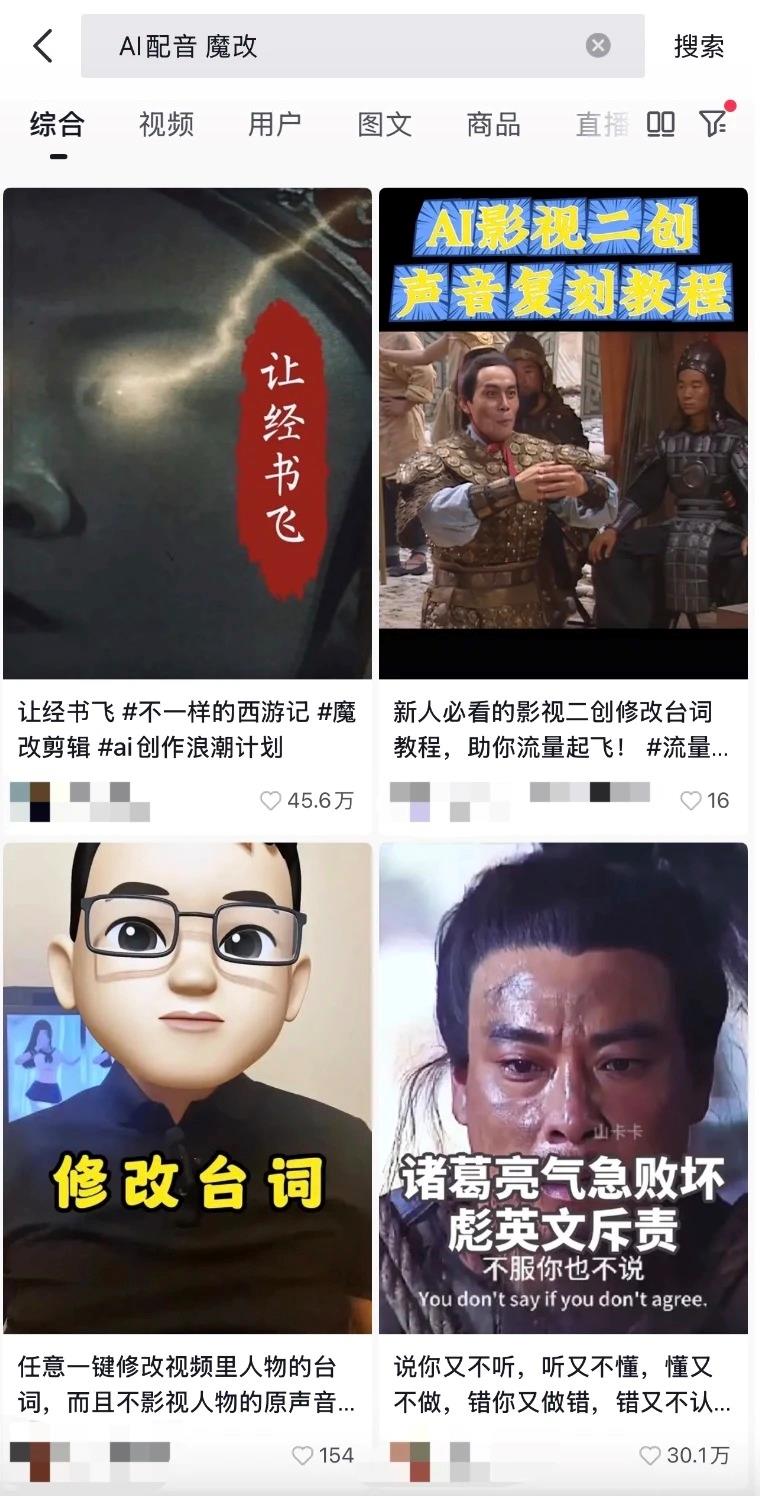
AI魔改

Search documents
国家广电总局开展专项治理 重点清理“AI魔改”四大名著、历史题材等视频
Yang Guang Wang· 2026-01-03 08:33
Core Viewpoint - The Chinese government has initiated a one-month special governance action to address the proliferation of "AI-modified" videos that distort classic literature and historical narratives, particularly focusing on works such as the Four Great Classical Novels and content aimed at children [1][8]. Group 1: Governance Action - The National Radio and Television Administration is targeting "AI-modified" videos that significantly alter the original spirit and character of classic works, promote violence or vulgarity, and misrepresent Chinese culture and history [7][8]. - The governance action aims to clean up content that could mislead minors and distort their understanding of traditional culture and history [7][9]. Group 2: Impact on Culture and Society - "AI-modified" videos are seen as harmful to the artistic value and creative ecosystem of original works, potentially leading to a significant cultural and cognitive dissonance among viewers, especially minors [6][8]. - The content produced through "AI modification" often presents grotesque and inappropriate themes that can negatively impact the mental health and cultural understanding of children [6][7]. Group 3: Industry Response - Online video platforms are being urged to take greater responsibility for content review and to implement stricter controls to prevent the spread of "AI-modified" videos [8][9]. - The focus will be on developing effective governance standards and enhancing AI review tools to ensure compliance with cultural and ethical standards [9].

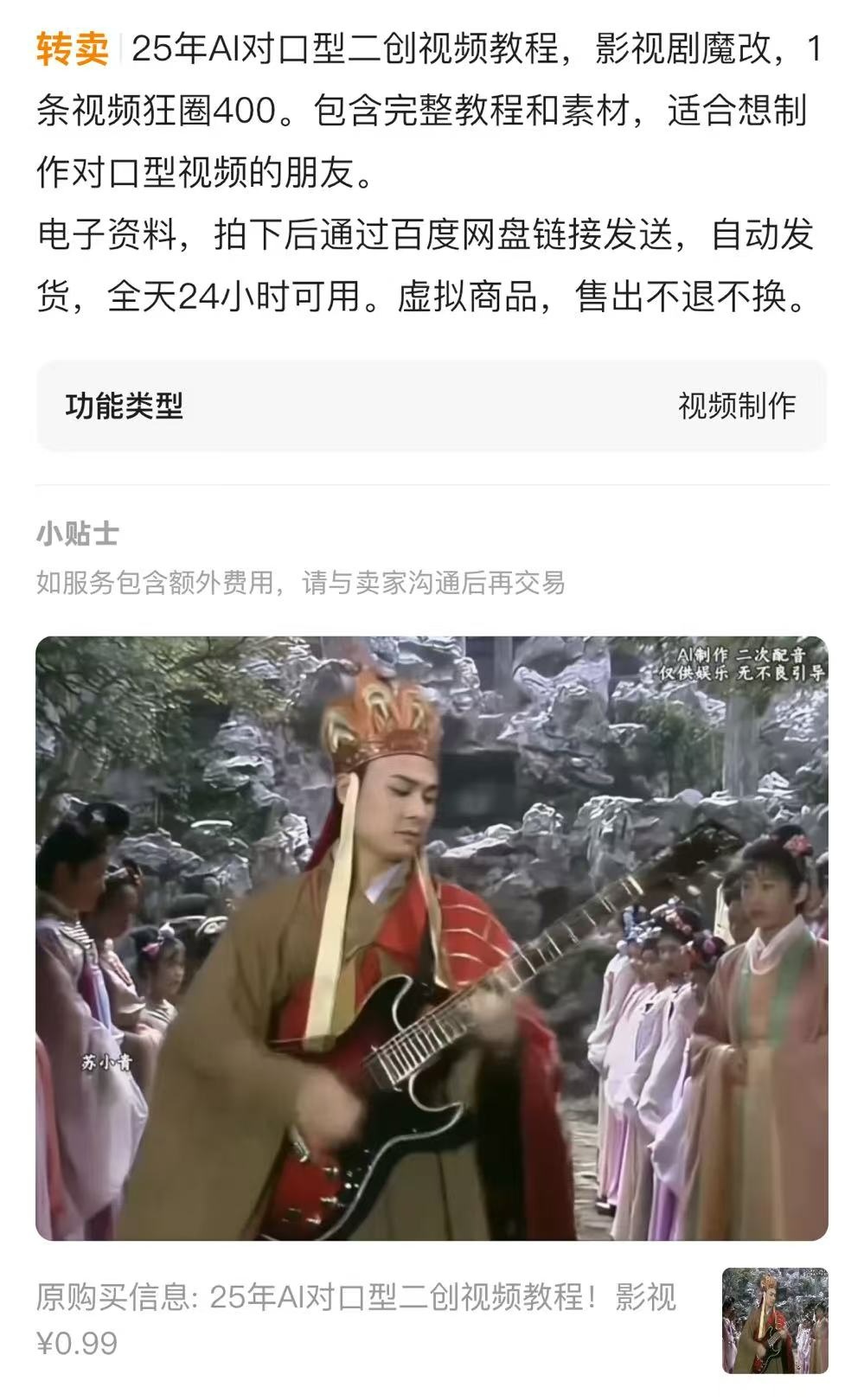
起底AI“魔改”视频流量变现灰色链条
Xin Lang Cai Jing· 2026-01-01 16:39
Core Viewpoint - The National Radio and Television Administration will implement a one-month special governance initiative starting January 1, 2026, to address the chaotic spread of "AI-modified" videos, focusing on content based on classic literature, historical themes, revolutionary themes, and heroic figures [3]. Group 1: AI Modification Controversy - AI modification, or "AI magic modification," refers to the use of artificial intelligence to radically alter original works, often seen in short videos and visual creations [3]. - Some AI-modified videos have gained significant popularity on short video platforms, with likes reaching tens of thousands, and accounts amassing over 100,000 followers in just half a month [3][5]. - The low technical barrier and high profitability of AI content generation have led many creators to exploit these tools for quick gains, often promoting AI services and monetizing through advertisements and knowledge sharing [4][6]. Group 2: Cultural Impact and Concerns - There is a divide in public opinion regarding AI-modified videos; while some view them as creative expressions, others argue they undermine the integrity and artistic value of original works [5]. - Concerns have been raised about the potential distortion of cultural memory and values, especially for younger audiences who may be influenced by these altered narratives [5][7]. - Legal precedents, such as the "Ultraman AI generation infringement case," highlight the risks of AI modifications distorting historical memory and cultural heritage [5]. Group 3: Governance and Regulation - The National Radio and Television Administration has previously urged short video platforms to monitor and regulate AI-modified content, emphasizing the need for strict entry and oversight of related technologies [8]. - Platforms like Douyin have issued guidelines to discourage low-quality AI-generated content and ensure transparency by labeling AI-generated videos [9]. - Experts suggest that a collaborative approach involving technology companies, legal regulators, and ethical committees is necessary to establish comprehensive governance standards for AI applications [9][10].
广电总局开展“AI魔改”视频专项治理
Xin Lang Cai Jing· 2026-01-01 16:39
Core Viewpoint - The National Radio and Television Administration (NRTA) will implement a month-long special governance initiative starting January 1, 2026, to address the rampant spread of "AI-modified" videos that distort classic works and undermine cultural integrity [1][2]. Group 1: Governance Initiative - The initiative aims to tackle the misuse of AI tools by online accounts that alter classic films and animations, leading to a significant deviation from the original works' spirit and causing disruption in online dissemination [1]. - The focus will be on videos that severely violate the original spirit and character portrayal of major literary works, promote violence and lowbrow content, and misappropriate Chinese culture, leading to distorted historical and cultural perceptions [1]. - The governance will also target the modification of beloved children's animation characters into inappropriate content, ensuring a healthier online environment for youth [1]. Group 2: Implementation and Future Measures - Following the governance initiative, the NRTA will conduct a thorough review and develop comprehensive governance measures to establish a sustainable and long-term working mechanism [2].
孙悟空机枪扫射沙僧?广电总局开展“AI魔改”视频专项治理
Nan Fang Du Shi Bao· 2026-01-01 13:28
Core Viewpoint - The rise of AI-generated "magic modifications" of classic films and historical narratives is leading to significant alterations in original content, prompting regulatory responses from authorities to address potential cultural and legal issues [1][9]. Group 1: AI Magic Modifications - AI tools are being used to create videos that dramatically alter classic narratives, such as turning "The Legend of Zhen Huan" into a gunfight scene or reimagining characters from "Dream of the Red Chamber" in violent contexts [2][3]. - These modifications often involve changing dialogue and character actions, resulting in a disconnection from the original themes and values of the works [3][4]. - The process of creating these videos has been simplified into a three-step template: generating text with AI, creating video from that text, and editing for publication, making it accessible to a wide audience [4][8]. Group 2: Cultural and Legal Concerns - There are concerns that these AI modifications undermine traditional culture and misrepresent historical narratives, leading to a loss of original context and meaning [3][9]. - The Chinese government has recognized the potential legal risks associated with these modifications, emphasizing the need for copyright authorization and respect for the original works' integrity [8][9]. - A nationwide initiative will begin on January 1, 2026, to regulate and clean up AI-modified videos, with a focus on protecting cultural heritage and ensuring responsible content creation [9].
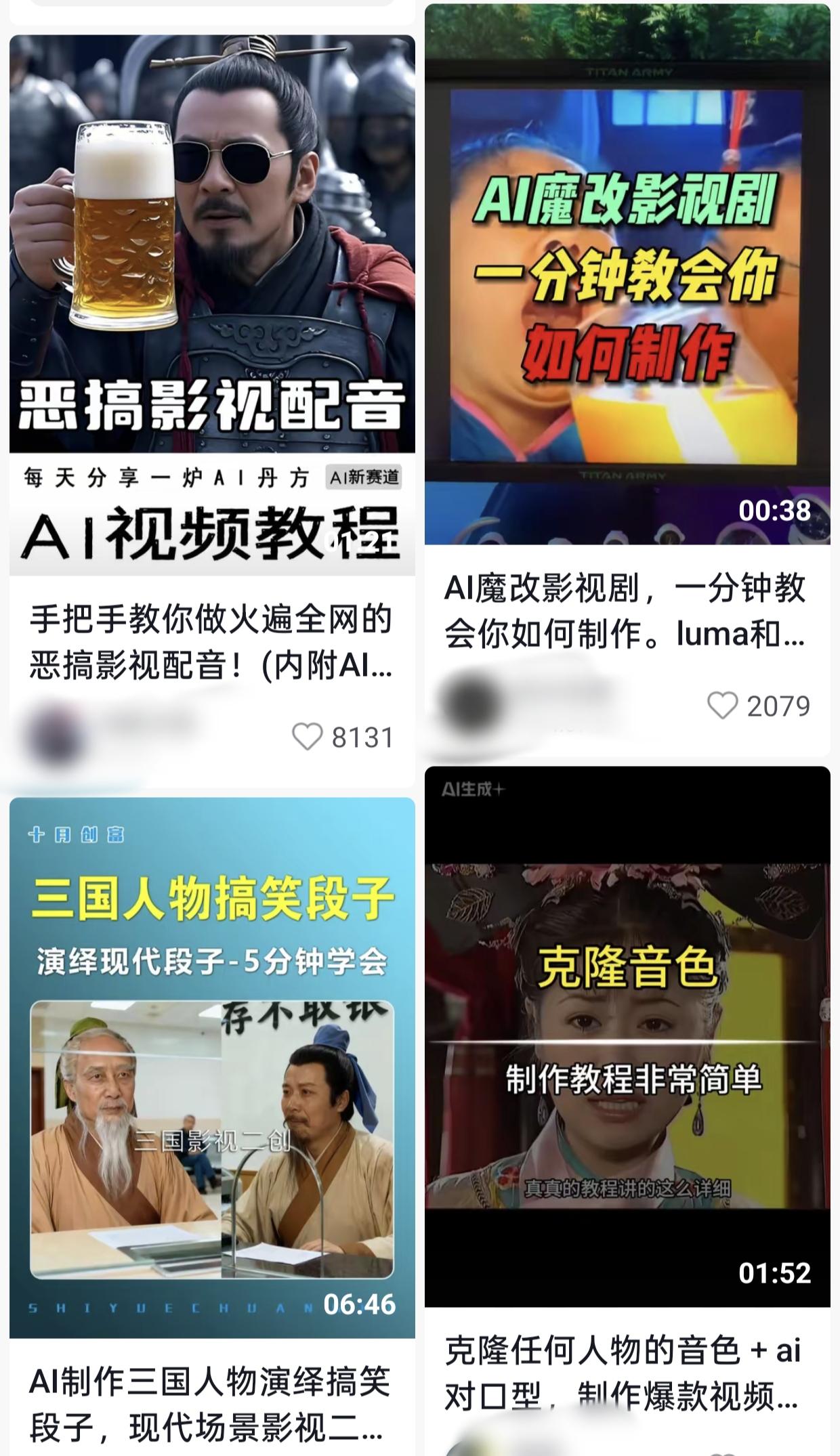
“AI魔改”四大名著、历史题材等视频将被重点清理!
Xin Lang Cai Jing· 2026-01-01 00:15
Core Viewpoint - The National Radio and Television Administration will implement a one-month special governance initiative starting January 1, 2026, to address the chaotic dissemination of "AI-modified" videos, which distort classic works and disrupt online order [1] Group 1: Governance Initiative - The initiative aims to tackle the misuse of AI tools that alter classic films and animations, leading to a significant deviation from the original spirit of these works [1] - The governance will focus on cleaning up videos based on the Four Great Classical Novels, historical themes, revolutionary themes, and heroic figures that have undergone "AI modification" [1] Group 2: Content Issues - Videos that severely violate the original spirit and character portrayal, subvert basic understanding, and deconstruct common consensus will be targeted [1] - Content that promotes violence, lowbrow curiosity, and erroneous values, violating public order and morals, will also be addressed [1] - The initiative will also focus on the appropriation and alteration of Chinese culture, leading to a distorted understanding of real historical contexts and impacting cultural identity [1] Group 3: Responsibilities and Enforcement - Online audio-visual platforms are required to fulfill their primary responsibilities by strengthening content review processes and decisively removing non-compliant content [1] - Accounts that exhibit significant violations will be dealt with to reverse the negative trend of "AI-modified" videos and create a healthier online environment for youth [1]
“AI魔改”泛滥,整治既是约束更是导向
Nan Fang Du Shi Bao· 2025-12-31 16:02
Core Viewpoint - The National Radio and Television Administration (NRTA) is launching a month-long special governance initiative starting January 1, 2026, to address the rampant spread of "AI-modified" videos, particularly those featuring beloved children's animation characters being altered into inappropriate content [2][3]. Group 1: Background and Context - The NRTA previously issued management guidelines a year ago to require short video platforms to clean up "AI-modified" content, which has seen a significant reduction in problematic videos [3]. - In 2025, ongoing governance efforts included actions by internet authorities to rectify violations related to AI applications, with a focus on cleaning up harmful animated micro-dramas and short videos [3]. - The user base for AI image and video processing applications has surged, reaching 69.82 million and 5.75 million respectively by the second half of 2025, complicating regulatory efforts [3]. Group 2: Regulatory Focus and Content Standards - The upcoming special action emphasizes the responsibility of online video platforms and aims to clarify the boundaries for content creation, addressing issues such as misrepresentation of original works, promotion of incorrect values, and cultural appropriation [4]. - The initiative is a continuation and deepening of previous regulatory actions, with clearer guidelines on unacceptable content, which will help platforms define their boundaries [4]. - Content creators are encouraged to adhere to ethical standards in their work, as the responsibility for maintaining quality and integrity in content creation lies with both the platforms and the creators themselves [4].
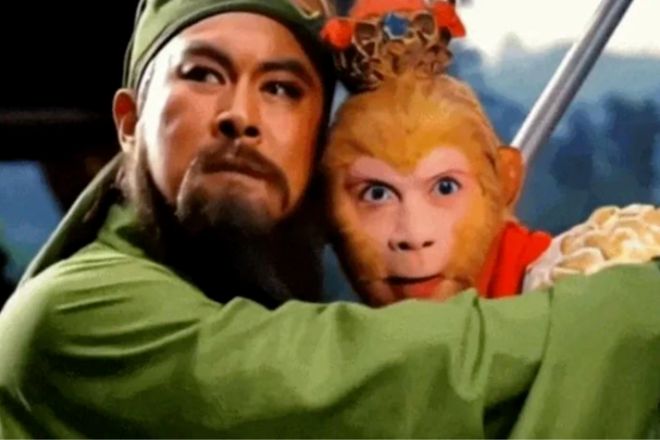
诸葛亮飙英文、唐僧大谈反内耗……AI“魔改”经典,国家广播电视总局出手
Mei Ri Jing Ji Xin Wen· 2025-12-31 12:40
Core Viewpoint - The National Radio and Television Administration (NRTA) will implement a one-month special governance initiative starting January 1, 2026, to address the rampant spread of "AI-modified" videos that distort classic works and disrupt cultural understanding among minors [1][2]. Group 1: Background and Context - The rapid development of generative artificial intelligence technology has led to the misuse of AI tools by some online accounts, resulting in the disruptive alteration and vulgar adaptation of classic films and animations [1]. - These AI-modified contents significantly deviate from the original spirit of classic works, disturb the order of online dissemination, promote infringement, and harm industry development [1]. Group 2: Specific Issues Addressed - The NRTA's governance will focus on cleaning up videos that modify classic works, particularly those based on the Four Great Classical Novels, historical themes, revolutionary themes, and heroic figures [2]. - The targeted videos include those that severely violate the original spirit and character portrayal, promote violence and vulgarity, and misappropriate or distort Chinese culture, leading to a distorted understanding of real historical contexts and cultural identity [2]. Group 3: Implementation and Responsibilities - Online video platforms are required to fulfill their primary responsibilities by strengthening content review processes, decisively removing violations, and addressing accounts that prominently spread "AI-modified" videos [3]. - The initiative aims to reverse the negative trend of "AI-modified" videos and create a healthier online environment for the growth of young people [3].
“AI魔改”视频专项治理将启动!南都曾曝光换脸伪造乱象
Nan Fang Du Shi Bao· 2025-12-31 04:05
Core Viewpoint - The National Radio and Television Administration (NRTA) will implement a one-month special governance initiative starting January 1, 2026, to address the chaotic dissemination of "AI-modified" videos, focusing on content based on classic literature and historical themes [1] Group 1: Governance Measures - The special governance will target videos that severely violate the original spirit and character portrayal of classic works, promote violence or vulgarity, and distort cultural recognition [3] - The NRTA aims to clean up content that misappropriates or alters Chinese culture, leading to significant misperceptions of historical contexts and cultural identity [3] Group 2: Issues with AI Technology - There has been a rise in the misuse of AI tools to create disruptive and vulgar modifications of classic films and animations, which undermines the integrity of these works and disrupts online dissemination order [3] - Reports indicate that AI technology has been used to create fake videos, including celebrity face-swapping, with prices for such services ranging from 28 to 138 yuan, highlighting a market for inappropriate content [3][4] Group 3: Legal and Regulatory Responses - In response to the misuse of AI for fraudulent advertising, several celebrities have publicly denounced the unauthorized use of their likenesses and voices in misleading promotions [4] - A joint initiative by four departments has established guidelines for the explicit and implicit labeling of AI-generated content, emphasizing the need for enhanced enforcement capabilities to combat deceptive practices [4]
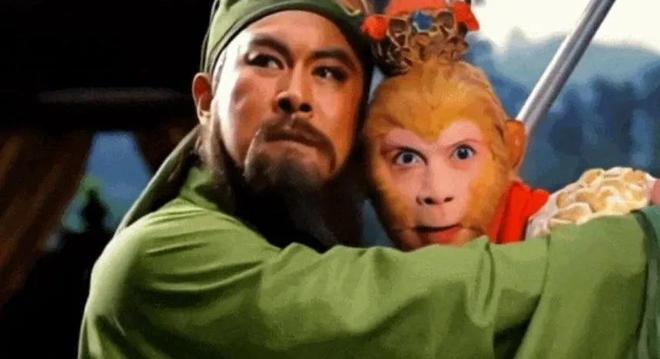
国家广电总局:2026年1月1日起,专项治理
Nan Fang Du Shi Bao· 2025-12-31 01:52
Core Viewpoint - The National Radio and Television Administration (NRTA) is launching a one-month special governance initiative starting January 1, 2026, to address the rampant spread of "AI-modified" videos that distort classic works and disrupt online order [1] Group 1: Governance Initiative - The initiative aims to tackle the misuse of AI tools by online accounts that alter classic films and animations, leading to a deviation from the original spirit of these works [1] - The focus will be on cleaning up videos based on the Four Great Classical Novels, historical themes, revolutionary themes, and heroic figures that severely violate the original spirit and character images [1] - The governance will also target content that promotes violence, lowbrow themes, and incorrect values, as well as significant issues of appropriation and distortion of Chinese culture [1] Group 2: Responsibilities and Future Actions - Online audiovisual platforms are required to take responsibility for content review and to eliminate violations, addressing accounts that contribute to the spread of "AI-modified" videos [1] - Following the governance initiative, the NRTA will summarize the outcomes and develop comprehensive governance measures to ensure ongoing and effective management [2]
诸葛亮飙英文、唐僧反内耗……AI“魔改”的边界在哪?
Yang Shi Xin Wen· 2025-12-14 20:49
Core Viewpoint - The rise of AI-modified videos, particularly in the context of classic films and TV shows, raises questions about copyright infringement and the preservation of original cultural narratives [3][10]. Group 1: AI Modification in Media - AI technology allows creators to modify classic film dialogues, resulting in characters speaking in ways that diverge from their original portrayals, such as speaking fluent English or discussing modern concepts [1][3]. - The production of AI-modified videos has a low barrier to entry, enabling widespread participation among creators, which has led to a significant increase in such content across various short video platforms [6][10]. Group 2: Legal and Ethical Considerations - The National Radio and Television Administration has issued warnings regarding AI-modified content, stating that it undermines traditional cultural values and may constitute copyright infringement [3][15]. - The first case of "AI voice infringement" in China concluded with a ruling that recognized the rights of voice actors, highlighting the legal complexities surrounding the use of AI in media [11][14]. - Legal experts emphasize that whether the use of modified audio is lawful depends on the specific context and purpose of the content, with a distinction made between fair use and infringement [15][16].