Autonomous Vehicles

Search documents
美国互联网:2026 年关键趋势-US Internet Narratives that matter in 2026
2026-01-13 02:11
Summary of Key Points from the US Internet Conference Call Industry Overview - The focus is on the US Internet sector, particularly the dynamics surrounding major players like Amazon, Meta, Google, and others as they navigate through evolving market conditions and technological advancements in AI and automation. Core Themes and Insights Theme 1: AI Transition from Model Performance to Product Usage and Revenue Generation - The narrative is shifting from evaluating AI model performance to assessing product usage and financial returns, emphasizing the importance of user engagement metrics and monetization strategies [6][23][39] - Companies are expected to focus on user KPIs, with a particular emphasis on daily active users (DAU) and monthly active users (MAU) as indicators of engagement [8][27] - OpenAI and Google are leading in user engagement, with OpenAI having approximately 900 million weekly active users (WAU) and Google around 650 million MAU [28][29] Theme 2: AI's Real-World Applications - The physical application of AI, particularly in autonomous vehicles (AVs) and robotics, is anticipated to drive efficiency gains in 2026 [7][53] - Companies like Waymo and Tesla are expected to expand their AV fleets significantly, with Waymo planning to double its fleet size and enter more markets [54][55] - Amazon is leveraging robotics to enhance operational efficiencies, with over 1 million robots now in use, significantly improving logistics and supply chain processes [57] Theme 3: Market Dynamics of Growing Pies and Shrinking Slices - The competitive landscape is characterized by expanding total addressable markets (TAM) but shrinking market shares for incumbents as new entrants and technologies disrupt traditional business models [10][17] - Major players like Amazon and Google are encroaching on new markets, such as grocery and AVs, which could lead to increased competition and market share erosion for smaller platforms [11][15] Theme 4: Big Tech's Expanding Influence - Big Tech companies are leveraging their data and distribution advantages to enter new markets, often at the expense of smaller competitors [11][12] - The ability to outspend competitors on capital expenditures (CapEx) and product development is a significant advantage for these large firms [11][12] Investment Implications - Top investment picks include Amazon (AMZN), Meta (META), DoorDash (DASH), and Zillow (ZG), with a positive outlook on Uber (UBER), Pinterest (PINS), and Cart (CART) [4][14][19] - Amazon is expected to improve its position in AI and eCommerce, with anticipated revenue growth in AWS and retail margins benefiting from efficiency initiatives [15][19] - Meta is viewed as having high upside potential, although it faces risks related to its AI model performance and revenue growth [15][19] - Zillow's evolving revenue model and potential for mid-teens revenue growth are highlighted, despite recent stock declines [19] Financial Metrics and Projections - Key financial metrics for major companies include: - Alphabet (GOOGL): Adjusted EPS projected to grow from $8.00 in 2024 to $11.84 in 2026, with a target price of $305.00 [3] - Meta (META): Adjusted EPS expected to rise from $23.92 in 2024 to $31.05 in 2026, with a target price of $870.00 [3] - Amazon (AMZN): Adjusted EPS forecasted to increase from $5.52 in 2024 to $8.31 in 2026, with a target price of $300.00 [3] Additional Insights - The anticipated peak in capital intensity for major players in 2026 could lead to improved return on invested capital (ROIC) in subsequent years [46] - The integration of AI into existing platforms and the development of new commercial applications will be crucial for driving user engagement and revenue growth [34][39] - The competitive landscape will continue to evolve, with smaller players potentially benefiting from partnerships and innovative applications of AI [41][42] This summary encapsulates the key themes, insights, and financial projections discussed in the conference call, providing a comprehensive overview of the current state and future outlook of the US Internet sector.



GM Joins Ford with Massive EV Writedown, Takes $7.1B Charge
Benzinga· 2026-01-09 03:50
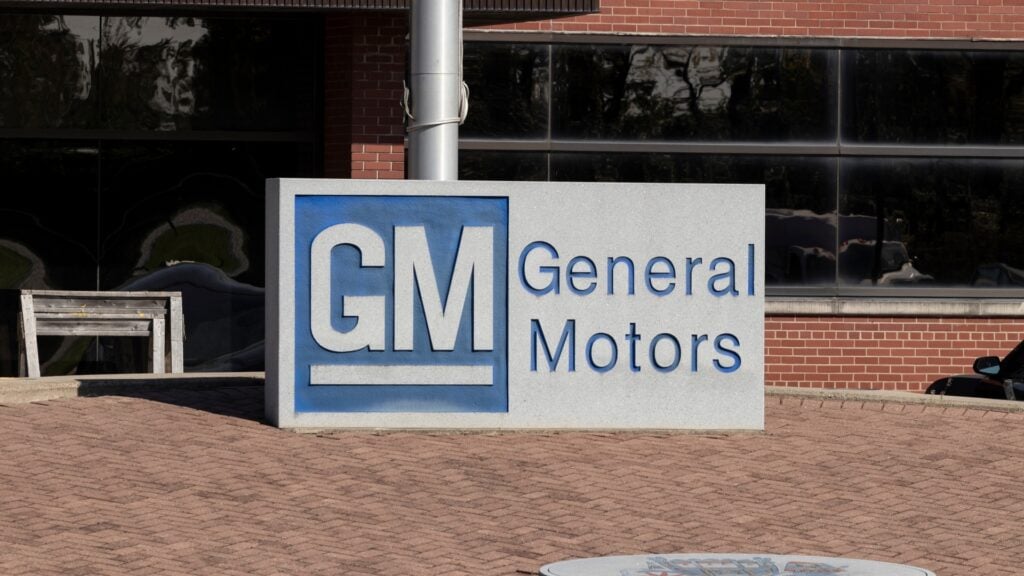
Core Insights - General Motors Co. has taken a significant $7.1 billion charge related to its electric vehicle (EV) initiatives, indicating a strategic pivot away from its previous EV efforts [1] - The company has reported a $6 billion charge in its SEC filing, with over $4.2 billion attributed to supplier settlements and contract cancellations, and $1.8 billion from non-cash impairments [2] Financial Implications - GM anticipates additional material cash and non-cash charges in 2026 due to ongoing negotiations with suppliers, although these are expected to be significantly less than the 2025 EV-related charges [3] - The company also expects to incur approximately $1.1 billion in non-EV related charges for the three months ending December 31, 2025, primarily linked to its partnership with SAIC Motor Corp. [4] Strategic Adjustments - GM is scaling back its EV production, including the cessation of BrightDrop commercial van production and laying off over 3,400 workers from EV-related facilities in Ohio and Michigan [5] - Despite these cutbacks, CEO Mary Barra has reaffirmed GM's commitment to all-electric mobility, emphasizing that EVs remain the company's "north star" [5] Industry Context - Ford Motor Co. has also reported a substantial $19.5 billion charge related to its EV business changes, which may indicate a broader trend among legacy automakers to reduce their EV commitments [6] - The automotive industry is witnessing shifts in focus, with Ford planning to introduce "eyes-off" driving technology by 2028, highlighting the competitive landscape in autonomous vehicle development [7] Market Reaction - Following these announcements, GM's stock declined by 1.46% to $83.89 in after-hours trading, reflecting investor sentiment regarding the company's strategic changes [7]


NVIDIA Rubin Wreckage: Modine and Credo
ZACKS· 2026-01-08 18:11
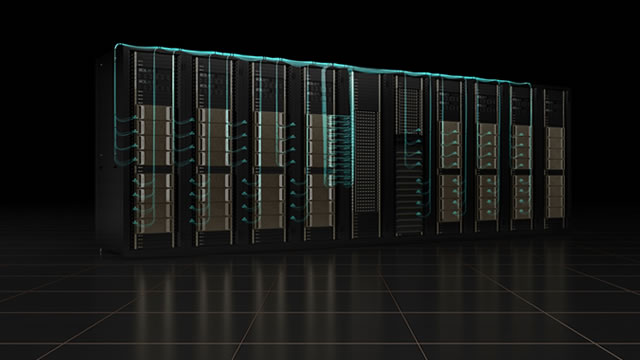
Core Insights - NVIDIA's CEO Jensen Huang highlighted the rapid advancements in AI technology, particularly with the introduction of Alpamayo, the world's first thinking and reasoning model for autonomous vehicles, which utilizes a 10 billion-parameter vision-language-action model [1][2] - The demand for AI computing is surging, with model sizes increasing by 10 times annually and reasoning generating 5 times more tokens per year, while the cost of tokens is decreasing by 10 times [3] - NVIDIA's new Vera Rubin GPU system features significant innovations, including a design stripped of cables, hoses, and fans, utilizing hot-water liquid cooling at 45°C, which could disrupt the data center cooling market [6][7] NVIDIA Innovations - The Vera Rubin system is expected to be a game-changer in the robotics industry, with a projected cost of approximately $5 million per supercomputer rack-scale system [5] - The system's design allows AI factories to eliminate mechanical water chillers, relying instead on simpler cooling solutions, which has raised concerns for companies like Modine Manufacturing that specialize in data center chillers [7][9] Market Reactions - Modine's stock experienced a significant drop of over 20% following the announcement of the Vera Rubin system, reflecting investor concerns about the future demand for traditional cooling solutions [8][9] - Credo Technology Group also faced stock volatility, with shares falling due to fears that the new systems would replace copper cabling with optical interconnects, although a subsequent recovery was noted as investors reassessed the situation [10][11] Credo Technology Developments - Credo is diversifying its product offerings, focusing on both copper-based Active Electrical Cables and optical interconnect solutions, with recent innovations including ZeroFlap optical transceivers and a strategic acquisition of Hyperlume, Inc. [14][15][16] - The company aims to expand its Total Addressable Market (TAM) by prioritizing optical solutions while maintaining its leadership in the AEC market [16]

Uber & Partners Reveal Robotaxi Design at CES: Sign of More Upside?
ZACKS· 2026-01-07 17:00
Core Insights - The development of autonomous vehicles (AVs) is advancing, with Uber Technologies and partners Lucid Group and Nuro unveiling production-ready vehicles for their global robotaxi service at CES 2026 [1][11] - Autonomous on-road testing has begun, marking a significant milestone for the robotaxi program, with plans for a launch in the San Francisco Bay Area later this year [2][11] - Nuro is leading the testing phase, which is crucial for validating the safety and performance of the robotaxi program [3][4] Company Developments - Lucid Group signed a deal with Uber to supply 20,000 vehicles over six years, integrating Nuro's self-driving technology, as part of its strategy to diversify beyond consumer electric vehicles [5] - Uber is leveraging an asset-light strategy through partnerships to establish a foothold in the robotaxi market, avoiding high R&D costs associated with independent development [6] - Uber's extensive market share in ride-hailing provides a competitive edge, allowing for rapid scaling of autonomous services as technology matures [7] Industry Landscape - Alphabet's Waymo is a significant competitor in the autonomous vehicle space, already operating commercial services and achieving substantial ride volumes [8] - Autonomous vehicles are expected to enhance road safety by reducing human error, which is a major cause of traffic accidents [9] Financial Performance - Uber's shares have increased by 31.8% over the past year, compared to a 58.5% growth in the Zacks Internet-Services industry [12] - Uber's current valuation is at a 12-month forward price-to-sales ratio of 2.94X, indicating it is relatively inexpensive compared to its industry [14] - Earnings estimates for Uber have improved over the past 60 days, reflecting positive market sentiment [16]



Our Uber Pick Has Had a Bumpy Ride. Stay Buckled In.
Barrons· 2026-01-07 03:14
Core Viewpoint - The stock is currently reflecting challenges while underestimating the potential success of its autonomous vehicle (AV) business [1] Group 1 - The market is pricing in headwinds for the company, indicating a cautious outlook among investors [1] - There is a significant discount applied to the valuation of the company's AV business, suggesting that its future success is not fully recognized [1]

Maduro pleads not guilty, Nvidia's robotaxi play, JPMorgan's 'secret sauce' and more in Morning Squawk
CNBC· 2026-01-06 13:10
Group 1 - Venezuelan President Nicolas Maduro and his wife are facing U.S. federal charges including narco-terrorism and money laundering [1] - Federal Reserve Bank of Minneapolis President Neel Kashkari indicated that interest rates may not need to decrease significantly, suggesting the current monetary policy has not been tight enough [2][3] - On the labor front, Kashkari noted that artificial intelligence is slowing hiring among large companies while enhancing productivity [4] Group 2 - General Motors reported a 5.5% annual increase in U.S. sales for 2025, outperforming the broader sector expected to rise by only 2% [5] - Stellantis, the parent company of Chrysler, experienced a 3.3% decline in sales, although its Jeep brand saw sales growth for the first time since 2018 [6] - Electric vehicle maker Lucid reported a 55% increase in deliveries for 2025, driven by a 70% annual increase in the fourth quarter [6] Group 3 - Nvidia is exploring the robotaxi market, collaborating with operators to utilize its AI chips and software in autonomous vehicle fleets as early as next year [9][10] - JPMorgan launched a new initiative called "Special Advisory Services" to provide clients with insights on various topics, initially free of charge [10][11]
Innoviz Technologies Announces First Sensor-Fusion Colored 3D LiDAR and Camera in InnovizThree
Prnewswire· 2026-01-06 13:00
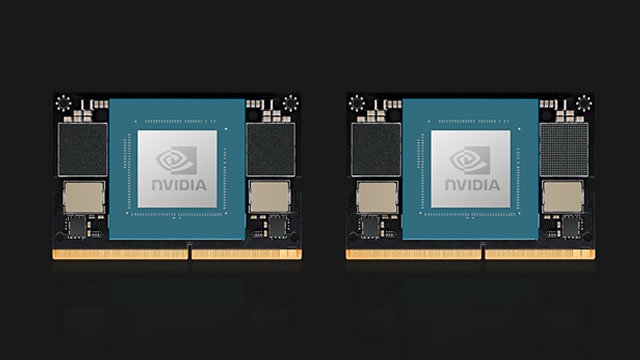
Core Insights - Innoviz Technologies has announced the InnovizThree, a new compact LiDAR design that is 60% smaller than its predecessor, InnovizTwo, showcasing the company's leadership in the LiDAR sector [1] - The InnovizThree integrates RGB capabilities, providing a more efficient path for OEMs to achieve multi-sensor perception without compromising vehicle design or manufacturability [1] - The alignment of RGB sensing capabilities with LiDAR ensures precise Visual-to-LiDAR geometry, facilitating reliable multi-modal sensor-fusion data correlation and reducing calibration efforts during vehicle integration [1] Company Overview - Innoviz is a global leader in LiDAR technology, serving as a Tier-1 supplier to major automotive manufacturers and aiming for a future with safe autonomous vehicles [3] - The company's LiDAR and perception software outperform human drivers in terms of safety and performance, meeting stringent automotive industry standards [3] - Innoviz operates across the U.S., Europe, and Asia, and has been selected by premium car brands for consumer vehicles and various commercial applications [3]


The Zacks Analyst Blog Tesla, BYD and Alphabet's
ZACKS· 2026-01-06 10:46
Core Viewpoint - Tesla's electric vehicle (EV) deliveries have declined for the second consecutive year in 2025, raising concerns about the company's core business performance and future growth potential [2][4][12]. Group 1: Delivery Performance - In Q4 2025, Tesla sold 418,227 vehicles, a 16% decrease from Q4 2024, with total annual deliveries around 1.64 million, down from nearly 1.8 million in 2024 [4][5]. - The year-over-year decline in deliveries accelerated to over 8% in 2025, compared to a 1% decline in 2024, resulting in Tesla losing its position as the leading EV manufacturer to BYD, which achieved record sales of 2.26 million BEVs, a 28% increase year-over-year [5][12]. Group 2: Future Prospects - CEO Elon Musk is focusing on autonomous vehicles and artificial intelligence as future growth drivers, although significant revenue from these initiatives is not expected for several years [3][12]. - Tesla's robotaxi service, launched in June, is operational in select cities, and the company is testing driverless robotaxis, indicating progress in autonomous mobility [6][8]. Group 3: Energy Business - Tesla's Energy Generation and Storage segment is performing well, with a record deployment of 14.2 GWh of energy storage products in Q4 2025 and a 48.7% increase in total deployments for the year, reaching 46.7 GWh [9]. Group 4: Financial Performance and Valuation - Tesla shares have underperformed the industry, trading at over 13.75 times forward 12-month sales, significantly above the industry average [10]. - The Zacks Consensus Estimate predicts a 3% decline in Tesla's 2025 revenues and a 33% decline in EPS, but forecasts an improvement of 11.6% in revenues and 42.4% in EPS for 2026 [11]. Group 5: Investment Outlook - Despite the delivery slowdown, Tesla's advancements in full self-driving, robotaxis, and energy storage suggest potential for long-term growth, although investors are advised to temper expectations regarding the timeline for monetization [12][13].

Prediction: Here Are 3 Stocks Warren Buffett's Successor Greg Abel Is Likely to Buy in 2026
The Motley Fool· 2026-01-06 07:50
Core Viewpoint - Warren Buffett has stepped down from making final investment decisions for Berkshire Hathaway, with Greg Abel now in charge, although Abel is expected to maintain a similar investment strategy to Buffett's [1][2]. Group 1: Potential Investments - Greg Abel is predicted to increase Berkshire Hathaway's stake in Alphabet, as Buffett had previously regretted not investing sooner, and Abel may appreciate the company's strong cash flow and business moats [4][5][6]. - Dominion Energy is seen as a strong candidate for investment due to its regulated monopoly status and attractive dividend yield of over 4.5%, aligning with Buffett's preference for dividend-paying companies [8][11][12]. - Mitsui is likely to see an increase in Berkshire's ownership, as it currently holds a smaller stake compared to other Japanese companies, and both Buffett and Abel have expressed positive sentiments about their investments in Japan [13][15][16].




Nvidia Unveils Alpamayo AI For Autonomous Vehicles: 'Chat-GPT Moment' For Cars
Benzinga· 2026-01-05 23:00
Core Insights - NVIDIA Corp. has introduced the open-source Alpamayo family, marking a significant shift in autonomous vehicle development at CES 2026 [1] Group 1: Technological Advancements - Previous self-driving systems utilized separate modules for perception and planning, while Alpamayo employs vision language action (VLA) models that mimic human-like reasoning capabilities [2] - Alpamayo 1, a model with 10 billion parameters, addresses the challenge of rare and unpredictable road scenarios through chain-of-thought reasoning, which could be a pivotal moment for physical AI [3][9] - The model allows autonomous vehicles to navigate complex environments and explain their driving decisions, enhancing safety and scalability in autonomy [4] Group 2: Ecosystem Development - NVIDIA is establishing a full-stack open development environment consisting of three components: Alpamayo 1 as a teaching model, AlpaSim for high-fidelity simulation, and a dataset of over 1,700 hours of diverse driving data [6] - This approach aims to facilitate the development of smaller, faster models for real-world applications, leveraging NVIDIA's hardware capabilities, particularly the DRIVE Thor platform [6] Group 3: Industry Interest and Implications - Industry leaders like Lucid Group and Uber are showing interest in the Alpamayo framework to accelerate their Level 4 autonomy roadmaps, indicating a shift towards AI systems that can reason about real-world behavior [7] - The evolution of advanced simulation environments, rich datasets, and reasoning models is crucial for the future of autonomous driving [8]