L4级自动驾驶

Search documents
L3,上路
Jing Ji Wang· 2026-01-18 04:23
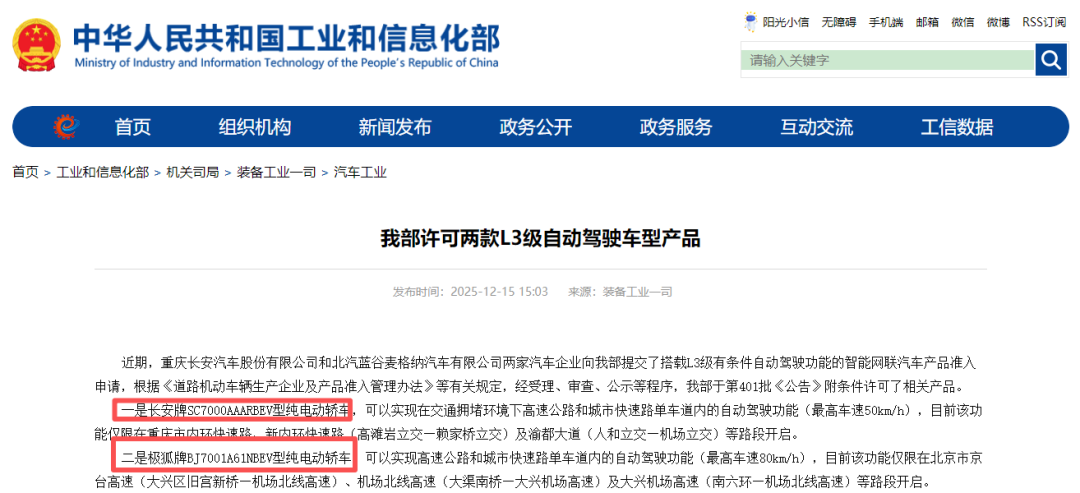
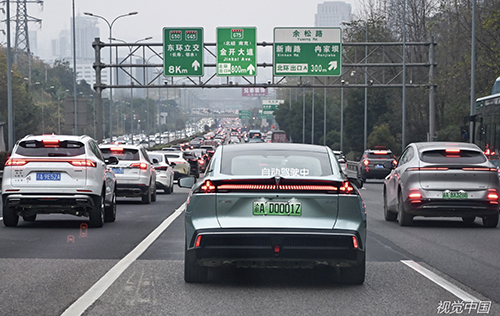
Core Insights - The first batch of L3-level conditional autonomous driving vehicles in China officially began road testing in Chongqing on December 26, 2023, following the Ministry of Industry and Information Technology's approval on December 15, 2023 [1][3] Group 1: L3 Autonomous Driving Vehicles - The first two models approved for L3-level conditional autonomous driving are the Deep Blue SL03 from Changan Automobile and the Arcfox Alpha S from BAIC, equipped with their respective intelligent driving systems [3][4] - The L3 autonomous driving function will initially be available on specific roads in Chongqing, with plans for expansion through OTA updates as policies evolve [3][4] - The approval of L3 vehicles marks a significant transition from technical validation to practical application, paving the way for future commercialization [4][9] Group 2: Consumer Access and Market Outlook - Currently, L3 vehicles are not available for consumer purchase, but consumers can experience the autonomous driving features through ride-hailing services [5] - Experts predict that L3-level autonomous driving will gradually achieve mass production in specific scenarios within the next two years, while widespread adoption may take 3 to 5 years or even longer due to technological, regulatory, and cost factors [5][6] - The recent approval is fundamentally different from previous temporary testing licenses, as it signifies that the vehicles have passed rigorous national evaluations and are qualified for legal road use [9] Group 3: Future of Autonomous Driving - L3-level autonomous driving is seen as a transitional phase, with L4-level expected to enable fully autonomous driving in specific environments, allowing drivers to focus on other activities [10] - The implementation of L4-level autonomous driving could revolutionize urban transportation, reducing congestion and accidents while lowering travel costs [10]



北汽新能源2025“逆天”领跑,做对了啥?
Xi Niu Cai Jing· 2026-01-14 13:01
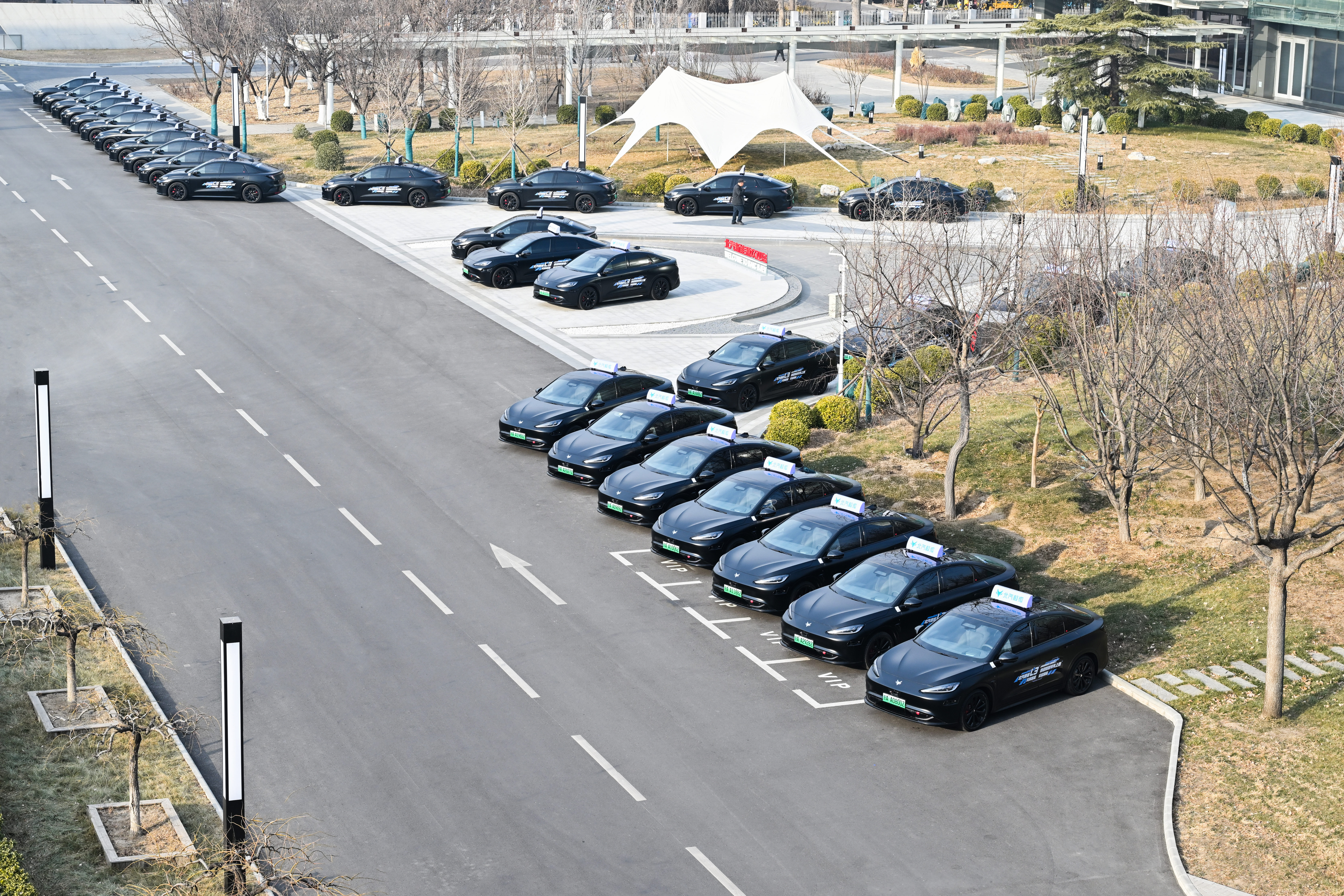
Core Insights - The article highlights the remarkable growth of BAIC New Energy in the competitive electric vehicle market, achieving over 200,000 units sold in 2025, representing an 84% year-on-year increase, positioning it as a leader in the industry [4][9]. Group 1: Strategic Initiatives - BAIC New Energy's success is attributed to its dual-brand strategy, with the Arcfox brand focusing on mainstream markets and the Jiayuan brand targeting the high-end segment, creating a comprehensive strategic framework [4]. - The Arcfox brand aims to disrupt the A0 market by offering high-value experiences with competitive pricing, while the Jiayuan brand emphasizes "Chinese luxury + Huawei technology" to redefine luxury experiences [6][7]. Group 2: Market Performance - In 2025, the Arcfox brand achieved sales of over 160,000 units, marking a 99% year-on-year growth, while the Jiayuan brand saw explosive growth, with December sales surpassing 10,000 units, making it the top-selling luxury electric sedan [9]. - The combination of mainstream volume and high-end branding has allowed BAIC New Energy to enhance both its scale and brand image [9]. Group 3: Customer-Centric Approach - BAIC New Energy prioritizes user feedback in product development, leading to features like the Arcfox T1's high space utilization rate of 91.7%, significantly above the market average [10]. - The company has introduced innovative service commitments, such as lifetime warranties on key components and free maintenance, addressing common consumer pain points [10][12]. Group 4: Technological Advancements - BAIC New Energy has established a comprehensive value chain covering technology R&D, smart manufacturing, and supply chain collaboration, enabling it to maintain stable growth amid industry challenges [13]. - The company has been proactive in adopting advanced technologies, such as its "Yuanjing Smart" technology system, which supports L2 to L4 autonomous driving capabilities [15]. Group 5: Manufacturing and Supply Chain - The implementation of the "Smart Factory 4.0" initiative has improved production efficiency by 20% and reduced costs by 15%, ensuring high-quality manufacturing [17]. - BAIC New Energy collaborates with leading partners like Huawei and CATL to enhance its technological capabilities and streamline its supply chain processes [17][18]. Group 6: Long-Term Vision - The company focuses on building a robust system that balances agility and strategic depth, allowing it to navigate market fluctuations effectively [18]. - BAIC New Energy's approach combines the agility of a startup with the strategic stability of a state-owned enterprise, positioning it well for future challenges in the electric vehicle market [18].

革新者的征程:北汽新能源从“规模加法”迈向“价值乘法”
Jin Rong Jie· 2026-01-14 10:41
Core Insights - The article highlights the transformation of Beijing Automotive Group's New Energy Vehicle (NEV) division into a competitive player in the market, showcasing strategic determination and market agility [1][12] - In 2025, the company achieved significant sales milestones, with total sales exceeding 200,000 units, representing an 84% year-on-year growth [3][12] - The successful launch of the L3 autonomous driving model, Alpha S, marks a significant technological advancement and commercial viability in the autonomous driving sector [5][7] Sales Performance - In 2025, Beijing Automotive's NEV division sold 209,576 vehicles, surpassing its annual target and demonstrating strong market acceptance [3] - The company achieved a monthly sales record of over 30,000 units for three consecutive months, indicating sustainable growth and market penetration [3] - The Xiangjie brand reached a milestone of over 10,000 units sold in December 2025, ranking among the top three in the luxury sedan segment [3][10] Technological Advancements - The Alpha S L3 model received official approval for L3 autonomous driving, allowing it to operate in designated areas of Beijing [5][6] - The vehicle is equipped with 34 sensors, including three LiDARs, and features a full redundancy safety architecture, emphasizing safety in autonomous driving [6][7] - The company is advancing its technology through partnerships, such as the collaboration with Xiaoma Zhixing for L4 autonomous driving solutions [11] Financial Performance - In Q3 2025, the company achieved a historic gross margin of 1.8%, with revenue reaching 5.867 billion yuan, marking three consecutive quarters of positive growth [7][10] - The improvement in gross margin signals a transition from strategic losses to a sustainable business model, indicating effective growth with profitability [7][10] Market Strategy - The company has established over 500 sales and service outlets across various city tiers, creating a robust market network that supports future growth [4] - The dual focus on scaling operations and enhancing quality is driving a new growth engine for the company, allowing for better resource allocation and market feedback [8][10] - The strategic shift from a traditional state-owned enterprise model to a more agile, technology-driven approach is redefining the company's identity in the automotive industry [12][14]
今日新闻丨尚界Z7官图发布!问界M7长续航版上市!岚图汽车与引望签署深化战略合作协议!北汽新能源发布L3、L4战略成果!
电动车公社· 2026-01-13 16:13
Group 1 - The AITO M7 extended-range version has been launched with a price range of 299,800 to 319,800 yuan, offering two models [1][2] - The new AITO M7 features a battery capacity of 53.4 kWh, with a single motor output of 227 kW, achieving a 0-100 km/h acceleration time of 8.2 seconds and an improved CLTC pure electric range of 327 km [4][6] - The AITO brand has reached a milestone of producing its one millionth vehicle, the M9, in 46 months, with a target to achieve the next million in the next two years [6] Group 2 - The new Arcfox Kaola S has been launched with a price range of 99,800 to 119,800 yuan, offering three models and providing extensive warranty options for battery performance [2][11] - The Arcfox Kaola S features a 150 kW motor and a 58.8 kWh lithium iron phosphate battery, achieving a 0-100 km/h acceleration time of 7.95 seconds and a CLTC pure electric range of 520 km [11] - The design of the Arcfox Kaola S continues the existing model's aesthetics while enhancing features and lowering the entry price to boost sales [11] Group 3 - The official images of the Shangjie Z7 have been released, positioning it as a pure electric coupe with design elements reminiscent of the Porsche Taycan [12][17] - The Z7 is expected to compete with the Xiaomi SU7 in the market, indicating a focus on aesthetic appeal and performance [17] Group 4 - Lantu Automotive has signed a deepening strategic cooperation agreement with Yiwang, focusing on smart driving and intelligent cockpit development [19] - The collaboration aims to enhance user experience through joint teams and full value chain cooperation, leveraging Huawei's brand influence and technology [19] Group 5 - BAIC New Energy has announced strategic achievements in the smart mobility sector, launching the L3 version of the Arcfox Alpha S for trial operations in designated areas [22][24] - The L4 level strategy involves a partnership with Pony.ai to expand from a single model to a full spectrum of autonomous driving vehicles, aiming for international market expansion [22][27] - The Arcfox brand has seen significant growth, with sales doubling year-on-year and becoming one of the first to receive L3 autonomous driving vehicle product access licenses [27]


【重磅深度/文远知行】立足国内发力海外,RoboX商业化落地龙头
东吴汽车黄细里团队· 2026-01-13 13:41
Investment Highlights - The company, WeRide, established in 2017, is a leading L4 autonomous driving company with a diverse product line including Robotaxi, Robobus, Robovan, and Robosweeper, alongside L2+ driver assistance services. As of Q3 2025, the total revenue reached 171 million yuan, a year-on-year increase of 144%, with Robotaxi business being the core growth driver, contributing approximately 35.3 million yuan, a staggering increase of 761.0% year-on-year, accounting for 20.7% of total revenue. The gross margin stood at 32.9%, with a net loss of 307.3 million yuan. As of September 30, 2025, cash and capital reserves amounted to 5.4 billion yuan, supporting R&D investments and scaling expansion for long-term competitiveness [3][4]. L4 Industry Overview - The company is the only entity globally to have obtained autonomous driving licenses in eight countries. In China, it has achieved fully unmanned commercial operations in Beijing and Guangzhou, with each Robotaxi completing up to 25 rides per day during operational hours. The company has also received qualifications for unmanned demonstration applications in Shanghai [4][5]. - The Robotaxi business is accelerating towards a commercial turning point, with a clear path to profitability. The integration of end-to-end architecture and advanced technologies has significantly improved safety and reduced accident rates compared to human drivers. The BOM cost has decreased from over 1 million yuan to below 300,000 yuan, with ongoing optimization of the unit economic model [5][30]. - The market for Robotaxi in China is expected to reach 200 billion yuan by 2030, with the potential to replace parts of the traditional and private transportation markets. The theoretical reach of Robotaxi in developed and underdeveloped regions is estimated to be 4.4 and 3.4 times that of the Chinese market, respectively [5][41][45]. Company Analysis - WeRide is positioned as a technology leader in the Robotaxi sector, benefiting from gradual policy openings, continuous breakthroughs in autonomous driving technology, and cost reductions in the supply chain. Revenue projections for 2025-2027 are 555 million, 945 million, and 1.987 billion yuan, respectively, with corresponding price-to-sales ratios of 43.0, 25.2, and 12.0 times [7]. - The company has established a solid equity structure with significant investments from industry players, including Nvidia and major automotive companies, totaling over 1.1 billion USD in funding prior to its IPO [56][57]. - The governance structure is stable, with the founder holding a significant voting power, ensuring effective decision-making [60]. Financial Analysis - The company is currently in an investment phase, with L2+ and L4 businesses contributing to revenue. The service revenue has seen rapid growth due to partnerships, while product revenue is derived from various autonomous vehicle models [66]. - Cash reserves are robust, with 5.4 billion yuan available as of Q3 2025, bolstered by successful financing rounds, ensuring liquidity and supporting ongoing operations [71]. Technological Core - WeRide's competitive edge is built on its self-developed technology stack, including the WeRideOne platform, which integrates advanced driving algorithms and a comprehensive sensor suite for enhanced safety and operational efficiency [75].

瑞承:硬科技突围,中国智造撬动万亿绿色物流市场
Jin Tou Wang· 2026-01-13 03:37
Core Insights - The article highlights the rapid rise of Windrose Technology, a Chinese startup, in the international heavy-duty truck market, driven by a focus on pure electric vehicles and innovative design [1] Group 1: Market Positioning - Windrose Technology has developed the R700, an electric heavy-duty truck with a range of 670 kilometers and an energy consumption of 1.0 kWh/km, entering markets in 17 countries including the US, Europe, and Australia [1][2] - The company aims to replace 20% of the fuel heavy truck market within three years, with a sales target of 10,000 units annually [4] Group 2: Technological Innovations - Unlike most electric trucks that modify traditional fuel platforms, Windrose focuses on a new architecture designed specifically for electric trucks, featuring a 729 kWh battery that supports fast charging, allowing for 400 kilometers of range in just 35 minutes [2] - The R700's design incorporates a unique "truss + side beam" chassis, reducing vehicle weight by 650-700 kg and achieving a drag coefficient of 0.2755, setting a world record for heavy commercial vehicles [3] Group 3: Future Developments - Windrose is developing a fully redundant drive-by-wire chassis to support future Level 4 autonomous driving capabilities, positioning itself ahead in the technological competition [4] - The company operates with a dual-center model, with R&D in Hefei and local adaptation in Antwerp, ensuring compliance with European regulations and customer needs [4]
文远知行-W(00800):立足国内发力海外,RoboX商业化落地龙头
Soochow Securities· 2026-01-12 09:26
Investment Rating - The report assigns a "Buy" rating for the company, marking its first coverage [1]. Core Insights - The company is positioned as a leader in the commercialization of RoboTaxi, with a clear path towards profitability as it benefits from policy openings and technological advancements [7][8]. - The company has achieved significant revenue growth, with a projected increase in total revenue from 554.64 million yuan in 2025 to 1,987.24 million yuan in 2027, reflecting a compound annual growth rate (CAGR) of 110.26% [1]. - The company has a strong cash reserve of 5.4 billion yuan, which supports its research and development efforts and expansion plans [7]. Summary by Relevant Sections Financial Analysis - The company’s total revenue for 2023 is projected at 401.84 million yuan, with a year-on-year decline of 23.83%. However, it is expected to rebound with a growth of 53.58% in 2025 and 70.41% in 2026 [1]. - The net profit attributable to shareholders is forecasted to improve from a loss of 2.517 billion yuan in 2024 to a loss of 1.055 billion yuan in 2027 [1]. - The earnings per share (EPS) is expected to improve from -2.45 yuan in 2024 to -1.03 yuan in 2027 [1]. Industry Overview - The RoboTaxi market is anticipated to reach a scale of 200 billion yuan by 2030, capturing approximately 36% of the B-end shared mobility market [7][8]. - The company is the only entity globally to have obtained autonomous driving licenses in eight countries, showcasing its leading position in the industry [7]. - The report highlights the significant reduction in costs associated with autonomous driving technology, with the BOM cost dropping below 300,000 yuan, enhancing the profitability outlook for RoboTaxi operations [7][8]. Technological Edge - The company utilizes a multi-sensor fusion approach, integrating various technologies to enhance safety and reliability in autonomous driving [7][8]. - The development of the WeRideOne platform is central to the company's competitive advantage, enabling efficient autonomous driving solutions across multiple scenarios [7][8]. Market Positioning - The company has established a robust presence in both domestic and international markets, with successful operations in major cities such as Beijing, Guangzhou, and various locations in the Middle East [7][8]. - The report emphasizes the importance of capturing market share in developed regions, where the potential for RoboTaxi services is significantly higher compared to China [7][8].
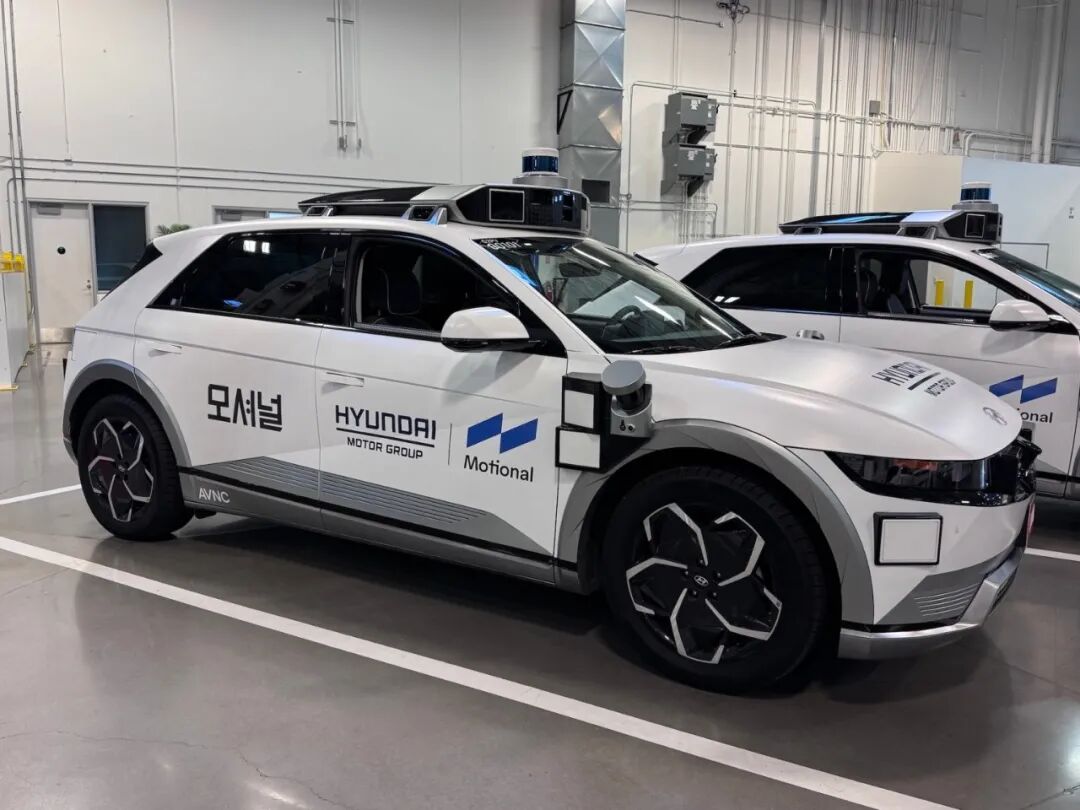
AI重构自动驾驶:Motional重启Robotaxi,赌上2026拉斯维加斯终局
3 6 Ke· 2026-01-12 04:50
Core Insights - The autonomous driving industry is transitioning from "wild growth" to "refined cultivation," with players facing a critical choice of "evolve or be eliminated" [1] - Motional, a joint venture between Hyundai and Aptiv, is restructuring its autonomous driving system using AI foundational models to restart its Robotaxi commercialization process, aiming for a fully driverless service in Las Vegas by the end of 2026 [1][10] Company Overview - Motional was established in 2020 as a joint venture between Hyundai and Aptiv, each holding 50% equity, with the goal of commercializing SAE Level 4 fully autonomous driving [4] - Initially, Motional achieved significant milestones, including the first cross-country autonomous drive and the launch of the world's first Robotaxi pilot project, completing over 100,000 rides in partnership with Lyft [4] Challenges Faced - The company has faced common industry pressures, including cost challenges and technological bottlenecks, leading to layoffs and a reduction in workforce from 1,500 to under 600 by May 2024 [4][5] - In 2024, Aptiv withdrew financial support after Motional missed deadlines for autonomous services with Lyft, prompting Hyundai to increase its investment to $1 billion and gain a controlling stake of 66.8% [4] Strategic Shift - Motional decided to embrace an AI revolution by pausing all commercial activities to focus on technological restructuring, moving from a fragmented model to an end-to-end architecture [5][6] - The new AI-driven architecture integrates previously separate machine learning models into a single backbone network, enhancing adaptability and efficiency in various scenarios [6] Industry Context - The shift towards AI in autonomous driving coincides with a broader industry paradigm shift, highlighted by Nvidia's introduction of AI models and platforms aimed at enhancing autonomous vehicle capabilities [8] - Motional's 2026 commercialization goal is critical, as it plans to launch a Robotaxi service with a human operator and transition to fully driverless operations by the end of the year [10] Future Outlook - The successful implementation of the fully driverless service in Las Vegas is seen as a pivotal moment for Motional, potentially attracting more partners and reducing R&D costs [10] - The ultimate goal for Motional is to integrate Level 4 systems into personal vehicles, positioning itself as a core technology supplier for automotive manufacturers [10][11] - The journey of Motional reflects the broader challenges and opportunities within the autonomous driving sector, emphasizing the need for a balance between AI capabilities and safety [11]
小马北汽计划将极狐阿尔法T5 Robotaxi推向中东、欧洲等市场
Bei Jing Shang Bao· 2026-01-12 02:43
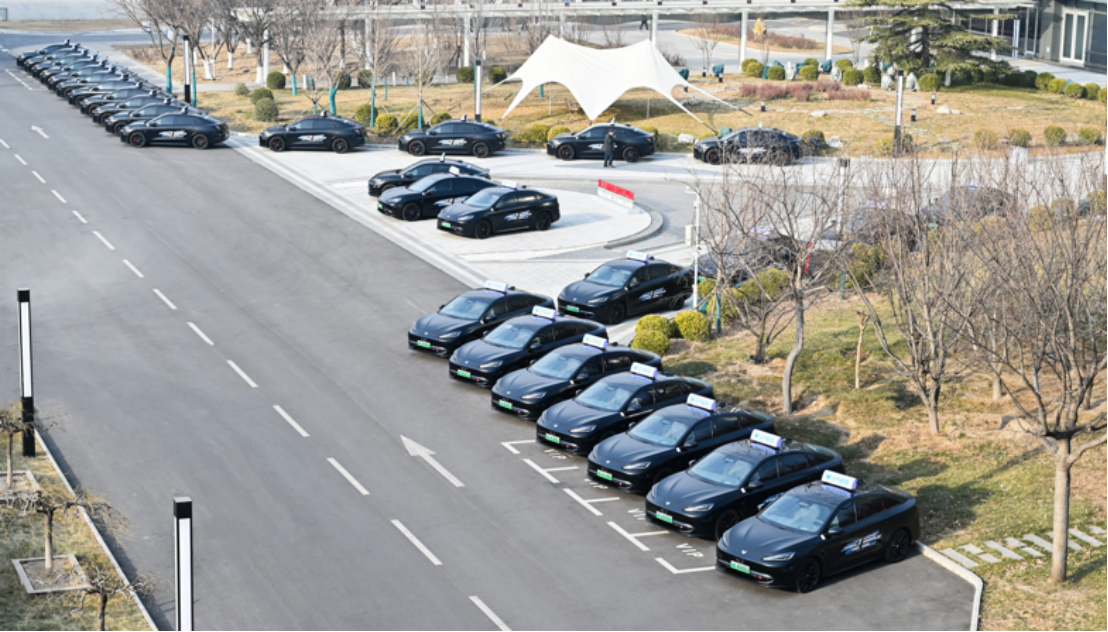
Core Viewpoint - Pony.ai and BAIC New Energy have initiated a Phase 2 collaboration to develop L4 autonomous vehicles based on the production experience of the Arcfox Alpha T5 Robotaxi, aiming to extend high-level intelligent driving models to the passenger car market [1] Group 1 - The collaboration will leverage the verified product experience and technical solutions from previous cooperation [1] - The focus will be on achieving "pre-installed mass production" standards for the new models [1] - The Arcfox Alpha T5 Robotaxi and its operational system will be promoted in strategic markets such as the Middle East and Europe [1]
“终于上路了”!北汽、长安等车企竞逐L3
Xin Lang Cai Jing· 2026-01-11 11:44
Core Insights - The approval of L3 conditional autonomous driving vehicles by the Ministry of Industry and Information Technology marks a significant step towards commercial application in China [4][18] - Companies like BAIC and Changan are leading the charge in the L3 autonomous driving sector, with their models set to begin trial operations [1][2] Group 1: L3 Autonomous Driving Approval - The first batch of L3 conditional autonomous driving vehicles approved includes the BAIC Arcfox Alpha S (L3 version) and Changan SC7000AAARBEV [1][2] - These vehicles are designed for specific urban and highway scenarios, with the Arcfox model capable of operating at speeds up to 80 km/h on designated routes in Beijing [2][3] - The approval process involves a phased approach, with commercial operations expected to gradually open to individual users by Q2 2026 [3][12] Group 2: Competitive Landscape - Multiple automakers, including BYD, NIO, and Geely, are vying for entry into the L3 autonomous driving market, with some obtaining local government permits for testing [2][14] - The distinction between permits from the Ministry of Industry and Information Technology and local governments lies in their nature; the former allows for commercial pilot projects, while the latter focuses on research and development [15][17] - Geely's Zeekr 9X has received a testing permit covering over 9,224 square kilometers in Hangzhou, indicating the scale of testing efforts [14] Group 3: Future Developments - The industry anticipates 2026 to be a pivotal year for the mass production of L3 autonomous driving technology, with potential breakthroughs in L4 technology as well [6][18] - BAIC is committed to expanding its lineup of vehicles equipped with L3 technology, indicating a long-term strategy in the autonomous driving space [18] - The partnership between BAIC and Pony.ai aims to develop a comprehensive operational model for Robotaxi services, showcasing the industry's focus on commercializing autonomous driving [19]