
数智化转型

Search documents
蒙牛将出席2025世界乳业峰会 携多项成果闪耀国际舞台
Zhong Guo Zhi Liang Xin Wen Wang· 2025-10-22 02:45
Core Viewpoint - The 2025 World Dairy Summit, hosted by the International Dairy Federation (IDF), will take place in Santiago, Chile, from October 20 to 23, highlighting global dairy industry innovations and sustainability efforts [1][3]. Group 1: Innovation in Dairy Products - Mengniu Group's "Future Star" children's formula milk has been nominated for the "IDF Dairy Innovation Award" in the category of human nutrition dairy product innovation, showcasing its commitment to global dairy innovation through independent research and development [4][5]. - The unique formulation of the "Future Star" product combines human milk oligosaccharides (HMO) with prebiotics (GOS and FOS), providing multidimensional support for children's gut health and has received a Chinese invention patent [5]. Group 2: Sustainable Development Initiatives - Mengniu's "Yogurt Day" brand has successfully entered the "Dairy Packaging and Transparency Innovation Award" category with its PHA straws, which are designed to biodegrade in marine environments, offering a sustainable alternative to plastic [6]. - The company is advancing its green packaging strategy, proposing the "4R1D" strategy for 2024, which focuses on reducing packaging material usage, promoting recycling, utilizing reusable designs, applying renewable materials, and using biodegradable materials [6][8]. Group 3: Digital Transformation in the Dairy Industry - During the summit, Mengniu will present on the development of smart laboratories in the dairy industry, sharing its practices and experiences in digital and intelligent research and development [8]. - The company is accelerating the application of digital technologies such as IoT, digital twins, and smart detection, aiming to create smart laboratories, intelligent factories, and smart pastures to facilitate the digital transformation of the entire dairy supply chain [8][10]. Group 4: Future Outlook - Mengniu's Ningxia factory has been certified as a "Lighthouse Factory" for its capacity and output, while its Wuhan factory has been recognized as the world's largest single low-temperature yogurt factory, demonstrating efficient and precise control from production to consumption [10]. - The company aims to continue driving innovation, digitalization, and sustainability as key engines for growth, collaborating with global partners to contribute to the advancement of the dairy industry [10].



“全球技术+本地创新”赋能 安捷伦扎根中国助力新质生产力发展
Jing Ji Guan Cha Wang· 2025-10-22 01:28
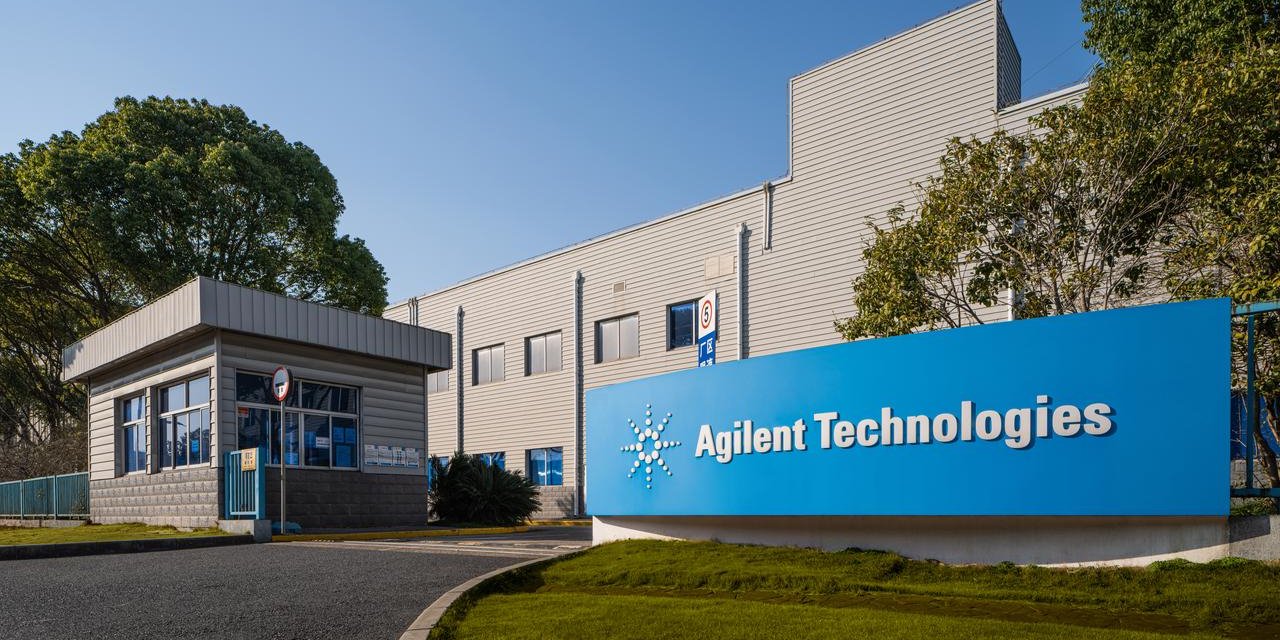
Core Insights - Agilent is enhancing its production capacity in China, particularly in the Shanghai factory, which now produces a wide range of analytical instruments including liquid chromatography, spectroscopy, and mass spectrometry [2][4] - Approximately 80% of Agilent's global demand for gas chromatography instruments is met by the Shanghai facility, indicating a strong reliance on local production to serve diverse industries [2] - The company is committed to local innovation and investment in China, aligning with its global strategy of "global technology + local innovation" to meet the evolving needs of its customers [4][5] Group 1: Business Strategy and Market Position - Agilent's strategy focuses on supporting the energy and chemical industries in their green and low-carbon transitions, leveraging over 30 years of experience in the Chinese market [4] - The company aims to capitalize on new opportunities arising from geopolitical risks and the migration of European energy and chemical enterprises to emerging markets [6][10] - Agilent has established deep collaborations with leading domestic companies, providing high-end analytical instruments and automation platforms to meet the growing demand for advanced materials and specialty chemicals [10][14] Group 2: Technological Innovation and Environmental Focus - Agilent is actively involved in developing solutions for new pollutants and environmental monitoring, addressing the challenges posed by emerging contaminants in the energy and chemical sectors [15][16] - The company is participating in the formulation of international standards and collaborating with local institutions to enhance the sustainability of the chemical industry [13][14] - Agilent's technological solutions cover various aspects of clean energy research and environmental compliance, including hydrogen energy and sustainable aviation fuels [15][16] Group 3: Digital Transformation and Automation - Agilent is advancing its "Ignite Transformation" strategy to promote smart and automated laboratory solutions, responding to the increasing demand for digital transformation across various industries [17][18] - The Shanghai facility has been upgraded to an international standard "lighthouse factory," utilizing AI and automation to enhance production efficiency [18][19] - Agilent has established an automated demonstration laboratory in Shanghai to assist clients in accelerating their digital transformation efforts [19]

石化化工行业增加高端化供给 加速数智化转型
Zhong Guo Jing Ji Wang· 2025-10-22 00:32
Core Viewpoint - The "Work Plan for Stable Growth in the Petrochemical Industry (2025-2026)" aims for an average annual growth of over 5% in the industry's added value, addressing current challenges such as intensified competition, insufficient supply of high-end chemicals, and slowing domestic demand [1] Group 1: Industry Growth and Challenges - The petrochemical industry is a crucial pillar of the national economy, with significant economic volume and high industrial correlation [1] - Current challenges include intensified competition in basic organic raw materials, insufficient supply of high-end fine chemicals, slowing domestic demand growth, and increased external uncertainties [1] Group 2: Digital Transformation and Innovation - The industry is focusing on digital transformation, green development, and technological innovation to enhance production efficiency and supply chain resilience [2][3] - Longqing Petrochemical has established a fully covered 5G smart refinery and is developing advanced models for production optimization and energy consumption adjustment [3] Group 3: Supply Chain and Product Development - The plan emphasizes enhancing high-end supply, focusing on key industries such as integrated circuits, new energy, and medical equipment [4] - There is a need to increase the effective supply of fine chemicals and develop specialized, high-value-added products [5] Group 4: Market Expansion and New Opportunities - Emerging fields like humanoid robots and new energy are driving demand for high-performance chemical materials, creating new growth points for the industry [6][7] - The lithium battery separator market is experiencing significant growth, with a reported sixfold increase in sales in the first eight months of the year [7]
加速数智化转型 石化化工行业增加高端化供给
Jing Ji Ri Bao· 2025-10-21 23:31
Core Viewpoint - The Ministry of Industry and Information Technology and six other departments have jointly issued the "Work Plan for Stable Growth in the Petrochemical Industry (2025-2026)", aiming for an average annual growth of over 5% in the industry's added value from 2025 to 2026, amidst challenges such as intensified competition and insufficient supply of high-end fine chemicals [1] Industry Growth and Challenges - The petrochemical industry is a crucial pillar of the national economy, with an added value accounting for 14.9% of industrial output in 2024, growing at 6.6%, which is 0.8 percentage points higher than the industrial average [2] - Current challenges include intensified competition in basic organic raw materials, insufficient supply of high-end fine chemicals, slowing domestic demand growth, and increased external uncertainties [1][2] Digital Transformation and Innovation - The industry is focusing on digital transformation, green development, and technological innovation to enhance production efficiency and supply chain resilience [2][3] - Longqing Petrochemical has established a fully covered 5G smart refinery and is developing advanced models for production optimization, achieving over 85% accuracy in end-to-end processes [3] High-End Supply Enhancement - The plan emphasizes enhancing high-end supply, particularly in key industries such as integrated circuits, new energy, and medical equipment, while addressing the supply of fine chemicals [4][5] - The industry aims to improve the production of high-value-added products and expand into high-end markets, with a focus on specialized and innovative product systems [5] Market Expansion and New Opportunities - Emerging fields such as humanoid robots and new energy are driving demand for high-performance chemical materials, presenting new growth opportunities for the petrochemical industry [6][7] - The lithium battery separator market is experiencing significant growth, with a reported sixfold increase in sales volume in the first eight months of the year [7]

石化化工行业增加高端化供给
Jing Ji Ri Bao· 2025-10-21 22:01
Core Viewpoint - The "Work Plan for Stable Growth in the Petrochemical Industry (2025-2026)" aims for an average annual growth of over 5% in the industry's added value, addressing current challenges such as intensified competition and insufficient supply of high-end fine chemicals [1][2]. Industry Overview - The petrochemical industry is a crucial pillar of the national economy, contributing 14.9% to industrial added value in 2024, with a growth rate of 6.6%, surpassing the industrial average by 0.8 percentage points [2]. - The industry faces challenges including increased competition in basic organic raw materials, insufficient supply of high-end fine chemicals, slowing domestic demand, and rising external uncertainties [1][2]. Digital Transformation - The industry is focusing on digital transformation and smart development as key components for high-quality growth, emphasizing the need to improve investment efficiency and accelerate high-end, green, digital, and safe transformations [2][3]. - Longqing Petrochemical has established a fully covered 5G smart refinery and is developing multi-dimensional models to enhance production operations and energy optimization, achieving over 85% accuracy in end-to-end operations [3]. Supply Chain and Product Development - The plan emphasizes enhancing high-end supply, targeting key industries such as integrated circuits, new energy, and medical equipment, and supporting the development of critical products in electronic chemicals and high-performance materials [4][5]. - The industry is encouraged to optimize product structures and enhance the supply of high-value-added products, with a focus on precision and specialty chemicals [5][6]. Market Expansion - New emerging fields, such as humanoid robots and new energy vehicles, present significant demand for high-performance chemical materials, which can foster new economic growth points for the petrochemical industry [6][7]. - The lithium battery separator market is experiencing rapid growth, with a reported sixfold increase in sales volume in the first eight months of the year, driven by the demand for high-performance materials [7].
重磅!南网数研院在京成立新公司
中国能源报· 2025-10-21 13:45
Core Viewpoint - The establishment of the Digital Consulting Company by the Southern Power Grid aims to support state-owned enterprises in their digital transformation, addressing challenges such as organizational support and short-term profit focus [1][2]. Group 1: Company Establishment and Purpose - The Digital Consulting Company was inaugurated on October 19, focusing on digital transformation and cybersecurity as core strategic directions for central state-owned enterprises [1]. - The company has developed a comprehensive set of methodologies and solutions for digital transformation, leveraging Southern Power Grid's experience in digital grids and artificial intelligence [1][2]. - The establishment is a strategic move by Southern Power Grid to enhance its brand and expand its market presence nationally [2]. Group 2: Consulting Services and Framework - The company has organized a consulting service framework consisting of 15 product categories to assist clients in defining transformation directions and ensuring effective implementation [2]. - The consulting services cover strategic planning, top-level design, implementation control, and system construction, aimed at systematic advancement of digital transformation [2]. Group 3: Talent Development and Future Goals - Talent is identified as the core competitive advantage for consulting services, with the company focusing on building a high-quality professional team through internal knowledge transfer and market recruitment [2]. - The future goal is to enhance the operational efficiency of state-owned assets and contribute to the high-quality development of digital transformation in China, starting from the energy and power sector [3].
数智咨询——五大维度深度解读!
中国能源报· 2025-10-21 13:45
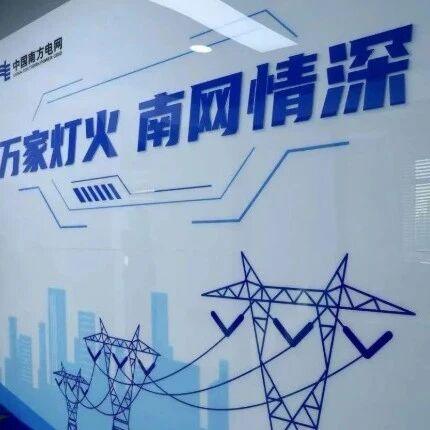
Core Viewpoint - The establishment of the Southern Power Grid Digital Network Research Institute's Beijing Smart Consulting Company is a strategic move to empower the digital transformation of state-owned enterprises, driven by policy direction, market demand, and internal capabilities [2][3][5]. Group 1: Establishment and Purpose - The Smart Consulting Company was officially established on October 19, 2025, in Beijing, aiming to leverage Southern Power Grid's digital transformation experience to support the digitalization of state-owned enterprises [2]. - The formation of this consulting firm is a response to the urgent need for systematic transformation methods in the context of national policies emphasizing digital transformation and network security [2][3]. Group 2: Core Competencies and Services - The company aims to build a high-end consulting brand focused on digital transformation, serving as a bridge between national strategies and practical implementation [5][10]. - It will provide a "one-stop" service addressing common challenges faced by large state-owned enterprises in their digital transformation, including issues related to awareness, methodology, collaboration, organization, and culture [5][6]. Group 3: Product and Service Framework - The consulting company has developed a "2-3-4-6" product service framework, which includes 15 types of consulting products to systematically advance digital transformation [6]. - The framework consists of two types of planning, three types of design, four levels of control, and six supporting systems to ensure the effectiveness and sustainability of transformation efforts [6][7]. Group 4: Talent Development - The company emphasizes that talent is its core competitive advantage, adopting a dual approach of internal knowledge transfer and market-driven recruitment to build a high-quality professional team [8][9]. - It aims to create a team with world-class consulting experience while ensuring the effective transmission of digital transformation knowledge within the organization [9]. Group 5: Future Direction - The Smart Consulting Company is committed to expanding its brand influence and delivering high-quality services to empower state-owned enterprises, contributing to the implementation of national digital strategies [10]. - The establishment of this company marks a new phase in the systematic output and comprehensive empowerment of digital transformation for state-owned enterprises [10].
兴蓝风电盛装亮相2025CWP—“碳”索新程开新篇,“智”驱未来展宏图
中国能源报· 2025-10-21 04:43
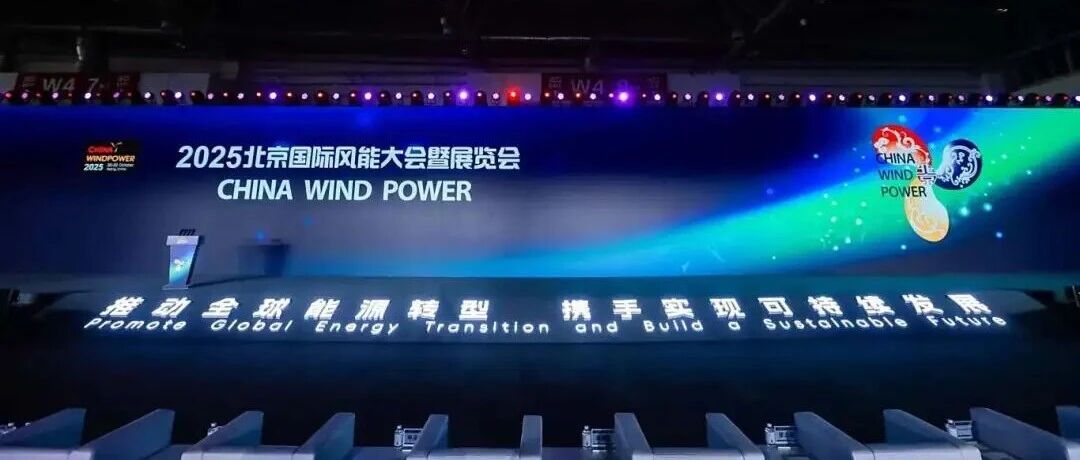
Core Viewpoint - SinoAzure showcased its commitment to advancing the wind energy sector and achieving carbon neutrality at the 2025 Beijing International Wind Energy Conference and Exhibition (CWP2025) [2][3]. Group 1: Company Overview - Since its establishment in 2006, SinoAzure has been a significant force in the development of wind energy technology in China, introducing innovations such as the 2MW onshore permanent magnet direct drive unit and the 5MW offshore wind turbine [5]. - The company participated in the exhibition alongside its European subsidiary Darwin, as well as its Inner Mongolia and Fujian branches, highlighting its global research and manufacturing capabilities [8]. Group 2: Industry Leadership - SinoAzure is the leading entity of China's only national key laboratory for offshore wind power equipment and efficient wind energy utilization, showcasing achievements in three major technological projects at the exhibition [9]. - The laboratory, approved by the Ministry of Science and Technology in March 2023, aims to address the technical challenges posed by the "oceanization, scaling, and digitalization" of wind energy [9]. Group 3: Technological Innovations - The company presented its significant breakthroughs in deep-sea wind energy, particularly the "one base, dual machine" 30MW+ floating wind turbine technology, which overcomes size limitations and enhances geographical adaptability [13]. - SinoAzure has established a European offshore prototype testing center and successfully delivered a 5MW floating unit in the Atlantic Ocean, marking its entry into the international floating wind energy market [13]. Group 4: Smart Operations - The company introduced a smart operation and maintenance solution focused on increasing power generation, reducing failure rates, and cutting maintenance costs [15]. - Its digital platform integrates intelligent warning and health management systems, enabling precise prediction and proactive maintenance of equipment [15][16]. Group 5: Green Hydrogen Initiatives - SinoAzure is advancing in the field of electricity-hydrogen coupling, showcasing a system that efficiently converts electrical energy into hydrogen, which was successfully utilized during the Beijing Winter Olympics [20]. - The company plans to develop an "offshore superconducting wind power hydrogen production integrated platform," combining floating wind energy, superconducting generators, electrolysis, and liquid hydrogen storage systems [20].
玖龙纸业涨超4% 国内纸包装市场热度攀升 公司五大基地今起同步调价
Zhi Tong Cai Jing· 2025-10-21 03:20
Core Viewpoint - The stock price of Nine Dragons Paper Holdings Limited (玖龙纸业) has increased by over 4%, reaching HKD 5.56, with a trading volume of HKD 23.88 million, driven by rising demand in the domestic paper packaging market and price adjustments by major players [1] Group 1: Company Developments - Nine Dragons Paper has announced a price increase of RMB 50 per ton for various products, effective from October 21, including premium and recycled corrugated paper series [1] - The company is part of a broader trend in the paper industry where leading firms are adjusting prices in response to market demand [1] Group 2: Industry Trends - The paper packaging market is experiencing heightened activity, with a "leading dragon + all categories follow" pricing trend observed [1] - Policies in Hebei and Shandong provinces are promoting green and digital transformation in the industry, which is expected to enhance valuation recovery as demand from events like Double Eleven materializes [1]
港股异动 | 玖龙纸业(02689)涨超4% 国内纸包装市场热度攀升 公司五大基地今起同步调价
智通财经网· 2025-10-21 03:15
Core Viewpoint - The domestic paper packaging market is experiencing increased activity, with major players like Nine Dragons Paper and Shanying updating their pricing strategies, leading to a rise in stock prices for Nine Dragons Paper [1] Company Summary - Nine Dragons Paper's stock rose by 4.12%, reaching HKD 5.56, with a trading volume of HKD 23.88 million [1] - Starting from October 21, Nine Dragons Paper will increase prices for various products, including premium and recycled corrugated cardboard, by RMB 50 per ton across multiple bases [1] Industry Summary - The paper industry is witnessing a seasonal demand surge, with a notable effect of cost and demand resonating together, resulting in a price increase across all product categories [1] - Policies in Hebei and Shandong provinces are promoting green and digital transformation within the industry, which is expected to enhance valuation recovery as demand from events like the Double Eleven shopping festival materializes [1]