铸牢中华民族共同体意识

Search documents
台胞青年冬令营开启辽宁探访之旅
Xin Lang Cai Jing· 2026-01-23 21:55
本报讯 记者徐铁英报道 1月23日,由辽宁省台联举办的全国台联第三十二届台胞青年冬令营辽宁分营活 动在沈阳启动。 此次活动以"青春赴新程 同心绘山河"为主题,围绕共同弘扬中华优秀传统文化、推动两岸融合发展、 展现辽宁全面振兴新突破发展成就等多条主线展开。一周时间里,来访的台胞青年将在沈阳、本溪、丹 东、大连等地参访研学,走进辽宁考古博物馆,通过实物、文献与多媒体手段探寻中华文明起源;与大 陆青年志愿者共同包饺子、体验非遗项目,感受传统文化魅力;参访大连商品交易所,了解辽宁现代化 建设的金融活力与发展动能。 (来源:辽宁日报) 此次活动旨在通过两岸青年人的互动交流,进一步铸牢中华民族共同体意识。本次活动共吸引台湾岛内 73名台胞参与,绝大部分营员首次来到东北,创近年来到访辽宁的台湾团组规模人数新高。 转自:辽宁日报 ...
民族团结进步促进法草案二审丰富维护国家象征和标志尊严相关内容
Xin Hua Wang· 2026-01-23 06:38
Group 1 - The draft of the Ethnic Unity and Progress Promotion Law was submitted for a second review by the Standing Committee of the National People's Congress, enriching the content related to maintaining the dignity of national symbols and signs [1] - The second draft adds provisions that citizens of the People's Republic of China should enhance their national consciousness and promote patriotism, maintaining the dignity of national symbols such as the national flag, anthem, and emblem [1] - The second draft further enriches the content related to the legal governance of ethnic affairs, emphasizing the need to strengthen constitutional and legal education to enhance national consciousness, civic awareness, and rule of law awareness among all ethnic groups [1] Group 2 - The second draft clarifies the requirement to implement an overall national security concept, coordinating development and security, and promoting high-quality development in ethnic regions [2] - The Ethnic Unity and Progress Promotion Law draft consists of a "preamble + 7 chapters" structure, totaling 62 articles, covering general principles, building a shared spiritual home, promoting exchanges and integration, advancing common prosperity, ensuring and supervising, legal responsibilities, and supplementary provisions [2]
教育家精神万里行|张玫:创新教法讲好中国故事
Xin Lang Cai Jing· 2026-01-22 13:00
Core Viewpoint - The article highlights the achievements and innovative teaching methods of Zhang Mei, a professor at the North Minzu University of China, who has been dedicated to education in the western region for over 20 years, emphasizing interactive and engaging English language teaching [2] Group 1: Teaching Philosophy and Methods - Zhang Mei advocates for a teaching philosophy centered around "happy teaching," aiming to make English classes lively and engaging [2] - She has introduced innovative interactive teaching methods such as "3-minute English speeches before class" and "10-minute English drama warm-ups," which enhance students' oral expression skills [2] - For the past 20 years, she has organized a "final party" award ceremony in her classes to stimulate students' intrinsic motivation and enhance their sense of achievement and ceremony [2] Group 2: Cultural Promotion and Community Engagement - Zhang Mei focuses on fostering a sense of national identity among students by establishing the "Huayun Cultural Bilingual Communication Society," which promotes the dissemination of traditional Chinese culture through short plays [2] - The initiative aims to enhance cultural confidence and emotional recognition among students [2] - She expresses a passion for her profession and enjoys teaching students from diverse ethnic backgrounds, with plans to help them share compelling Chinese stories in English [2]

共绘民族团结进步和谐图景——“十四五”时期甘肃省民族工作不断取得新成效
Xin Lang Cai Jing· 2026-01-22 00:44
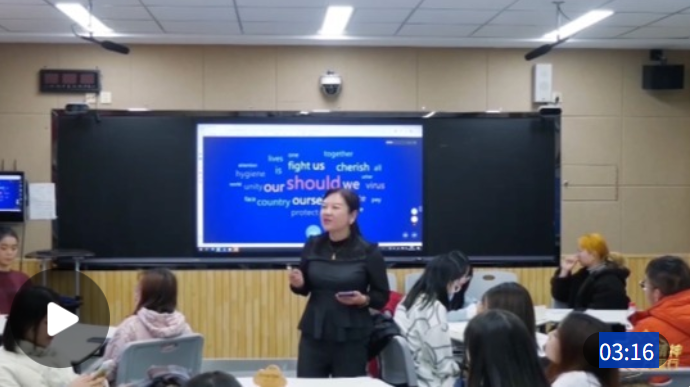
Core Viewpoint - The article emphasizes the significant achievements in ethnic work in Gansu Province during the "14th Five-Year Plan" period, highlighting the importance of national unity and the construction of a shared Chinese national community as a strategic task for social and economic development [1]. Group 1: Strengthening Leadership and Framework - The province integrates party leadership throughout the ethnic work process, enhancing ideological and political education, and incorporating the awareness of a shared Chinese national community into various educational and training programs [1][2]. - A new framework for ethnic work has been established, with leadership groups formed at provincial, municipal, and county levels, and a coordination mechanism for ethnic work has been implemented [2][3]. Group 2: Cultural Recognition and Community Building - Gansu Province has initiated various cultural activities to enhance cultural recognition and promote the shared spirit of the Chinese nation, including the "Pomegranate Seed" education project and annual ethnic unity promotion months [4][5]. - The establishment of the Gansu Provincial Ethnic Unity and Progress Association aims to mobilize resources from various sectors to advance the awareness of a shared Chinese national community [3][5]. Group 3: Infrastructure and Economic Development - Significant financial support has been allocated to ethnic regions, with a total of 2,522.6 billion yuan in various subsidies and 841.9 billion yuan invested in infrastructure development since 2021 [12][13]. - The province has seen improvements in transportation infrastructure, with 960 kilometers of new highways and a total road length of 26,700 kilometers, enhancing connectivity in ethnic areas [13]. Group 4: Community Integration and Social Harmony - The province has launched initiatives to create integrated communities, promoting mutual development among different ethnic groups through various projects and community standards [10][15]. - The "Red Pomegranate" initiative aims to foster community integration across cultural, economic, and social dimensions, with numerous projects implemented to enhance the living conditions of ethnic minorities [10][15]. Group 5: Achievements in Ethnic Unity and Progress - Gansu Province has been recognized for its efforts in promoting ethnic unity, with 85 national demonstration zones and units established, and 10 collectives and individuals awarded national honors for their contributions [9][15]. - The province's commitment to legal governance in ethnic affairs has strengthened the legal framework and ensured effective governance, contributing to social stability and harmony [15].
西南民族大学举办“格桑花”研究生支教团十周年大思政课
Xin Lang Cai Jing· 2026-01-21 09:17
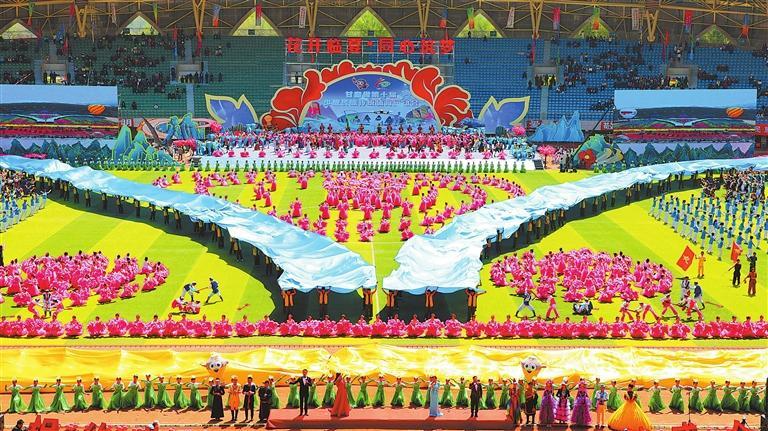
在"使命传承"篇章,研支团第八、九届成员代表王烁、谭雯菲在《跨越时光的高原回响》分享中,讲述 了在支教过程中,从初到的忐忑不安,到在课堂与生活里和孩子们彼此温暖、互相救赎。他们不仅传授 知识,更种下希望的种子,在雪域高原收获了成长与归属。 研支团第十届成员代表及红原县中学、红原县寄宿制藏文中学、若尔盖县中学的学生们通过云端完成 《雪域连线:第十届的青春应答》的隔空对话,支教老师与孩子们隔着屏幕挥手问好,日常里的暖心互 动藏着最柔软的温度。这份青春的接力,在雪域高原化作了彼此照亮的光。 课程最后,研支团第十一届全体成员与青年志愿者协会学生代表合唱《奉献》,歌声中诉说着支教精神 的代代相传。 转自:西南民族大学 为深化"铸牢大思政课"品牌建设,全面落实铸牢中华民族共同体意识主线要求和立德树人根本任务,近 日,西南民族大学"格桑花"研究生支教团十周年大思政课在航空港校区温情开讲。 本次大思政课以"我们的十年"为核心脉络,精心设置了"支教初心""育人担当""使命传承"三个篇章,通 过访谈宣讲、情景再现、视频连线、集体合唱等多元形式,生动串联起研支团十年扎根民族地区教育一 线的奋斗足迹。 在"支教初心"篇章,研支团第一 ...
中央民族干部学院举办内蒙古宣传文化系统铸牢中华民族共同体意识培训班
Xin Lang Cai Jing· 2026-01-21 09:17
近日,中央民族干部学院成功举办内蒙古宣传文化系统铸牢中华民族共同体意识培训班。本次培训紧扣 宣传文化工作特性与学员工作实际,在课程设计上实现了系统性突破与精准化赋能,取得了较好效果。 本期培训班在教学设计上狠下功夫,强化课程体系的精准性。针对学员行业结构和工作需要,围绕铸牢 中华民族共同体意识文化与宣传工作这一主题,将教学内容拆解为宣传、网络、舆情应对、思想文化、 融媒体运行等领域。在课程设计上采取了理论学习政策解读、工作指导现场观摩的模式。培训班邀请中 央党校、中国人民大学、中国民族报等的专家学者授课。在理论学习方面,"学习贯彻习近平文化思 想"、"把握铸牢中华民族共同体意识需要重点讲清的几个问题"、"推进中华民族共有精神家园建设"等 课程分别在宏观、中观、微观层面帮助干部提升理论政策水平。"新媒体时代的舆论环境和舆情应 对"、"如何做好民族领域网络正面宣传"、"对'道中华'策划与生产的几点思考"等课程旨在在民族领域的 舆情应对、网络宣传、融媒体运行上增强干部的工作能力水平。中国国家版本总馆高规格的场馆设计和 灿若星海的文化瑰宝为学员提供了震撼、沉浸式的学习体验,也为爱国主义教育基地负责人观摩学习场 馆建设 ...
沈阳市民族和宗教局举办学习贯彻全省民族团结进步表彰大会精神宣讲报告会
Xin Lang Cai Jing· 2026-01-19 20:11
Group 1 - The event held on January 16 aimed to implement the spirit of the provincial ethnic unity and progress commendation conference, with over 100 participants including ethnic work officials, teachers, and community representatives [1] - Representatives shared experiences on promoting ethnic unity within the education system, emphasizing the importance of creating platforms for interaction among different ethnic groups and instilling a sense of shared identity among students [2] - The city’s ethnic and religious affairs bureau plans to continue promoting the spirit of the commendation conference and create a strong atmosphere for respecting models and maintaining ethnic unity through various initiatives [2]
行走的思政课“走新”更“走心”
Ren Min Wang· 2026-01-19 14:21
Core Viewpoint - The "Walking Political Education Class" initiative aims to enhance ideological and political education among students in Xinjiang by integrating real-life experiences with classroom learning, fostering a sense of national identity and community awareness [1][7][12]. Group 1: Activities and Impact - The initiative includes various activities such as visits to historical sites, community interactions, and workshops with labor models, which help students connect theoretical knowledge with practical experiences [3][5][9]. - The program has successfully engaged over 5,000 students across Xinjiang and the Xinjiang Production and Construction Corps, promoting the spirit of national unity and collective identity [7][12]. - The activities have generated significant online engagement, with video content related to the initiative reaching over ten million views, indicating a broad societal interest in political education [12][14]. Group 2: Educational Approach - The "Walking Political Education Class" emphasizes a dual approach of "inviting in" and "going out," allowing students to learn from both local and external experiences, thereby enhancing the relevance and appeal of political education [7][9]. - The program has introduced diverse teaching methods, moving from traditional classroom settings to more dynamic, real-world environments, which has proven effective in engaging students [14]. - Educational leaders have noted that this approach not only enriches students' knowledge but also instills values and ideals that are crucial for their personal development and national identity [14]. Group 3: Community and National Identity - The initiative fosters a sense of belonging and community among students from different ethnic backgrounds, promoting the idea of "Chinese nation as one family" through shared experiences and collaborative learning [5][12]. - Students have expressed a deeper understanding of historical events and national values through firsthand experiences, which enhances their emotional connection to their country [9][10]. - The program aims to cultivate a new generation of individuals who are not only knowledgeable but also possess a strong sense of responsibility and commitment to their nation [12][14].
额敏县市场监管局组织学习《全国民族团结进步示范区示范单位创建命名管理办法》
Zhong Guo Shi Pin Wang· 2026-01-19 09:15
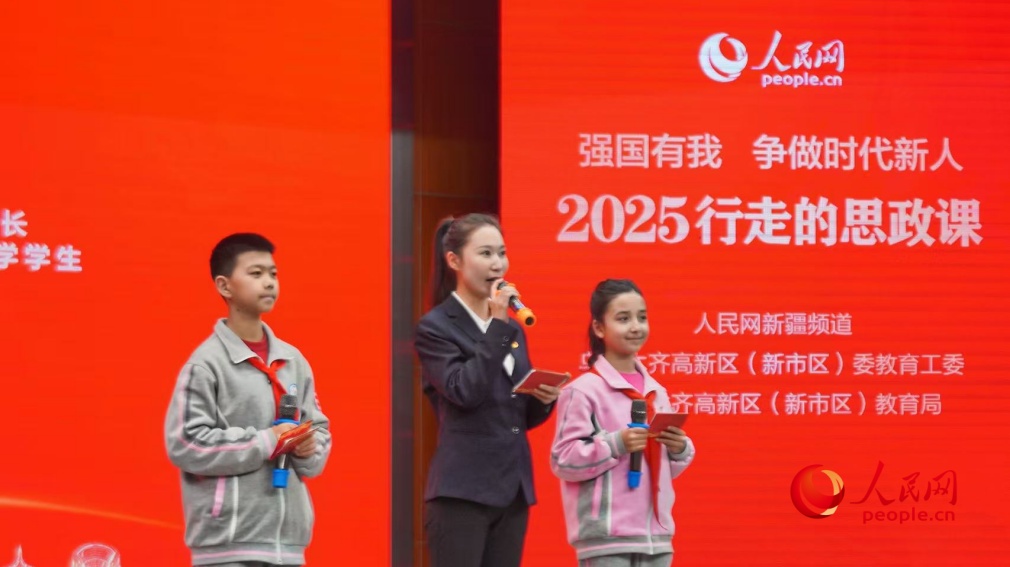
Core Viewpoint - The article emphasizes the integration of ethnic unity promotion with market supervision, highlighting the importance of fostering a sense of community among various ethnic groups in China through regulatory practices [1][2]. Group 1: Learning and Implementation - The market supervision bureau organized a study session on the "National Ethnic Unity Progress Demonstration Zone Creation Management Measures" to enhance understanding and implementation of ethnic unity initiatives [1]. - Bureau leaders guided staff in comprehensively studying the document, focusing on the core theme of strengthening the awareness of the Chinese national community [2]. Group 2: Specific Measures and Requirements - The bureau outlined specific requirements for integrating ethnic unity work with market supervision, including optimizing bilingual services and creating a "green channel" for ethnic enterprises [2]. - Emphasis was placed on improving quality standards for ethnic specialty foods and traditional crafts, as well as protecting geographical indications to enhance the competitiveness of ethnic industries [2]. - The bureau committed to fair enforcement practices, ensuring no discrimination in law enforcement and addressing consumer disputes involving ethnic factors [2]. Group 3: Future Commitment - Staff expressed motivation to enhance their professional capabilities in integrating ethnic work with regulatory services and public welfare [3]. - The bureau aims to normalize and sustain the promotion of ethnic unity initiatives, contributing to the high-quality development of ethnic unity in the region [3].
天山脚下“筑基”记:新疆农业大学的育人实践
Xin Lang Cai Jing· 2026-01-19 04:46
Core Viewpoint - Xinjiang Agricultural University, established as the first new-type regular university by the Communist Party of China in Xinjiang, emphasizes the cultivation of a shared national identity among students through its "Foundation" project, integrating education with practical agricultural experiences [3][4][9]. Group 1: Educational Structure and Programs - The university offers 70 undergraduate programs, 8 doctoral points, 19 master's points, and 7 postdoctoral research stations, with two disciplines ranked in the top 1% globally [3]. - The "Foundation" project aims to transform the concept of national identity into practical educational experiences, focusing on moral education and providing students with a broad platform for realizing their values [4][9]. Group 2: Practical Education Initiatives - The "耕读教育" (Agricultural Education) program has been running for 26 years, with 274 practical bases established across Xinjiang, integrating practical experience into academic credit [4]. - Students participate in hands-on agricultural activities, enhancing their skills and fostering camaraderie among diverse ethnic groups [4][6]. Group 3: Campus Life and Cultural Integration - Over 60% of students come from outside Xinjiang, promoting a multicultural environment where students live and learn together [6]. - The university organizes activities to foster relationships between faculty and students from various ethnic backgrounds, creating a supportive community [6][8]. Group 4: Ideological Education - The university has developed a curriculum centered on fostering a shared national identity, integrating ideological education into various subjects [8][9]. - The leadership actively participates in teaching ideological courses, ensuring that students receive direct insights into national development goals [9]. Group 5: Career Development and Future Expansion - A comprehensive employment service system is in place to enhance students' job readiness, including workshops and AI-assisted interview preparation [9]. - The recent approval of the Tacheng campus expansion signifies the university's commitment to agricultural development and the cultivation of future agricultural professionals [9][10].