青少年心理健康

Search documents
是谁在批量制造“厌学小孩”?
Hu Xiu· 2025-06-24 10:05
Group 1 - The article discusses the increasing number of students experiencing depression and school refusal, highlighting the societal misunderstandings surrounding these issues [1][3][20] - A psychologist, Li Wei, emphasizes that the root causes of these problems often lie within the family dynamics rather than the children themselves [5][14][44] - The impact of the pandemic on children's social skills and mental health is significant, with many losing the ability to form friendships [4][22][21] Group 2 - Li Wei suggests that addressing basic needs such as eating, sleeping, and exercising can be the first steps in helping these children [37][40][41] - The article illustrates various case studies of children suffering from severe mental health issues, often linked to their family environments [12][13][56] - The importance of family involvement in the healing process is highlighted, with examples showing how parental support can lead to significant improvements in children's mental health [45][50][58]
中小学专职心理教师期待前行助力
Zhong Guo Qing Nian Bao· 2025-06-21 01:42
Core Viewpoint - The increasing focus on adolescent mental health in China is leading to a rise in the number of professional psychological teachers in schools, highlighting the challenges they face and their needs for training and support [1][2][3]. Group 1: Policy and Context - In 2023, the Ministry of Education and 17 other departments issued a plan to enhance mental health education in schools, aiming for 95% of schools to have dedicated psychological teachers by 2025 [1]. - The National Health Commission has designated 2025-2027 as the "Pediatric and Mental Health Service Years," further emphasizing the importance of mental health services for youth [1]. Group 2: Challenges Faced by Psychological Teachers - Young psychological teachers often encounter complex factors affecting students' mental health, leading to difficulties in providing effective support [2]. - Many teachers feel overwhelmed by the expectations placed on them, as they are often the only dedicated psychological staff in their schools [1][2]. - There is a lack of sufficient training opportunities, with many teachers reporting that existing training programs do not adequately address the diverse issues faced by students [2][3]. Group 3: Training and Professional Development - Young psychological teachers express a strong desire for more comprehensive training to enhance their skills and effectiveness in addressing students' mental health issues [2][3]. - Experts suggest that training should not only focus on newly graduated teachers but also involve experienced educators to create a more supportive learning environment [3]. Group 4: Role Clarity and Support - There is a need for clearer role definitions between psychological teachers and other educational staff, as well as better communication with parents regarding students' mental health needs [6][7]. - School management plays a crucial role in facilitating collaboration among teachers, counselors, and parents to create a supportive environment for students [7]. Group 5: Recommendations for Improvement - Schools are encouraged to create platforms for psychological teachers to share experiences and resources, fostering a collaborative approach to mental health education [9]. - Selecting trainers with practical experience in school psychology rather than solely academic credentials can enhance the effectiveness of training programs [9].
全国超25家休学中心,接不住2800万抑郁青少年
Hu Xiu· 2025-06-15 23:05
Core Viewpoint - The emergence of "suspension institutions" reflects the increasing mental health issues among adolescents and the growing trend of school suspension in China, driven by parents seeking alternative solutions for their children who struggle with traditional education systems [3][4][28]. Group 1: Overview of Suspension Institutions - There are at least 25 suspension institutions across China, with a concentration in cities like Dali, Beijing, Hangzhou, and Chengdu [2]. - These institutions offer diverse approaches, from complete acceptance and "lying flat" culture to nature therapy and a mix of psychological counseling and engaging activities [2][3]. - Common characteristics include a lack of fixed schedules, no mandatory classes, and blurred lines between teachers and students [2][3]. Group 2: Mental Health Statistics - Over 28 million individuals under 18 in China suffer from depression, accounting for 30.28% of the total depression patients [3]. - Among families with children experiencing mental health issues, 53.85% reported having a history of school suspension, with an average of 1.71 suspensions per child [3]. Group 3: Parental Perspectives and Experiences - Many parents have tried various treatments, including psychological counseling and medication, before turning to suspension institutions [2][4]. - Parents express a strong desire for their children to find a supportive environment that addresses their emotional needs and helps them regain a sense of purpose [4][11]. Group 4: The Role of Gaming - Gaming is often viewed as a coping mechanism for children, with some parents recognizing its potential benefits when integrated into therapeutic settings [8][10]. - Institutions are increasingly adopting a more lenient approach towards gaming, allowing children to engage in it as a form of social interaction and emotional relief [8][10]. Group 5: Challenges and Adjustments - Transitioning to a suspension institution can be difficult for children, often requiring time to adjust and recover from previous academic pressures [11][12]. - Many children experience feelings of guilt and anxiety about their situation, complicating their adjustment to a new environment [13][14]. Group 6: Financial Considerations - The cost of attending suspension institutions can be prohibitive for many families, with fees ranging from 4,000 to 18,000 yuan per month [44][45]. - Economic barriers prevent a significant number of families from accessing these services, highlighting the need for more affordable options [45]. Group 7: Societal and Cultural Influences - The pressure of performance culture in society contributes to the mental health struggles of adolescents, as parents often project their own success onto their children [46]. - The global trend of school refusal and mental health issues among youth has been exacerbated by the COVID-19 pandemic, with significant increases in absenteeism reported in countries like the U.S. and the U.K. [46][47]. Group 8: Future Directions - There is a growing expectation for more support from government and community organizations to assist families dealing with school refusal and mental health challenges [47]. - Parents express a desire for community spaces where their children can socialize and engage in activities outside of traditional educational settings [47].
青少年心理困境难以言说?看见情绪背后的真实需求
Zhong Guo Xin Wen Wang· 2025-05-22 01:58
Core Insights - The article highlights the increasing prevalence of mental health issues among adolescents, emphasizing the need for timely intervention and support systems to address these challenges [1][2][4] Group 1: Adolescent Mental Health Issues - Adolescents are experiencing significant psychological challenges, including insomnia, lack of interest in studies, and strained relationships, often stemming from academic pressure and family conflicts [1][2] - There is a notable increase in students seeking help for sleep disorders and anxiety, indicating a growing concern for adolescent mental health [1][2] Group 2: Role of Parents and Educators - Parents are encouraged to shift from being "controllers" to "listeners" and "companions," fostering open communication to better understand their children's emotional needs [3][5] - Educators should focus on the psychological well-being of students rather than solely on academic performance, recognizing that behavioral issues may indicate deeper emotional struggles [2][4] Group 3: Collaborative Support Systems - A multi-faceted support network involving families, schools, and healthcare providers is essential for effectively addressing adolescent mental health issues [2][4] - Schools are implementing psychological counseling services and integrating mental health education into their curricula to create a supportive environment for students [3][4] Group 4: Educational Philosophy - The ultimate goal of education should be to nurture well-rounded individuals rather than merely focusing on academic achievements, promoting resilience and a love for learning [5] - A cultural shift towards understanding and supporting mental health is necessary, with tailored interventions for various stages of adolescent development [5]
Nature头条:有抑郁、焦虑等心理健康问题的青少年刷手机时间更长
生物世界· 2025-05-07 09:29
Core Viewpoint - The article discusses a study published in Nature that reveals adolescents with anxiety and depression spend more time on social media but report lower satisfaction with their online experiences [2][3]. Summary by Sections - **Study Overview**: The research conducted by Cambridge University analyzed data from a 2017 NHS survey involving 3,340 adolescents aged 11-19, focusing on their social media usage and feelings towards it [2]. - **Mental Health Findings**: 16% of participants had at least one mental health issue, with 8% experiencing "internalizing" problems like depression and anxiety, and 3% having "externalizing" issues such as ADHD [3]. - **Social Media Usage**: Adolescents with mental health issues spend an average of 50 minutes more on social media daily compared to their peers, and they are more likely to feel dissatisfied with aspects of their online interactions, such as the number of online friends [3]. - **Comparative Behavior**: Those with "internalizing" mental health issues are more prone to social comparison online, influenced by feedback metrics like likes and shares, and find it harder to control their social media usage [3]. - **Parental Guidance**: The findings serve as a warning for families, suggesting that parents should carefully monitor their children's social media use if they exhibit signs of anxiety or depression [3].


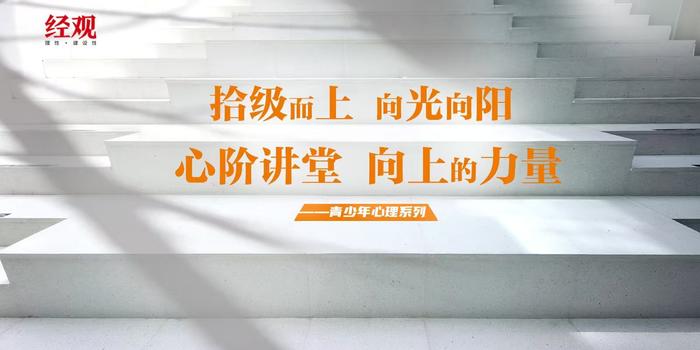
拾级而上 向光向阳——2025「心阶讲堂」跨界启幕,共筑青少年心理韧性
Jing Ji Guan Cha Bao· 2025-04-27 09:54
Core Insights - The "Heart Ladder Lecture" series focuses on youth mental health and growth dynamics, addressing global challenges such as academic pressure, family communication breakdown, and internet dependency among adolescents [2][22] - The initiative aims to create a comprehensive service system that integrates family, school, and social resources to support youth development through prevention, intervention, and empowerment [2][22] Group 1: Event Overview - The first session of the "Heart Ladder Lecture" was held in Beijing, themed "The Power of Ascending," emphasizing cross-disciplinary dialogue on cultural inheritance, technological empowerment, mental health, and international education [2][22] - The event coincided with the 24th anniversary of Jingguan's establishment, marking a significant milestone and the beginning of a new developmental chapter [4] Group 2: Key Themes and Discussions - Discussions highlighted the need for collaboration among families, schools, and communities to address youth psychological issues, emphasizing the importance of cultural and technological integration [8][11] - The concept of "situational unity" was reiterated as crucial for addressing contemporary challenges in family and youth development, advocating for a holistic approach to education and mental health [15][18] Group 3: Expert Contributions - Experts shared insights on the importance of family dynamics in fostering youth resilience, emphasizing the roles of belonging, competence, and autonomy in child development [11][20] - The integration of traditional culture with modern technology was proposed as a means to enhance educational practices and address psychological challenges faced by youth [8][14] Group 4: Future Directions - The "Heart Ladder Lecture" aims to continue exploring various psychological themes, including youth mental health, women's psychology, and family relationships, to foster personal and organizational growth [20][22] - The initiative seeks to establish itself as a vital platform for disseminating positive influences and supporting the mental well-being of adolescents [20][22]