
Micro LED

Search documents
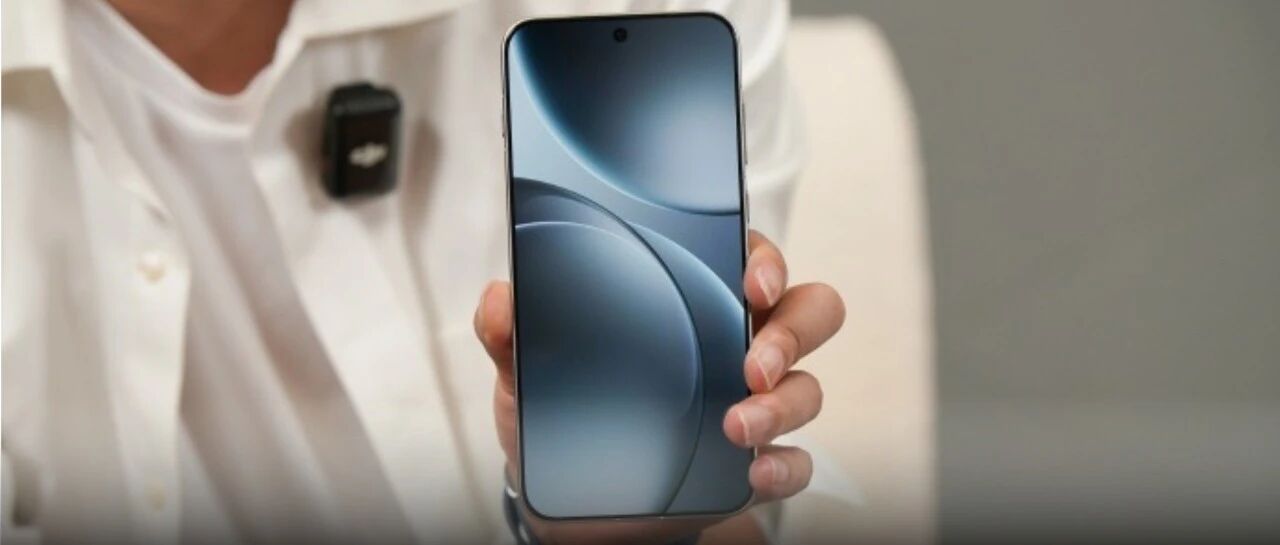
天马将供屏OPPO Find X9
WitsView睿智显示· 2025-09-17 10:09
Core Viewpoint - OPPO is set to launch the Find X9 series smartphone featuring the world's first "1nit" eye-care display, developed in collaboration with Tianma, showcasing advanced screen technology and manufacturing capabilities [2][3]. Group 1: Product Features - The Find X9 series will utilize a custom screen from Tianma, built on OPPO's exclusive high-spec screen production line, alongside self-developed scientific production lines [2]. - The "明眸护眼屏" (Eye-Care Display) incorporates low-brightness high-precision circuits, new eye-care materials, and a new Display P3 chip, achieving full-scene true 1nit brightness, high-frequency PWM dimming, and a peak brightness of 3600nit [3]. - The development of this display took three years and involved significant costs, marking it as the most sincere eye-care screen in the Find X series [4]. Group 2: Comparison with Previous Models - The previous generation, Find X8/X8s, also featured screens supplied by Tianma, while the Find X8 Pro/X8 Ultra utilized BOE screens. The Find X8s had a 6.3-inch 1.5K flat display with 460 PPI, peak brightness of 1600nit, and support for 1.7 billion colors and adaptive refresh rates [6].


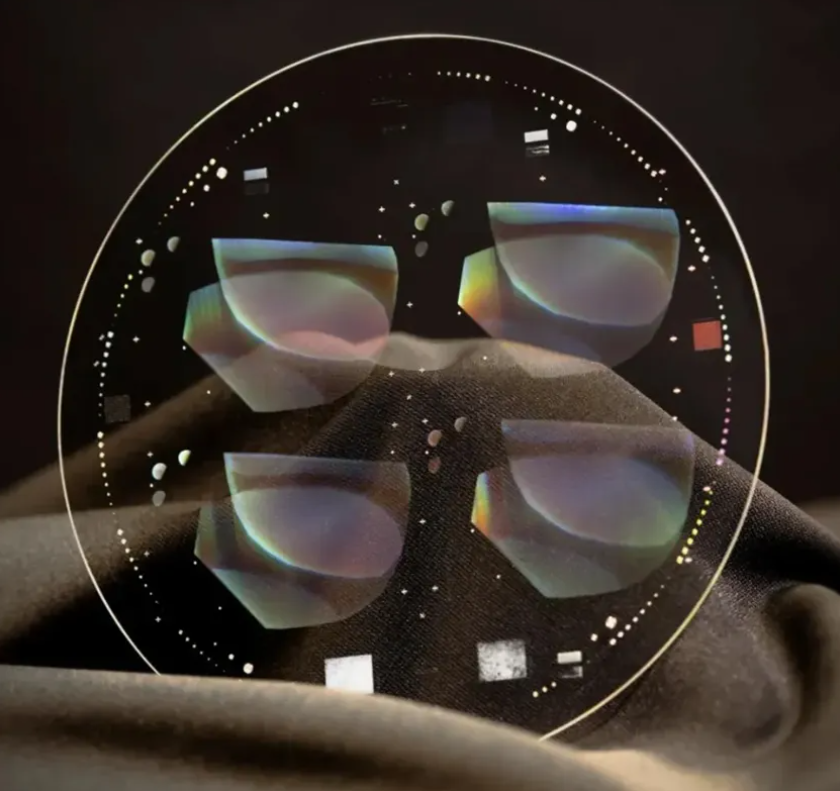
三安光电:用于智能眼镜的碳化硅光学衬底已小批量交付
Ju Chao Zi Xun· 2025-09-17 08:51
Core Insights - Sanan Optoelectronics is advancing its Micro LED products in the AI/AR glasses sector, moving from technical validation to small-scale validation [1] - The company is collaborating closely with domestic and international terminal manufacturers and optical component suppliers for its silicon carbide (SiC) optical substrate products, achieving small-scale deliveries to multiple clients [1][2] Group 1: Company Developments - Sanan Optoelectronics has revealed that its Micro LED products are in the small-batch validation stage, indicating progress in the AI/AR glasses market [1] - The company’s chairman highlighted the successful small-scale delivery of SiC optical substrates to various clients, emphasizing ongoing optimization of optical parameters [1] Group 2: Industry Trends - The SiC optical substrate business is expected to become a new growth point for the company as AI/AR glasses and other emerging applications gain traction [2] - SiC, as a third-generation semiconductor material, offers high thermal conductivity, high breakdown field strength, and high stability, making it suitable for optical substrates and optoelectronic devices [2] - The combination of Micro LED technology and SiC optical substrates is anticipated to accelerate the commercialization of AR/VR devices, creating new market opportunities for upstream materials and device companies [2]

对标苹果,小米17系列本月发布
WitsView睿智显示· 2025-09-15 10:41
Core Viewpoint - Xiaomi is set to launch the Xiaomi 17 series, including Xiaomi 17, Xiaomi 17 Pro, and Xiaomi 17 Pro Max, which will feature significant upgrades and competitive specifications against the iPhone [2][3]. Group 1: Product Specifications - The Xiaomi 17 series will globally debut the fifth-generation Snapdragon 8 flagship processor, with single-core scores exceeding 4000 and multi-core scores over 11000 on GeekBench 6, and AnTuTu scores surpassing 4 million [3]. - The Xiaomi 17 will feature a 6.3-inch 1.5K display, while the Xiaomi 17 Pro Max will have a larger 6.85-inch 2K display [3]. - The Xiaomi 17 will be equipped with a 7000mAh battery, supporting 100W wired fast charging and 50W wireless fast charging [4]. Group 2: Collaboration and Branding - The Xiaomi 17 series continues the collaboration between Xiaomi and Leica for camera technology development [7].

LG Micro LED显示屏落地日本
WitsView睿智显示· 2025-09-14 02:49
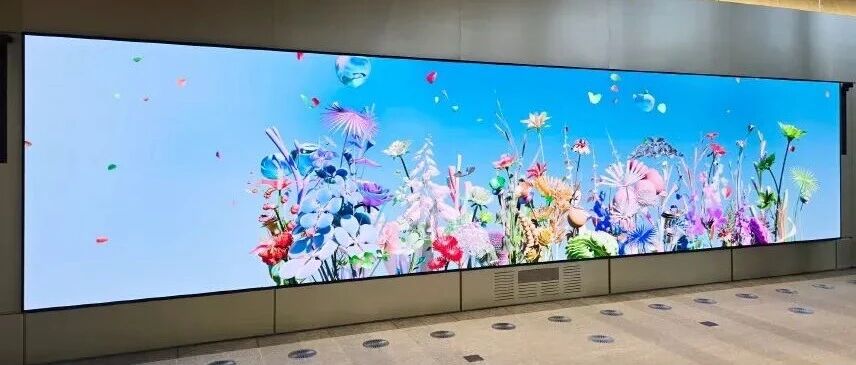
Core Viewpoint - LG Electronics is enhancing its presence in the display technology market by installing innovative transparent OLED signage and Micro LED displays in the newly opened commercial complex NEWoMan TAKANAWA in Tokyo, Japan [2][4]. Group 1: Transparent OLED Signage - LG Electronics has installed a 380-inch transparent OLED display in the event hall on the third floor of the North Building, providing visitors with a unique blend of virtual and real experiences [2]. - The company has also integrated 16 units of 55-inch transparent OLED signage in an 8×2 array, showcasing the technology's ability to seamlessly blend into various environments [2]. - The transparent OLED signage features a modular design that allows for seamless four-sided splicing, enabling the creation of transparent video walls of any size [2]. Group 2: Micro LED Displays - The LG MAGNIT Micro LED displays have been installed at the entrances of both the North and South Buildings, enhancing the immersive experience for visitors [4]. - In the North Building, a vertical display measuring 2.4 meters in width and 7.45 meters in height has been installed, while the South Building features a horizontal display measuring 9 meters in width and 2.02 meters in height [4]. - LG MAGNIT displays utilize Micro LED technology with a width of less than 100μm, offering self-emissive capabilities, high clarity, excellent color reproduction, and precise image processing [5]. Group 3: Market Developments - In May 2023, LG Electronics launched a 136-inch MAGNIT conference all-in-one machine in the European and American markets, featuring active AM glass-based driving technology with a pixel pitch of P0.78 [6]. - In July 2023, LG Electronics created the largest MAGNIT Micro LED display in North America at the AT&T Stadium in Dallas, providing an immersive visual experience for spectators [6]. - The company has also introduced 118-inch and 136-inch MAGNIT products for home use, priced at approximately RMB 1.737 million and RMB 2.199 million, respectively [6].
Micro LED手表推动,2029年芯片市场规模或突破4.61亿美元
WitsView睿智显示· 2025-09-10 09:08
Core Viewpoint - The article discusses the accelerating penetration of Micro LED technology in consumer electronics, highlighting its potential to transform various sectors, including televisions, smartwatches, and automotive displays, with a projected market value of $461 million by 2029 [2][4]. Group 1: Market Trends and Projections - Micro LED technology is expected to see significant growth, with Samsung launching a 140-inch Micro LED TV in 2023 and Garmin planning to introduce the Fenix 8 Pro smartwatch with Micro LED technology by 2025 [2]. - The market value of Micro LED chips is projected to reach $461 million by 2029, driven by the introduction of key products across various applications [2][4]. Group 2: Competitive Landscape - Current challenges for Micro LED include high power consumption and pricing, making it difficult to compete with more mature OLED technology in the short term [4]. - Despite these challenges, Micro LED's ability to meet the high brightness demands of outdoor environments and its potential for integrating sensing components position it favorably for future innovation [4]. Group 3: Industry Collaboration and Supply Chain - The Garmin Fenix 8 Pro smartwatch will utilize components from AUO, PlayNitride, and Raydium, showcasing the evolving Micro LED supply chain and its readiness for commercialization [4]. - The collaboration among various companies in the Micro LED ecosystem indicates a growing interest and investment in this technology, paving the way for further advancements and cost optimization [4].

5999元起,iPhone 17系列手机发布
WitsView睿智显示· 2025-09-10 09:08
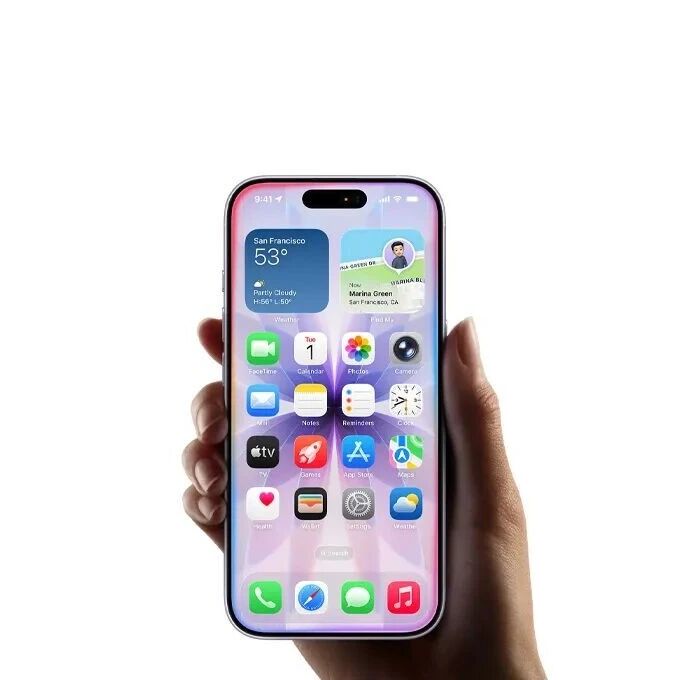
9月10日凌晨,苹果在2025 秋季新品发布会,正式发布iPhone 17、iPhone Air、iPhone 17 Pro、iPhone 17 Pro Max四款手机。具体情况如下: 图片来源:苹果 屏幕 此次,4款新机搭载的OLED屏均支持ProMotion、120Hz可控高刷和全天候显示,统一拥有像素 密度460 ppi,对比度达2000000:1、触感触控等特性。亮度方面,典型亮度最高达1000尼特, HDR下1600尼特,户外3000尼特,最小亮度1尼特。 值得一提的是,这是苹果首次将高刷下放至标准版。 4款新机屏幕尺寸有所差别:iPhone 17为6.3英寸、iPhone Air为6.5英寸、iPhone 17 Pro为6.3 英寸、iPhone 17 Pro Max为6.9英寸。 芯片 iPhone 17:A19芯片,采用6核CPU、5核GPU、16核神经网络引擎,支持硬件光追。 iPhone Air:A19 Pro芯片,采用6核CPU、6核GPU、16核神经网络引擎,支持硬件光追。 接口和SIM卡 iPhone 17:USB 2、双nano-SIM卡。 iPhone Air:USB 2、双eS ...

雷曼光电节能冷屏引领LED显示绿色新潮流
Quan Jing Wang· 2025-09-07 05:49
Core Viewpoint - The LED display industry is actively seeking green, energy-efficient solutions in response to national advocacy for energy conservation and carbon reduction, with Lehman Optoelectronics leading the way through its innovative PSE energy-saving cold screen technology [1][6]. Group 1: Technological Innovation - Lehman Optoelectronics' PSE energy-saving cold screen features a screen temperature controlled at 30.5℃ and an average power consumption of only 96W per square meter, achieving a 50% reduction in power consumption compared to similar display devices [2][3]. - The technology integrates advanced innovations, including proprietary COB packaging technology, which enhances pixel density and display quality by reducing signal transmission loss [3]. - The combination of COB and PSE technologies offers a cost-effective solution for high-performance, high-resolution Micro LED displays, addressing the growing demand for large-scale production [3]. Group 2: Performance and Stability - The energy-saving cold screen effectively addresses heat generation issues common in traditional LED displays, ensuring stable operation and safety [4]. - The design features an integrated die-cast aluminum housing for high-precision splicing and efficient heat dissipation, enhancing reliability and extending the product's lifespan [4]. - The sealed housing design provides strong electromagnetic shielding, reducing radiation impact, making it suitable for sensitive environments like hospitals and schools [4]. Group 3: Market Applications - Lehman Optoelectronics' energy-saving cold screens are widely used in various sectors, including healthcare, where they are installed in hospitals for presentations and promotional content [5]. - The technology is also implemented in industrial settings, such as the Qingdao Brewery's control center, aligning with its sustainable factory initiatives [5]. - The products are adaptable for diverse applications, including digital exhibition halls, shopping displays, training sessions, and command centers, providing excellent display quality for both indoor and outdoor settings [5]. Group 4: Industry Leadership and Future Outlook - The energy-saving cold screen products set a new benchmark in the LED display industry, leading the direction of industry development with their innovative technology and energy efficiency [6][7]. - As global demands for environmental sustainability and high-quality visual experiences increase, the market potential for energy-saving cold screen technology is expected to expand significantly [6][7]. - The continuous technological advancements and market expansion of Lehman Optoelectronics' energy-saving cold screens are anticipated to enhance acceptance among downstream customers, contributing to global green development [7].

传京东方向韩企采购Micro LED设备
WitsView睿智显示· 2025-09-04 09:17
Core Viewpoint - Hanwha Semiconductor has successfully won the bid for BOE's Micro LED project, supplying chip mounters to BOE's production base in Zhuhai, marking a significant step in the Micro LED industry [2]. Group 1: Project Details - The project involves the supply of 4 chip mounters, with Hanwha Semiconductor being the sole bidder and officially winning the bid on September 1 [2]. - The expected delivery models are speculated to be either the Decan F2 or XM5 series, which have precision capabilities of 40µm and 22µm, respectively, suitable for Micro LED chips under 100µm [2]. - The Zhuhai base is the world's first 6-inch Micro LED mass production line, primarily producing Micro LED wafers and pixel devices for AR/VR and wearable applications [2]. Group 2: Production Capacity - Once fully operational, the Zhuhai production line is projected to achieve an annual capacity of 24,000 6-inch wafers and 45,000 KK Micro LED pixel devices [2]. - The Micro LED production line was launched in November last year, and product deliveries were announced in March this year [3].


艾比森上半年归属于上市公司股东的净利润1.16亿元 同比增长30.84%
Zheng Quan Ri Bao Zhi Sheng· 2025-08-28 12:05
Core Viewpoint - Absen's financial performance in the first half of 2025 shows a modest revenue growth with significant profit increases, indicating strong operational efficiency and market positioning [1][2]. Financial Performance - The company achieved a revenue of 1.819 billion yuan, a year-on-year increase of 1.15% [1]. - Net profit attributable to shareholders reached 116 million yuan, up 30.84% year-on-year [1]. - The net profit excluding non-recurring gains and losses was 107 million yuan, reflecting a substantial growth of 90.64% year-on-year [1]. - The net cash flow from operating activities was 231 million yuan, showing a remarkable increase of 1900.58% [2]. Market Position and Strategy - Absen is a leading brand in the global LED display technology and applications sector, recognized as a national champion in manufacturing [2]. - The company has established a robust distribution network with over 6,000 channel partners across more than 140 countries and regions [2]. - In the domestic market, Absen's revenue was 442 million yuan, demonstrating a counter-trend growth of 10.40% [2]. - The overseas revenue was 1.377 billion yuan, experiencing a slight decline of 1.51% year-on-year, but the export volume of display screens increased by 15.23%, outperforming the industry average [2]. Product and Innovation - Absen's products are widely used in various applications, including advertising, stage performances, exhibitions, commercial displays, data visualization, and conference rooms [3]. - The company is actively investing in cutting-edge technologies such as Micro LED, virtual shooting, and creative displays to maintain its competitive edge [3].

华灿光电: 2025年半年度报告
Zheng Quan Zhi Xing· 2025-08-24 18:04
Core Viewpoint - The report highlights the financial performance and operational strategies of BOE HC SemiTek Corporation for the first half of 2025, showcasing a significant increase in revenue and a reduction in net losses, while emphasizing the company's focus on innovation and market expansion in the LED and semiconductor sectors. Financial Performance - The company achieved a revenue of 2,532,358,969.78 CNY, representing a 33.93% increase compared to the previous year [3] - The net loss attributable to shareholders was -115,408,202.53 CNY, a 53.17% improvement from -246,423,545.37 CNY in the same period last year [3] - The net cash flow from operating activities was -211,087,340.46 CNY, a decline of 47.09% year-on-year [3] - Total assets increased by 6.62% to 13,495,492,148.98 CNY compared to the end of the previous year [3] Business Overview - The company is a leading supplier of LED chips and advanced semiconductor solutions, focusing on the R&D, production, and sales of LED chips, LED epitaxial wafers, sapphire substrates, and GaN power electronic devices [3][12] - The main products include LED chips and epitaxial wafers, sapphire products, and GaN power electronic devices, with applications in various sectors such as consumer electronics, automotive, and high-end lighting [3][12] Market Position and Strategy - The company is positioned in the first tier of the LED chip industry, with a focus on expanding its market share and enhancing product quality through technological innovation and efficient management [12][17] - The company has established strategic partnerships with leading domestic and international clients, enhancing its competitive edge in the market [12][17] - The company is actively developing Micro LED and GaN power electronic devices, with plans for mass production by the end of 2025 [3][12] R&D and Innovation - R&D is a core competency, with a focus on autonomous innovation and a strong technical team comprising experienced professionals [6][16] - The company emphasizes the development of both short-term marketable products and long-term forward-looking technologies to ensure sustainable growth [6][16] - The company has a robust patent portfolio, with 1,782 patents, including 1,143 authorized patents as of the report date [19] Production and Quality Management - The production process is customer-oriented, with a focus on optimizing production planning and maintaining quality standards [8][19] - The company adheres to a comprehensive quality management system, ensuring high reliability and performance of its products, particularly in high-reliability applications [19] Sales and Marketing - The company employs a direct sales model to serve mainstream LED packaging manufacturers and end-user application companies [9] - Sales strategies are developed based on market demand and operational plans, with a focus on product lifecycle management [9]
