元宇宙

Search documents
瓦普思瑞元宇宙(08093)完成发行824.64万股认购股份
智通财经网· 2025-11-04 09:11
Core Viewpoint - The company Vapour Space Metaverse (08093) has successfully completed a subscription agreement, with Invengo Technology Pte. Ltd. fulfilling all conditions and completing the subscription on November 3, 2025 [1] Group 1 - The company issued and allotted 8.2464 million shares to the subscriber at a subscription price of HKD 1.60 per share [1]
(粤港澳全运会)十五运会秀科技含量 无人驾驶、数字人显“身手”
Zhong Guo Xin Wen Wang· 2025-11-04 06:23
Core Insights - The 15th National Games, set to open on November 9, showcases advanced technology, including autonomous vehicles, digital volunteers, and energy-saving innovations [1][3]. Group 1: Technological Innovations - Autonomous vehicles made their debut during the torch relay, marking a significant advancement in transportation technology for the event [1]. - The event features a "digital volunteer" system, which provides 24-hour intelligent consultation services, reducing labor costs by 30% and improving response efficiency by 50% [3][4]. - The "metaverse cloud sports village" alleviates venue capacity pressure and traffic congestion, allowing for an immersive viewing experience via mobile devices [3][4]. Group 2: Environmental Sustainability - The event emphasizes green technology, including low-carbon renovations of sports venues and the use of a "cooling device" that reflects sunlight and achieves zero-energy cooling [4]. - The cooling technology is estimated to provide approximately 300,000 watts of cooling power, saving 200,000 kilowatt-hours of electricity and reducing carbon emissions by over 100 tons during the event [4]. Group 3: Weather Support - Advanced weather forecasting technologies, including a "hundred-meter, minute-level" prediction system, support the event by providing accurate weather information crucial for athletes [4].



【大算投】英伟达113天狂揽万亿市值,币圈却崩了?
Sou Hu Cai Jing· 2025-11-04 03:11
Core Insights - Nvidia's market capitalization reached $5 trillion, marking a historic milestone for publicly traded companies, achieved in just 113 days, showcasing the explosive growth of AI technology [2][4] - In stark contrast, the cryptocurrency market is experiencing a severe downturn, characterized by capital flight, innovation stagnation, and a collapse of confidence [2][10] Group 1: Nvidia's Market Performance - Nvidia's valuation surpasses that of most countries' annual GDP, with its market cap exceeding the total value of global cryptocurrencies by $1.2 trillion [5] - The company's market cap is over 60% of the combined valuations of Apple and Microsoft, establishing it as a new benchmark in the tech industry [6] - The S&P 500 index has shown strong performance, with a return rate that has outpaced Bitcoin this year, positioning it as a safe haven for capital [6][18] Group 2: Cryptocurrency Market Decline - The cryptocurrency market, once thriving, is now facing a significant decline, with Bitcoin's market cap at approximately $2.3 trillion, accounting for 62% of the total crypto market [7] - Altcoins have suffered greatly, with a combined market cap of about $1.5 trillion, down nearly 30% since the beginning of the year, leading to liquidity crises for many tokens [9] - The shift in capital from cryptocurrencies to stocks is evident, particularly in the South Korean market, where the KOSPI index has surged nearly 71% this year [10][11] Group 3: Internal Challenges in Cryptocurrency - The cryptocurrency market is facing internal issues, with a 30% decrease in the number of developers on GitHub, indicating a halt in innovation [16] - Many altcoins lack clear use cases and have flawed economic models, leading to a reliance on speculative trading rather than real value creation [15] - The absence of regulatory frameworks has exacerbated the uncertainty in the crypto market, highlighted by recent events that have shaken investor confidence [22][23] Group 4: Comparative Analysis with Traditional Assets - In the competition with traditional assets, cryptocurrencies have failed to maintain their "high risk, high reward" appeal, as evidenced by the S&P 500's superior returns supported by solid corporate earnings [18][20] - Gold has emerged as a preferred safe-haven asset, with prices surpassing $4,300 per ounce, while Bitcoin struggles to transition from a risk asset to a reliable hedge [21][22] - The current capital migration reflects a preference for assets with visible profitability and controlled risks, making it challenging for cryptocurrencies to attract investment [24]

虚拟制作应该怎么用?爱奇艺这场开放日给你答案
Sou Hu Cai Jing· 2025-11-03 13:11
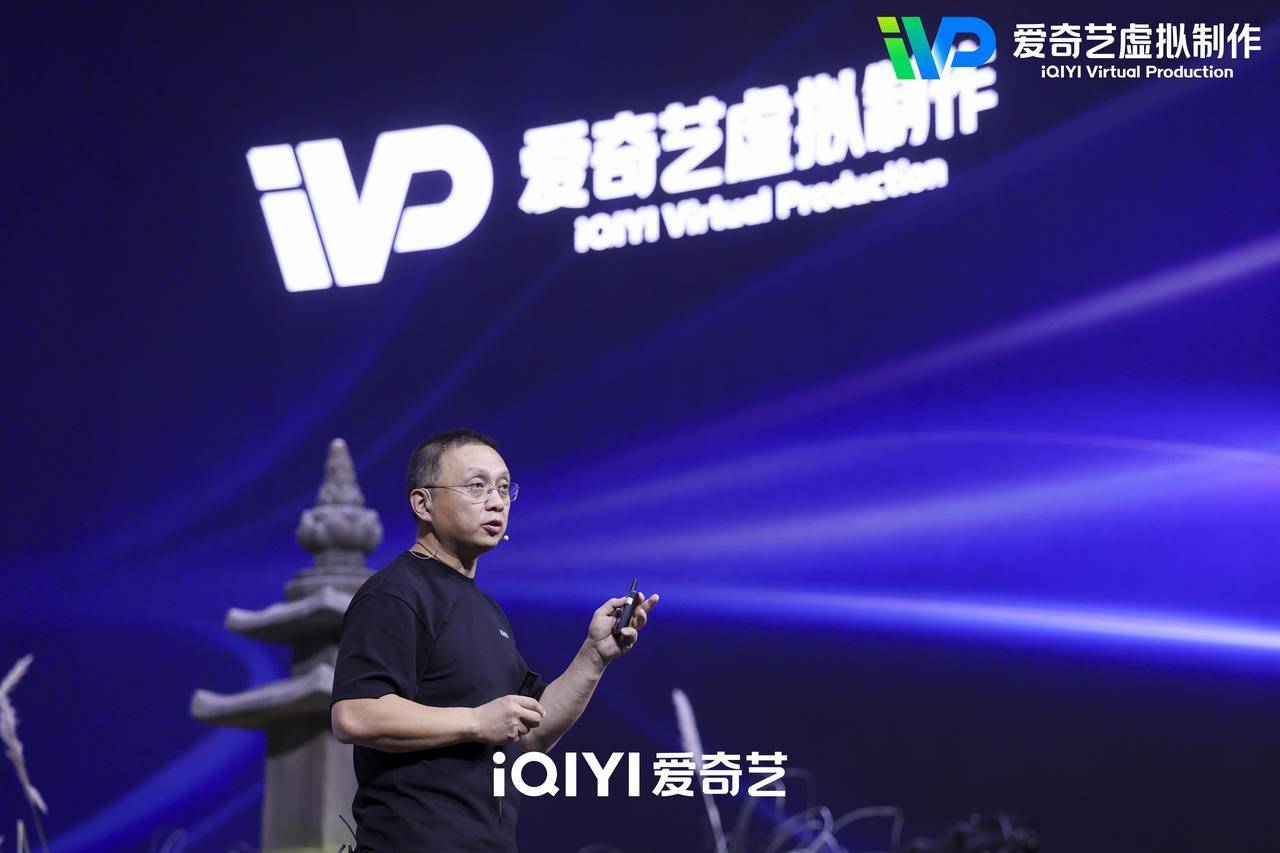
Core Insights - iQIYI is focusing on practical and simplified virtual production technology, aiming to enhance efficiency rather than pursuing complexity and scale [1][3] - The number of iQIYI's virtual production projects is expected to grow by 125% year-on-year by 2025, with full-process participation in major film projects [3][5] - The company has developed proprietary algorithms and technologies, including a virtual production platform called IQStage, which integrates over 20 patents and software copyrights [5][19] Virtual Production Development - Virtual production is gaining traction among creators, with significant interest from both domestic and international markets [5][10] - iQIYI has completed over ten virtual production projects since 2021, showcasing advancements in color and lighting matching, as well as virtual depth of field [5][10] - The company has introduced innovative technologies such as a waterproof scenic turntable and a quick-release LED screen structure, enhancing shooting capabilities [5][19] Creator Perspectives - Industry professionals, including producers and directors, shared insights on how virtual production has transformed content creation, allowing for greater aesthetic freedom and solving practical challenges [7][10][12] - Notable projects like "Tang Dynasty Ghost Stories" utilized virtual production to create complex scenes that were previously difficult to visualize [10][12] - Creators emphasized the importance of having a strong creative idea and cost-effective design when considering virtual production [15][18] AI Integration and Future Prospects - AI advancements are expected to significantly reduce the production cycle of virtual projects, with iQIYI's digital asset library containing over 30,000 proprietary digital assets [19][21] - The integration of AI in virtual production allows for rapid 3D model reconstruction, enhancing the efficiency of the production process [19] - iQIYI's efforts in virtual production are seen as a gateway to the metaverse, with plans for immersive experiences based on high-precision digital assets [19][21] Cost and Accessibility - iQIYI has reduced the cost of using its virtual photography studio to 35,000 yuan per day, making it more accessible for creators [18] - The company offers comprehensive support throughout the production process, including design, asset creation, and on-site filming [18][19]

不出意外,A股随时重返4000点了!
Sou Hu Cai Jing· 2025-11-03 10:38
Group 1 - The market is expected to see a rally in small and mid-cap technology stocks, indicating a shift from large-cap tech stocks that have peaked [1] - The A-share market has been consolidating around the 3800-4000 point range for over two months, with significant trading volume indicating large funds are reallocating their positions [3] - The upcoming months of November and December are anticipated to bring a rapid rebound in low-position stocks, particularly in the securities and technology sectors, which are crucial for market movement [3][5] Group 2 - A return to the 4000-point level for the A-share index is highly likely, driven by the potential for securities and technology stocks to rally [5] - The market is expected to experience a surge in trading volume, potentially exceeding 2.5 trillion, as investor sentiment shifts positively following a breakout above 4000 points [7] - The overall market dynamics suggest that the stock market is a reflection of economic cycles, with the stock market recovering first, followed by the real estate market and then the broader economy [3]

2025湖南省上市公司发展报告
Sou Hu Cai Jing· 2025-11-03 06:24
今天分享的是:2025湖南省上市公司发展报告 报告共计:105页 2025湖南上市公司发展报告解读:数量增速放缓,产业与区域结构待优化 近日,和君咨询发布《2025湖南省上市公司发展报告》,通过"HJ-18"分析框架从17个维度勾勒湖南上市公司全景。这份覆盖 146家A股、8家境外上市公司的报告,既展现了湖南资本市场的基础实力,也暴露了发展中的结构性问题,为理解湖南经济高质 量发展提供了重要视角。 从上市公司数量来看,湖南资本市场规模与经济地位存在一定错位。截至2025年4月30日,湖南拥有146家A股上市公司,数量在 全国31个省市区中位列第11位,而2024年湖南GDP排名全国第10位,上市公司数量增速滞后于经济体量增长。更值得关注的 是,2023-2024年湖南A股上市公司数量实现"零增长"——新增1家(金天钛业)的同时,1家(鹏都农牧)因股价连续低于1元退 市。反观周边省份,同期湖北新增3家、江西新增2家,湖南上市进程面临"不进则退"的压力。从全国占比看,湖南146家A股公 司仅占全国总量的2.7%,低于其3.95%的GDP占比,意味着湖南优质企业资本化潜力尚未充分释放。 区域分布的"虹吸效应"与"发 ...

AI智库“智汇”珠海,助力大湾区学术与产业的“双向奔赴”
Nan Fang Du Shi Bao· 2025-11-02 11:22
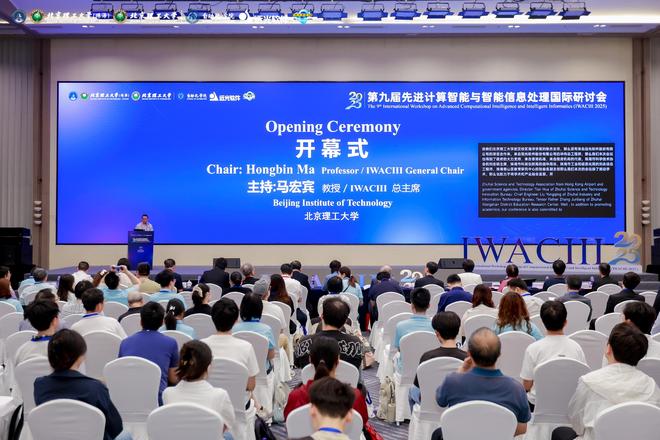
Group 1 - The ninth International Workshop on Advanced Computing Intelligence and Intelligent Information Processing (IWACIII 2025) opened in Zhuhai, focusing on the technological revolution driven by large models and aiming to connect global academic resources with industry needs [1][3] - The conference aims to promote deep cooperation among government, industry, academia, research, and application, leveraging Zhuhai's strategic location in the Greater Bay Area to facilitate the application of academic achievements in real industries [3] - The conference features a diverse exchange ecosystem, including 14 keynote speeches and 34 parallel sessions covering topics from basic algorithms to industrial applications, along with unique segments like the "Beauty of System Control" forum and an AI challenge to stimulate youth innovation [4] Group 2 - Yuan Guang Software Co., Ltd., based in Zhuhai High-tech Zone, is actively participating in the integration of industry and academia, focusing on innovation and talent as the foundation for development [3] - The conference committee will organize visits to local leading enterprises such as Yuan Guang Software and Cloud洲 Intelligent Technology to facilitate direct engagement with industry needs [3]

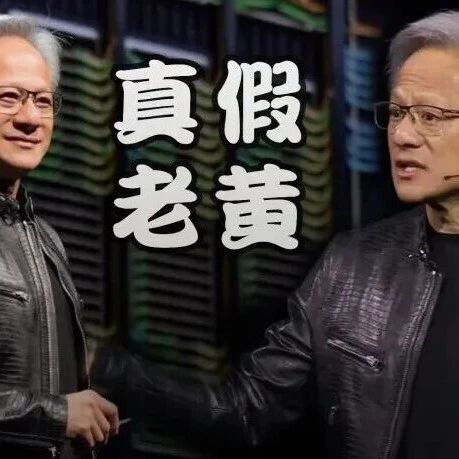
一场直播,10万人被骗!「AI黄仁勋」比真人火8倍
猿大侠· 2025-11-02 07:54
Core Viewpoint - The article discusses a bizarre incident during the GTC 2025 conference where an AI-generated version of NVIDIA's CEO Jensen Huang outperformed the real Huang in a fraudulent live stream, attracting a significantly larger audience and engaging in scams [1][2][6]. Group 1 - During the GTC 2025 conference, Jensen Huang delivered an enthusiastic speech, while an AI-generated version of him was simultaneously live-streamed, drawing nearly 100,000 viewers [2][6]. - The fraudulent live stream, branded as "NVIDIA LIVE," attracted eight times more viewers than the official broadcast, highlighting the effectiveness of the scam [6][15]. - The AI-generated Huang not only mimicked the real Huang's appearance and voice but also engaged in fraudulent activities, deceiving many viewers [9][10][23]. Group 2 - The orchestrators of the scam, a channel named "Offxbeatz," utilized AI face-swapping and voice synthesis technologies to create a convincing imitation of Huang, capitalizing on the audience's interest in the GTC conference [19][20]. - Many viewers, including notable media outlets like CNBC, were misled by the realistic portrayal of the AI-generated Huang, resulting in significant financial losses, with approximately $115,000 (around 820,000) stolen [23][25]. - The incident underscores the advancements in AI technology, which now allow for the easy creation of realistic deepfake videos, raising concerns about the potential for similar scams in the future [42][44].
第17届双十一,5大电商平台论剑,规则、流量、战场已彻底改变
Sou Hu Cai Jing· 2025-11-02 04:14
Core Insights - The article discusses the evolution of China's e-commerce industry, particularly focusing on the "Double Eleven" shopping festival, which has transformed from a niche event into the world's largest shopping extravaganza since its inception in 2009 [1][3]. Group 1: Historical Evolution of Double Eleven Strategies - The Double Eleven event can be divided into three main phases from 2015 to 2024, each characterized by distinct features and competitive dynamics [4]. - The first phase (2015-2017) was dominated by Alibaba's Taobao/Tmall and JD.com, with a focus on price competition and traffic acquisition. Sales figures grew from 91.2 billion yuan in 2015 to 168.2 billion yuan in 2017 [7]. - The second phase (2018-2020) saw the entry of content platforms like Douyin and Kuaishou, leading to a more intense competition landscape. Pinduoduo emerged as a significant player with its social group-buying model [8][9]. - The third phase (2021-2024) marked a shift towards refined operations, with platforms focusing on user experience and sustainable growth. Sales peaked at 540.3 billion yuan in 2021, but platforms began emphasizing quality metrics over gross merchandise volume (GMV) [10]. Group 2: Tactical Evolution of Major Platforms - Taobao/Tmall's pricing strategy evolved from "site-wide 50% off" to complex promotional rules, and finally to simplified rules like "official discounts" starting in 2023 [12][44]. - JD.com maintained a straightforward pricing strategy, introducing "official discounts" and "instant sales" while enhancing its logistics capabilities, achieving an average fulfillment time of 18 minutes by 2025 [18][76]. - Pinduoduo's strategy shifted from "lowest price" to "same price for the same item," reflecting a focus on merchant interests and product quality [24][77]. - Douyin e-commerce emphasized content-driven sales, integrating short videos and live streaming to create a seamless shopping experience, with significant sales growth during the Double Eleven period [31][79]. - Kuaishou e-commerce leveraged its "old iron economy" to build strong relationships with users, achieving high repurchase rates through trust-based interactions [37][40]. Group 3: Key Tactical Dimensions - Pricing strategies across platforms transitioned from complex calculations to straightforward discounts, with a notable emphasis on user-friendly promotions [44][46]. - Traffic acquisition methods evolved from traditional advertising to content marketing, with platforms increasingly relying on live streaming and social media to attract users [48][51]. - User operations shifted towards precision marketing, with platforms utilizing data analytics to enhance user engagement and loyalty [55][58]. - Supply chain management became a focal point, with platforms investing in logistics efficiency and real-time delivery capabilities to improve customer experience [62][65].




2000万美元重注强脑科技,三七互娱落子脑机接口新纪元
Tai Mei Ti A P P· 2025-11-01 02:23
Core Insights - The strategic investment of $20 million by the company in BrainCo marks a significant move in its technology strategy, particularly in the brain-computer interface (BCI) sector, which is seen as a key area for future human-computer interaction [2][4] - BrainCo, as the first unicorn in China's BCI field, possesses over 480 authorized patents and has products certified by FDA and CE, highlighting its strong market position and technological capabilities [2][4] - The investment aligns with the company's long-term vision of evolving from a content provider to a technology-driven enterprise, emphasizing a systematic approach to technology investment [3][4] Strategic Evolution - The company's investment strategy is centered around the theme of "next-generation human-computer interaction," with previous investments in various AI and XR-related companies that complement its core business [3][4] - Since 2021, the company has focused on the "metaverse" as a core investment direction, expanding its reach into AI, XR, and related upstream and downstream sectors, including semiconductors and spatial computing [3][4] - Unlike traditional internet companies that adopt a broad investment approach, the company emphasizes synergy and practical application in its technology investments [3][4] Ecosystem Empowerment - The investment in BrainCo is not merely a financial decision but a strategic move to capture future ecological advantages and drive industry transformation through BCI technology [5][6] - The integration of BCI with existing XR devices and digital content is expected to create new interaction paradigms, fundamentally changing the nature of entertainment products [5][6] - BCI technology is anticipated to reshape the industry value chain, creating new opportunities across various sectors, including healthcare, education, and industrial applications [5][6] Market Potential - The global BCI medical market is projected to reach hundreds of billions by 2045, with the overall market potentially exceeding one trillion, indicating vast growth opportunities [6] - The company's investment strategy reflects an ecosystem empowerment mindset, providing valuable application scenarios and industry resources to accelerate the commercialization of BCI technology [6] - The alignment of the company's strategic foresight with emerging technological trends positions it to benefit from both technological innovation and industry development in the future [6]