物联网

Search documents
2025年中国单相UPS行业发展历程、产业链图谱、市场规模、竞争格局及发展趋势分析:CR10市场占有率高达86.5%[图]
Chan Ye Xin Xi Wang· 2025-12-29 02:01
内容概要:随着数字经济的深入发展,无论是企业办公的服务器、日常的监控设备,还是家庭中的智能 电器,都对电力连续性依赖度大幅提升,一旦断电,可能造成数据丢失、业务中断等问题,这使得个人 和企业对UPS这类备用电源的重视程度显著提高,尤其是近几年,随着远程办公、线上服务的普及,中 小企业和创业公司的数量稳定增长,带动小型化、高性价比的单相UPS需求与日俱增,除了传统的办 公、家用及小型机房场景外,单相UPS的应用正不断向医疗、工业、风电、交通等领域拓展,带动单相 UPS市场需求进一步扩大,据统计,2023年我国单相UPS行业市场规模达22.50亿元,同比增长0.6%, 2024年,受市场需求缩减、产品价格下滑等诸多因素影响,我国单相UPS行业市场规模降至22.04亿 元,其中,在线式占比高达93.34%。 相关上市企业:科华数据(002335)、科士达(002518)、易事特(300376)、英威腾(002334) 相关企业:山特电子(深圳)有限公司、施耐德电气(中国)有限公司、维谛技术有限公司、华为技术 有限公司、台达电子企业管理(上海)有限公司、伊顿(中国)投资有限公司、溯高美索克曼电气(上 海)有限公司 关 ...


趋势研判!2025年中国导航设备行业政策、产业链、市场规模、竞争格局及未来趋势:政策与市场双轮驱动,导航设备市场潜力巨大[图]
Chan Ye Xin Xi Wang· 2025-12-29 01:27
Core Insights - The rapid development of China's navigation equipment industry is driven by multiple factors including technology, market demand, and supportive policies [1][14] - The market size of the navigation equipment industry has grown significantly from 50.59 billion yuan in 2010 to an estimated 367.8 billion yuan by 2024, indicating strong growth resilience and market potential [1][14] Industry Overview - Navigation equipment is utilized in various fields such as maritime, aviation, hydrology, and land transportation, encompassing technologies like visual navigation, point navigation, astronomical navigation, radio navigation, and satellite navigation [4][6] - The industry includes products like navigation radars and satellite navigation receivers, with terminal products categorized into navigation, measurement, timing, and direction-finding types [4][5] Market Dynamics - The application demand for navigation equipment spans transportation, tourism, and logistics, with increasing government investment in infrastructure and initiatives like smart transportation and smart cities creating more market opportunities [1][14] - The industry is supported by national policies aimed at enhancing the satellite navigation sector, providing a favorable environment for growth [1][14] Industry Chain - The navigation equipment industry chain consists of upstream raw materials and components (chips, boards, antennas, etc.), midstream production, and downstream application fields [10][11] Chip Production - China's chip production has seen substantial growth, increasing from 156.458 billion units in 2017 to an estimated 451.42 billion units by 2024, with a compound annual growth rate of 16.34% [12][13] - In the first eleven months of 2025, chip production reached 431.8 billion units, reflecting a year-on-year increase of 10.6% [12] Competitive Landscape - The navigation equipment industry features a clear competitive structure, with international giants like Garmin and Trimble dominating high-end markets, while domestic companies such as Hezhong Sijuan and Beidou Star have rapidly emerged, leveraging support from the Beidou system and local market insights [14][15] - Numerous small and medium enterprises are competing in niche markets and supporting segments, indicating a shift from technology importation to independent innovation [14] Key Companies - Beijing Hezhong Sijuan Technology Co., Ltd. focuses on satellite navigation technology and aims to become a global leader in the field, reporting a revenue of 659 million yuan for its satellite navigation systems in the first half of 2025, a year-on-year increase of 18.95% [15][16] - Beijing Beidou Star Navigation Technology Co., Ltd. specializes in chips and data services, with its navigation products widely applied across various sectors, reporting a revenue of 336 million yuan for its navigation products in the first half of 2025, a year-on-year decrease of 3.45% [16][17] Development Trends - Future trends in the navigation equipment industry include a shift towards high-precision and multi-source integrated positioning, moving from meter-level to centimeter-level accuracy [18] - The evolution of navigation devices into ubiquitous, embedded capabilities will enable them to provide context-aware, intelligent services beyond traditional navigation functions [19] - The focus on self-sufficiency and system-level security will become paramount, ensuring that navigation technology is independent and secure, particularly in critical infrastructure and national defense [20]


亚华电子董事长耿斌:战略落子深圳 以开源鸿蒙赋能智慧医养
Zhong Guo Zheng Quan Bao· 2025-12-28 22:07
Core Viewpoint - The establishment of Shenzhen Yahua Medical Technology Co., Ltd. marks a significant strategic step for Yahua Electronics in the smart medical communication and interaction sector, emphasizing the company's commitment to long-term development in the smart healthcare industry [2][3]. Group 1: Strategic Development - Yahua Medical Technology is defined as a crucial leap in the company's history, serving as the second headquarters with a registered capital of 100 million yuan, focusing on four core missions: medical application center, international business center, investment incubation center, and innovation talent center [3][4]. - The strategic planning of Yahua Electronics and Yahua Medical Technology aims to create a "one body, two wings" development pattern, where Yahua Electronics focuses on system stability while Yahua Medical Technology drives future advancements [4]. Group 2: Technological Innovation - Yahua Electronics is committed to using OpenHarmony as the technical foundation for system reconstruction, ensuring reliability and sustainability in the medical and healthcare industry [5]. - The OpenHarmony smart ward solution has been successfully deployed in several hospitals, including Peking Union Medical College Hospital and Shandong University Qilu Hospital, demonstrating the effectiveness of this strategic choice [5]. Group 3: Collaborative Ecosystem - The company emphasizes the importance of ecological collaboration, having signed an agreement with Shenzhen University to establish the Shenzhen University Smart Healthcare Research Institute, focusing on AI, IoT, and big data [6]. - Partnerships with various industry players aim to promote the large-scale application of smart healthcare technologies through joint research and scenario construction [6]. Group 4: Future Directions - Yahua Medical Technology is expected to become a core hub for integrating cutting-edge technology with medical scenarios, focusing on three main areas: deepening the application of open-source Harmony in healthcare, expanding international business, and nurturing innovative enterprises [7]. - The company aims to create a safer, more efficient, and warmer healthcare system, continuing its commitment to practical technological advancements [7].
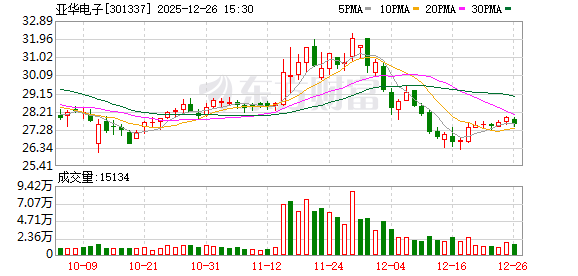
亚华电子董事长耿斌: 战略落子深圳 以开源鸿蒙赋能智慧医养
Zhong Guo Zheng Quan Bao· 2025-12-28 21:15
Core Insights - The opening of Shenzhen Yahua Medical Technology Co., Ltd. marks a significant strategic step for Yahua Electronics in the smart healthcare sector [1] - The company aims to establish a long-term commitment to the smart healthcare industry, with a vision of "rooted in Shenzhen, radiating globally" [1] Group 1: Strategic Development - Yahua Medical Technology is defined as an important leap in the company's history, serving as the second headquarters with a registered capital of 100 million yuan [2] - The new company has four core missions: medical application center, international business center, investment incubation center, and innovation talent center [2] - The strategic plan envisions a "one body, two wings" development model, where Yahua Electronics focuses on system stability while Yahua Medical Technology drives future advancements [3] Group 2: Technological Innovation - Yahua Electronics is committed to using OpenHarmony as the technical foundation for system reconstruction, ensuring reliability and sustainability for the next 10 to 20 years [4] - The OpenHarmony smart ward solution has been successfully deployed in several hospitals, including Peking Union Medical College Hospital and Shandong University Qilu Hospital [4] - New solutions, such as the Harmony outpatient solution and the no-guardian care solution, were launched to enhance outpatient smart upgrades and improve nursing efficiency [4] Group 3: Collaborative Ecosystem - The company emphasizes the importance of ecosystem collaboration, having signed an agreement with Shenzhen University to establish a Smart Healthcare Research Institute [5] - Collaborative agreements with various industry partners aim to promote the large-scale application of smart healthcare technologies through joint research and scenario construction [5] Group 4: Future Directions - Yahua Medical Technology is expected to become a core hub for integrating cutting-edge technology with medical scenarios [6] - The focus will be on deepening the application of open-source Harmony in healthcare, expanding international business, and nurturing innovative enterprises through investment incubation [6][7] - The company aims to build a comprehensive industry ecosystem by attracting top talent and fostering close ties with the industry [7]
战略落子深圳以开源鸿蒙赋能智慧医养
Zhong Guo Zheng Quan Bao· 2025-12-28 21:08
Core Viewpoint - The establishment of Shenzhen Yahua Yihong Technology Co., Ltd. marks a significant strategic step for Yahua Electronics in the smart medical communication and interaction sector, emphasizing the company's commitment to long-term development in the smart healthcare industry [1][2]. Group 1: Company Development Strategy - Yahua Electronics aims to create a "one body, two wings" development pattern, with Yahua Yihong serving as the second headquarters and focusing on four core missions: medical application center, international business center, investment incubation center, and innovation talent center [1][2]. - The company has a history of over 20 years, starting from smart communication in hospital wards and expanding to a comprehensive solution system covering smart wards, outpatient services, operating rooms, and health care scenarios [2]. Group 2: Technological Innovation - Yahua Electronics is committed to using OpenHarmony as the technical foundation for system reconstruction, ensuring reliability and sustainability in the medical and healthcare industry [2][3]. - The OpenHarmony smart ward solution has been successfully deployed in several major hospitals, demonstrating the effectiveness of the company's technological innovations [3]. Group 3: Collaborative Ecosystem - The company emphasizes the importance of ecosystem collaboration, having signed an agreement with Shenzhen University to establish the Shenzhen University Smart Healthcare Research Institute, focusing on AI, IoT, and big data [3]. - Yahua Electronics has reached consensus with multiple industry partners to promote the large-scale application of smart healthcare technologies through joint research and scenario construction [3]. Group 4: Future Directions - Yahua Yihong is expected to become a core hub for integrating cutting-edge technology with medical scenarios, focusing on three main areas: deepening the application of open-source Harmony in healthcare, expanding international business, and nurturing innovative enterprises through investment incubation [3][4]. - The company aims to create a safer, more efficient, and warmer healthcare system by collaborating with various partners [4].
数览中国脉动|科技赋能!“汗水农业”向“智慧农业”加速迈进
Xin Lang Cai Jing· 2025-12-28 06:02
Group 1 - The core viewpoint emphasizes the importance of agricultural mechanization and intelligence as crucial supports for agricultural modernization [1] - China is accelerating the development of new agricultural productivity, leveraging technology to empower the entire chain of grain production, storage, and processing, transitioning from "labor-intensive agriculture" to "smart agriculture" [2] - Current data indicates that China has over 200 million agricultural machinery units, with over 2.2 million units of Beidou terminal equipment, total agricultural power exceeding 1.1 billion kilowatts, and a mechanization rate of over 75% [3] Group 2 - The application of advanced technologies such as AI, IoT, and big data in agriculture is increasing, reflecting the growth of the digital economy [6] - Significant achievements have been made in reducing food waste during processing, with the grain processing loss rate reduced to 0.8% and transportation loss rate to 0.08% [8] - Since the 14th Five-Year Plan, China's agricultural technology innovation has reached a leading position globally, with substantial improvements in the overall effectiveness of the agricultural technology innovation system and rapid breakthroughs in key core technologies [9]


科技赋能!“汗水农业”向“智慧农业”加速迈进
Xin Hua She· 2025-12-28 03:08
Group 1 - The core viewpoint emphasizes the importance of agricultural mechanization and intelligence as crucial support for agricultural modernization, with a focus on developing new productive forces in agriculture through technology [1] - The current agricultural machinery ownership in China exceeds 200 million units, with over 2.2 million units of Beidou terminal devices applied, total agricultural power exceeding 11 billion kilowatts, and a mechanization rate of over 75% [2] - The application of advanced technologies such as AI, IoT, and big data is increasingly prevalent in the agricultural sector, contributing to the transformation towards "smart agriculture" [4] Group 2 - Significant achievements have been made in reducing food waste during processing, with the grain processing loss rate reduced to 0.8% and transportation loss rate to 0.8‰ [6] - Since the 14th Five-Year Plan, China's agricultural technology innovation has reached a leading position globally, with substantial improvements in the overall effectiveness of the agricultural technology innovation system and rapid breakthroughs in key core technologies [8]

2025年中国配电房巡检机器人行业政策、产业链、市场规模、重点企业及趋势研判:智能配电网建设加速推进,带动配电房巡检机器人行业需求快速增长[图]
Chan Ye Xin Xi Wang· 2025-12-28 01:01
Industry Overview - The distribution room inspection robot is designed to replace or assist human operators in inspecting equipment within indoor distribution rooms, which are critical for supplying electricity to buildings [2] - These robots can perform functions such as infrared temperature measurement, meter reading, switch status recognition, and abnormal alarm, while also providing real-time data upload and analysis [2] - The industry is experiencing rapid growth, with the market size reaching 421 million yuan in 2024, reflecting a year-on-year increase of 15.33% [8] Market Demand and Growth - The traditional manual inspection methods face challenges such as inefficiency, high safety risks, and the potential for missed inspections, creating a strong demand for automated solutions [8] - The integration of advanced technologies like artificial intelligence and the Internet of Things is expected to further enhance the capabilities of distribution room inspection robots [8] Policy Support - The Chinese government has issued several policies to promote the development of the distribution room inspection robot industry, focusing on high-quality development and the advancement of new production capabilities [4] - Specific measures have been introduced to support the research and manufacturing of special robots for various applications, including electricity [4] Industry Chain - The upstream of the industry chain includes raw materials and components such as steel, aluminum alloys, and various sensors [4] - The midstream involves the production and manufacturing of distribution room inspection robots, while the downstream encompasses application fields like power systems and data centers [4] Key Companies - Major listed companies in the industry include Yijiahe (亿嘉和), Keda Intelligent (科大智能), and Shenhao Technology (申昊科技), which leverage their technological advantages and capital strength to lead in large-scale deployments [8][9] - Innovative companies like Shenzhen Langchixin and Beijing Fuxing Intelligent focus on specific technologies to establish core advantages in niche markets [8] Future Trends - The future of distribution room inspection robots will see advancements in multi-dimensional perception and data fusion, enabling more comprehensive monitoring and predictive maintenance capabilities [12] - Autonomous decision-making and collaborative operation among multiple robots will become standard, enhancing operational efficiency and emergency response [13] - The integration of digital twin technology will create a closed-loop lifecycle maintenance system, allowing for real-time updates and predictive maintenance planning [14]




上海通信大佬 到账22亿迅猛扩产
2 1 Shi Ji Jing Ji Bao Dao· 2025-12-27 06:02
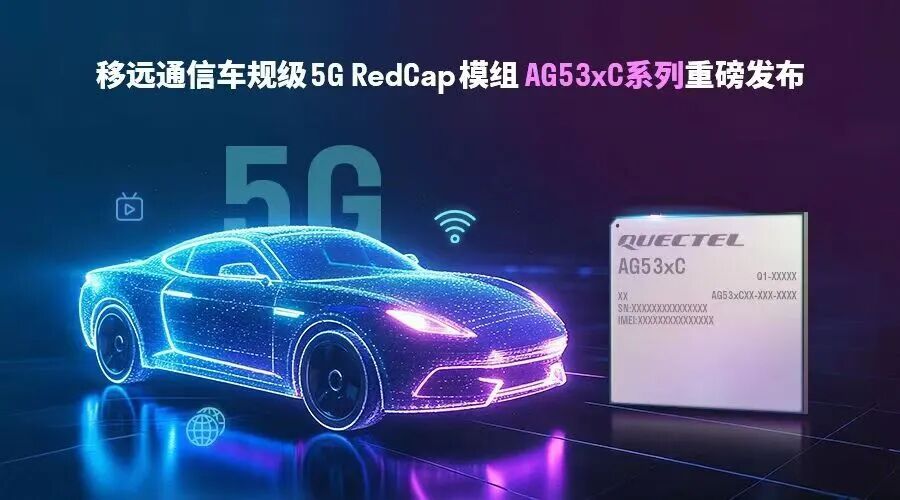
Core Viewpoint - The company, Quectel, has successfully completed a private placement fundraising of 2.2 billion yuan, which will be used to expand production in the automotive and 5G module sectors, as well as for AI computing modules and solutions [1][2][4]. Group 1: Fundraising and Expansion Plans - The 2.2 billion yuan raised will primarily be allocated to expanding production capacity for automotive and 5G modules, as well as for AI computing modules and solutions, which are closely aligned with the company's core business [2][4]. - The company plans to increase production capacity by 33.8 million automotive and 5G modules, and 26.5 million AI computing modules and solutions after the new projects reach full production [4][10]. Group 2: Production Capacity and Utilization - The company's factories are currently operating at full capacity, with a utilization rate of 104.9% from January to May [4]. - The company has established a "seven major automotive product technology ecosystem," which includes various automotive communication modules and customized solutions [4]. Group 3: Research and Development Investments - The company is investing heavily in research and development, with a planned new R&D center at its new headquarters in Shanghai, aiming to recruit 541 new employees [10][12]. - The R&D expenditure for the first nine months of the year reached 1.39 billion yuan, a year-on-year increase of 13.5% [13]. - The company has established R&D centers in multiple locations, including Shanghai and Vancouver, and aims to enhance its technical capabilities with the new hires [13]. Group 4: Market Position and Product Offerings - The company has provided products and services to over 60 Tier 1 suppliers and more than 40 automotive manufacturers globally [6]. - The company has a diverse product line that includes cellular modules, automotive modules, smart modules, and satellite communication modules, among others [21]. - As of July, the company held a 37% market share in the global cellular IoT module sector, ranking first worldwide [21]. Group 5: Future Outlook - The company aims to pursue higher goals and attract more capital attention as it progresses in the automotive and AI sectors [24].

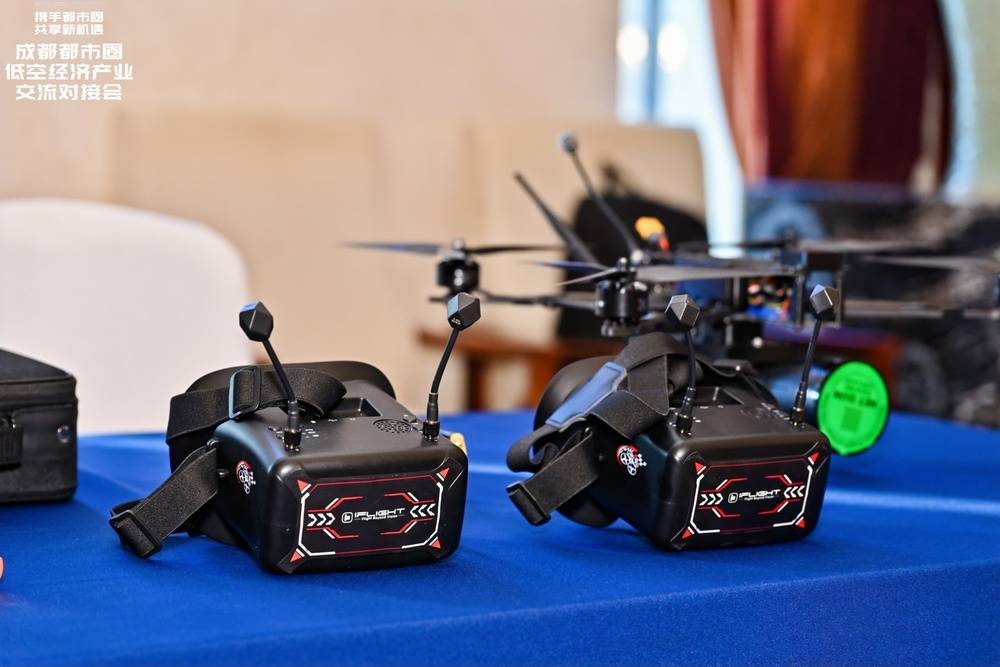
成都都市圈握手长三角 加快低空经济“一起飞”2025
Sou Hu Cai Jing· 2025-12-27 04:59
Core Insights - The Chengdu metropolitan area is actively promoting its low-altitude economy through a series of investment promotion activities, culminating in a recent exchange meeting in Nanjing, which gathered over 100 representatives from government, enterprises, and academia to explore opportunities in this emerging sector [1] Group 1: Industry Opportunities - The Chengdu metropolitan area released a notable "Low-altitude Economy Opportunity List," which includes 75 demand-side items covering low-altitude logistics, public governance, and cultural tourism, and 152 supply-side items encompassing aircraft manufacturing, flight control systems, and operational services [2] - The region boasts over 1,500 aerospace companies, more than 190 national-level innovation platforms, and a talent pool exceeding 7.6 million professionals, indicating a robust industrial foundation for low-altitude economic development [2] - The meeting highlighted 227 collaboration opportunities, emphasizing the complementary nature of industries between Chengdu and the Yangtze River Delta, which could enhance the overall market size of the low-altitude economy [2] Group 2: Technological and Regulatory Aspects - Safety is emphasized as a prerequisite for the development of the low-altitude economy, with companies showcasing innovative solutions such as intelligent parachutes and comprehensive monitoring systems to ensure safe operations [4] - The integration of technologies such as IoT, artificial intelligence, and 5G communication is deemed essential for advancing the low-altitude economy, leveraging Chengdu's manufacturing capabilities and the Yangtze River Delta's pioneering experiences [6] Group 3: Collaborative Efforts - The exchange meeting served as a platform for deep engagement, with 35 companies from the Yangtze River Delta and 14 from Chengdu initiating potential collaborations, indicating a strong interest in mutual growth [6] - Companies expressed optimism about the business environment in Chengdu, with intentions to expand production capacity and share development benefits, reflecting a positive outlook on future partnerships [6][7]