社会信用体系建设

Search documents
“6·14信用记录关爱日”掠影
Jin Rong Shi Bao· 2025-07-01 04:59
Core Points - The People's Bank of China (PBOC) is actively promoting the establishment of a social credit system through various events and activities aimed at enhancing public awareness of credit and integrity [1][2][3] Group 1: Event Overview - On June 14, the PBOC Shandong Branch, in collaboration with eight departments, organized the "Credit Empowerment · Talent Gathering" youth climbing event and the "6·14 Credit Record Care Day" credit publicity activity, which included fun activities like credit report consultations and quizzes [1] - The PBOC Changdu Branch has launched a series of activities focusing on cultivating integrity culture and promoting credit knowledge, achieving significant results with over 10 events conducted and reaching more than 1,800 people [2] - The "6·14 Credit Record Care Day" event in Zhengzhou featured interactive games and traditional integrity culture bookmarks to engage the public [3] Group 2: Impact and Statistics - The activities organized by the PBOC Changdu Branch distributed over 300 promotional materials and 3,100 bilingual materials, enhancing the awareness of integrity and risk prevention among key groups [2] - The Daqing Branch of the PBOC utilized an innovative "legal publicity vehicle + mobile service" model to promote credit awareness in enterprises, creating a multi-layered credit publicity matrix [3]

从苏超“最小牌”赞助商说开去
Zhong Guo Jing Ji Wang· 2025-06-30 23:40
Group 1 - The core viewpoint emphasizes that credit has become a hard currency in the market, and those who can consistently excel in this area will gain more trust from market participants [1][3] - The "Su Super" league's increasing commercial value and the decision to allow a small barbecue shop to sponsor the event reflects an open and inclusive approach to partnerships, valuing every entrepreneurial effort [1] - The article highlights the importance of a robust credit system in modern market economies, stating that credit is essential for economic operation and social stability [1][3] Group 2 - The construction of a social credit system should focus on key areas such as government procurement, contract performance, and administrative services, while establishing mechanisms for government commitments and social supervision [2] - There is a need to address persistent issues like unpaid debts to private enterprises and to increase penalties for government credit violations to create a trustworthy environment for all market entities [2] - The article suggests that reforms should be directed towards the needs of private enterprises, including establishing a "green channel" for honest market participants in administrative approvals [2] Group 3 - As of the first quarter of this year, market regulatory authorities have repaired 8.7779 million instances of corporate credit violations, marking a 34.52% increase year-on-year [3] - The recent State Council meeting approved a plan to improve the credit repair system, aiming to create a more effective and collaborative credit restoration mechanism [3] - The article concludes that enhancing the credit system will foster a vibrant economic ecosystem, leading to innovation and growth [3]
进一步完善信用修复制度 这份文件作出新部署
Xin Hua She· 2025-06-26 14:31
Core Viewpoint - The implementation plan for improving the credit repair system in China aims to enhance the efficiency and convenience of credit restoration for credit subjects, addressing issues of fragmentation and inconsistency in the current system [1][2]. Group 1: Unified Publicity and Standards - The plan establishes a unified public information platform, "Credit China," to centralize various public credit information and resolve previous inconsistencies in publicity rules across different departments and regions [1][2]. - It categorizes dishonest information into three levels: "minor, general, and serious," with differentiated publicity periods for each level, allowing credit subjects to apply for credit repair only after the minimum publicity period has expired [2]. Group 2: Simplification and Responsiveness - The plan simplifies the application materials for credit repair and sets clear processing deadlines, requiring "Credit China" to respond to repair applications within 10 working days [3]. - It enhances the convenience for credit subjects to raise objections regarding the publicity content, duration, and repair results through "Credit China" or relevant industry authorities [3]. Group 3: Innovative Mechanisms for Specific Cases - A "green channel" mechanism is established for bankrupt restructured enterprises, allowing them to temporarily shield dishonest information and update credit evaluations based on court rulings [4]. - This design aims to eliminate obstacles caused by punitive measures for dishonest behavior, facilitating smoother bankruptcy restructuring and enabling enterprises to operate normally and access financing [5]. Group 4: Comprehensive Policy Measures - The implementation plan is characterized by a problem-oriented and goal-oriented approach, introducing targeted policies to address the pain points and challenges in credit repair, thereby providing a solid institutional guarantee for a unified credit repair system [5].
与信同行 孝南有你——孝感市孝南区弘扬诚信文化,发扬契约精神
Zhong Guo Fa Zhan Wang· 2025-06-23 08:32
Core Viewpoint - The credit awareness campaign in Xiaonan District, Hubei, aims to enhance public understanding of credit records and promote a culture of trustworthiness and integrity in the community [1][2][3] Group 1: Campaign Activities - The campaign featured various activities such as setting up consultation booths, distributing promotional materials, and conducting knowledge quizzes to educate merchants and residents about credit policies and the significance of maintaining good credit records [1][2] - The District Development and Reform Bureau organized a credit quiz to promote credit knowledge and foster a good credit environment characterized by "knowing, using, and keeping credit" [2] - Environmental credit consultation stations were established to distribute environmental credit brochures and explain how to check personal and corporate environmental credit records [2] Group 2: Community Engagement - The event attracted significant participation from local merchants and residents, leading to a positive social response and increased inquiries about credit-related issues [1][2] - Staff provided detailed explanations on how to check personal credit reports and the conditions for credit repair, emphasizing the importance of integrity in personal and business dealings [2] Group 3: Future Initiatives - The District Development and Reform Bureau plans to continue promoting the social credit system by innovating promotional methods and conducting more diverse credit awareness activities [3] - The goal is to deepen the understanding of credit knowledge among residents and enhance the overall credit awareness and integrity concept in the district, contributing to high-quality development in Xiaonan [3]
山西省社会信用条例十问十答
蓝色柳林财税室· 2025-06-18 09:26
Core Viewpoint - The article discusses the implementation of the "Shanxi Province Social Credit Regulations," which aims to enhance the social credit system in Shanxi Province, addressing existing issues and promoting a trustworthy business environment [4][5]. Group 1: Purpose of the Regulations - The regulations are designed to accelerate social credit legislation, integrating credit construction into the legal framework, which will help resolve issues and create a new regulatory mechanism based on credit [4]. Group 2: Main Contents of the Regulations - The regulations consist of 7 chapters and 49 articles, covering general principles, management of social credit information, incentives for trustworthy behavior, penalties for dishonesty, development of the credit service industry, protection of credit subjects' rights, and supervision management [5]. Group 3: Features of the Regulations - The regulations establish a credit commitment mechanism, requiring government departments to implement credit commitments in administrative management and public services [6]. - Responsibilities are clearly defined, with the development and reform department at the county level overseeing social credit work, including the operation and management of credit information sharing platforms [6]. - The government is tasked with promoting the development of the credit service industry through policy measures [7]. Group 4: Types of Social Credit Information - Social credit information includes public credit information, which is generated during the performance of legal duties and public services, and non-public credit information, which is collected by credit service agencies and industry associations [8][10]. Group 5: Sharing and Querying Social Credit Information - Public credit information will be made available through various legal channels, while non-public credit information can be shared through voluntary disclosure or as per agreements [11]. Group 6: Activities Requiring Public Credit Information - Public credit information must be queried in various activities, including administrative licensing, government procurement, recruitment, and daily supervision [11]. Group 7: Recognition of Dishonest Behavior - Dishonest behavior is identified based on judicial rulings, administrative penalties, and other legal documents [12]. - Serious dishonest behaviors include actions that severely harm public health, disrupt market order, or fail to fulfill legal obligations [13]. Group 8: Implementation of Incentives and Penalties - The regulations establish a management system for incentives and penalties, providing various benefits for trustworthy subjects and imposing restrictions on dishonest subjects in administrative services and public resource transactions [14].


河南睢县:以更高标准、更实举措推动全县社会信用体系建设迈上新台阶
Zhong Guo Fa Zhan Wang· 2025-06-16 08:33
Core Viewpoint - The article highlights the efforts of Suixian County in promoting social credit awareness through a series of activities themed "Establish Integrity, Win Reputation, Assist Development" to enhance the local credit system [1][2]. Group 1: Event Overview - The event was organized by the Suixian Development and Reform Commission in collaboration with various departments, aiming to create a strong atmosphere of credit awareness [1]. - The government service center served as the main venue for the integrity promotion, featuring over 20 detailed credit knowledge display boards, creating a prominent "Integrity Knowledge Corridor" [1]. Group 2: Public Engagement - Staff from the Development and Reform Commission provided detailed answers to public inquiries regarding credit inquiries and credit repair, distributing over 300 easy-to-understand pamphlets [2]. - An interactive quiz session engaged the audience with practical questions about credit records, leading to enthusiastic participation and increased awareness of credit-related issues [2]. Group 3: Collaboration with Financial Institutions - The event showcased effective collaboration between the Development and Reform Commission and financial institutions, with bank staff explaining financial credit knowledge and demonstrating how to check credit reports via mobile banking apps [2]. Group 4: Future Plans - The Suixian Development and Reform Commission plans to consolidate the achievements of the promotional month, establish a long-term mechanism, and enhance the collection and sharing of credit information to further develop the social credit system [3].
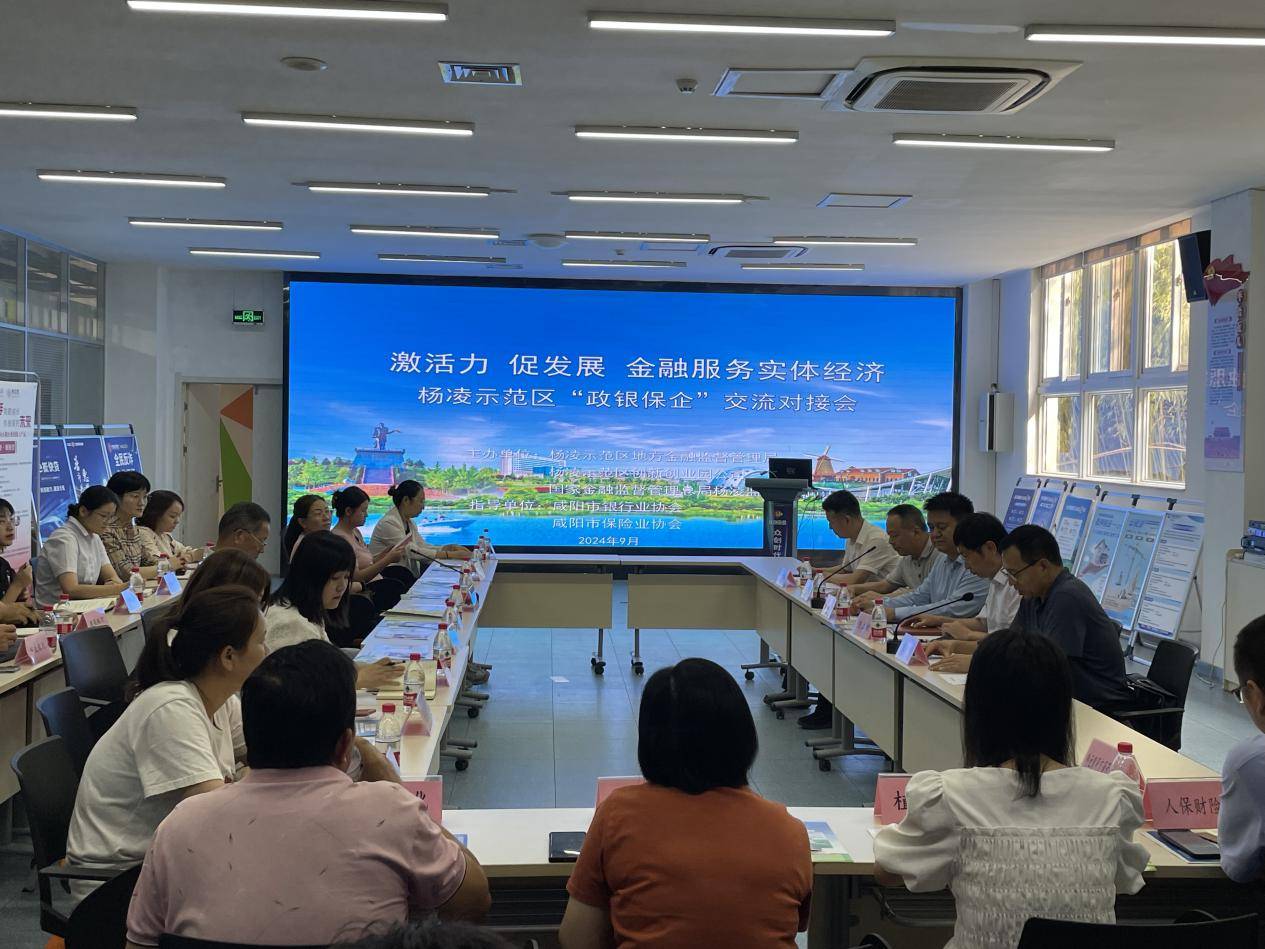
融资成果汇|金融服务“快准暖实”·杨凌金融监管支局融资协调工作机制观察
Sou Hu Cai Jing· 2025-06-13 08:27
Core Viewpoint - The establishment of a financing coordination mechanism for small and micro enterprises in Yangling has significantly improved access to loans and financial services, leading to a positive response from the business community [1][3][4]. Group 1: Financing Coordination Mechanism - A specialized working group for small and micro enterprise financing was established, focusing on optimizing loan processes and creating fast approval channels [1][3]. - As of May 2025, 24,913 enterprises have been visited, resulting in a total loan issuance of 1.166 billion yuan [3]. - The mechanism aims to enhance the financing experience for small enterprises, thereby boosting their development potential [4][12]. Group 2: Policy Implementation and Support - The Yangling Financial Regulatory Bureau has implemented a series of innovative service measures to expand coverage and improve the financing experience for small enterprises [4][13]. - A total of 27 financial products have been introduced to facilitate better access to loans, including credit and renewal products [12]. - The bureau has conducted multiple visits to banks and enterprises to understand their needs and challenges, ensuring timely support [12][18]. Group 3: Collaboration and Strategic Partnerships - The Yangling Agricultural Bank has strengthened partnerships with local universities to enhance financial and intellectual support for agricultural enterprises [16]. - Specific financing solutions have been tailored for various enterprises, including a notable loan of 1.8 million yuan for a specialized enterprise [16][18]. - The focus on social credit systems is seen as a key factor in improving the accessibility and convenience of financing for small enterprises [17]. Group 4: Future Outlook - The Yangling Financial Regulatory Bureau plans to continue promoting the financing coordination mechanism as a priority for inclusive finance, aiming for better financial services for small enterprises [18].
民营经济发展正当其时 北京瑞达天润紧跟步伐推动品牌建设
Sou Hu Cai Jing· 2025-06-04 02:25
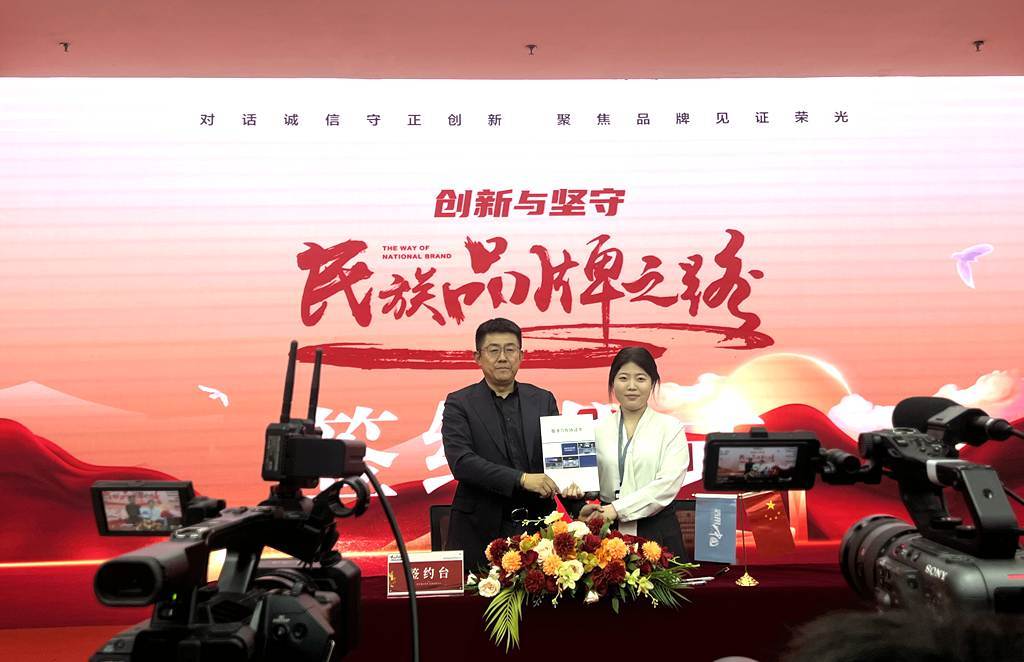
Core Insights - Beijing Ruida Tianrun Technology Co., Ltd. emphasizes brand building as a key driver for high-quality development, aligning with national policies and contributing to the rise of national brands [1][3] - The company focuses on technological innovation in military and software sectors, aiming to strengthen its core business and uphold integrity in brand development [3][4] - The company has received multiple certifications, including high-tech enterprise certifications and quality management system certifications, showcasing its commitment to quality and innovation [3] Company Overview - Beijing Ruida Tianrun specializes in the development and integration of software and hardware related to strength and digital twin technology, serving various industries such as aerospace, automotive, and energy [3] - The company has accumulated over 70 software copyrights, providing precise solutions for the aerospace sector, reflecting its technical team's expertise and research capabilities [3] Strategic Initiatives - The company aims to become a leader in high-end manufacturing innovation and technology services, offering effective solutions in industrial simulation, virtual reality, and IT system integration [4] - Beijing Ruida Tianrun is committed to forming strategic partnerships with various organizations and authorities to promote a trustworthy social credit system [6]
优化信用环境助力统一大市场建设
Jing Ji Ri Bao· 2025-05-31 22:01
Group 1 - The recent issuance of the "Opinions on Improving the Social Credit System" by the Central Committee of the Communist Party of China and the State Council signifies a systematic deployment for enhancing the social credit system [1] - Significant progress has been made in the construction of the social credit system in China, which has played a crucial role in optimizing the business environment, promoting financial services for the real economy, and improving government governance and service efficiency [1] - The establishment of a national credit information sharing platform has greatly improved the level of credit information sharing, and the legal and standardized foundation of the social credit system has been continuously strengthened [1] Group 2 - The construction of government integrity is highlighted as a key aspect of the social credit system, emphasizing that the integrity of various administrative entities serves as a crucial model and guiding force for overall social credit construction [2] - Policies aimed at enhancing credit management for business entities are proposed, including providing conveniences or benefits for trustworthy entities in public services and supporting financial institutions in leveraging credit information [2] - The implementation of a credit commitment system in administrative approvals and credit restoration is expected to alleviate the financing difficulties faced by private and small to medium-sized enterprises, thereby stimulating market vitality [2] Group 3 - The recent introduction of a series of reform and opening-up policies, including the release of the "Negative List for Market Access (2025 Edition)," aims to reduce the number of restricted items to 106, thereby easing entry restrictions in various industries [3] - The promotion of the private economy law emphasizes the legal protection of the personal rights, property rights, and operational autonomy of private economic organizations and their operators [3] - The acceleration of the establishment of foundational market economy systems, including property rights protection, market access, fair competition, and social credit, is expected to enhance China's market strength and resilience in facing changes [3]
《纳税缴费信用管理办法》发布!2025年7月1日起施行(附解读)国家税务总局公告2025年第12号
蓝色柳林财税室· 2025-05-30 12:50
Core Viewpoint - The article announces the implementation of the "Tax Payment Credit Management Measures" by the State Taxation Administration, effective from July 1, 2025, aimed at enhancing taxpayer compliance and promoting the construction of a social credit system [1]. Group 1: General Principles - The purpose of the measures is to standardize tax payment credit management, promote self-discipline among taxpayers, and improve compliance with tax laws [2]. - The measures apply to enterprises that have completed tax information confirmation and identity reporting, with individual businesses and other types of taxpayers able to voluntarily apply for inclusion [2]. - The State Taxation Administration oversees national tax payment credit management, while local tax authorities are responsible for implementation [2]. Group 2: Credit Information Collection - Tax payment credit information includes basic credit information, internal tax information, and external information [5]. - Basic credit information consists of the taxpayer's foundational data and historical credit records, while internal information includes regular and irregular indicators related to tax filings and payments [5][6]. - External information is gathered from various channels, including the national unified credit information platform and inter-departmental data exchanges [11]. Group 3: Evaluation - The evaluation of tax payment credit follows the principle of "no record, no evaluation," using taxpayer credit information to determine credit levels based on specified indicators [12]. - The credit evaluation is conducted annually, with scores starting from 100 for complete compliance, and deductions applied for missing information [13][15]. - Taxpayers are classified into five credit levels: A, B, M, C, and D, based on their evaluation scores [8]. Group 4: Determination and Publication of Evaluation Results - The evaluation results are determined and published by the tax authorities, typically by April of the following year [20]. - Taxpayers can access their credit evaluation information for self-query [20]. Group 5: Application of Evaluation Results - Tax authorities implement differentiated services and management based on credit levels, with A-level taxpayers receiving various incentives [29][30]. - B-level taxpayers receive guidance on tax policies, while C and D-level taxpayers face stricter management and potential penalties [33][34]. Group 6: Credit Repair - Taxpayers with credit issues can apply for credit repair under specific conditions, with the tax authorities responsible for evaluating and adjusting credit levels based on corrective actions [14][15]. - The measures also outline the process for businesses undergoing bankruptcy restructuring to apply for credit repair [15]. Group 7: Attachments - The article includes several attachments detailing the evaluation indicators, application forms, and repair standards related to tax payment credit management [1][26][29].