税收优惠政策

Search documents
利用废弃的动物油和植物油为原料生产的纯生物柴油免征消费税政策
蓝色柳林财税室· 2025-10-24 08:47
欢迎扫描下方二维码关注: 我国支持制造业发展主要税费优惠 专项支持制造业发展的税收优惠政策 利用废弃的动物油和植物油为原料 生产的纯生物柴油免征消费税政策 片图 享受主体 符合条件的消费税纳税人。 享受内容 利用废弃的动物油和植物油为原料生产的纯生物柴油免征消费税。 享受时间 自 2009 年 1 月 1 日起持续享受。 享受条件 1.对同时符合下列条件的纯生物柴油免征消费税: (1)生产原料中废弃的动物油和植物油用量所占比重不低于70%。 (2)生产的纯生物柴油符合国家《柴油机燃料调合用生物柴油(BD100)》标准。 2.对不符合第 1 条规定的生物柴油,或者以柴油、柴油组分调合生产的生物柴油照章征收消费税。 申报时点 办理材料 申报享受,相关证明材料留存备查。 享受方式 可通过电子税务局、办税服务厅等线上、线下方式办理。 政策依据 《财政部国家税务总局关于对利用废弃的动植物油生产纯生物柴油免征消费税的通知》(财税〔2010〕118号) 来源 | 河北税务 责任编辑 | 王威 张那 刘天妮 来源河北税务 欢迎扫描下方二维码关注: 根据消费税纳税义务发生时间,在对应税款所属期申报。 根据《增值税一般纳税人登记 ...


对符合条件的电池和涂料免征消费税政策
蓝色柳林财税室· 2025-10-24 06:46
Group 1 - The article discusses tax incentives aimed at supporting the development of the manufacturing industry in China, specifically focusing on consumption tax exemptions for certain battery and coating products [1] - Eligible products for consumption tax exemption include mercury-free primary batteries, nickel-metal hydride batteries, lithium primary batteries, lithium-ion batteries, solar batteries, fuel cells, and all-vanadium flow batteries [1] - The exemption applies to coatings with volatile organic compound (VOC) content below 420 grams per liter during construction [1] Group 2 - The consumption tax exemption policy has been in effect since February 1, 2015, and continues to be applicable [1] - Eligible taxpayers must meet specific conditions to benefit from the consumption tax exemption [1] - The policy is based on the notification from the Ministry of Finance and the State Administration of Taxation regarding the consumption tax on batteries and coatings [6]

苏州市人大常委会调研税收和经济运行情况
Su Zhou Ri Bao· 2025-10-23 01:21
Core Insights - The city is focusing on enhancing tax revenue and economic performance through improved tax services and management [1] Group 1: Tax Revenue and Economic Development - The city aims to leverage tax functions to actively support economic and social development [1] - There is an emphasis on legal tax collection, strengthening tax administration, and improving the quality of tax revenue [1] - The city is committed to maintaining a fair tax order while enhancing taxpayer services [1] Group 2: Taxpayer Services and Efficiency - The service philosophy centers on taxpayers and fee payers, with ongoing reforms to simplify tax processes and improve efficiency [1] - Implementation of various tax incentives is aimed at better serving small and private enterprises to stimulate market vitality [1] - Tax authorities are encouraged to accept supervision from representatives and the public, ensuring responsiveness to legislative suggestions [1]
中小企业融资(信用)担保机构有关准备金企业所得税税前扣除政策
蓝色柳林财税室· 2025-10-22 08:36
Core Points - The article discusses tax incentives aimed at supporting the development of small and micro enterprises and individual businesses, particularly through financing and credit guarantee institutions [2][3]. Group 1: Tax Deduction Policies - From January 1, 2016, qualified small and micro enterprise financing (credit) guarantee institutions can deduct certain reserves from their corporate income tax. This includes: 1. A guarantee compensation reserve not exceeding 1% of the year-end guarantee liability balance [2]. 2. An unexpired liability reserve not exceeding 50% of the guarantee fee income for the year [2]. 3. Actual compensation losses incurred by the guarantee institutions can be deducted according to tax laws [2]. Group 2: Eligibility Criteria - To qualify for these tax benefits, small and micro enterprise financing (credit) guarantee institutions must meet several conditions: 1. Compliance with the "Interim Measures for the Administration of Financing Guarantee Companies" and possess a valid operating license [3]. 2. At least 70% of their credit guarantee business must be focused on small and micro enterprises [4]. 3. The average annual guarantee fee rate for small enterprise financing must not exceed 50% of the bank's benchmark loan interest rate [4]. 4. Other conditions as specified by financial and tax authorities [4]. Group 3: Enjoyment of Benefits - The aforementioned tax policies can be enjoyed without the need for a formal application process [5]. Group 4: Policy References - The article references specific policy documents that outline the tax deduction policies for small and micro enterprise financing (credit) guarantee institutions [10].

小额贷款公司相关税收优惠政策
蓝色柳林财税室· 2025-10-20 07:56
Core Viewpoint - The article discusses tax incentives for microfinance companies, specifically focusing on loan loss provisions and interest income from loans to farmers, aimed at promoting inclusive finance development. Group 1: Loan Loss Provisions - Microfinance companies approved by provincial financial regulatory authorities can deduct 1% of their year-end loan balance as loan loss provisions from corporate income tax until December 31, 2027 [1][2]. Group 2: Interest Income from Loans to Farmers - Microfinance companies can reduce the taxable income from interest earned on loans to farmers by 90% until December 31, 2027 [4][5]. - The definition of "farmers" includes long-term residents in rural areas and specific criteria for loan eligibility, with loans capped at 100,000 yuan (including principal) [5][11]. Group 3: VAT Exemption - Interest income from loans to farmers is exempt from value-added tax (VAT) until December 31, 2027, for microfinance companies approved by provincial financial regulatory authorities [9][10].

【关注】会展行业及进博会展期内销售的进口展品相关税收优惠政策了解一下!
蓝色柳林财税室· 2025-10-20 01:13
Group 1 - The article discusses tax policies related to the China International Import Expo, highlighting that imported exhibition goods sold during the event are exempt from import duties, VAT, and consumption tax, with certain exclusions [6] - Each exhibitor can enjoy tax exemptions for a limited quantity of goods, with a cap of $20,000 for other items not listed in the exemption catalog [6][7] - It clarifies that any sales exceeding the specified limits or unsold items not returned after the event will be subject to taxation according to national regulations [7] Group 2 - The article outlines various tax exemptions applicable to property division during divorce, including exemptions from VAT, additional taxes, deed tax, personal income tax, stamp duty, and land value increment tax [21][22][23][24][25][26] - Required documentation for processing these exemptions includes both parties' identification, divorce certificate, original property ownership certificate, and divorce agreement [26] - The article references multiple regulatory documents that support these tax exemption policies [27]

一次性创业补贴谁能领怎么领
Xin Hua Wang· 2025-10-15 23:25
Core Points - Various regions in China are implementing one-time entrepreneurial subsidies to support small and micro enterprises and individual businesses, with amounts such as 5,000 yuan in Nanchang, 3,000 yuan in Harbin, and similar initiatives in Changsha targeting youth innovation and entrepreneurship [1][2]. Group 1: Target Audience - The one-time entrepreneurial subsidy is primarily aimed at recent graduates, unemployed individuals, and returning migrant workers who start small businesses or individual operations that have been in normal operation for over a year [2]. Group 2: Application Process - The application process for the one-time entrepreneurial subsidy involves submitting an application, material review, information disclosure, and fund disbursement, with local human resources departments managing the specifics based on regional conditions [3]. Group 3: Fraud Prevention - Entrepreneurs are advised to be cautious of fraudulent advertisements claiming to assist in obtaining subsidies, and are encouraged to consult local human resources departments directly to avoid scams [4]. Group 4: Additional Support Policies - In addition to the one-time entrepreneurial subsidy, various supportive policies are in place, including: - Entrepreneurial guarantee loan policies with maximum amounts of 300,000 yuan for individual loans and 4 million yuan for small enterprises [5]. - Special loans for job stabilization and expansion, with amounts up to 10 million yuan and interest rates as low as 2.9% [5]. - Tax incentives for eligible individuals, allowing for deductions on various taxes for up to three years [6].

一次性创业补贴谁能领怎么领(政策解读·问答)
Ren Min Ri Bao· 2025-10-15 22:07
Core Viewpoint - Multiple regions in China are implementing one-time entrepreneurial subsidies to support small and micro enterprises, individual businesses, and youth innovation, aiming to stabilize employment and encourage entrepreneurship [1][2]. Group 1: Target Audience for Subsidies - The one-time entrepreneurial subsidy is primarily aimed at first-time founders of small and micro enterprises or individual businesses, including recent college graduates within two years of graduation, unemployed individuals, and returning migrant workers [2]. Group 2: Application Process for Subsidies - The application process for the one-time entrepreneurial subsidy involves submitting an application, document review, public announcement, and fund disbursement. Applicants can submit their applications either in person or online through local human resources departments [3]. Group 3: Fraud Prevention - Entrepreneurs are advised to be cautious of fraudulent advertisements claiming to assist in obtaining entrepreneurial subsidies. It is recommended to consult local human resources departments directly or use official online platforms to avoid scams [4]. Group 4: Additional Support Policies - In addition to the one-time entrepreneurial subsidy, various supportive policies are in place, including: - Entrepreneurial guarantee loan policies with maximum amounts of 300,000 yuan for individual loans and 4 million yuan for small enterprises [5]. - Special loans for stabilizing and expanding employment, with a maximum loan amount of 10 million yuan and interest rates as low as 2.9% [5]. - Tax incentives for eligible individuals, allowing for deductions on various taxes up to 20,000 yuan per year for three years [6].
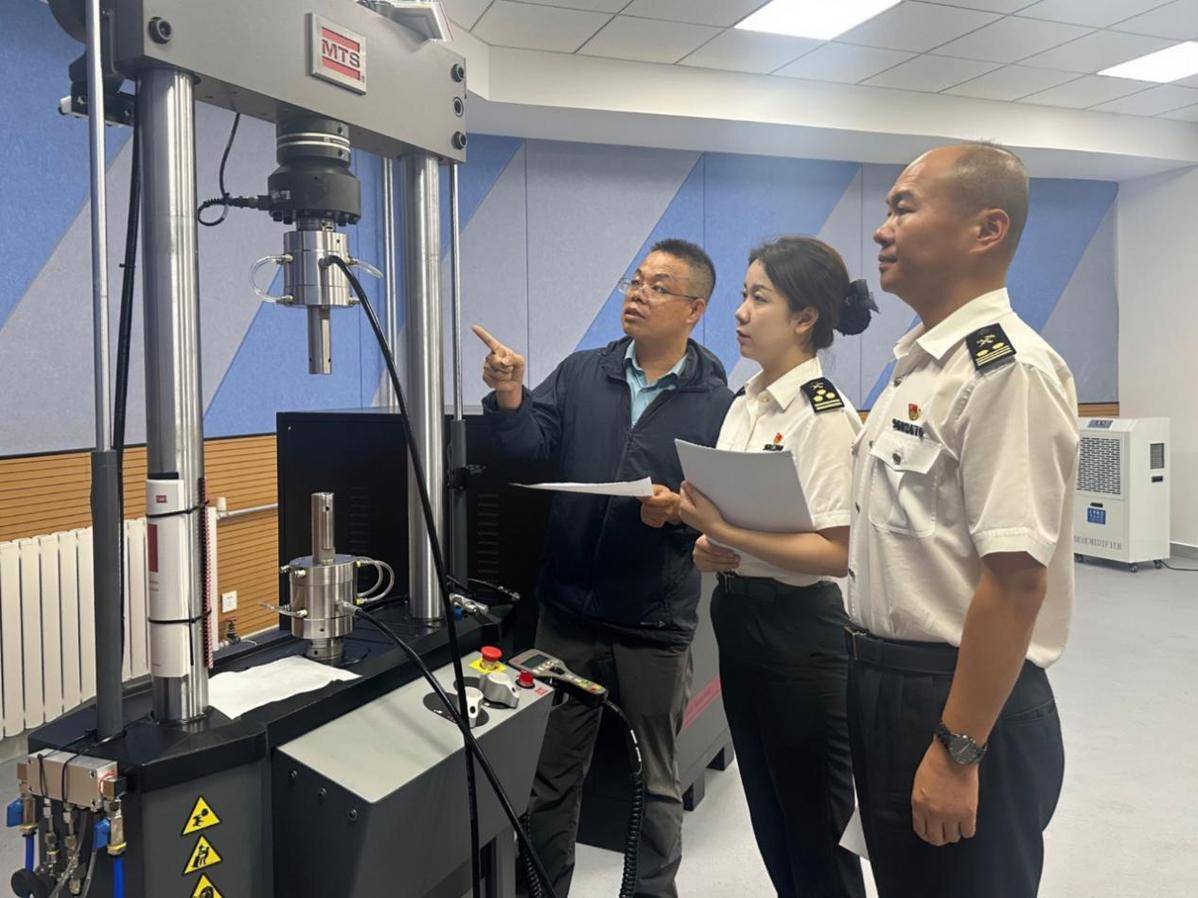
用好税收优惠政策 兴庆海关助力宁夏高校实验室建设
Sou Hu Cai Jing· 2025-10-14 10:59
2025年兴庆海关主动上门走访服务,专设"绿色通道",提供"一站式"咨询指导,简化业务流程,开展前置审核、落实"随报随审",实现宁夏医科大学所需关 键科研教学设备快审、速通、即用,节省费用1400余万元。(中国日报宁夏记者站 胡冬梅) 宁夏医科大学是宁夏唯一的医学高等教育学府,拥有科技部省部共建国家重点实验室、教育部省部共建协调创新中心、自治区级重点实验室等科研平台,是 一所集教学、科研、医疗为一体的综合性医科大学。 "感谢海关精准、高效、便捷的服务和指导,让我们学院的实验室组建进展更加顺利,海关减免税政策为我们节省了大笔支出,帮我们解决了资金不足的问 题。"宁夏理工学院负责人王老师介绍。 作为宁夏区属高等民办院校,宁夏理工学院立足国家前沿学科建设,围绕自治区重点产业发展趋势,2025年计划在原有的基础上建设一个高等级实验室。银 川海关所属兴庆海关主动对接该校诉求,开通了减免税审核绿色服务窗口,通过"关院联络员"机制全方位做好政策辅导,帮助学院应享尽享税收优惠达一百 余万元。 ...
与个人相关的车辆“以旧换新”税收知识,您get了吗?
蓝色柳林财税室· 2025-10-09 13:22
Tax Implications of Vehicle Trade-in - The sale of a used vehicle by an individual is exempt from value-added tax (VAT) according to the Interim Regulations on Value-Added Tax of the People's Republic of China [3] - The income from the transfer of property is calculated as the income from the transfer minus the original value and reasonable expenses, resulting in zero taxable income if the sale price is lower than the original value [4] - Personal contracts for the sale of movable property are not subject to stamp duty [5] New Energy Vehicle Tax Policies - New energy vehicles purchased between January 1, 2024, and December 31, 2025, are exempt from vehicle purchase tax, with a maximum exemption of 30,000 yuan per vehicle [6][8] - For new energy vehicles purchased between January 1, 2026, and December 31, 2027, the vehicle purchase tax will be halved [6] - The taxable amount for vehicle purchase tax is calculated as the sale price multiplied by the tax rate (10%), and if it does not exceed the exemption limit, no tax is due [8] Vehicle and Vessel Tax Exemptions - New energy vehicles, including pure electric vehicles, plug-in hybrid vehicles, and fuel cell vehicles, are exempt from vehicle and vessel tax [13] - To qualify for tax exemptions, vehicles must meet specific technical standards set by relevant authorities [13]