网络安全

Search documents
东营联通:以央企担当 筑牢数字东营安全之基
Qi Lu Wan Bao Wang· 2025-09-28 14:23
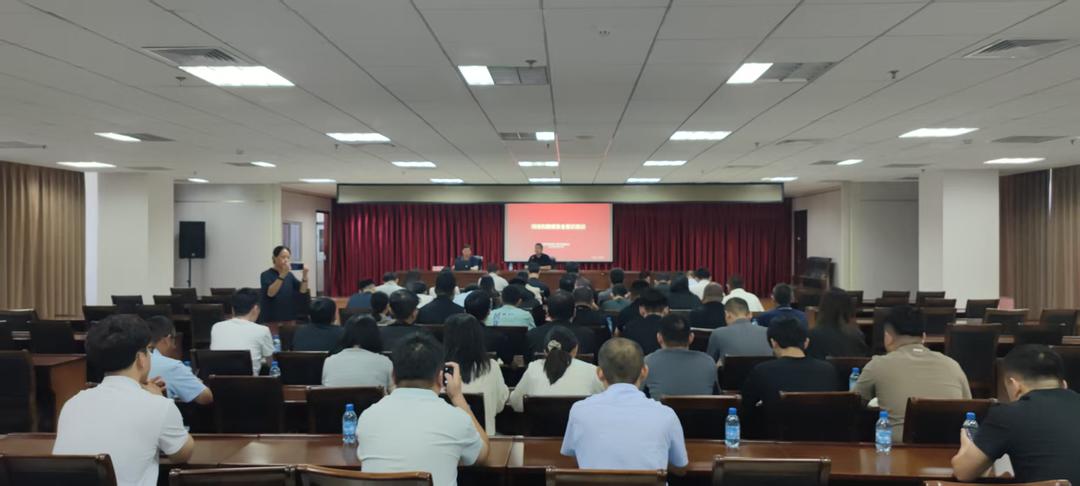
近年来,东营联通积极融入国家网络安全工作大局,将履行网络安全国家队使命与服务地方数字化发展紧密结合,积累了丰富的实战经验。截至目前,已 成功为全市50余家关键单位提供网络安全等级保护测评等服务,帮助各单位精准识别系统与国家安全标准间的差距,并针对"安全体检结果",为测评单位 提供整改建议与方案,完善数据加密机制,有效防范数据泄露、勒索软件、网页篡改等安全风险,切实提升区域整体防护能力,赢得了客户的信任和好 评,进一步夯实了"安全可信"的央企品牌形象。 网络安全需久久为功。东营联通将持续深化政企协同,常态化开展安全知识普及,强化技术能力,完善监测预警体系,为东营市数字经济高质量发展构筑 坚实可靠的安全防线。(大众新闻记者王明华通讯员刘晓彬) 9月17日,在东营市国家网络安全宣传周电信日主题活动中,东营联通作为唯一受邀的通信运营商,以实际行动展现央企责任,为数字东营筑牢安全防 线。 在活动现场,中国联通(600050)网络安全专家为市国资委下属五大集团的51家二级单位开展"网络和数据安全意识培训"。培训聚焦国家最新法规政策解 读,强化底线思维;分析主流网络安全风险模型,结合典型案例剖析主流安全风险与防范策略,提升 ...


微软终止Win10更新引发不满,用户或被迫升级硬件
Xin Lang Ke Ji· 2025-09-28 10:50
【#Windows10将终止更新#】2周之后,微软将终止为Windows 10作系统提供安全更新,引发众多消费 者不满,有用户担心得买新电脑才能免遭网络攻击。 Windows 10于2015年推出,微软自今年10月14日起将不再提供更新。 美国知名网络安全平台KnowBe4的专家克雷默(Martin Kraemer)解释,由于Win10已是许多网络攻击 的目标,系统更新能提供定期修补。 微软已呼吁用户升级至2021年推出的Win11。 至于电脑硬件无法与这套最新版OS兼容的用户,微软也 提供1年30美元的延长Win10安全更新服务。 然而,不少消费者团体批评微软做法。 美国的消费者报道上周在博文中表示,某些前几年才卖出的Win 10硬件无法与新系统兼容,导致消费者面临不得不付费延长安全更新,伤了钱包。 此外,法国的《终结计划性汰旧》(End Planned Obsolescence,HOP)等团体联名要求微软将免费系统 更新延长至2030年。 德国的消费者保护总会(Verbraucherzentrale)5月也指出,微软的行为令消费者无法在无顾虑之下做出 购买决定。 据美国消费者报道统计,截至8月,全球有6. ...


国家安全机关:别让流量成变量,一次直播可能成为泄密链条的“帮凶”
Yang Shi Wang· 2025-09-28 00:17
无知终酿"飞"来"横祸" 央视网消息:据国家安全部,近日,国家安全部门破获一起直播泄露军事秘密案件。这一事件再次为公众 敲响警钟:网络空间并非法外之地,任何触碰法律红线的行为都将面临严惩,切莫将"流量密码"异化 为"犯罪引信"。 无心偶遇"飞"来"横财" 一天晚上,家住军用机场附近的陈某在家中闲坐,窗外突然传来异常密集的低空轰鸣声,他透过窗户观察 到多架飞机在低空飞行。陈某察觉到这一动静后,出于对网络流量的渴望,他迅速在某直播平台开启实时 直播,将窗外军机的动态画面公之于众。直播过程中,多名观众在评论区反复警示,提醒陈某"这是军 机、不能直播、会泄露军事秘密、赶紧停播"等。陈某逐渐意识到所拍摄画面的军用属性及直播行为的敏 感性。然而,面对持续攀升的在线观看人数和互动热度,陈某在"泼天流量"的诱惑下选择了无视风险,甚 至在接到机场保卫部门电话警告后仍拒绝配合,并对保卫部门人员进行言语侮辱。持续近一小时的直播累 计观看量超过2万人次,部队行动、飞机型号及军机起降时间等动态情况持续外泄,对我军事安全造成了 严重威胁。 国家安全机关提示 别让流量成变量,一次直播可能成为泄密链条的"帮凶"。一些看似"无害"的直播、分享 ...

“巴尔干—中国丝路经济论坛”在保加利亚举办
Sou Hu Cai Jing· 2025-09-26 11:42
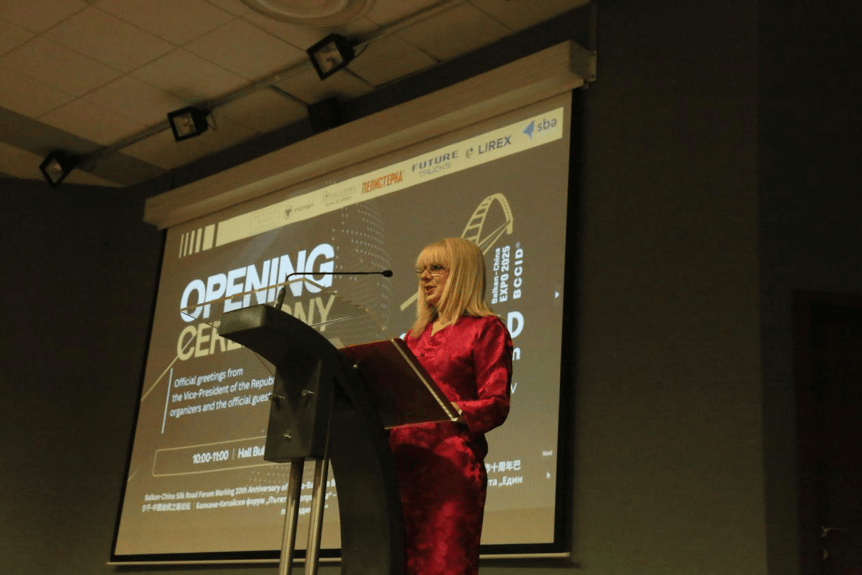
Core Viewpoint - The "2025 Balkan-China Silk Road Economic Forum" held in Plovdiv, Bulgaria, aims to explore new economic cooperation opportunities and challenges amid rapidly evolving global and regional dynamics, with participation from over 200 representatives from the Balkans and China [1][3]. Group 1: Forum Overview - The forum was organized by the Bulgaria-China Industrial Development Chamber and featured speeches from Bulgarian Vice President Iliyana Yotova and Chinese Ambassador to Bulgaria Dai Qingli [1]. - Key topics discussed included digital transformation, artificial intelligence, renewable energy, smart logistics, and cybersecurity, which are seen as critical drivers for future economic growth [3]. Group 2: Opportunities for Cooperation - Representatives at the forum emphasized that the discussed fields provide significant opportunities for Bulgaria and China to seek common interests and explore successful business models [3]. - The Bulgaria-China Industrial Development Chamber has organized professional training in e-commerce, digital marketing, and innovation over the past 10 years, enhancing understanding of China among Bulgarian enterprises [3]. Group 3: Strategic Importance - The forum is viewed as a platform for fostering communication and cooperation between Bulgarian and Chinese enterprises, injecting new momentum into the Balkans' integration into the Belt and Road Initiative for mutual benefit [3].
济南机场开展2025年国家网络安全宣传周主题活动
Zhong Guo Min Hang Wang· 2025-09-26 09:57
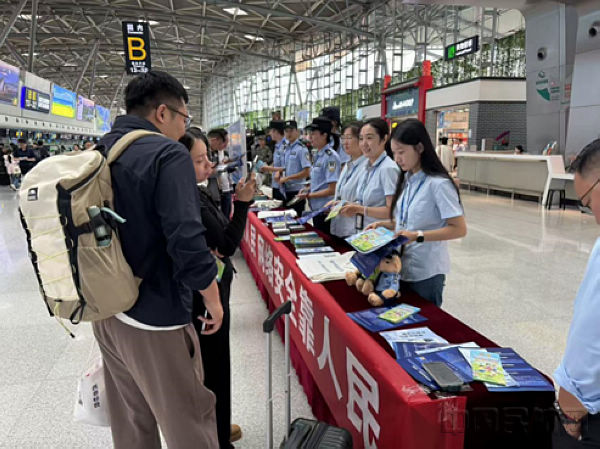
(本文图片均由济南机场供图) 值得一提的是,本次宣传周活动还特别注重提升职工的网络操作技能,邀请了高校讲师和公司业务骨干 为职工开展"AI工具智能应用与网络安全"专题培训。培训现场,讲师以生动形象的演示,展示了AI办公 软件的实际应用技能,并传授行之有效的安全防范技巧。同时,结合机场工作实际,讲师将抽象的网络 安全知识转化为了具体可操作的防护措施。 网络安全是整体国家安全的重要组成部分,也是平安空港建设的坚实根基。此次网络安全宣传周活动真 正做到了线上线下联动、学习实践结合,不仅是对"网络安全为人民,网络安全靠人民"理念的生动践 行,也让更多出行旅客感受到机场在网络安全建设上的用心与努力。(编辑:张薇,校对:张彤,审 核:韩磊) 此外,在航站楼电子大屏滚动播放网络安全主题海报和创意短视频,吸引不少旅客驻足观看。在问询 台、职工休息区和航站楼外停车场等人流密集区域设置宣传展点,活动志愿者主动向来往旅客和职工发 放网络安全知识折页。不少旅客表示,在出行途中能接收到这样的安全提醒很暖心。 《中国民航报》、中国民航网 记者许晓泓 通讯员王雨婷、张晓晔、赵丝雨 报道:9月15日-21日 是"2025年国家网络安全宣传周 ...
内蒙古鄂温克电厂“四重奏”筑牢数智安全防线
Zhong Guo Neng Yuan Wang· 2025-09-26 03:24
通过此次网络安全宣传周系列活动与常态化管理措施的紧密结合,该厂全面普及了网络安全知识,增强 了全员网络安全防范意识和基本技能,并从技术层面强化了网络安全防护体系,形成了"人防+技防"相 结合、全员共同维护网络安全的良好格局,有效保障迎峰度夏百日会战期间的网络安全。 (鄂温克电厂-尹娜、马笛) 活动期间,该厂在办公楼LED屏、电梯间、考勤处等区域的宣传屏持续滚动播放地方公安局制作的网络 安全宣贯视频,全方位开展网络安全知识宣传科普。结合集团融智平台网络安全周学习安排,该厂积极 组织开展覆盖全员的网络安全专题培训,深入普及网络安全法律法规,规避数据泄露风险,强化口令账 号管理,确保每位员工的网络安全意识真正入心入脑。为提升应对网络突发风险的能力,该厂开展办公 区电脑中毒网络应急演练,通过实战模拟,有效检验该厂网络安全应急响应机制的可行性,提高该厂职 工的网络安全意识和应急处理能力。此外,该厂开展"筑牢网络安全 赋能数智国能"主题签名活动,进 一步强化员工的责任意识,营造"网络安全人人有责、人人参与"的浓厚氛围。 9月15日至19日,鄂温克电厂开展网络安全宣传周系列活动,以"贴合实际、注重实效"为原则,组织开 展网 ...
奥飞数据跌2.02%,成交额4.01亿元,主力资金净流出6800.76万元
Xin Lang Cai Jing· 2025-09-26 02:07
Core Viewpoint - AoFei Data's stock price has shown volatility with a year-to-date increase of 57.38%, but recent trading indicates a slight decline in the short term [1][2] Company Overview - AoFei Data Technology Co., Ltd. is based in Guangzhou, Guangdong Province, and was established on September 28, 2004, with its IPO on January 19, 2018 [1] - The company primarily operates in the Internet Data Center (IDC) sector, with IDC services accounting for 82.18% of its revenue and other internet services making up 17.82% [1] Financial Performance - For the first half of 2025, AoFei Data reported revenue of 1.148 billion yuan, reflecting a year-on-year growth of 8.20%, and a net profit attributable to shareholders of 87.897 million yuan, up 16.09% [2] - The company has distributed a total of 113 million yuan in dividends since its A-share listing, with 52.934 million yuan paid out in the last three years [3] Shareholder Structure - As of June 30, 2025, the number of shareholders decreased by 13.14% to 104,200, while the average number of shares held per shareholder increased by 15.14% to 9,452 shares [2] - The top shareholders include Hong Kong Central Clearing Limited, which increased its holdings by 3.704 million shares, and several new institutional investors have entered the top ten list [3] Market Activity - On September 26, 2023, AoFei Data's stock fell by 2.02% to 22.80 yuan per share, with a trading volume of 401 million yuan and a turnover rate of 1.77% [1] - The stock has appeared on the "Dragon and Tiger List" twice this year, with the most recent instance on February 21, 2023, showing a net buy of -206 million yuan [1]

云涌科技跌2.02%,成交额337.64万元
Xin Lang Cai Jing· 2025-09-26 02:04
Core Viewpoint - YunYong Technology's stock has experienced fluctuations, with a year-to-date increase of 14.90% but a recent decline in the last five trading days by 4.29% [1] Company Overview - Jiangsu YunYong Electronic Technology Co., Ltd. was established on March 12, 2010, and listed on July 10, 2020. The company focuses on the industrial internet sector, specializing in the research, production, and sales of industrial information security products [1] - The company's main revenue sources include: 61.12% from industrial security communication gateway devices, 18.99% from industrial security situational awareness devices, 13.06% from trusted innovation products, and 6.83% from intelligent file cabinets and control products [1] Financial Performance - For the first half of 2025, YunYong Technology achieved operating revenue of 130 million yuan, representing a year-on-year growth of 26.55%. However, the net profit attributable to the parent company was -8.86 million yuan, a decrease of 254.58% year-on-year [1] - As of June 30, 2025, the company had 4,993 shareholders, an increase of 5.72% from the previous period, while the average circulating shares per person decreased by 5.41% [1] Shareholder and Dividend Information - Since its A-share listing, YunYong Technology has distributed a total of 38.04 million yuan in dividends, with no dividends paid in the last three years [2] - As of June 30, 2025, Da Cheng Zhong Zheng 360 Internet + Index A (002236) has exited the list of the top ten circulating shareholders [2]

US sounds alarm over hackers targeting Cisco security devices
Reuters· 2025-09-25 21:24
Core Point - The U.S. government's cyber defense agency has issued urgent guidance regarding hackers exploiting a previously unknown vulnerability in Cisco security devices [1] Group 1 - The vulnerability in Cisco security devices poses a significant risk to federal agencies [1] - The guidance aims to enhance the security measures taken by federal agencies in response to this threat [1] - The situation highlights the ongoing challenges in cybersecurity and the need for constant vigilance [1]


Meta rolls out Teen Accounts on Facebook and Messenger globally
TechCrunch· 2025-09-25 14:33
Core Points - Meta is expanding its Teen Accounts to Facebook and Messenger globally, after initially launching them in the U.S., U.K., Australia, and Canada [1][2] - The Teen Accounts are designed to provide built-in protections and parental controls for users under 16, requiring parental permission to change settings [2][3] - The accounts limit interactions to friends and followers, restricts messaging, and includes reminders for users to take breaks from the platform [3] Industry Context - The expansion follows scrutiny from U.S. lawmakers regarding the safety of teens on social media platforms [2] - Research from a Meta whistleblower indicates that despite protections, teens may still encounter harmful content on Instagram, which Meta disputes [4] - Meta is also launching a School Partnership Program to allow educators to report safety concerns directly to Instagram, enhancing the platform's response to issues like bullying [7][8] - This initiative aligns with growing concerns about teen mental health related to social media, highlighted by the U.S. Surgeon General and various states [9]