
再生医学

Search documents
人均预期寿命将超越80岁大关!衰老终点如何改写?
第一财经· 2025-10-26 12:34
Core Viewpoint - The article discusses the increasing life expectancy in China and the associated challenges of an aging population, emphasizing the need for innovative healthcare solutions and technologies to improve the quality of life for the elderly [3][6][12]. Group 1: Life Expectancy and Aging Population - The National Health Commission aims to raise the average life expectancy in China from 79 years in 2024 to around 80 years by 2025 [3]. - As of the end of 2024, the elderly population (aged 60 and above) in China exceeds 310 million, indicating a significant aging trend [3]. - Experts highlight that improving life expectancy requires addressing the mortality rates of major diseases, particularly cardiovascular diseases and cancer [3][6]. Group 2: Cancer Treatment and Management - Cancer is becoming a manageable chronic disease, with advancements in immunotherapy being crucial for addressing the burden of high-incidence cancers like lung and stomach cancer [7]. - The establishment of early screening tools for cancer, particularly liver cancer, has shown promise in improving early diagnosis and treatment outcomes [8][9]. - The five-year survival rate for liver cancer patients at Zhongshan Hospital has reached 71% due to new technologies and proactive follow-up plans [8]. Group 3: Health Management and Technology Integration - Comprehensive health management strategies, including regular check-ups and early intervention for chronic diseases, are essential for increasing life expectancy [12][13]. - AI and wearable medical devices are being integrated into disease prevention and management, allowing for real-time monitoring of patients' health [14][15]. - The World Health Organization emphasizes the importance of expanding hypertension treatment coverage as a cost-effective health measure [14]. Group 4: Regenerative Medicine and Technological Innovations - Regenerative medicine, including stem cell therapy, is gaining attention as a potential solution for age-related health issues and organ repair [17][18]. - The Chinese government has introduced regulations to support the clinical research and application of new biomedical technologies, including stem cells [18]. - Innovations in elder care technology, such as fall detection systems and care robots, are being developed to address the challenges of an aging population [19][20]. Group 5: Challenges in Elderly Care Technology - There is a disconnect between the development of elderly care technologies and the actual needs of the elderly, leading to ineffective products [19]. - Experts call for collaboration between technology developers and elderly care providers to ensure that products meet the real needs of older adults [20].

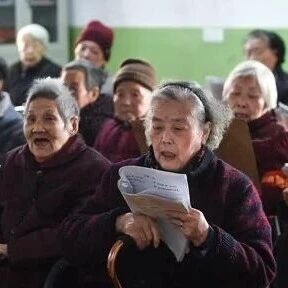
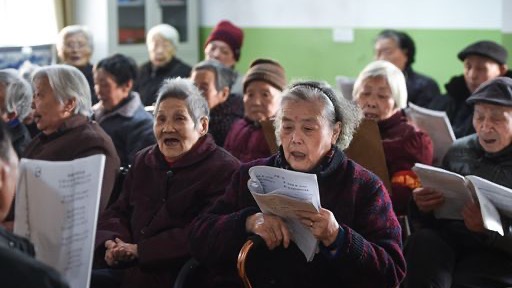
老有所依|人均预期寿命将超越80岁大关!衰老终点如何改写?
Di Yi Cai Jing· 2025-10-26 08:20
Group 1 - The core objective is to increase China's average life expectancy to around 80 years by 2024, focusing on reducing mortality rates from major diseases, particularly cardiovascular diseases and cancer [1][3] - As of the end of 2024, the population aged 60 and above in China is expected to exceed 310 million, indicating a significant aging trend [1] - The development of innovative therapies and the application of new technologies, such as artificial intelligence, are essential to address the needs of the elderly population [1][7] Group 2 - Cancer is becoming a chronic disease, with advancements in medical technology and health levels contributing to increased life expectancy [3][4] - Eight provinces in China have already surpassed an average life expectancy of 80 years, with health indicators ranking among high-income countries [3] - The focus on immune system reconstruction is crucial for combating diseases like cancer, as highlighted by recent Nobel Prize-winning research [3] Group 3 - The burden of diseases such as lung and stomach cancer necessitates breakthroughs in tumor immunotherapy, positioning China as a key player in the precision immunotherapy era [4] - The development of early screening tools for cancer, particularly liver cancer, has shown promise in improving early diagnosis and treatment outcomes [5][8] - The five-year survival rate for liver cancer patients post-surgery has reached 71% due to advancements in treatment and follow-up care [5] Group 4 - AI and big data are being leveraged for disease management, emphasizing the importance of health management practices such as regular check-ups and early intervention for chronic diseases [7][9] - The integration of AI in cardiovascular disease management aims to enhance diagnosis and treatment through comprehensive patient data analysis [9][10] - The World Health Organization emphasizes the cost-effectiveness of expanding hypertension treatment coverage, which can be improved through digital health solutions [10] Group 5 - Regenerative medicine and stem cell research are gaining attention as potential solutions for age-related diseases, with the goal of improving both lifespan and quality of life [11][12] - The recent regulations on biomedical technology provide legal support for the development of cutting-edge medical technologies, including stem cell therapies [12] - The trend towards smart aging solutions is evident, with advanced technologies being integrated into elderly care to alleviate caregiver shortages [13][14]
再生医学里程碑!上海九院李青峰/黄如林团队全球首次实现脂肪跨胚层再生,登上中国工程院院刊 Engineering
生物世界· 2025-10-26 08:00
Core Viewpoint - The article discusses a groundbreaking research study from Shanghai Jiao Tong University that introduces a new paradigm in regenerative medicine, allowing for direct differentiation of human adult adipose tissue into functional organoids without the need for complex cellular manipulation, thus overcoming significant clinical challenges in the field [3][4]. Group 1: Research Breakthroughs - The study presents a novel "tissue → new tissue" reprogramming paradigm that activates the endogenous differentiation potential of adult adipose tissue, enabling the generation of various functional organoids [4]. - Three major advantages of this research are highlighted: 1. Tissue-level reprogramming that preserves the ecological niche and homeostasis of multiple cell types within adipose tissue, avoiding genomic instability risks associated with cellular manipulation [7]. 2. The breakthrough of germ layer restrictions, successfully directing adipose tissue to differentiate into functional endodermal and ectodermal organoids [7]. 3. Clinical safety assurance through a process that avoids pluripotent states and cell passage, with long-term trials showing no tumorigenicity [7]. Group 2: Methodology and Findings - The research team developed an innovative technique that maintains the natural microenvironment of adipose tissue, leading to the formation of three-dimensional active microtissues with a high proportion of mesenchymal stem cells [8]. - The reaggregated microfat (RMF) particles demonstrated significant differentiation potential, successfully constructing functional human-derived bone marrow organoids that exhibited progressive ossification and superior hematopoietic support capabilities [9]. - The study also achieved the construction of pancreatic organoids with a notable percentage of functional β-like cells, significantly enhancing insulin secretion in response to glucose stimulation [10]. Group 3: Clinical Implications - The findings suggest that adipose tissue can serve as a "natural stem cell reservoir," providing a safe, economical, and scalable treatment strategy for conditions such as diabetes, blood disorders, and nerve injuries [13]. - The research team has initiated clinical translation studies for diabetes treatment, potentially leading to a new chapter in regenerative medicine where liposuction can be utilized for significant health benefits [13].

全议程及报名链接一览!第三届八大处整形美容产业论坛
思宇MedTech· 2025-10-25 10:09
Core Viewpoint - The article discusses the upcoming Fourth China Plastic Surgery and Regenerative Medicine Development Conference and the 14th Beijing International Aesthetic Surgery Conference, scheduled for October 31 to November 2, 2025, in Beijing, aimed at promoting the development of plastic surgery and enhancing collaboration among related disciplines [2]. Group 1: Conference Overview - The conference will feature a main forum, an innovation transformation competition final, and nine sub-forums, with a total expected attendance of around 500 participants [5][6]. - The event is organized by the Chinese Academy of Medical Sciences Plastic Surgery Hospital and the Beijing Eight Great Places Aesthetic Medical Technology Group [2][4]. Group 2: Innovation Competition - The third innovation transformation competition will focus on innovative achievements in plastic surgery and aesthetic medicine, showcasing their industrialization potential [7]. - The competition will include projects related to materials, instruments, equipment, and digital applications, demonstrating diverse innovation pathways from research to clinical application [7]. Group 3: Forum Agendas - The main forum will include keynote speeches on various topics such as the launch of the Aesthetic Medicine Concept Verification Center and the integration of innovative medical technologies [6]. - The investment and financing sub-forum will cover the current status and opportunities in the aesthetic medicine industry, featuring insights from investment professionals [9][10].
观众报名!最新议程!第三届八大处整形美容产业论坛
思宇MedTech· 2025-10-23 07:58
Core Viewpoint - The article discusses the upcoming Fourth China Plastic Surgery and Regenerative Medicine Development Conference and the 14th Beijing International Aesthetic Surgery Conference, scheduled for October 31 to November 2, 2025, in Beijing, aimed at promoting the development of plastic surgery and enhancing collaboration among related disciplines [2]. Event Overview - The conference will feature a main forum, an innovation transformation competition final, and nine sub-forums, with a total expected attendance of around 500 participants [5][6]. - The event is organized by the Chinese Academy of Medical Sciences Plastic Surgery Hospital and the Beijing Eight Great Places Aesthetic Medical Technology Group [4]. Main Forum Agenda - The main forum will include a welcome address, opening speeches, and a series of thematic presentations covering topics such as innovative medical technology, marketing integration in medical device commercialization, and advancements in skin chip technology [6][7]. - Notable speakers include representatives from various medical and technological institutions, discussing topics relevant to the plastic surgery and aesthetic medicine fields [6]. Innovation Competition - The third innovation transformation competition will focus on showcasing innovative achievements in plastic surgery and aesthetic medicine, covering areas such as materials, devices, and digital applications [7]. - The competition aims to connect projects with capital, facilitating the transition from research to clinical application [7]. Investment and Financing Forum - A dedicated forum on investment and financing in the aesthetic medicine sector will take place, featuring discussions on industry trends and opportunities from various investment professionals [10][11]. - The forum will include presentations on topics such as the current state of the aesthetic medicine industry and the development of domestic medical aesthetic equipment [10][11]. Additional Activities - The conference will also host product exhibitions and provide opportunities for networking among industry professionals, researchers, and investors [3][12]. - Various sub-forums will address topics like medical device safety, digital transformation in aesthetic medicine, and regenerative medicine [12][25][34].
紫亚兰大会收官CDA亮相!YOUMAGIC舒立缇将携创新射频技术领航产业发展
Sou Hu Wang· 2025-10-22 01:30
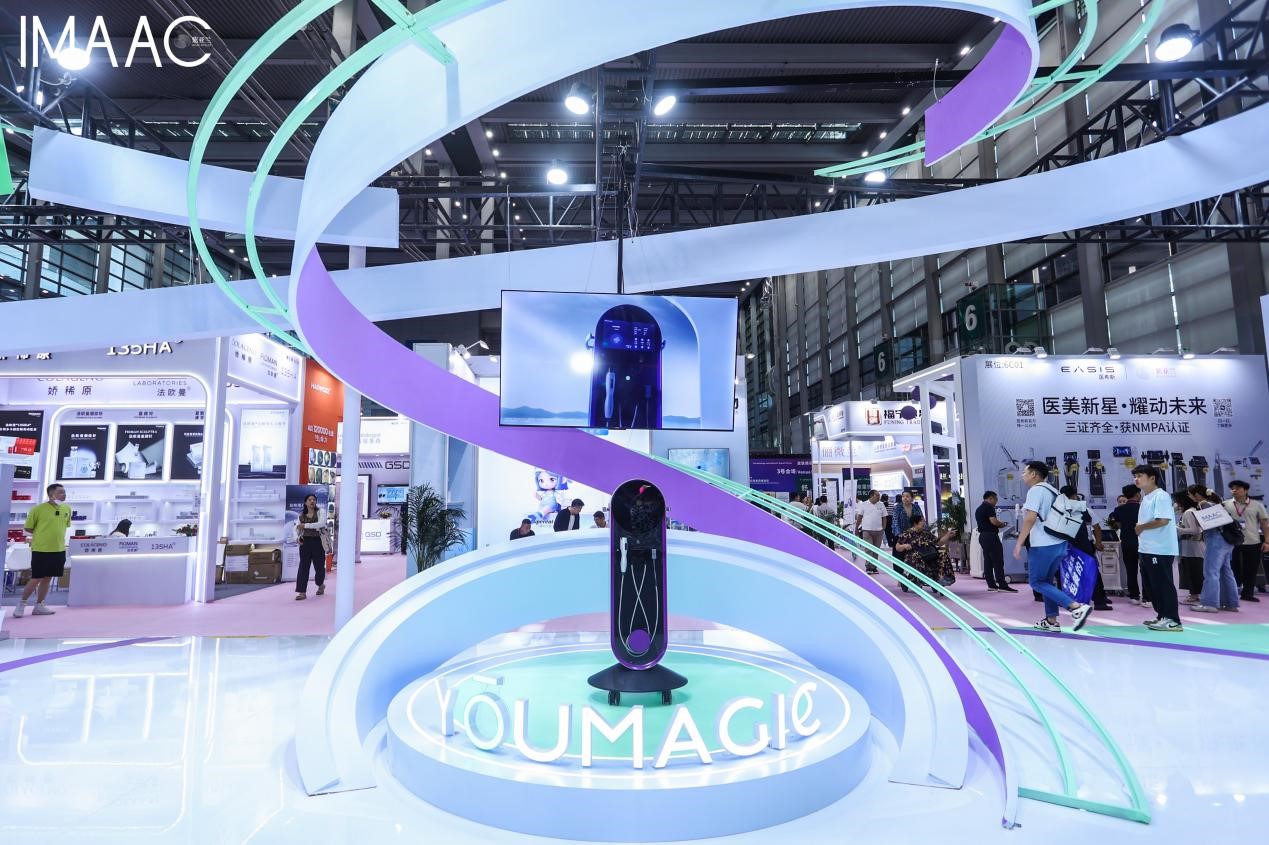
Core Insights - The 8th Ziyalan International Anti-Aging Medical Aesthetic Conference, sponsored by YOUMAGIC Shuliti, took place in Shenzhen, gathering over 300 experts and brands to focus on anti-aging, regenerative medicine, and AI healthcare [1][3] Group 1: Event Overview - The conference served as a platform for international academic exchange, global resource connection, and comprehensive industry solutions [1] - YOUMAGIC Shuliti showcased its "45 days 4 million" product growth model and emphasized the integration of medical and engineering ecosystems [3][6] Group 2: Technological Innovations - YOUMAGIC Shuliti created an immersive exhibition space of 23,000 square meters, highlighting technological innovations and market empowerment [4] - The company presented its "new generation high-energy standby radiofrequency technology," which aims to redefine industry standards and enhance treatment experiences [8][12] Group 3: Industry Insights - A blue paper titled "Analysis of the Current Development Status and Future Trends of China's Radiofrequency Aesthetic Products Industry" was released in collaboration with Frost & Sullivan, providing authoritative data and trend insights [6][8] - The non-surgical aesthetic market is experiencing strong growth globally, with China's radiofrequency equipment market expected to exceed 9.05 billion yuan by 2030 [8] Group 4: Clinical Applications - The "YOUMAGIC Shuliti Energy Medicine Forum" focused on practical applications of radiofrequency technology, featuring expert discussions on clinical research and treatment innovations [11][12] - Clinical data indicated that YOUMAGIC Shuliti's technology showed a 100% effectiveness rate in wrinkle improvement after three months, with a 96.2% effectiveness rate after six months [12] Group 5: Future Directions - YOUMAGIC Shuliti aims to continue collaborating with industry partners to promote sustainable and efficient development in the anti-aging sector [13] - The company plans to participate in the 20th National Dermatology Physician Conference in November, furthering academic exchanges and discussions [13]
议程更新!快报名~医美投融资分论坛|第三届八大处整形美容产业论坛
思宇MedTech· 2025-10-19 02:11
Core Viewpoint - The article discusses the upcoming Fourth China Plastic Surgery and Regenerative Medicine Development Conference and the 14th Beijing International Aesthetic Surgery Conference, scheduled for October 31 to November 2, 2025, in Beijing, aimed at promoting the development of plastic surgery in China and enhancing collaboration among related disciplines [3]. Event Details - The event will feature the Third Ba Da Chu Aesthetic Industry Forum, a competition final, and nine sub-forums [3]. - Participation is free, and there will be an exhibition of enterprise products on-site [4]. Hosting Organizations - The event is organized by Ba Da Chu Plastic Surgery Medical Concept Verification Center, Si Yu MedTech, Jin Yu Mao Wu, Tsinghua Technology Park Medical Engineering Cross-Innovation Center, and Zi Niu Fund [5]. Morning Session Highlights - The morning session includes various presentations, such as: - "Investment Perspective on the Current Status and Opportunities in the Medical Aesthetic Industry" by Sun Haisun, Investment Deputy General Manager, Jin Yu Mao Wu [5]. - "Trends in the Development of the Light Medical Aesthetic Industry" by Yu Bo, Partner, Zi Niu Fund [5]. - "Application of Stem Cells and Exosomes in Postoperative Wound Repair" by Zhao Yong, Chairman, Beizheng Saiou (Beijing) Biotechnology Co., Ltd. [5]. Afternoon Session Highlights - The afternoon session will cover topics including: - "Opportunities and Challenges for Domestic Medical Aesthetic Photonic Equipment Going Abroad" by Liao Ziyan, Brand Promotion Director, Suzhou Baifu Laser Technology Co., Ltd. [6]. - "New Generation Needle-Free Drug Delivery Technology in Domestic and International Medical Aesthetic Fields" by Zhou Ping, CTO, Zhuoyou Medical (Suzhou) Co., Ltd. [6]. - "Applications of Functional Nucleic Acid Nanotechnology in the Light Medical Aesthetic Industry" by Zhang Kaiping, Marketing Center General Manager, Beijing Xingyilian Technology Co., Ltd. [6]. Registration Information - Interested participants can register by scanning a QR code or clicking a link provided at the end of the article [6].

科学家用人类干细胞构建出“类血细胞”,成功模拟胎儿血液发育过程
Ke Ji Ri Bao· 2025-10-16 08:15
Core Insights - Researchers at Cambridge University have developed "blood-like cells" using human stem cells, which can simulate multiple key stages of early human development, including the generation of blood stem cells [1][2] - The new human embryo-like model accurately replicates the initiation of the hematopoietic system in embryos, providing a powerful tool for drug screening, early blood and immune system development research, and modeling blood diseases [2] Group 1 - The embryo-like structures exhibit self-organization capabilities, forming the three primary germ layers (ectoderm, mesoderm, and endoderm) by the second day of culture [1] - By day eight, beating heart cells were observed, which in real embryos will eventually develop into the heart [1] - On day thirteen, distinct red blood spots were noted, confirming the generation of functional blood cells, which can differentiate into various blood cell types, including key immune cells [1] Group 2 - The ability to produce human blood cells in the laboratory marks a significant step in regenerative medicine, allowing for the potential creation of blood cells that are genetically matched to patients, thus avoiding immune rejection [2] - The model captures the "second wave" of hematopoiesis during human development, which can produce adaptive lymphocytes, including T cells, opening new avenues for studying blood development in both healthy and cancerous states [2]
科学家用人类干细胞构建出“类血细胞”
Ke Ji Ri Bao· 2025-10-15 01:12
Core Insights - Researchers at Cambridge University have developed "blood-like cells" using human stem cells, which can simulate key stages of early human development, including the generation of blood stem cells [1][2] - The new human embryo-like model accurately replicates the initiation of the hematopoietic system in embryos, providing a powerful tool for drug screening, early blood and immune system development research, and modeling blood diseases [2][3] Group 1 - The three-dimensional structures created by human stem cells exhibit self-organization capabilities, forming the three primary germ layers (ectoderm, mesoderm, and endoderm) within two days of culture [1] - By day eight, beating heart cells were observed, which in real embryos develop into the heart, and by day thirteen, functional blood cells were confirmed with visible red blood spots [1][2] - The ability to produce human blood cells in the lab marks a significant step in regenerative medicine, allowing for the potential creation of genetically matched blood cells for patients, thus avoiding immune rejection [2] Group 2 - The model captures the "second wave" of hematopoiesis during human development, which includes the production of adaptive lymphocytes such as T cells, opening new avenues for studying blood development in both healthy and cancerous states [2] - This research adheres to international ethical standards and has received approval from ethics committees, ensuring compliance with regulatory frameworks [1] - The technology may eventually provide tailored blood cells or hematopoietic stem cells for patients with blood diseases like leukemia, potentially saving more lives [3]
科学家用人类干细胞构建出“类血细胞” 成功模拟胎儿血液发育过程
Ke Ji Ri Bao· 2025-10-14 23:54
Core Insights - Researchers at Cambridge University have developed "blood-like cells" using human stem cells, which can simulate multiple key stages of early human development, including the generation of blood stem cells [1][2] - The new human embryo-like model accurately replicates the initiation of the hematopoietic system in embryos, providing a powerful tool for drug screening, early blood and immune system development research, and modeling blood diseases [2] Group 1 - The embryo-like structures exhibit self-organization capabilities, forming the three primary germ layers (ectoderm, mesoderm, and endoderm) by day two of cultivation [1] - By day eight, beating heart cells were observed, which in real embryos will eventually develop into the heart [1] - On day thirteen, the team noted distinct red blood spots, confirming the generation of functional blood cells [1] Group 2 - The ability to produce human blood cells in the laboratory marks a significant step in regenerative medicine, allowing for the potential creation of blood cells that are genetically matched to patients, thus avoiding immune rejection [2] - The model captures the "second wave" of hematopoiesis during human development, which can produce adaptive lymphocytes, including T cells, opening new avenues for studying blood development in both healthy and cancerous states [2]