
特医食品

Search documents
圣桐特医IPO:左手“清仓式”分红右手募资补流 营收下滑、扣非净利增速骤降超五成生产依赖关联企业
Xin Lang Cai Jing· 2026-01-09 09:43
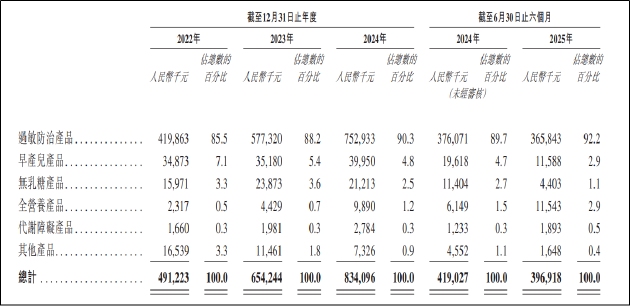
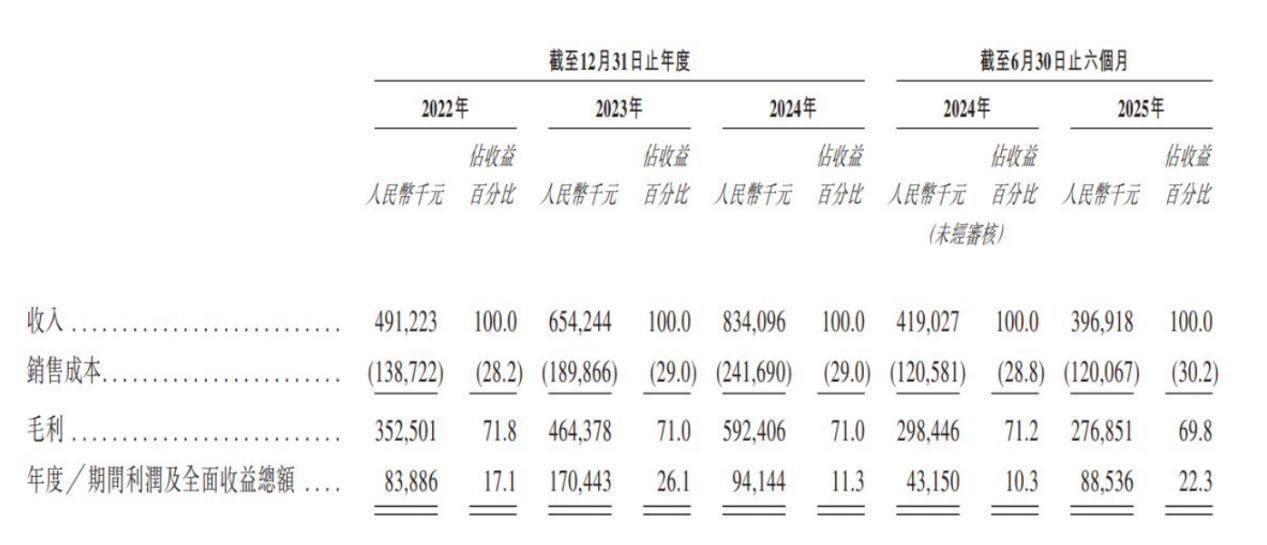
Core Viewpoint - Saintong Special Medical Nutrition Technology Co., Ltd. has refiled its IPO application after a previous failure, with a pre-IPO valuation of 2.6 billion RMB, but faces significant operational and financial challenges, including declining revenue, profit volatility, and heavy reliance on a single business line [1][11]. Financial Performance - From 2022 to 2024, the company's revenue grew from 491 million RMB to 834 million RMB, with a compound annual growth rate of 30.4%. However, in the first half of 2025, revenue fell by 5.28% to 397 million RMB [2][12]. - The net profit showed instability, with a 103.18% increase in 2023 to 170 million RMB, followed by a 44.77% drop in 2024 to 94.14 million RMB. The company attributed the decline to losses from financial instruments, indicating sensitivity to non-operational factors [2][12]. - The adjusted net profit growth rate has decreased significantly, with figures of 44.94%, 13.97%, and 3.37% for 2023, 2024, and the first half of 2025, respectively, suggesting potential growth bottlenecks [2][12]. Product Line and Revenue Contribution - The company has five product lines, but revenue is heavily concentrated in allergy prevention products, which accounted for 90.3% of total revenue in 2024, increasing to 92.2% in the first half of 2025 [3][13]. - Other product lines, such as premature infant and lactose-free products, have seen significant revenue declines, with drops of 40.82% and 61.40%, respectively, contributing to an overall revenue decline of 5.25% [4][14]. Market Presence and Brand Recognition - Saintong Special Medical has low visibility in the consumer market, with reports indicating its products are rarely found in major supermarkets and baby product chains [5][15]. - Online sales are also weak, with the flagship product achieving only 2,000 sales compared to over 70,000 for a competitor's similar product, highlighting a significant gap in brand recognition [6][16]. Marketing and R&D Expenditure - The company spends approximately 40% of its revenue on marketing and distribution, yet this has not translated into increased brand recognition or market penetration [6][16]. - R&D spending has been low, totaling only 30.65 million RMB from 2022 to 2024, representing just 1.3%-1.6% of revenue, raising concerns about the company's ability to innovate and maintain competitive advantages [6][16]. Operational Efficiency - The company's operating cycle has lengthened, with days extending from 123.01 in 2023 to 179.91 in the first half of 2025, indicating potential inventory issues [7][17]. - Inventory turnover days have increased significantly, suggesting possible inventory buildup and cash flow issues, which could lead to future write-downs [7][17]. Governance and Financial Risks - Over 50% of the company's revenue relies on outsourced production, primarily from an associated company, raising concerns about supply chain independence and governance risks [8][18]. - The company has engaged in aggressive dividend payouts, distributing 4.67 billion RMB in dividends, which is about 94% of its adjusted net profit from 2022 to 2024, leading to questions about its financial strategy amid significant debt [9][19].

苯丙酮尿症患者保障对象扩大至全年龄段
Xin Lang Cai Jing· 2026-01-02 20:35
Core Viewpoint - The Yunnan Provincial Health Commission has expanded the coverage for phenylketonuria (PKU) patients from children aged 0-6 to all age groups, aiming to alleviate the economic burden on patients by increasing payment standards [1][2]. Group 1: Coverage Expansion - The notification extends the coverage for PKU patients to include individuals of all ages, previously limited to those aged 0-6 [1]. - Patients diagnosed with PKU (including mild, classic types, and tetrahydrobiopterin deficiency) who are enrolled in basic medical insurance are now eligible for this expanded coverage [1]. Group 2: Payment Standards - The payment standard has been increased, with the basic medical insurance fund covering 70% of the costs within the price limit, while patients are responsible for 30% [1]. - The reimbursement limits are set at 15,000 yuan per year for patients under 1 year old, 30,000 yuan for those aged 1 to under 10, and 40,000 yuan for patients aged 10 and above, with lifetime coverage [1]. Group 3: Special Medical Foods - The special medical foods required for PKU treatment (1st, 2nd, and 3rd stage formula milk) will be listed on the Yunnan medical insurance information platform [2]. - Patients can purchase these special medical foods at designated healthcare institutions with valid prescriptions and can claim reimbursements through their local medical insurance departments [2].
北京试点特医食品“入院”“进系统”
Xin Lang Cai Jing· 2025-12-24 16:47
Core Insights - The pilot program for special medical purpose foods (medical foods) in Beijing has achieved significant results, facilitating their entry into medical institutions and integration into hospital information systems (HIS) [1][4] Group 1: Regulatory and Operational Changes - Special medical foods are classified as food products, not drugs or medical devices, which has historically hindered their entry into hospitals due to regulatory barriers [2] - The Beijing Municipal Market Supervision Administration has established a special mechanism to streamline the registration process for non-profit medical institutions, allowing them to obtain operating licenses for medical foods [2] - The HIS system has been updated to include temporary coding for medical foods, enabling better management and traceability within hospitals [3] Group 2: Implementation and Benefits - The pilot program has resulted in a full-process management system where prescriptions are issued by doctors, prepared by nutritionists, and confirmed by physicians, ensuring traceability and regulatory compliance [3] - The time required for patients to obtain medical foods has been significantly reduced, enhancing their overall healthcare experience [4] - Medical institutions are now equipped with standardized tools for nutritional support, improving patient outcomes in various departments such as rehabilitation, geriatrics, and endocrinology [4] Group 3: Industry Development and Future Plans - The initiative has provided a boost to companies involved in the production and operation of medical foods, fostering innovation in the sector [4] - Future plans include expanding the management system for medical foods in more healthcare institutions and attracting innovative companies to establish operations in Beijing [5]
北京试点特医食品“入院”“进系统” 可追溯、监管
Zhong Guo Xin Wen Wang· 2025-12-23 11:07
Core Viewpoint - The pilot program in Beijing allows special medical purpose foods (referred to as "special medical foods") to be integrated into hospitals and managed through hospital information systems (HIS), enhancing accessibility and regulatory oversight for patients with specific dietary needs [1][4]. Group 1: Pilot Implementation - The pilot program is initiated in Chaoyang District, enabling special medical foods to enter medical institutions and be managed within HIS, streamlining the process from prescription to distribution [1]. - A green channel mechanism has been established to facilitate the registration of special medical foods for non-profit medical institutions, addressing previous barriers that prevented these foods from being available in hospitals [2]. Group 2: Standardization and Management - Temporary coding for special medical foods has been implemented within HIS, allowing for better management similar to pharmaceuticals, which includes prescription, billing, and inventory tracking [3]. - The pilot hospital, Beijing Chuiyangliu Hospital, has developed a comprehensive management system for special medical foods, ensuring traceability and safety throughout the usage process [3]. Group 3: Benefits and Outcomes - The pilot program has reduced the time for patients to access special medical foods, improving their overall healthcare experience [4]. - Medical institutions benefit from a standardized approach to nutritional support, enhancing patient recovery and clinical nutrition management across various departments [4]. - The standardized application of special medical foods is boosting confidence in the industry, with ongoing research and development initiatives being supported by local hospitals and regulatory bodies [4]. Group 4: Future Directions - The Beijing Market Supervision Administration plans to continue refining the management system for special medical foods in healthcare settings and promote the pilot experience to more institutions [5].
圣桐特医再度递表 财务紧绷难解
Bei Jing Shang Bao· 2025-12-16 05:17
Core Viewpoint - Saintong Special Medical Foods has refiled its IPO application after an initial failure, highlighting the growth potential in China's special medical food market, which is expected to reach 53.1 billion yuan by 2029, with a current penetration rate of only 3% compared to 40% in mature markets like Europe and the US [1] Financial Performance - Revenue for Saintong Special Medical Foods from 2022 to the first half of 2025 is projected to be 491 million yuan, 654 million yuan, 834 million yuan, and 397 million yuan respectively, with profits of 83.9 million yuan, 170 million yuan, 94.1 million yuan, and 88.5 million yuan during the same period [2] - The company holds a market share of 6.3% in the domestic special medical food market, ranking first among local brands and fourth overall, trailing behind Nestlé, Danone, and Mead Johnson [2] Inventory and Debt Concerns - The company has seen a significant increase in inventory turnover days, rising from 54 days in 2022 to 155 days in 2024, indicating liquidity issues due to capital being tied up in inventory [3] - As of December 31, 2024, Saintong reported a total deficit of 318 million yuan and net current liabilities of 405 million yuan, with liquidity ratios below 1, indicating substantial short-term debt pressure [3] R&D Investment - R&D expenditures from 2022 to 2024 were 6.51 million yuan, 10.81 million yuan, and 13.33 million yuan, representing only 1.3%, 1.7%, and 1.6% of total revenue, which is significantly lower than the industry average of 6.8% in 2023 [5][6] - The company’s revenue is heavily reliant on allergy prevention products, which accounted for over 90% of its income, limiting its ability to diversify into other segments [5][6] Dividend Distribution - Saintong has distributed dividends totaling approximately 467 million yuan before its IPO, which is nearly 94% of its adjusted net profit over the same period, raising concerns about financial governance given its high debt levels [6]
圣桐特医再度递表,财务紧绷难解
Bei Jing Shang Bao· 2025-12-15 13:47
Core Viewpoint - Saintong Special Medical Foods has refiled its IPO application with the Hong Kong Stock Exchange after an initial failure, highlighting the significant growth potential in China's special medical food market, which is expected to reach 53.1 billion yuan by 2029, with a current penetration rate of only 3% compared to 40% in mature markets like Europe and the US [1][3]. Financial Performance - Revenue for Saintong Special Medical Foods from 2022 to the first half of 2025 is projected to be 491 million yuan, 654 million yuan, 834 million yuan, and 397 million yuan, respectively, with profits of 83.9 million yuan, 170 million yuan, 94.1 million yuan, and 88.5 million yuan during the same period [3]. - The company holds a market share of 6.3% in the domestic special medical food market, ranking fourth overall, and leads in the infant special medical food segment with a 9.5% share, trailing behind Nestlé and Danone [3]. Inventory and Debt Concerns - Saintong has established a large sales network with 326 to 346 distributors from 2022 to 2024, selling to over 700 hospitals and medical institutions [4]. - However, the company's inventory turnover days have increased significantly from 54 days in 2022 to 155 days in 2024, indicating liquidity issues due to high inventory levels [4]. - As of December 31, 2024, the company reported a total deficit of 318 million yuan and net current liabilities of 405 million yuan, with liquidity ratios below 1, indicating substantial short-term debt pressure [4][5]. R&D Investment - Research and development (R&D) expenditures from 2022 to 2024 were 6.51 million yuan, 10.81 million yuan, and 13.33 million yuan, representing only 1.3% to 1.7% of total revenue, which is significantly lower than the industry average of 6.8% in 2023 [6][7]. - The company relies heavily on allergy prevention products, which accounted for over 85% of its revenue, limiting its ability to diversify into other segments [6][7]. Dividend Distribution - Despite financial constraints, Saintong has distributed dividends totaling approximately 467 million yuan before its IPO, which is nearly equivalent to 94% of its adjusted net profit over the same period [7][8]. - This high dividend payout amidst significant debt raises concerns about the company's financial governance and may impact its IPO approval process [8].
圣桐特医二递表:百亿特医赛道“隐形冠军”的盈利悖论与增长挑战
Zhi Tong Cai Jing· 2025-12-10 03:19
Core Insights - The special medical food market is rapidly growing due to China's aging population and increasing prevalence of chronic non-communicable diseases, with a global market size expected to reach $21.8 billion by 2030, and China's market projected to exceed 20 billion yuan by 2025, reflecting a compound annual growth rate (CAGR) of 14.16% [1][6] Company Overview - Saintong Special Medical (Qingdao) Nutrition Health Technology Co., Ltd. is a leading provider of special medical foods in China, holding the top position among domestic brands and ranking fourth overall in market share at 6.3% [2][3] - The company has launched 14 major special medical food products, with 16 additional products in development, and holds the highest number of infant special medical food registration certificates in China [3][4] Financial Performance - Saintong's revenue grew from 491.223 million yuan in 2022 to an estimated 834.096 million yuan in 2024, achieving a CAGR of approximately 30.4%, significantly outpacing the average growth rate of the healthcare industry in China [4][5] - Despite strong revenue growth, the company's net profit margin has fluctuated dramatically from 26.1% in 2023 to 11.3% in 2024, indicating a financial paradox where revenue increases do not correlate with stable profitability [3][5] Market Dynamics - The Chinese special medical food market is highly concentrated, with the top five players holding 78.0% and 92.9% market shares in the overall and infant special medical food segments, respectively [2] - The market is expected to grow at a CAGR of 27.8% from 2020 to 2025, with domestic products gradually increasing their market share due to favorable policies and a growing number of local companies [6][7] Investment Activity - In the first quarter of this year, three Chinese special medical nutrition companies raised nearly 700 million yuan in financing, with Saintong securing over 400 million yuan in its B+ round, marking one of the largest financings in the sector [7] - The penetration rate of special medical foods in China is currently around 3%, significantly lower than over 40% in mature markets like the U.S., indicating substantial growth potential [7]
新股前瞻|圣桐特医二递表:百亿特医赛道“隐形冠军”的盈利悖论与增长挑战
智通财经网· 2025-12-10 03:16
Core Insights - The special medical food market in China is rapidly growing, with a projected compound annual growth rate (CAGR) of 14.16% from 2023 to 2025, reaching approximately 20 billion RMB by 2025 [1][6] - Saintong Special Medical (Qingdao) Nutrition Health Technology Co., Ltd. has submitted a listing application to the Hong Kong Stock Exchange, indicating its ambition to capitalize on the booming market [1][2] Industry Overview - The global special medical food market surpassed $14.1 billion (approximately 100 billion RMB) in 2023 and is expected to reach $21.8 billion by 2030, with an annual growth rate exceeding 6% [1] - China's special medical food market is characterized by high concentration, with the top five brands holding 78.0% and 92.9% market shares in the overall and infant special medical food segments, respectively [2][3] Company Performance - Saintong Special Medical is a leading provider of special medical foods in China, holding the top position among domestic brands and ranking fourth overall with a market share of 6.3% [2] - The company has launched 14 major special medical food products and is developing 16 additional products, holding the highest number of infant special medical food registration certificates in China [3] - Revenue growth from 2022 to 2024 is projected at a CAGR of 30.4%, with revenues increasing from 491.2 million RMB in 2022 to 834.1 million RMB in 2024 [4] Financial Metrics - The gross profit margin for Saintong Special Medical has remained around 70%, with slight fluctuations, indicating strong competitive advantages [4][5] - The net profit margin has shown significant volatility, dropping from 26.1% in 2023 to 11.3% in 2024, raising concerns about profitability stability [5][8] Market Dynamics - The domestic special medical food market is expected to grow at a CAGR of 27.8% from 2020 to 2025, driven by increasing demand and favorable policies [6] - The penetration rate of special medical foods in China is currently around 3%, significantly lower than over 40% in mature markets like the U.S., indicating substantial growth potential [7] Investment Activity - Recent financing activities in the special medical food sector have surged, with Saintong Special Medical securing over 400 million RMB in its latest funding round, marking one of the largest investments in the field [7]
圣桐特医二次递表港交所 特医食品龙头企业冲刺上市
Xin Lang Cai Jing· 2025-12-08 12:08
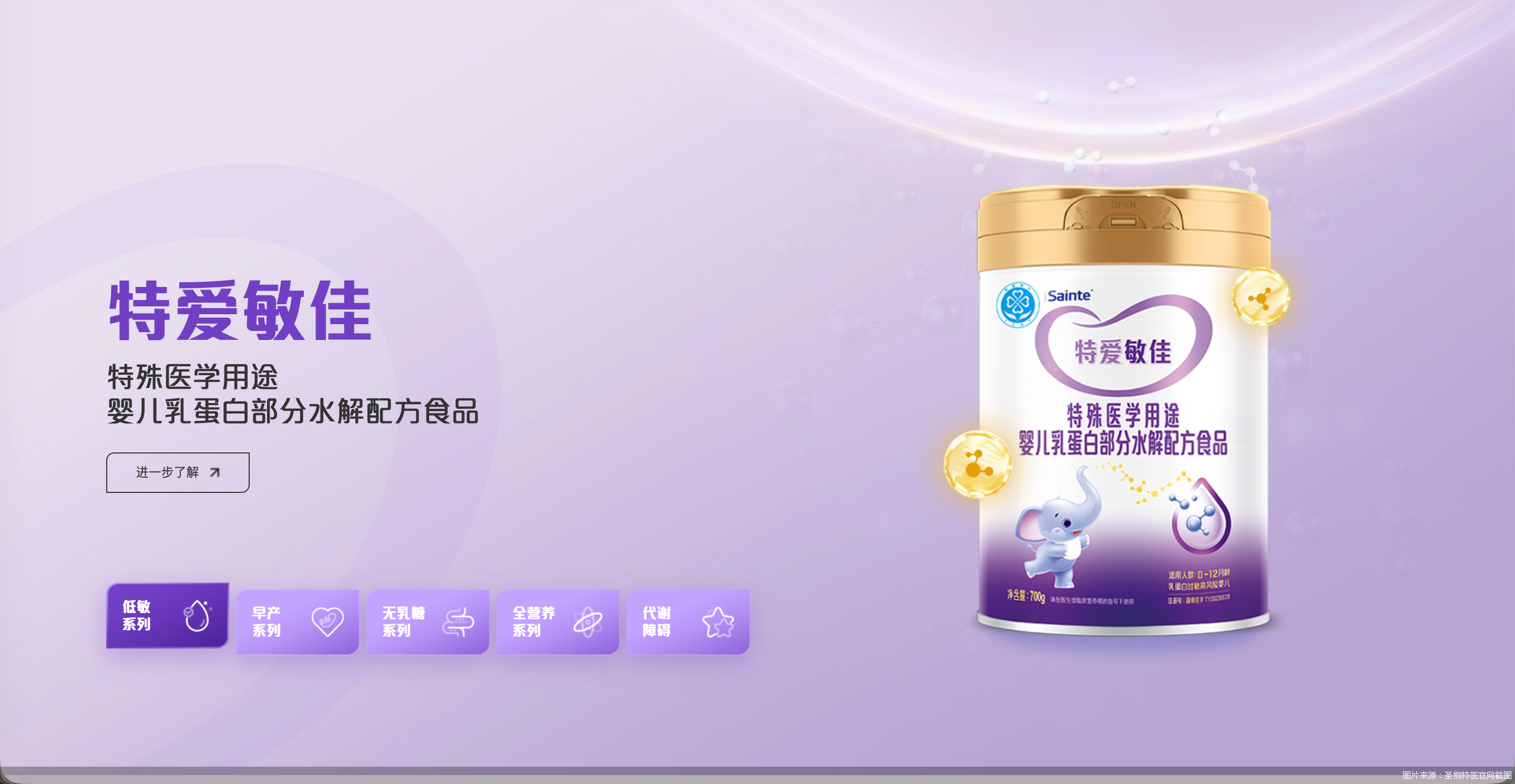
Core Viewpoint - Saint Tong Te Medical (Qingdao) Nutrition Health Technology Co., Ltd. has submitted a second listing application to the Hong Kong Stock Exchange, marking its formal entry into the capital market after its initial application in June 2023 [2] Company Overview - Saint Tong Te Medical is a leading provider of medical food in China, focusing on the development, production, and sales of specialized medical food products [2] - The company has a strong market position, ranking first among local medical food brands and fourth overall in the Chinese medical food market, with a market share of 6.3% [2] - In the infant medical food segment, the company holds the top position among local brands and ranks third overall, with a market share of 9.5% [2] Product Development - The company has launched 14 major medical food products, each with unique medical uses and target demographics, and has 16 new products in development [5] - Saint Tong Te Medical has five main product lines, including allergy prevention, premature infant products, lactose-free products, complete nutrition products, and metabolic disorder products [5] - Notably, the company has introduced innovative products such as the first medical food for infants with propionic acidemia and the first domestically developed medical food for infants with phenylketonuria [5] Financial Performance - In the first half of 2025, the company achieved revenue of 397 million yuan, a decrease of 5.3% from 419 million yuan in the same period last year, while profit increased significantly to 88.54 million yuan from 43.15 million yuan [6] - The majority of revenue comes from allergy prevention products, accounting for 92.2% of total revenue in the first half of 2025 [6] Market Growth - The Chinese medical food market has shown rapid growth, with a market size increasing from 7.3 billion yuan in 2019 to an estimated 23.2 billion yuan in 2024, reflecting a compound annual growth rate (CAGR) of 26.1% [7] - The infant medical food market is projected to grow from 4.5 billion yuan in 2019 to 13.5 billion yuan in 2024, with a CAGR of 24.7% [7] - The non-infant medical food market is also expanding, expected to reach 25.8 billion yuan by 2029, with a CAGR of 21.5% from 2024 to 2029 [8] Management and Investment - The company has a clear ownership structure, with the Meng family holding 52.26% of shares, and has received significant investments from well-known institutions, indicating strong market confidence in its growth prospects [8][9] - The management team is composed of professionals with international backgrounds, enhancing the company's global perspective and management approach [9] Future Prospects - With the second submission to the Hong Kong Stock Exchange, the company aims to leverage capital market resources to further strengthen its leading position in the medical food sector [10]
圣桐特医递表港交所 中信证券为独家保荐人
Zheng Quan Shi Bao Wang· 2025-12-08 00:50
Core Viewpoint - The company, 圣桐特医, has submitted an application for listing on the Hong Kong Stock Exchange, positioning itself as a leading provider of specialized medical foods in China, with CITIC Securities as the sole sponsor [1] Group 1: Market Position - As of 2024, 圣桐特医 holds the top position among domestic specialized medical food brands in China, with a market share of 6.3%, ranking fourth among all specialized medical food brands [1] - In the infant specialized medical food market, the company also leads among domestic brands, achieving a market share of 9.5%, ranking third overall [1] Group 2: Company Milestones - Established in 2005, 圣桐特医 was one of the first companies in China to create a specialized medical food department and became the first Chinese brand to commercialize specialized medical food products in 2007 [1] - The company was the first in China to receive approval for the production of specialized medical food products in 2011 [1] - In January 2025, the company received registration certificates for "特爱丙佳," the first and only specialized medical food for infants with propionic acidemia or methylmalonic acidemia, and "特爱本佳," the first specialized medical food for infants with phenylketonuria developed by a Chinese brand [1] Group 3: Product Development - As of November 25, 2025, 圣桐特医 has launched 14 major specialized medical food products, with an additional 16 major new products currently in development [1] - The company holds the highest number of registration certificates for infant specialized medical foods among Chinese brands [1]
