
数据要素

Search documents
同花顺跌2.02%,成交额31.04亿元,主力资金净流出1.01亿元
Xin Lang Zheng Quan· 2026-01-26 05:40
Core Viewpoint - The stock of Tonghuashun has experienced fluctuations, with a recent decline of 2.02% and a year-to-date increase of 11.06%, indicating volatility in its market performance [1]. Group 1: Stock Performance - As of January 26, Tonghuashun's stock price is 357.80 CNY per share, with a market capitalization of 192.35 billion CNY [1]. - The stock has seen a net outflow of 101 million CNY in principal funds, with significant buying and selling activity from large orders [1]. - Over the past five trading days, the stock has decreased by 1.97%, while it has increased by 10.30% over the past 20 days [1]. Group 2: Financial Performance - For the period from January to September 2025, Tonghuashun reported a revenue of 3.261 billion CNY, representing a year-on-year growth of 39.67% [2]. - The net profit attributable to shareholders for the same period was 1.206 billion CNY, showing an impressive increase of 85.29% year-on-year [2]. Group 3: Shareholder Information - As of September 30, 2025, the number of shareholders for Tonghuashun is 82,600, a decrease of 4.81% from the previous period [2]. - The average number of circulating shares per shareholder has increased by 5.05% to 3,336 shares [2]. - The company has distributed a total of 7.991 billion CNY in dividends since its A-share listing, with 4.193 billion CNY distributed in the last three years [3].

2026:中国经济“进、稳、立”协同发力
Jin Rong Shi Bao· 2026-01-26 02:08
Core Viewpoint - The central theme of the articles emphasizes the need for a systematic approach to ensure a stable and high-quality economic development in China for 2026, focusing on the principles of "seeking progress while maintaining stability" and "establishing before breaking" [1][2][13] Group 1: Stabilizing the Economy - The foundation of stability is characterized by the smooth operation of the economy and positive social expectations, which are essential for achieving "promoting stability through progress" [3][4] - Implementation of a "policy synergy" action is crucial, enhancing the systematic and coordinated nature of macroeconomic regulation, with a focus on effective fiscal and monetary policies [4][5] - Fiscal policies should prioritize key areas, ensuring that limited resources are directed towards major national strategies and social welfare, while monetary policies should remain moderately loose to support stable economic growth [4][5] Group 2: Driving New Growth - The core of "progress" lies in cultivating new productive forces, driven by technological innovation, which is essential for sustainable economic development [6][7] - Key actions include tackling core technologies and enhancing the transformation from laboratory innovations to market applications, particularly in strategic fields like AI and biotechnology [6][7] - Restructuring the industrial system to improve the resilience and security of supply chains is necessary, with a focus on integrating AI into various sectors and promoting intelligent manufacturing [7][8] Group 3: Establishing Key Reforms - The "establish before breaking" approach emphasizes the need to create new production relationships that align with the development of new productive forces, which is vital for high-quality economic growth [9][10] - Establishing unified market rules is essential to facilitate the free flow of resources and eliminate local protectionism, thereby enhancing domestic economic circulation [9] - Reforming state-owned enterprises and improving the business environment for private enterprises are critical to stimulate market vitality and ensure fair competition [10] Group 4: Guiding Expectations and Ensuring Livelihoods - Implementing a "expectation guidance" initiative is necessary to stabilize market confidence, involving comprehensive communication strategies to clarify policy intentions and effects [11][12] - Strengthening employment policies and enhancing public services are vital to ensure a solid social safety net, which will encourage consumer spending and support economic growth [12] - The focus on improving social security systems and expanding access to quality public services will help alleviate concerns in education, healthcare, and retirement, fostering a more stable economic environment [12] Group 5: Overall Logic for Economic Development - The overall strategy for 2026 emphasizes a balanced approach between quality and quantity, aiming for structural optimization and the transformation of development momentum [13] - The development framework should integrate "new momentum breakthroughs, macro policy coordination, key reform pillars, and social expectation guidance" to create a synergistic effect [13] - A careful balance between establishing new systems and addressing existing risks is crucial for achieving sustainable economic stability and growth [13]
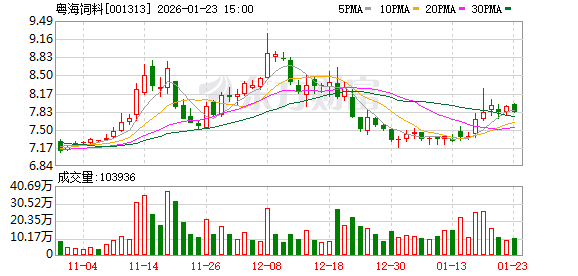
粤海饲料:公司积极布局数据要素领域,已实现关键突破并落地实践
Zheng Quan Ri Bao· 2026-01-23 12:45
Core Viewpoint - The company has made significant advancements in the data asset sector, becoming the first in the national aquaculture industry to obtain a data property registration certificate and successfully launch data products for trading [2] Group 1: Company Developments - The company actively engages in the data element field and has achieved key breakthroughs in practical applications [2] - The self-developed "Customer Credit Risk Assessment Data Product" has received certification from the Guangzhou Data Exchange [2] - The company has transformed data from its ERP system into compliant data assets, enabling precise identification and dynamic management of customer credit risks through three core technologies: dynamic assessment, accurate profiling, and intelligent decision-making [2] Group 2: Industry Impact - The company's initiatives provide a practical example for data assetization in the aquaculture industry [2] - A comprehensive core data system covering research, production, and sales has been established [2] - The company plans to continue exploring market-oriented data elements, promoting innovation in data products and the assetization process, and collaborating with industry partners to build a data space for the aquaculture feed industry [2]


破解价值评估难!粤发布数据知识产权价值评价指南(中国新闻网)
Zhong Guo Xin Wen Wang· 2026-01-23 03:43
据广东省市场监管局1月19日消息,该局近日与国家金融监督管理总局广东监管局联合发布《广东 省数据知识产权价值评价指南(试行)》(以下简称《指南》),为广东省数据知识产权交易运营、质 押融资等活动提供了价值评价参考标准,进一步激活数据要素潜能,推动数据知识产权市场规范化、高 质量发展。 在构建指标体系上,为适配不同类型数据知识产权的特性,《指南》创新性提出成本法、收益法、 市场法、综合法四类评价方法,覆盖数据应用多种场景。其中,成本法聚焦数据采集、加工、管理等全 流程成本核算,收益法侧重未来预期获利能力测算,市场法依托同类交易案例对比修正,综合法则融合 三类方法优势弥补单一评价缺陷。 同时,《指南》配套构建了多维度评价指标体系,细化成本、收益、市场三大类一级指标及对应的 二、三级指标,明确各参数定义与计算标准,为评价工作提供可操作的量化依据。 此外,《指南》还规范了"明确评价事项—订立委托合同—开展价值评价—出具评价报告"的全流程 操作,明确了评价委托方、权利人、评价机构的权责边界,要求评价报告需完整披露数据知识产权基本 信息、评价方法、结果分析等核心内容,配套发布评价指标体系及委托合同参考模板,进一步降低市场 ...
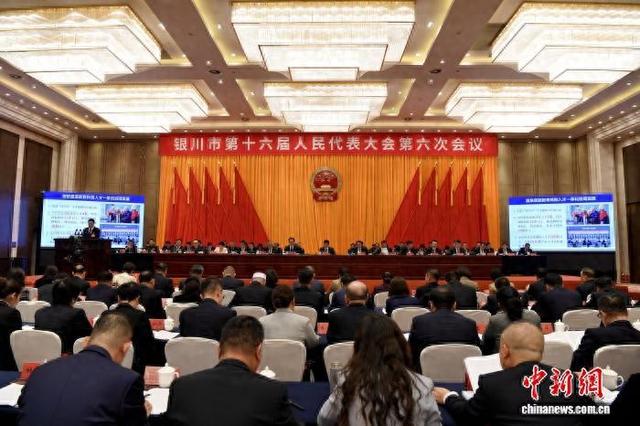
宁夏银川数字经济总量突破1200亿元 全力打造“算力之都”
Xin Lang Cai Jing· 2026-01-22 09:56
Core Insights - Yinchuan's digital economy has reached a total of 120 billion yuan, doubling since the end of the 13th Five-Year Plan, and is transitioning from a "digital pilot" to a "computing power capital" [1][2] Group 1: Digital Economy Development - Yinchuan has implemented policies such as "17 measures for digital transformation" and "12 measures for computing talent" to optimize the digital industry environment, attracting 85% of Ningxia's digital service enterprises [2] - The city has established 9 computing power centers, achieving 100% coverage of gigabit networks, and has launched three national 10-gigabit optical network pilot projects [2] - Yinchuan's AI industry model "Helan Mountain No. 1" has been launched, and the AI application in trade and tourism has been successfully implemented [2] Group 2: Green Development Integration - Yinchuan's renewable energy installed capacity accounts for 54%, making it the largest power source, with energy consumption per unit of industrial added value decreasing by 22% [5] - The number of new energy buses has achieved full coverage, and the ownership of new energy vehicles has increased by 28.5 times [5] Group 3: Future Goals and Innovations - Yinchuan aims to increase its digital economy to 130 billion yuan in the next five years, with the core industry value added accounting for 10% of the regional GDP [5] - The city plans to deepen initiatives in "Artificial Intelligence +" and "Data Elements ×", and to construct new projects such as the Ningxia Computing Power Monitoring and Dispatch Center [5] - Yinchuan will focus on developing specialized models in healthcare and wine, and will implement 20 projects including Turing Town, while fostering 50 typical application scenarios [5]
北京亦庄2亿元激活数据要素价值
Bei Jing Wan Bao· 2026-01-22 00:35
Core Insights - Beijing Economic Development Zone (经开区) is focusing on the data industry, with a total policy implementation scale exceeding 200 million yuan to activate the value of data elements and establish a solid foundation for an artificial intelligence city [1] Group 1: Policy Implementation - The "Data 20 Measures" policy was released last year to support the construction of high-quality data sets, which has recently been implemented for the first time [1] - 20 companies received awards for 38 high-quality data sets, covering key industries such as embodied intelligence, biomedicine, industrial manufacturing, and intelligent connected vehicles [1] Group 2: Industry Development - The Economic Development Zone has been approved as a national pilot area for data industry aggregation and is working to establish the "Yicheng Data Port" as a benchmark for industry aggregation [1] - The ongoing implementation of the "Data 20 Measures" will continue to exceed 200 million yuan, focusing on core areas such as data circulation infrastructure, core technology breakthroughs in the data field, recognition of typical cases of high-quality data sets, and the opening of smart city scenarios [1]
广东:开展公共数据授权运营试点,探索交通数据要素产品化开发
Zheng Quan Shi Bao Wang· 2026-01-21 08:22
人民财讯1月21日电,广东省人民政府办公厅印发《广东省人工智能赋能交通运输高质量发展若干政策 措施》,其中提到,加强交通运输数据供给。以交通行业数字底座建设为引领,深化数据汇聚,强化数 据治理,提升行业数据质量,扩大优质数据供给。构建交通行业数据资源目录体系,推动公路、铁路、 港航、运输等全要素数据标准化、规范化建设。开展公共数据授权运营试点,探索交通数据要素产品化 开发,加快构建智慧路网、智慧养护、数字港航、智慧出行等应用场景高质量数据集,为人工智能能力 提升和应用场景落地提供关键支撑。 ...
资本“利益实质”的数字重构——从“剩余价值独占”到“γ系数争夺”
Jing Ji Guan Cha Bao· 2026-01-21 06:20
Core Insights - The article discusses the transformation of value sources and the restructuring of wealth distribution in the digital age, emphasizing the shift from traditional surplus value (M) to the control of data contribution coefficient (γ) as the new focal point of capital interests [1][11]. Theoretical Foundation - Marx's analysis of capital's profit essence provides a complete system from abstraction to specifics, covering production to distribution [2]. Digital Leap - The digital economy introduces data (D) as a crucial production factor, necessitating an expansion of classical economic formulas to include data's role in value creation and distribution [3]. Evolution of Surplus Value Formula - The surplus value formula evolves to M = α·K + β·L + γ·D, reflecting the significant role of data in enhancing production efficiency and resource allocation [4][6]. Reality of Competition - In the context of platform capitalism, there is a monopolization of the γ coefficient, leading to severe imbalances in profit distribution [7]. Deep-rooted Contradictions - The struggle for the γ coefficient represents a deeper conflict regarding the development path of digital civilization, highlighting economic interests at stake [8]. China's Practical Exploration - China is exploring ways to reconstruct data distribution relationships and promote shared benefits through innovative data property rights systems, such as the "three rights separation" model in Shenzhen [9][10]. Platform Private Ownership and Data Enclosure - Platforms utilize user agreements to claim ownership of user-generated data, leading to a "data enclosure movement" that undermines the rights of data producers [10]. Algorithmic Opacity and Value Transfer - The use of complex algorithms creates a lack of transparency in measuring the contribution of data, allowing platforms to obscure the true value derived from data [10]. Labor Identity Ambiguity - The digital economy blurs the lines between users as laborers and data producers, often resulting in users receiving compensation only for their labor while platforms monopolize data value [10]. Socialization of Production vs. Private Data Ownership - The contradiction between the social nature of data production and its private ownership by platforms leads to wealth concentration and social injustice [10]. Value Creation and Distribution Discrepancy - There is an increasing divergence between value creation (data production by users) and value distribution (platforms monopolizing profits), exacerbating social inequality [10]. Global "γ Colonialism" Risk - Developed countries exploit data resources from developing nations, creating a new center-periphery relationship characterized by "smart colonialism" [10]. Conclusion - The restructuring of capital profit essence in the digital age revolves around the pricing and distribution rights of data, with the struggle for the γ coefficient being central to understanding contemporary digital economic contradictions [11]. Technological Empowerment for Transparent Distribution - Utilizing blockchain and smart contract technologies can create traceable and measurable data value distribution mechanisms, ensuring fair sharing of data contributions [12]. Macro Governance to Guide Benefit Flow - Governments can use tax and industrial policies to redirect data revenue towards public services, promoting a virtuous cycle of development [12].
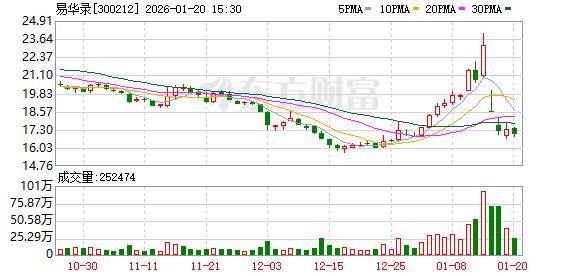
AI浪潮下的“逆行者”?易华录终止人工智能训练资源库等募投项目 称投入产出比低
Sou Hu Cai Jing· 2026-01-20 23:48
Core Viewpoint - The company Yihualu has decided to terminate two major R&D projects related to AI and data storage, citing macroeconomic pressures and strategic shifts as the primary reasons for this decision [2][6]. Group 1: Project Termination - Yihualu announced the termination of its "Super Storage R&D Project" and "AI Training Resource Library and Global Video Perception Service Platform Project" due to low investment progress of 25.22% and 19.77% respectively [2][4]. - The company plans to use the remaining approximately 355 million yuan from these projects to supplement its working capital for daily operations and business development [2][7]. Group 2: Financial Implications - Approximately 79.57 million yuan of the funds intended for working capital is currently under judicial freeze, which poses a challenge for the company in accessing these funds [3][7]. - Yihualu reported a net loss of 535 million yuan for the first three quarters of 2025, with a negative cash flow from operating activities of 216 million yuan, highlighting the urgency of reallocating funds to support daily operations [11]. Group 3: Strategic Shift - The company is undergoing a strategic transition from its traditional data lake business to focus on data elements and smart transportation, which has influenced the decision to halt the projects [6]. - The termination of the projects reflects a response to changing market demands and technological advancements in the AI sector, indicating a need for the company to adapt to new trends [5][6].

亦庄2亿元激活数据要素价值
Xin Lang Cai Jing· 2026-01-20 21:55
Core Insights - The focus of Yizhuang in 2026 will be on the entire data industry chain, with a total policy implementation scale exceeding 200 million yuan to activate the value of data elements and establish a solid data foundation for an AI city [1][2] - High-quality data sets are essential for upgrading AI applications, serving as precise samples for training large models and bridging the gap from general-purpose to industry-specific models [1] - The "Data 20 Measures" policy, launched in 2025, supports the construction of high-quality data sets, with recent awards given to 38 data sets from 20 companies across key industries [1] Group 1 - Yizhuang has been approved as a national pilot area for data industry aggregation, aiming to create a benchmark for the "Yicheng Data Port" industry cluster [2] - The implementation of the "Data 20 Measures" will continue, with a total policy scale exceeding 200 million yuan, covering core areas such as data circulation infrastructure, core technology breakthroughs, and typical case recognition of high-quality data sets [2] Group 2 - The Beijing Economic and Technological Development Zone is a high-level autonomous driving demonstration area, where data support is crucial for the safe operation of autonomous vehicles [1] - Siwei Tuxin Zhijia (Beijing) Technology Co., Ltd. has developed a high-quality autonomous driving data set based on 4D spatiotemporal obstacle detection, pioneering a "4D spatiotemporal + automated closed-loop" model to address data challenges in advanced autonomous driving [1]