
数据产业

Search documents
玄武区: 全力打造一流营商环境新高地
Xin Lang Cai Jing· 2026-02-26 17:40
Group 1 - The core theme of the conference held in Xuanwu District, Nanjing, is to enhance service quality, improve work style, and create a top-tier business environment [1] - The "Action Plan for Optimizing the Business Environment in Xuanwu District 2026" emphasizes a market-oriented, legal, and international business environment, focusing on user and win-win thinking across six dimensions: industrial ecology, service efficiency, rights protection, institutional openness, resource empowerment, and supply-demand matching [2][3] - The plan aims to enhance the resilience and collaborative efficiency of the industrial chain, promoting the development of data industry clusters and establishing benchmark scenarios like "AI + cultural tourism" [2] Group 2 - The newly established Enterprise Comprehensive Service Center will provide full-process support for businesses, from registration to project approval and eventual dissolution, ensuring clarity in procedures and requirements [4] - The "Youth Talent Housing Voucher" policy aims to attract young talents by providing housing subsidies ranging from 30,000 to 150,000 yuan for new home purchases in Xuanwu District, targeting full-time university students [5] - The plan includes 16 practical measures to integrate legal guarantees into the development of an "international vibrant central urban area," reinforcing the legal foundation and injecting legal momentum into urban development [5]
江苏省数据集团向全球发出“英雄帖”——招聘首席数据官
Xin Hua Ri Bao· 2026-02-24 22:40
Group 1 - The core announcement from Jiangsu Data Group is the global recruitment of a Chief Data Officer, a role essential for driving data value and business innovation in the digital economy [1] - The Chief Data Officer will oversee data resource integration, enhance data value, and lead the digital transformation efforts within the company, positioning it as a key player in the digital economy [1] - The recruitment aims to attract a leader with strategic insight and the ability to implement national and provincial data strategies into practical business models, contributing to the sustainable development of the data industry [1] Group 2 - The company emphasizes the need for candidates with cross-industry data development experience, particularly in public data integration, to drive new applications in sectors like healthcare, urban governance, financial services, and low-carbon energy [2] - The recruitment process will focus on the practical data operation skills and industry leadership capabilities of candidates, with competitive compensation and conditions offered to selected individuals [2] - The initiative aims to position Jiangsu as a national leader in the data industry and enhance its competitive edge in the global digital landscape [2]
河北系统推进数据要素市场化配置改革
Xin Lang Cai Jing· 2026-02-23 16:33
Core Viewpoint - Hebei Province aims to enhance data collection, streamline data flow channels, and solidify its digital foundation by 2026, focusing on market-oriented reforms in data elements and expanding high-quality public data supply to convert vast data advantages into competitive development advantages [1] Group 1: Goals and Objectives - By the end of 2026, Hebei Province plans to develop high-quality public data products and services targeting key areas, nurture data businesses and third-party service institutions, and cultivate competitive data industry clusters, with a projected 20% growth in the data labeling industry scale and significant increases in data transaction volume [1] - The province will implement the "Efficient Completion of One Thing" initiative as mandated by the State Council, ensuring all key tasks are executed in Hebei and upgraded to "first-class matters" [1] Group 2: Specific Measures - Establish a data collection system and compile a public data "one table" to guide data supply based on key scenarios, while expanding the data registration scope and ensuring quality control [2] - Extend the "Beijing-Tianjin-Hebei data labeling industry uplift belt" to attract upstream and downstream enterprises in regions like Zhangjiakou and Tangshan, creating a comprehensive mechanism for collecting, reviewing, publishing, and trading high-quality data sets [2] Group 3: Operational Strategies - Fully implement public data authorized operations, formulating scene review and revenue distribution systems to support the development of easily deployable data products [3] - Build a provincial data property registration platform to explore the application of registration certificates in circulation and inclusion in records [4] - Launch a "Data Empowerment 'Artificial Intelligence+'" initiative to promote small-scale project implementations, establishing a "government + enterprise + innovation + investment" nurturing mechanism to strengthen and expand the digital economy [4]
陕西多举措推动数字政务提质增效
Shan Xi Ri Bao· 2026-02-03 00:19
Group 1 - The core viewpoint of the articles emphasizes the high-quality development of data and government services in the province by 2025, focusing on market-oriented allocation of data elements and supporting rapid development of artificial intelligence [1][2] - The efficiency of government services is set to improve through the construction and application of an integrated digital government platform, with initiatives like the "12345 hotline" reform and the launch of 41 "efficient handling of a single matter" cases to enhance public satisfaction [1] - The value of data is being accelerated through actions like the public data sharing initiative, which has added over 100 high-frequency government data resources, and the organization of the "data elements ×" competition, resulting in awards for two cases at the national finals [1] Group 2 - The construction of data infrastructure is being strengthened, with contract transaction amounts reaching 160 million yuan, and cities like Xi'an, Baoji, and Yulin being approved as pilot cities for national data infrastructure development [2] - The provincial data and government service bureau is focusing on the implementation of digital planning for the province, emphasizing scenario construction, integrated applications, and innovation-driven governance to contribute to high-quality development and modernization [2]
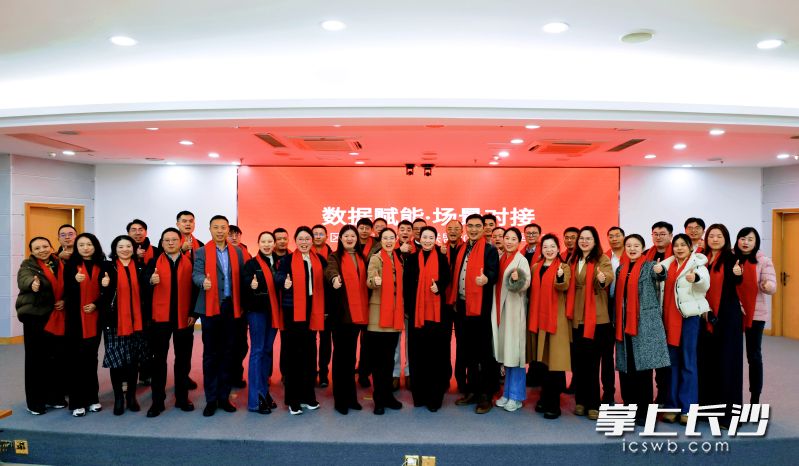
构筑数字经济新高地,天心区数据产业生态联盟迈入实质运营新阶段
Xin Lang Cai Jing· 2026-02-02 12:51
Core Insights - The meeting marked a significant milestone in the development of the Data Industry Ecosystem Alliance, transitioning from formal establishment to substantial operation [2] - The focus has shifted from platform building to deepening scene integration, promoting collaboration among member units and facilitating the implementation of data elements in specific industrial scenarios [2][4] Group 1: Alliance Development - The meeting established the "Alliance Work System," providing a stable framework for deep integration among members [2] - A total of 17 new member units joined the alliance, covering vertical fields such as cybersecurity, smart transportation, new consumption research, and human resources digitization [2] Group 2: Value Realization through Scene Integration - The core of the meeting was a salon discussion focused on "scene integration," where representatives shared cutting-edge practices in data utilization across various layers [3] - The "Enterprise Scene Demand Release" segment highlighted specific business needs and collaboration opportunities, showcasing how ecological co-creation can transform into tangible new productivity [3] Group 3: Strategic Outlook - The alliance's advancement aligns with the strategic goal of the Tianxin District to build a digital economy hub, forming a complete industrial chain from data trading to secure applications [4] - The ecosystem is likened to a tropical rainforest, emphasizing the need for diverse and symbiotic systems to foster innovation and reduce collaboration costs and risks [6] Group 4: Future Vision - The ultimate goal is to transition from "enterprise aggregation" to "ecological co-creation," aiming for "value co-prosperity" [7] - Participants left the meeting with initial cooperation intentions and a clear ecological vision, indicating a promising future for the digital ecosystem [7]

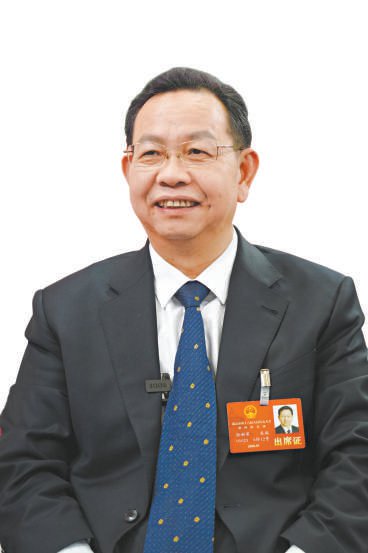
西城区区长郅海杰:做好中轴线申遗“后半篇文章”
Xin Jing Bao· 2026-01-28 04:40
Core Viewpoint - The economic development of Xicheng District during the "14th Five-Year Plan" period has been significant, with a GDP exceeding 600 billion yuan and a focus on high-quality development in the upcoming "15th Five-Year Plan" period [1][2]. Economic Development - Xicheng District's GDP surpassed 600 billion yuan during the "14th Five-Year Plan," with an average annual growth rate of approximately 5.2% [2]. - The district's per capita disposable income remains among the highest in the city [2]. - The financial sector has solidified its role as a stabilizing force, with asset management institutions expected to manage over 21 trillion yuan by 2025, accounting for about half of the city's total and one-eighth of the national total [2]. - The establishment of a national-level financial technology demonstration zone has led to a tax revenue contribution that is 36 times greater than before the relocation of the "Animal Garden Wholesale Market" [2]. Development Goals for the "15th Five-Year Plan" - The district aims to enhance the financial sector's role, improve various financial services, and strengthen the capital market ecosystem centered around the Beijing Stock Exchange [3]. - There is a focus on developing new productive forces, particularly in data industries and artificial intelligence, with plans to create high-energy data industry clusters [3]. - The district will promote domestic demand and openness through various cultural and economic events, enhancing consumer potential [3]. Urban Environment and Cultural Heritage - The successful application for UNESCO World Heritage status for Beijing's central axis presents both an honor and a responsibility for Xicheng, emphasizing the importance of cultural heritage protection and utilization [5]. - Plans include the establishment of two demonstration zones for cultural heritage protection and utilization, with efforts to open historical sites to the public [7]. Urban Renewal and Living Conditions - In the past year, over 1,000 households participated in a rental application program, and 126 old residential areas were renovated, covering 205 million square meters [8]. - The district plans to deepen the "whole courtyard retreat" model, encouraging social capital participation in urban renewal [8]. - There are ongoing efforts to improve urban infrastructure, including the construction of new parking facilities and the enhancement of public transport systems [10]. Environmental Quality - Xicheng achieved a historic low in PM2.5 annual average concentration at 29.3 micrograms per cubic meter, with over 80% of days classified as good air quality [11]. - The district will continue to implement measures to improve air quality and promote green urban development [11].
一把手访谈·基层问政
Xin Lang Cai Jing· 2026-01-26 00:26
Group 1: Dongcheng District Initiatives - Dongcheng District aims to enhance its urban characteristics, emphasizing "capital style, ancient city charm, and modern appearance" [2] - The district will improve the image of central government spaces and strengthen its capacity for international exchanges [2] - A modern industrial system with distinct characteristics of Dongcheng will be developed through a "two axes, two belts, and multiple clusters" spatial layout [2] - Key cultural heritage restoration projects will be initiated, including the renovation of Yongdingmen Tower, Bell Tower, and Tingzhou Guild Hall [2] Group 2: Xicheng District Development Goals - Xicheng District is committed to uniting efforts to achieve a strong start for the "14th Five-Year Plan" and contribute to the modernization of Beijing [4] - The district will enhance its role as a national financial management center and build a financial ecosystem centered around the Beijing Stock Exchange [4] - The cultivation of artificial intelligence and data industries will be accelerated, with a focus on achieving significant outcomes for "China Data Street" [4] - A high-standard national cultural heritage protection demonstration area will be established along the central axis of Beijing [4] Group 3: Chaoyang District Focus Areas - Chaoyang District will focus on enhancing the functions of the "Five Districts" and creating a desirable "Five Happiness" urban area [6] - The Olympic Center area will be developed into a vibrant part of the capital and a world-class international venue [6] - A comprehensive population service system covering all demographics and life stages will be established [6] - The district aims to create a model garden city, balancing development and safety while enhancing community services [6] Group 4: Haidian District Strategic Plans - Haidian District aims to become a source of independent innovation and a hub for emerging industries, supporting the capital's development [8] - An artificial intelligence innovation ecosystem will be fostered through the "Two Zones and One Belt" initiative [8] - The district will optimize functions in the southern region while reinforcing the northern area as a strategic base for high-tech industries [8] - Urban quality will be improved through planning, ensuring that technological innovation, industrial development, spatial optimization, and urban growth progress together [8]
以“最美红墙人”姿态奋进新征程
Xin Lang Cai Jing· 2026-01-26 00:26
Group 1 - The core viewpoint emphasizes the commitment of Xicheng District to modernize and enhance its role as a leading area in the capital, aligning with the city's development goals and cultural heritage [1] - Xicheng District aims to implement measures to support central and national institutions, optimize the "Digital Red Wall" system, and promote urban renewal while preserving historical areas [1] - The district's strategic goals for the 14th Five-Year Plan include achieving a higher level of modernization that is comprehensive, warm, and vibrant [1] Group 2 - Xicheng District plans to enhance its financial management capabilities by establishing a financial ecosystem centered around the Beijing Stock Exchange and hosting high-profile financial events [2] - The district will focus on developing the artificial intelligence and data industries, aiming for significant achievements in the "China Data Street" initiative [2] - Cultural initiatives include creating a national cultural heritage demonstration zone along the Beijing central axis and promoting the integration of culture, commerce, tourism, and sports [2] Group 3 - The district is committed to improving people's livelihoods by implementing new employment policies, enhancing elderly care services, and expanding accessible childcare options [3] - Xicheng District aims to create a healthier and more livable environment, focusing on urban beautification and community well-being [3]
乘势而上加快发展数字经济
Xin Lang Cai Jing· 2026-01-25 19:17
Core Insights - The article emphasizes the importance of transforming digital potential into high-quality development momentum, accelerating the digitalization of industries, and promoting the deep integration of the digital economy with the real economy [1][2] Group 1: Digital Economy as a Growth Engine - The digital economy, characterized by cloud computing, big data, and artificial intelligence, serves as a catalyst for economic and social development, facilitating the transformation and upgrading of traditional industries such as energy, agriculture, and manufacturing [2][3] - Inner Mongolia is positioned as a "green engine" for the national digital economy, leveraging its computational power advantages to drive high-quality economic development [2][4] Group 2: Regional Development and Coordination - Digital technology can effectively break down geographical barriers to information and resource flow, promoting the marketing of local products and enhancing their value [3] - The development of the digital economy is crucial for addressing the imbalances in Inner Mongolia's economic development and fostering coordinated growth across regions [3] Group 3: Advantages of Inner Mongolia in Digital Economy - Inner Mongolia holds a unique position as a national hub for integrated computing networks and big data infrastructure, supported by various policies aimed at promoting digital economic growth [4][5] - The region has seen significant growth in computational power, with capacity increasing from less than 20,000 P to 218,000 P, establishing itself as a key player in the national digital economy [5] Group 4: Infrastructure and Resource Development - Strengthening digital infrastructure is essential for the growth of the digital economy, with a focus on building a robust computing network and enhancing green computing facilities [6] - The region's abundant renewable energy resources, such as wind and solar power, provide a sustainable and cost-effective energy source for data centers, further supporting the digital economy [5][6] Group 5: Integration of Digital and Traditional Industries - There is a need to accelerate the digital transformation of traditional industries, including energy, chemicals, and agriculture, by leveraging cloud computing and data technologies [7] - The promotion of digital applications across various sectors, including e-commerce, logistics, and healthcare, is essential for enhancing the overall digital economy [7] Group 6: Talent and Environment for Digital Economy - Attracting and nurturing talent in the digital field is critical for the development of the digital economy, necessitating the implementation of policies to recruit skilled professionals [7][8] - Creating a favorable business environment through regulatory reforms and support for digital education and training is vital for fostering innovation and growth in the digital economy [7][8] Group 7: Data Security and Future Prospects - Ensuring data security is fundamental to the development of the digital economy, requiring the establishment of robust data protection standards and responsibilities [8] - Inner Mongolia is poised for a golden period of digital economic development, with the potential to create a vibrant and innovative economic landscape [8]
生态共建大会架起杭镇数据产业协同新桥梁 镇江市数据产业集聚区正式启用
Zhen Jiang Ri Bao· 2026-01-23 23:26
Core Viewpoint - The conference held on January 21 in Hangzhou focused on the establishment of the Zhenjiang Data Industry Cluster, aiming to leverage Hangzhou's advantages in digital economy to enhance the efficiency of data flow and promote the upgrade of Zhenjiang's data industry [1] Group 1: Conference Overview - The conference attracted 83 enterprises from Hangzhou and Zhenjiang [1] - The Zhenjiang Data Industry Cluster was officially launched, with several key enterprises signing agreements to settle in the area [1] Group 2: Objectives and Goals - The event aimed to create a "strong magnetic field" for data element aggregation and an "experimental field" for application innovation [1] - The focus was on ecological co-construction to accelerate the gathering and upgrading of the data industry in Zhenjiang [1] Group 3: Presentations and Signings - Various local government departments presented on industrial layout, policy support, talent introduction, and infrastructure development [1] - Seven companies, including Zhenjiang Data Group and Softcom Wisdom, signed agreements to enhance the data industry chain and ecosystem in the cluster [1]