
伊核问题

Search documents
伊朗与欧洲英法德三国26日举行核问题谈判!除讨论解除制裁和核问题外,还将讨论联合国安理会第2231号决议及其未来走向
Ge Long Hui· 2025-08-26 04:02
Group 1 - The Iranian Foreign Ministry spokesperson announced that Iran will hold talks with the UK, France, and Germany on August 26 in Geneva regarding the nuclear issue and other matters [1] - This meeting is a follow-up to the conversation between the Iranian Foreign Minister and the foreign ministers of the UK, France, Germany, and the EU High Representative on August 22 [1] - The discussions will cover the lifting of sanctions, the nuclear issue, and the future direction of UN Security Council Resolution 2231 [1]


国际原子能机构副总干事来访 “伊朗展现政治解决伊核问题意愿”
Sou Hu Cai Jing· 2025-08-12 05:52
Group 1 - The visit of the International Atomic Energy Agency (IAEA) Deputy Director General Massimo Aparo to Iran marks the first high-level engagement since Iran suspended cooperation with the IAEA in June [1] - Iran's Deputy Foreign Minister criticized the IAEA for failing to fulfill its responsibilities during aggressive actions by Israel and the U.S. against Iran, and expressed demands for reforming the IAEA's management procedures regarding Iran's nuclear issues [1][2] - The dialogue between Iran and the IAEA is intended to signal Iran's willingness to resolve nuclear issues through political means, amidst pressures from Europe regarding potential sanctions if no agreement is reached by the end of August [2][5] Group 2 - Iran's parliament's previous decision to suspend cooperation with the IAEA remains in effect, and Iran is currently only engaging in political dialogue without allowing technical inspections of its nuclear facilities [5] - The IAEA must address Iran's core concerns and provide necessary assurances before Iran considers resuming technical cooperation [5] - Egypt is positioning itself as a regional mediator in the current Middle Eastern tensions, reflecting a desire for regional countries to address crises through their own efforts rather than external intervention [8]
伊朗副外长:可限制核活动,但绝不停止铀浓缩
Xin Hua She· 2025-08-11 23:24
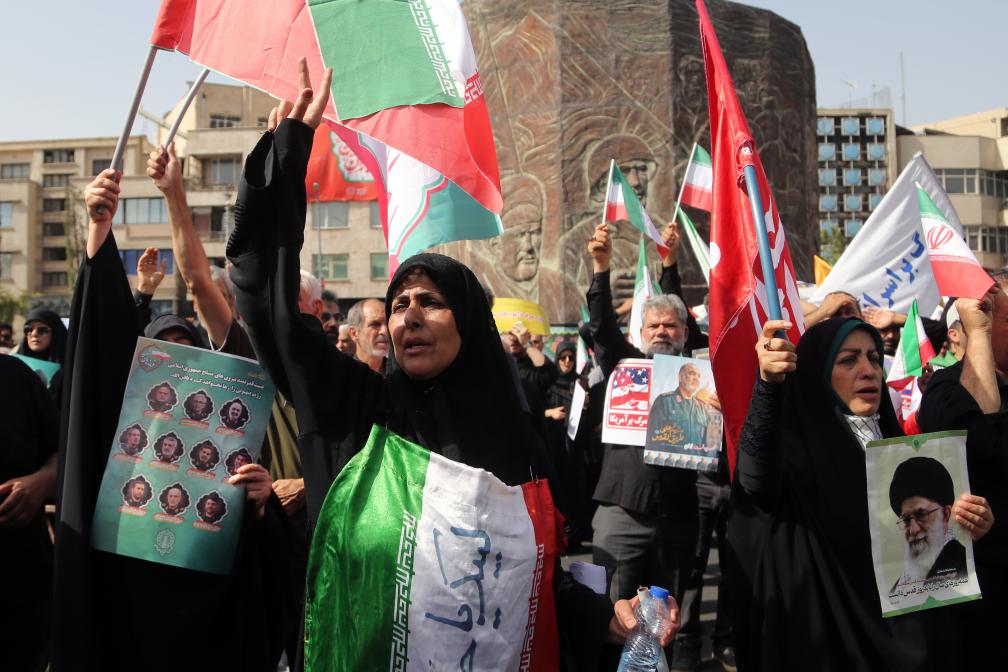
Core Viewpoint - Iran is willing to accept certain limitations on its nuclear program in exchange for the lifting of economic sanctions, but it will not agree to completely halt uranium enrichment activities [1][2]. Group 1: Iran's Position on Uranium Enrichment - Iran can show flexibility regarding its uranium enrichment capabilities and limitations, but it will not agree to stop enrichment entirely, as it is deemed necessary for self-reliance [2]. - The Iranian official emphasized that if the U.S. insists on zero uranium enrichment, no agreement will be reached [2]. Group 2: U.S.-Iran Negotiations and Military Actions - The statement comes amid stalled U.S.-Iran nuclear negotiations, with five rounds of indirect talks held since April, and the sixth round canceled due to Israeli airstrikes on Iran [3]. - Iran asserts that the U.S. must guarantee no further military actions against Iran if negotiations are to continue [3][4]. Group 3: Compensation for Military Strikes - Iran claims it has the right to demand compensation for the damages caused by U.S. airstrikes on its nuclear facilities, although this is not a precondition for future negotiations [4]. - The Iranian official criticized the U.S. for conducting military actions while engaging in negotiations, calling it deceptive [4]. Group 4: Ongoing Diplomatic Efforts - Iran is open to dialogue with the U.S. through intermediaries, but warns of a strong response to any threats from the U.S. [4]. - European nations have warned that if negotiations do not progress by the end of August, they will push for the reinstatement of UN sanctions under the 2015 nuclear agreement framework [4]. Group 5: International Atomic Energy Agency (IAEA) Engagement - A senior official from the IAEA is visiting Iran, marking the first visit since Iran suspended cooperation with the agency in June [5][9]. - Discussions between Iran and the IAEA will focus on a new cooperation framework, with no inspections or visits to nuclear facilities planned during this visit [7].
伊朗外长:若美方坚持“零铀浓缩”则美伊无法达成协议
Xin Hua She· 2025-07-31 15:54
Core Viewpoint - The Iranian Foreign Minister, Zarif, emphasized the need for the U.S. to take concrete trust-building measures to resume negotiations with Iran, stating that a demand for "zero uranium enrichment" would hinder any potential agreement [1]. Group 1: U.S.-Iran Relations - Zarif expressed a deepening trust crisis regarding U.S. President Trump due to U.S. attacks on Iran during negotiations, indicating that the U.S. must explain these actions and ensure they do not recur [1]. - The path to negotiations is described as narrow but not impossible, with Zarif urging the U.S. to seek a "win-win" solution to resolve the long-standing deadlock over Iran's nuclear program [1]. Group 2: Recent Negotiation Efforts - Since April, there have been five rounds of indirect negotiations between the U.S. and Iran concerning the nuclear issue and the lifting of sanctions [1]. - The sixth round of talks, originally scheduled for June 15, was canceled due to an Israeli attack on Iran, during which the U.S. conducted airstrikes on three Iranian nuclear facilities [1].
美国对伊朗实施大规模制裁
第一财经· 2025-07-31 00:54
Core Viewpoint - The article discusses the largest sanctions imposed by the U.S. Treasury Department against Iran since the "maximum pressure" campaign began in 2018, targeting a shipping network controlled by Iranian businessman Mohammad Hossein Shahmohammadi, involving over 50 entities and individuals, as well as more than 50 oil tankers and container ships [1]. Group 1 - The U.S. Treasury's Office of Foreign Assets Control announced sanctions against a shipping network linked to Mohammad Hossein Shahmohammadi, marking the largest sanctions since 2018 [1]. - The sanctioned shipping network is responsible for transporting Iranian and Russian oil, oil derivatives, and other goods globally [1]. - The sanctions also include 20 entities involved in the trade and transportation of Iranian oil and petrochemical products, along with the freezing of 10 vessels [1]. Group 2 - The article references the 2015 nuclear agreement between Iran and several world powers, highlighting the U.S. withdrawal in May 2018 and the subsequent re-imposition of sanctions [1]. - Since April of this year, there have been five rounds of indirect negotiations between the U.S. and Iran regarding the nuclear issue and the lifting of sanctions, with a sixth round canceled due to military conflicts involving Israel [1]. - The U.S. has conducted airstrikes on three Iranian nuclear facilities during the military conflict between Israel and Iran [1].
美国对伊朗实施2018年以来最大规模制裁
Xin Hua Wang· 2025-07-31 00:13
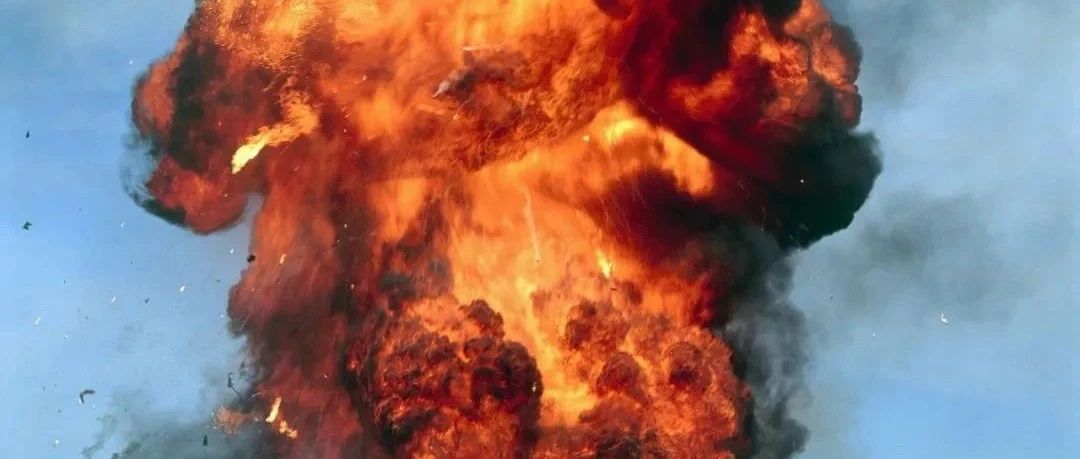
Core Points - The U.S. Treasury's Office of Foreign Assets Control announced sanctions against a shipping network controlled by Iranian businessman Mohammad Hossein Shahriari, involving over 50 entities and individuals, as well as more than 50 oil tankers and container ships [1] - This is the largest scale of sanctions implemented since the U.S. government's "maximum pressure" campaign against Iran began in 2018 [1] - The shipping network is responsible for transporting Iranian and Russian oil, oil derivatives, and other goods worldwide [1] Sanctions Details - The U.S. State Department also announced sanctions against 20 entities involved in the trade and transportation of Iranian oil and petrochemical products, and froze assets of 10 ships [1] - The sanctions are part of a broader context following the U.S. withdrawal from the Iran nuclear deal in May 2018, which led to the reimposition of various sanctions against Iran [1] Negotiation Context - Since April, there have been five rounds of indirect negotiations between the U.S. and Iran regarding the nuclear issue and the lifting of sanctions [1] - The sixth round of negotiations, originally scheduled for June 15, was canceled due to an Israeli attack on Iran [1] - During the military conflict between Israel and Iran, the U.S. conducted airstrikes on three Iranian nuclear facilities [1]
新一轮伊核问题谈判在即 伊朗为何绕开美国与欧洲先谈?
news flash· 2025-07-25 03:05
Core Viewpoint - Iran is set to resume negotiations regarding the nuclear agreement with the UK, France, and Germany in Istanbul, following the recent conflict in the region, indicating a strategic timing for diplomatic engagement [1] Group 1 - The negotiations are taking place on the 25th of the month, highlighting a renewed focus on the nuclear issue [1] - The choice to engage first with the three European countries suggests a calculated diplomatic strategy by Iran [1] - Iran is demonstrating its willingness to negotiate while also emphasizing its principled stance in the discussions [1]
伊核会谈前伊朗亮底线沪金延续跌势
Jin Tou Wang· 2025-07-24 02:29
Group 1 - Gold futures are currently trading around 781.50, with a reported price of 781.48 yuan per gram, reflecting a decline of 1.25% [1] - The highest price reached was 791.22 yuan per gram, while the lowest was 781.26 yuan per gram, indicating a bearish short-term trend for gold futures [1] Group 2 - Iran's Deputy Foreign Minister Kazem Gharib Abadi emphasized the importance of the upcoming meeting with the three European countries, stating that they should not negotiate their positions with the United States [3] - The meeting scheduled for July 25 in Istanbul will focus on Iran's nuclear issues, with Gharib Abadi asserting that European nations must pursue an independent policy [3] - Gharib Abadi warned that if the three European countries decide to reinstate sanctions against Iran, Tehran will respond decisively, indicating that they lack the authority to activate the "snapback sanctions mechanism" established by the UN Security Council [3] - He also mentioned that Iran might consider withdrawing from the Non-Proliferation Treaty (NPT) if sanctions are reinstated, although specific countermeasures are still under careful consideration [3] Group 3 - Key resistance levels for gold futures are identified between 794 yuan per gram and 840 yuan per gram, while important support levels are between 771 yuan per gram and 820 yuan per gram [4]
整理:中东局势跟踪(7月21日)
news flash· 2025-07-20 23:09
Group 1: Gaza Conflict - The Israeli military has issued evacuation warnings and is set to launch a ground offensive in central Gaza, specifically in Deir al-Balah [1] - The Israeli military claims to have killed a Hamas weapons development official [1] - The ongoing Israel-Palestine conflict has resulted in 58,895 deaths in the Gaza Strip [1] - The number of Palestinians killed by Israeli shelling while waiting for aid trucks in northern Gaza has risen to 67 [1] - The Israeli Defense Ministry has signed a 500 million shekel (approximately 150 million USD) agreement to procure hundreds of light vehicles for the Israeli Defense Forces' ground troops [1] Group 2: Other Regional Developments - Iran has agreed to hold a new round of negotiations with three European countries on July 25 [2] - A joint naval exercise between Iran and Russia is scheduled to take place in the Caspian Sea on the 21st [2] - Putin met with a senior advisor to Iran's Supreme Leader to discuss the Iran nuclear issue [2] - The Israeli Prime Minister's office announced that Netanyahu has been diagnosed with intestinal inflammation and will manage affairs from home for the next three days [2] - According to AXIOS, dissatisfaction is rising within Trump's team following Israeli airstrikes in Syria, with claims that Netanyahu is acting irrationally [2]
战后伊朗 硝烟难散
Xin Jing Bao· 2025-07-18 00:40
Core Points - The recent conflict between Israel and Iran, referred to as the "Twelve-Day War," has drawn significant global attention, resulting in thousands of casualties on both sides [1][2][11] - Following the ceasefire, Iran has begun reconstruction efforts to assist those who lost their homes during the Israeli airstrikes, although the nuclear issue remains unresolved and tensions could reignite [2][11] Group 1: Conflict Overview - The conflict lasted from June 13 to June 24, 2023, with Iran reporting over 1,060 deaths and Israel reporting 28 [1][11] - The Israeli military targeted numerous sites related to Iran's nuclear program, leading to significant casualties among Iranian officials and scientists [5][17] Group 2: Aftermath and Reconstruction - Iran has initiated rebuilding efforts, with the government prioritizing housing assistance for those affected by the conflict [11][12] - Reports indicate that over 3,500 homes were destroyed, including 332 in Tehran, necessitating urgent reconstruction measures [11][12] Group 3: Security and Intelligence Issues - Iran's intelligence vulnerabilities were highlighted, with over 700 individuals arrested for espionage during the conflict [6][7] - The Iranian government has intensified its efforts to identify and apprehend spies, reflecting ongoing security concerns [6][7] Group 4: Public Sentiment and Economic Impact - Despite the apparent return to normalcy in Tehran, residents express lingering anxiety and fear of future conflicts, impacting daily life and business operations [12][15] - The emotional toll of the conflict has led to increased anxiety among the population, complicating the recovery process [12][15] Group 5: International Relations and Nuclear Concerns - The conflict has exacerbated tensions surrounding Iran's nuclear program, with ongoing debates about the implications of recent military actions on Iran's nuclear capabilities [17][18] - The future of negotiations regarding Iran's nuclear program remains uncertain, with potential for renewed conflict if diplomatic efforts fail [20]