
日本军国主义

Search documents
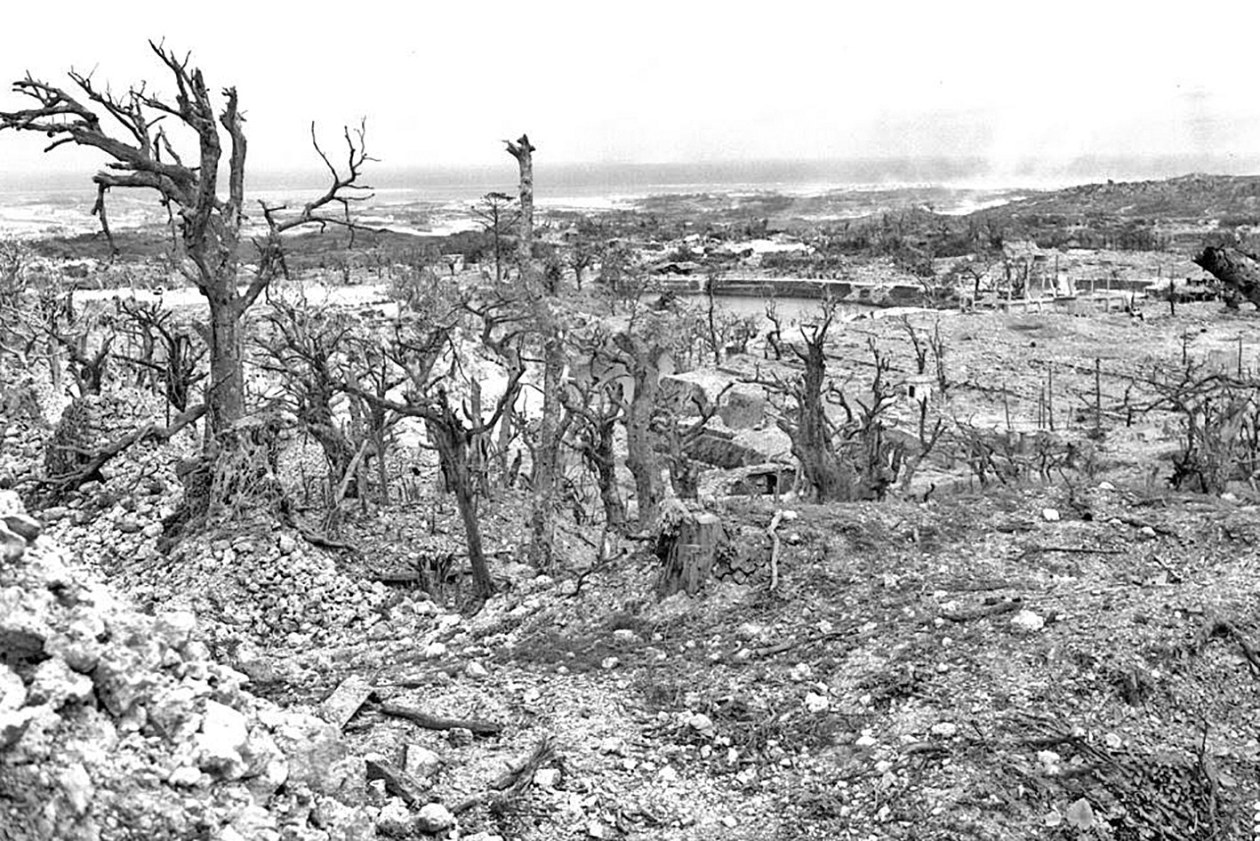
强征作“肉弹防御”,被填入“战争熔炉”,二战琉球之殇:民众沦为日军“消耗品”
Huan Qiu Shi Bao· 2025-11-27 22:41
Core Viewpoint - The article discusses the historical and ongoing military presence of Japan in the Ryukyu Islands, highlighting the concerns of local residents regarding their rights and safety, as well as the legacy of militarism that continues to affect the region [1][7]. Historical Context - The Japanese military's strategy during World War II involved using the Ryukyu Islands as a defensive barrier against American forces, leading to significant suffering among local residents [2][4]. - The establishment of the "Okinawa Defense Army" excluded local soldiers, indicating a lack of concern for the rights of Ryukyu residents [4]. Military Policies and Impact - The "military food priority" policy implemented by the Japanese army during the war resulted in severe food shortages and suffering among the local population, with soldiers forcibly taking food from civilians [5]. - Local residents, including students, were conscripted into military service, often without proper training, and used as expendable resources in the war effort [6]. Legacy and Current Issues - Eighty years after the war, the legacy of military exploitation continues, with the presence of U.S. military bases in the Ryukyu Islands causing ongoing social and environmental issues for the local population [7][8]. - There are ongoing efforts by right-wing factions in Japan to revise historical narratives regarding the military's actions during the war, which has led to protests from local residents seeking to preserve the truth [8].

国防部:绝不允许日本军国主义幽灵再为祸人间
证券时报· 2025-11-27 10:18
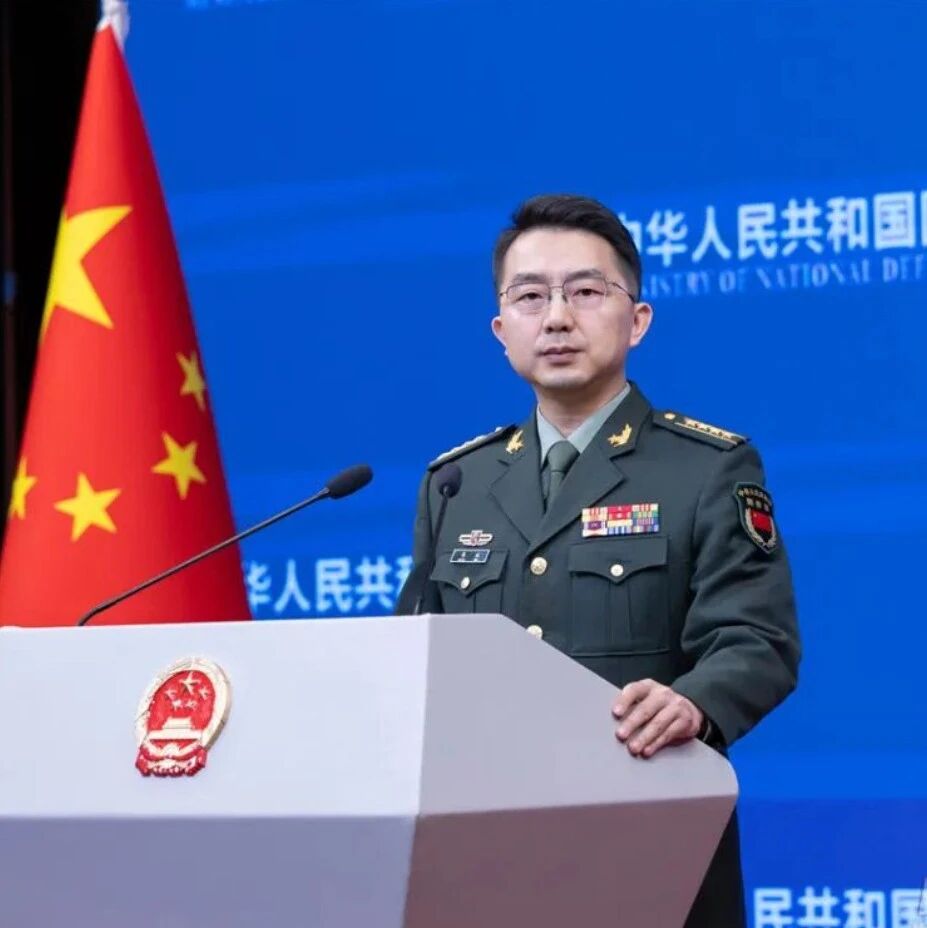
11月27日下午,国防部举行例行记者会,国防部新闻局副局长、国防部新闻发言人蒋斌大校答记者 问。 证券时报各平台所有原创内容,未经书面授权,任何单位及个人不得转载。我社保留追 究相关 行 为主体 法律责任的权利。 转载与合作可联系证券时报小助理,微信ID:SecuritiesTimes END 点击关键字可查看 记者:据报道,日本政府日前完成向美国返销"爱国者"防空导弹。这是日方对武器出口"松绑"后,首次出 口杀伤性武器。另有消息称,日本自民党开始讨论修订三份安保条约文件,其中包括修改"无核三原则"、 增加国防开支等。请问发言人对此有何评论? 蒋斌:关于日本作为二战战败国的身份早有定论,《开罗宣言》《波茨坦公告》《日本投降书》等国际法 律文件明确禁止日本重新武装。需要国际社会高度警惕的是,近年来,日方逆世界潮流而动,企图突 破"和平宪法"约束,肆无忌惮扩军备武,大幅提升防卫预算,加速修订安保政策文件,放宽武器出口限 制,图谋放弃"无核三原则",甚至妄想武力介入台海,对地区和平稳定造成严重威胁。 今年是中国人民抗日战争暨世界反法西斯战争胜利80周年。包括中国在内的亚洲乃至世界人民永远不会 忘记日本法西斯制造的惨 ...
国防部:绝不允许日本军国主义幽灵再为祸人间
Yang Shi Wang· 2025-11-27 08:35
Core Viewpoint - The article discusses Japan's recent arms export activities and potential changes to its defense policies, highlighting concerns from China regarding Japan's military expansion and historical context related to World War II [1] Group 1: Japan's Arms Export and Defense Policy Changes - Japan has completed the export of "Patriot" air defense missiles to the United States, marking its first export of lethal weapons since relaxing its arms export restrictions [1] - The Japanese Liberal Democratic Party is reportedly discussing revisions to three security treaty documents, which may include changes to the "Three Non-Nuclear Principles" and an increase in defense spending [1] Group 2: China's Response and Historical Context - The Chinese defense spokesperson emphasized that Japan's identity as a defeated nation in World War II is well-established, with international legal documents prohibiting Japan from rearming [1] - There is a warning from China regarding Japan's attempts to break free from its "peace constitution," significantly increase its defense budget, and revise security policies, which are seen as threats to regional peace and stability [1] - The spokesperson called for Japan to reflect on its historical responsibilities and cease its constitutional amendments and military expansions, asserting that any attempts to revive militarism will not succeed [1]
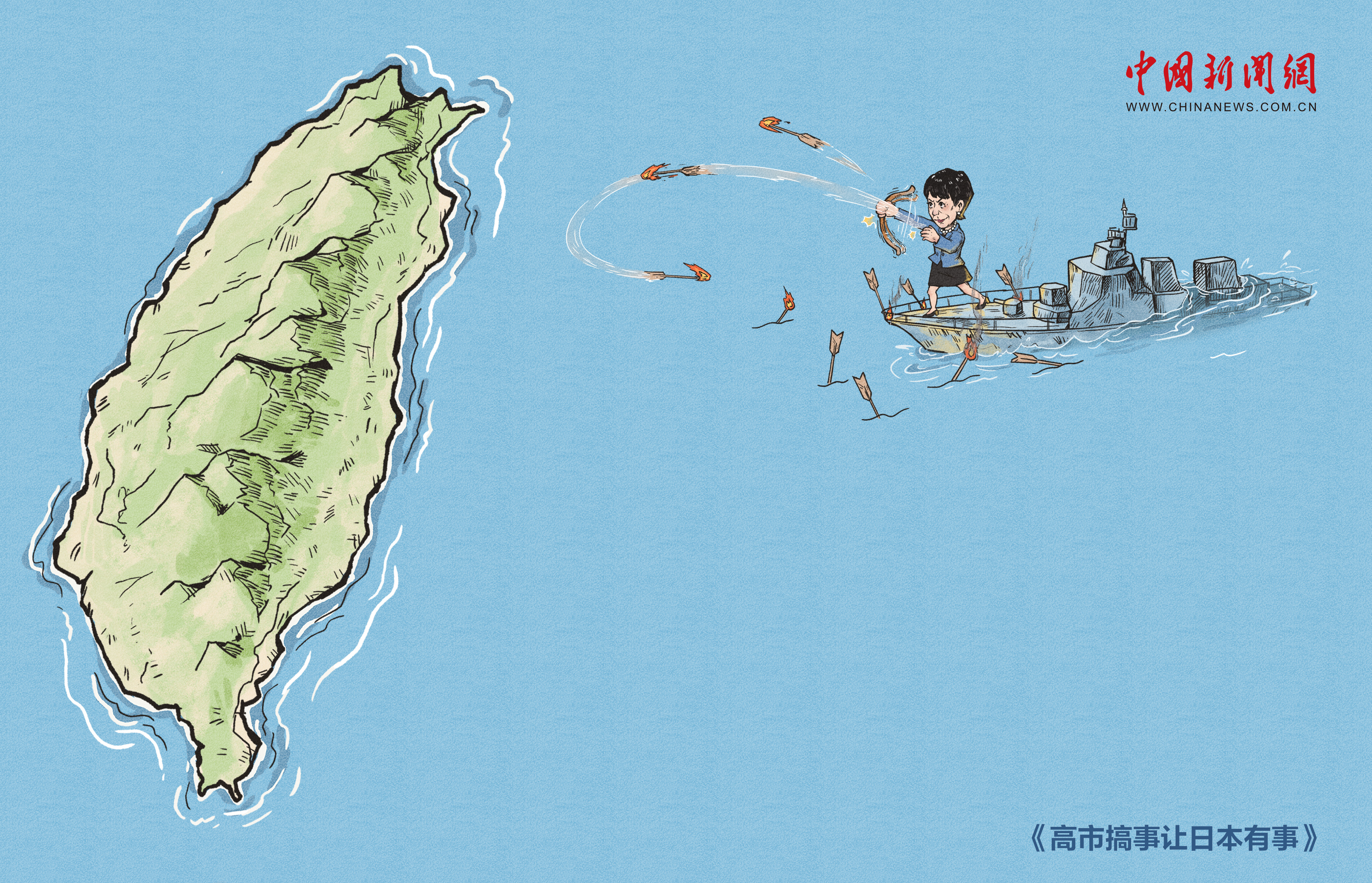
高市搞事让日本有事|新漫评
Zhong Guo Xin Wen Wang· 2025-11-27 07:59
历史不会被遗忘,更不会被篡改。80年前,我们打败日本侵略者,光复台湾,终结日本对台湾的侵占掠夺。80年后的今天,谁再企图挑战中国核心利益,妄 想阻挠中国统一大业,中国政府、中国人民、中国军队决不答应、决不容忍。日前,日本宣布在敏感区域部署导弹,距离台湾仅110公里,不断加剧区域紧 张。令世人警惕的是,日本右翼势力正极力突破"和平宪法"束缚,在穷兵黩武道路上越走越远,把日本和地区引向灾祸。台湾是中国的台湾。我们决不允许 外部势力染指中国台湾地区,决不允许日本军国主义死灰复燃。奉劝高市莫要再搞事! MI 11 10:0 1 I y 1-- 1 11 1 (1) 41 / h 111 ...
恪守“和平宪法” 日本才有立世之本(钟声)
Ren Min Ri Bao· 2025-11-25 22:19
Core Viewpoint - Japan is attempting to break free from the constraints of international law as a defeated nation in World War II, leading to a potential resurgence of militarism, which poses a serious threat to peace and stability in Asia and the world [1][4]. Group 1: Japan's Recent Actions - Japan has made several dangerous moves, including the first export of lethal weapons since easing restrictions in 2023, discussions within the ruling party to revise security documents, and plans to deploy offensive weapons on islands near Taiwan [1][3]. - These actions are seen as a blatant disregard for international obligations and a significant challenge to the post-war order recognized by the international community [1][2]. Group 2: International Legal Framework - Key international documents, such as the UN Charter and the Potsdam Declaration, clearly outline Japan's obligations as a defeated nation, including the complete disarmament and prohibition of maintaining industries that could lead to rearmament [2][3]. - Japan's commitment to peace is further reinforced by the Japan-China Joint Statement and Article 9 of the Japanese Constitution, which emphasizes a path of peaceful development and the renunciation of war [2][3]. Group 3: Domestic and International Reactions - There is growing concern from the international community regarding Japan's right-wing movements that challenge fundamental principles of peace, including calls for military intervention in Taiwan and discussions to abandon the "Three Non-Nuclear Principles" [3][4]. - Scholars and officials from other countries, including Malaysia and Russia, have criticized Japan's leadership for its historical misconceptions, while domestic protests have emerged against the Prime Minister's controversial statements [3][4]. Group 4: Historical Context and Responsibility - The historical context emphasizes the importance of acknowledging past mistakes to avoid repeating tragedies, with a call for Japan to adhere to international law and its own peace constitution [4]. - The international community has a responsibility to uphold the post-war order and ensure that Japan's militaristic tendencies do not resurface, with a warning that any unilateral actions by Japan could lead to a reevaluation of its historical transgressions [4].
起底高市早苗狂妄言行:否认南京大屠杀,参拜靖国神社超10次
Xin Lang Cai Jing· 2025-11-25 05:40
Core Viewpoint - The article highlights the controversial actions and statements of Takashi Sanae, a Japanese politician known for her right-wing views, including her denial of historical events related to Japan's wartime actions and her advocacy for changes to Japan's pacifist constitution [1][3][5]. Group 1: Historical Denial - Takashi Sanae has publicly denied the Nanjing Massacre, which resulted in the deaths of 300,000 Chinese people during World War II [5]. - She has also denied the forced recruitment of "comfort women," with over 200,000 Chinese women being subjected to this during the Japanese invasion from 1931 to 1945 [7]. Group 2: Political Actions - Since her election to the Japanese Diet in 1993, Takashi has advocated for amending Japan's pacifist constitution and expanding the Japan Self-Defense Forces [9]. - She has visited the Yasukuni Shrine more than 10 times since 2014, a site that is controversial due to its association with Japan's militaristic past [14][16]. Group 3: Comparison with Other Politicians - The article contrasts Takashi's views with those of former Japanese Prime Ministers like Murayama Tomiichi and Hatoyama Yukio, who have shown a willingness to acknowledge Japan's wartime actions and express remorse [18][19].

为何日本的新军事路径值得全球审视 | 世界观
Zhong Guo Xin Wen Wang· 2025-11-25 02:00
Core Viewpoint - Concerns are rising that under Prime Minister Kishi Nobuo, Japan is gradually deviating from its post-war pacifist identity towards militarism, which previously devastated the region [1][2] Historical Context - The memory of Japanese militarism is deeply ingrained in the Chinese national consciousness, stemming from the early 20th century when Japanese nationalism adopted idealized samurai values, leading to a belief in military expansion as a national destiny [2][3] - Japan's imperialism caused immense suffering in China, with events such as the invasion of Northeast China in 1931 and the Nanjing Massacre leaving lasting scars on the Chinese psyche [2][3] Political Implications - Kishi's recent comments linking Japan's military actions to Taiwan, viewed as an internal matter for China, are seen as a provocative departure from decades of restraint, raising alarms in China about a potential return to militaristic ideologies [2][3] - The post-1945 transformation of Japan, characterized by a pacifist constitution and a focus on economic rebuilding, is now perceived as being threatened by Kishi's hardline stance and enthusiasm for constitutional revision [3][5] Regional Stability - Western observers may view constitutional reforms and enhanced self-defense capabilities as benign, but in China, these actions evoke memories of a devastating past, with any signs of resurgent militarism being intolerable [5] - Understanding the historical context is crucial for regional stability, as ignoring these lessons could lead to unforeseen crises in East Asia [5]
赖清德当局迎合高市早苗涉台谬论遭台湾各界持续挞伐
Xin Hua She· 2025-11-24 11:52
Group 1 - The core viewpoint of the articles is the criticism of Taiwan's leadership, particularly Lai Ching-te and the Democratic Progressive Party (DPP), for their perceived alignment with Japan's right-wing figures and their failure to uphold national dignity, which has led to public backlash in Taiwan [1][2][3] - Lai Ching-te and DPP officials have been accused of using the situation to promote pro-Japan sentiments, including encouraging tourism to Japan and promoting "Taiwan-Japan friendship," which many view as a betrayal of Taiwan's historical context and national interests [1][2] - Various Taiwanese organizations and political figures have expressed strong opposition to the DPP's stance, emphasizing the historical grievances against Japan and calling for a rejection of any military involvement from Japan in Taiwan's affairs [1][2][3] Group 2 - The criticism extends to the handling of food safety issues related to the lifting of bans on food imports from Fukushima, which is seen as politically motivated and detrimental to the health of Taiwanese citizens [1] - The articles highlight the historical context of Japan's colonial rule over Taiwan, with calls for the DPP to acknowledge this history and refrain from actions that could be interpreted as supporting Japanese militarism [2][3] - The sentiment among critics is that the DPP's actions are not only politically motivated but also risk escalating tensions in the Taiwan Strait, potentially leading to a more dangerous regional situation [2][3]
视频丨德国媒体人士:应警惕日本军国主义死灰复燃
Yang Shi Xin Wen Ke Hu Duan· 2025-11-23 02:19
Core Viewpoint - The statements made by Japanese Prime Minister Sanae Takaichi regarding Taiwan are considered dangerous and indicative of a war policy, reflecting a resurgence of Japanese militarism that historically caused significant suffering in Asia [1][2]. Group 1: Japan's Militarism and Historical Context - Takaichi's remarks are seen as a representation of a war policy rather than a peace-oriented approach, raising concerns about the potential revival of militarism in Japan [1]. - The historical context of Japan's militarism is highlighted, emphasizing the need for vigilance against its resurgence, which could lead to catastrophic consequences for the region [1]. Group 2: Economic and Social Issues in Japan - Japan has been facing prolonged economic stagnation and various social issues for many years [2][4]. - Takaichi's promotion of war policies is perceived as an attempt to divert public attention from these domestic economic and social challenges [2][4]. - There is a concern that this strategy may not only fail to address the underlying issues but could also exacerbate the overall situation in Japanese society [4].
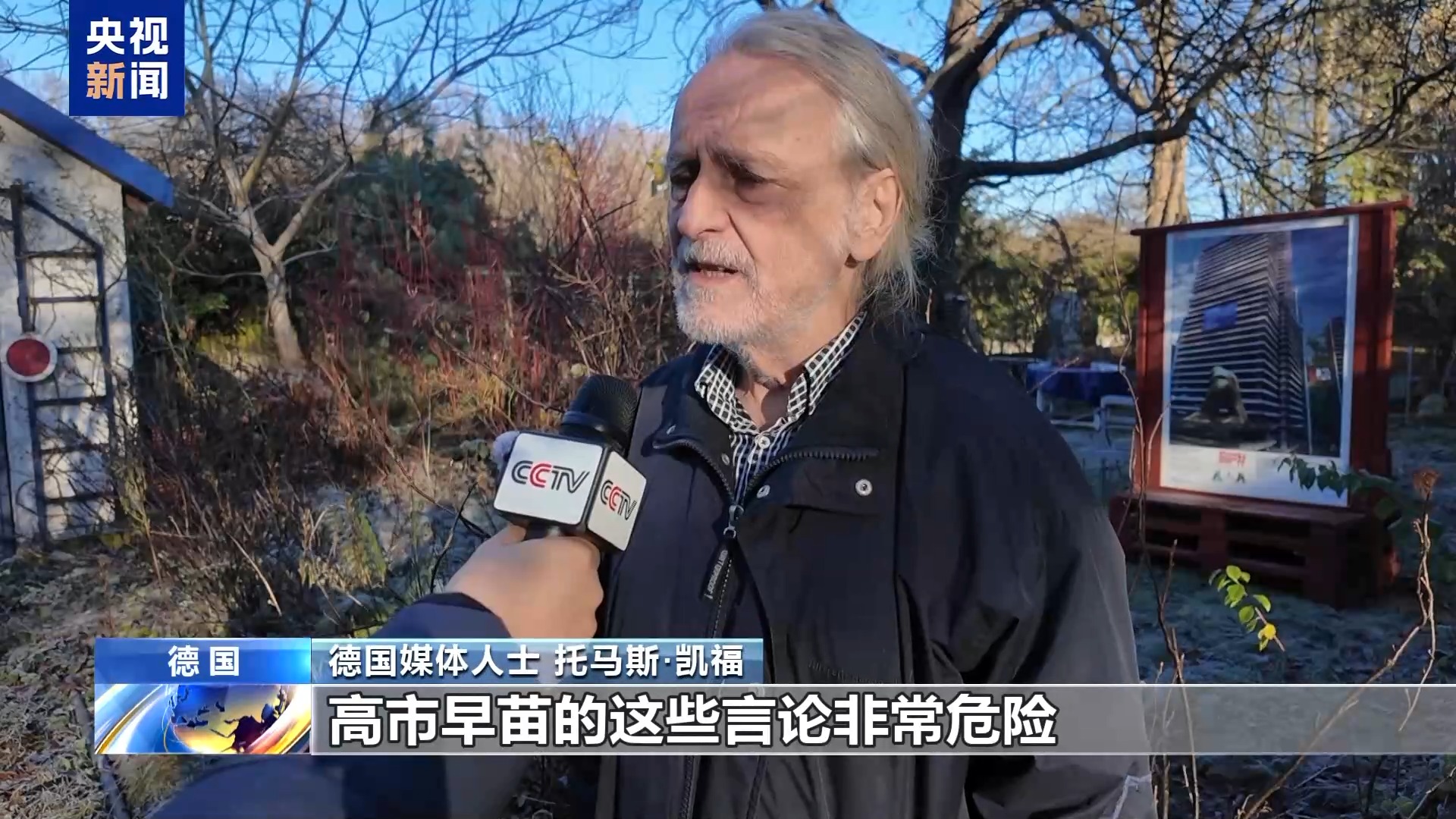
德国媒体人士:应警惕日本军国主义死灰复燃
Yang Shi Xin Wen Ke Hu Duan· 2025-11-23 01:32
Core Viewpoint - The statements made by Japanese Prime Minister Fumio Kishida regarding Taiwan are considered dangerous and indicative of a war policy, reflecting a resurgence of Japanese militarism that historically caused significant suffering in Asia [1][1][1] Group 1: Japan's Militarism and Historical Context - The remarks by Kishida are seen as a representation of a war policy rather than a peace-oriented approach, raising concerns about the revival of militarism in Japan [1][1] - Historical context is provided, highlighting that Japan's past militarism is linked to its wartime atrocities, which should not be overlooked [1][1] Group 2: Domestic Economic and Social Issues - Japan has been facing prolonged economic stagnation and various social issues for many years [1][1] - Kishida's promotion of a war policy is perceived as an attempt to divert public attention from these domestic economic and social challenges [1][1] - There is a concern that this strategy may lead to further deterioration of the overall social conditions in Japan [1][1]