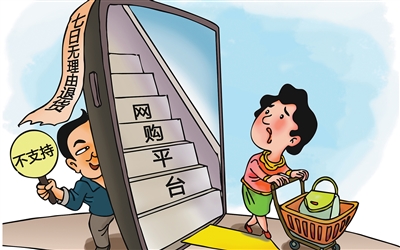
七日无理由退货

Search documents
退货无理由不等于无条件
Jing Ji Ri Bao· 2026-01-29 00:54
Core Viewpoint - The "seven-day no-reason return" policy is being misused by a minority of consumers, leading to negative impacts on businesses and the market environment [1][2]. Group 1: Misuse of Return Policy - Some consumers are abusing the return policy by returning items that have been used or damaged, such as performance costumes with stains and clothing with personal items still attached [1]. - The original intent of the policy was to address the inability of consumers to physically experience products when shopping online, providing them with a reasonable "right of regret" [1]. Group 2: Regulatory Challenges - There is a lack of clear definitions regarding what constitutes "difficult to restore" conditions for returned items, leading to speculative behavior among consumers [2]. - Some platforms exhibit regulatory imbalances, imposing stricter standards on businesses while allowing consumers more leniency, which indirectly encourages dishonest return practices [2]. Group 3: Need for Rule Refinement - The current market environment has changed significantly, necessitating the refinement of rules and strengthening of constraints to ensure that the "no-reason" aspect of the policy aligns with its original intent [2]. - Establishing clear boundaries of rights and responsibilities is essential for maintaining trust in online shopping and promoting the healthy development of e-commerce [2].
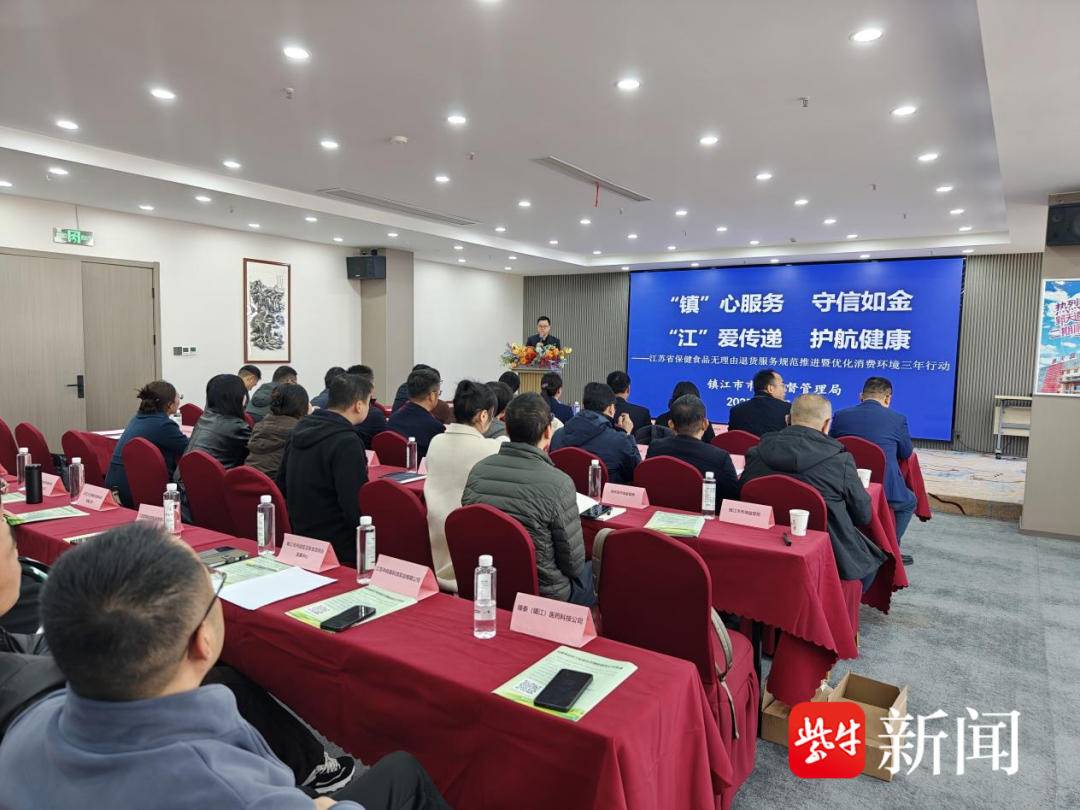
保健食品线下无理由退货有团标了
Yang Zi Wan Bao Wang· 2025-11-29 09:31
Core Viewpoint - The initiative launched in Zhenjiang aims to enhance consumer protection and create a trustworthy market environment for health food products through the implementation of a "seven-day no-reason return" policy [1][3]. Group 1: Policy Implementation - The "seven-day no-reason return" mechanism is designed to provide consumers with a "cooling-off period," thereby increasing shopping confidence and promoting rational consumption [3]. - The initiative is part of a broader three-year action plan to optimize the consumer environment, as outlined by multiple government departments in Jiangsu Province [1][3]. Group 2: Industry Participation - Over 50 representatives from health food manufacturers, large supermarkets, chain pharmacies, and community stores participated in the event, signing commitment letters to implement the "seven-day no-reason return" policy across various sales channels [5]. - A representative from a chain pharmacy emphasized the importance of public commitment to no-reason returns as a means of accountability and service improvement [8]. Group 3: Regulatory Framework - The Jiangsu Provincial Market Supervision Administration is working to establish a new governance model for food safety that includes government guidance, association advocacy, corporate commitments, and industry self-discipline [10]. - This initiative aims to regulate the health food market, enhance consumer confidence, and create new growth opportunities for the local economy [10].

网上“买买买”,权益保护要跟上(法治聚焦)
Ren Min Ri Bao· 2025-06-16 22:13
Core Viewpoint - The rapid development of online consumption has raised higher demands for improving consumption models, enhancing consumption efficiency, and protecting consumer rights [2] Group 1: Online Consumption and Consumer Rights - Online shopping has become a significant way for consumers, emphasizing the need for trust and comfort in transactions [2] - The Supreme People's Court has released typical civil cases related to online consumption to address new issues and respond to public concerns [2] Group 2: Case Study on Live Streaming Marketing - A case involved a seller who misrepresented the material of a bracelet during a live stream, leading to a court ruling that the seller must honor a "fake compensation ten times" promise, resulting in a compensation of 10,000 yuan [3][4] - The ruling highlights the importance of accountability in live streaming marketing, where consumer trust is heavily influenced by the host's claims [4] Group 3: Ticket Purchase and Refund Policies - A case regarding concert ticket refunds revealed ambiguities in refund rules, where a consumer was partially refunded despite the platform's unclear terms [6][7] - The court ruled in favor of the consumer, emphasizing that ambiguous terms should be interpreted in a way that protects consumer rights [6][7] Group 4: Return Policies for Online Purchases - A case involving a handbag purchase showed that a seller's refusal to accept a return based on unclear terms was deemed invalid, leading to a full refund for the consumer [8][9] - The ruling reinforced the seven-day no-reason return policy, ensuring consumers can make purchases with confidence [9]