不良生活习惯

Search documents
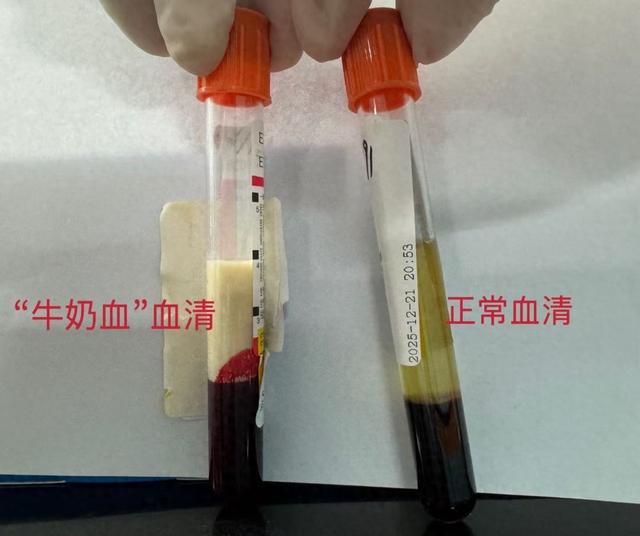
抽出牛奶血!男子胰腺一夜之间“濒临崩溃”!医生提醒:年轻人正在被“偷袭”
Xin Lang Cai Jing· 2026-01-16 10:50
Core Insights - The article discusses a case of a 33-year-old male patient diagnosed with acute severe pancreatitis, linked to a history of binge eating and previous pancreatitis [1][4] - The condition known as "milky blood" or chylemia is highlighted, characterized by a dangerously high level of triglycerides in the blood, which can lead to severe health issues [2][4] Group 1: Medical Condition and Symptoms - The patient presented with severe abdominal pain, rapid breathing, and increased heart rate, which were critical indicators for the medical staff [1] - Chylemia occurs when triglyceride levels exceed 11.3 mmol/L, significantly above the normal threshold of 1.7 mmol/L, resulting in a milky appearance of the blood [2] Group 2: Risk Factors and Demographics - There is a growing trend of pancreatitis affecting younger individuals, becoming an "invisible killer" among this demographic [4] - High-risk groups include those with irregular eating habits, high-fat diets, family history of metabolic diseases, and those neglecting blood lipid management despite previous pancreatitis [5] Group 3: Prevention and Recommendations - Regular monitoring of blood lipids and glucose levels is advised, especially for younger individuals who may mistakenly believe they are immune to health issues [5] - Recommendations include limiting intake of high-fat, high-cholesterol, and high-sugar foods, avoiding alcohol, and maintaining a healthy lifestyle to manage weight and stress [5]

年纪轻轻也会得冠心病?哪些习惯在悄悄“伤害”心脏血管?
Xin Lang Cai Jing· 2026-01-07 17:13
Core Viewpoint - Coronary heart disease (CHD) is increasingly affecting young people, previously thought to be a condition primarily for older adults, raising concerns about the lifestyle habits contributing to this trend [1][2]. Group 1: Definition and Symptoms of Coronary Heart Disease - CHD, also known as coronary atherosclerotic heart disease, occurs when the coronary arteries become hardened, narrowed, or blocked, leading to insufficient blood supply to the heart [2]. - Typical symptoms include chest pain, shortness of breath, and fatigue, with severe cases potentially resulting in angina or myocardial infarction [2]. Group 2: Reasons Young People Develop Coronary Heart Disease - Unhealthy dietary habits, such as the consumption of fast food high in fats and sugars, are prevalent among young people, increasing cholesterol levels and accelerating arterial hardening [3]. - Sedentary lifestyles due to changes in work and leisure activities lead to decreased physical fitness and increased cardiovascular disease risk, particularly for those sitting for more than 8 hours a day [3]. - High levels of stress from work, studies, and life can lead to increased blood pressure and heart rate, negatively impacting heart health [3]. - Smoking and excessive alcohol consumption are common among young people, contributing to arterial hardening and increased risk of CHD [4]. - Insufficient sleep and irregular sleep patterns can weaken the immune system and increase the burden on the heart, raising the likelihood of heart disease [4][5]. Group 3: Habits That Harm Heart Health - High mental stress from work and academic pressures can exacerbate heart conditions, making stress management crucial for heart health [5]. - Ignoring bodily signals and neglecting regular health check-ups can prevent early detection of potential heart issues [5]. - Prolonged use of electronic devices and lack of physical activity can lead to poor cardiovascular health, increasing the risk of CHD [6]. - Irregular eating habits, such as binge eating and excessive snacking, can lead to high blood lipids and obesity, further harming heart health [6]. - Poor sleep quality significantly affects heart health, with studies indicating that those with chronic sleep deprivation have a higher risk of cardiovascular diseases [6]. Group 4: Recommendations for Heart Health - Reducing intake of oils, salts, and sugars while increasing consumption of fruits, vegetables, whole grains, and Omega-3 fatty acids is advised [7]. - Regular physical activity and weight management are essential for maintaining heart health [7]. - Stress reduction techniques, such as relaxation training and meditation, can help alleviate heart strain [7]. - Maintaining a regular sleep schedule with 7-8 hours of quality sleep is crucial for recovery and heart health [7]. - Regular cardiovascular check-ups are recommended, especially for those with a family history or high-risk factors [7].
青少年也会得痛风?这些诱因要警惕
Yang Shi Xin Wen· 2025-12-08 03:37
Group 1 - The core issue of hyperuricemia is a metabolic disorder caused by purine metabolism, with an increasing prevalence of gout among younger populations, indicating a need for attention to abnormal uric acid levels in adolescents [1] - A case study highlights a 19-year-old diagnosed with gout due to a uric acid level of 589 μmol/L, attributed to poor lifestyle choices such as lack of exercise and excessive consumption of sugary drinks [2][3] - Medical professionals indicate that the rise in gout cases among young people is linked to unhealthy dietary habits, lack of physical activity, and other negative lifestyle factors [3][5] Group 2 - The normal fasting blood uric acid levels are defined as above 420 μmol/L for males and above 360 μmol/L for females, categorizing levels above these thresholds as hyperuricemia [7] - For children under 15 years, a blood uric acid level exceeding 357 μmol/L is typically classified as hyperuricemia [9]