
心脏健康

Search documents
年纪轻轻也会得冠心病?哪些习惯在悄悄“伤害”心脏血管?
Xin Lang Cai Jing· 2026-01-07 17:13
Core Viewpoint - Coronary heart disease (CHD) is increasingly affecting young people, previously thought to be a condition primarily for older adults, raising concerns about the lifestyle habits contributing to this trend [1][2]. Group 1: Definition and Symptoms of Coronary Heart Disease - CHD, also known as coronary atherosclerotic heart disease, occurs when the coronary arteries become hardened, narrowed, or blocked, leading to insufficient blood supply to the heart [2]. - Typical symptoms include chest pain, shortness of breath, and fatigue, with severe cases potentially resulting in angina or myocardial infarction [2]. Group 2: Reasons Young People Develop Coronary Heart Disease - Unhealthy dietary habits, such as the consumption of fast food high in fats and sugars, are prevalent among young people, increasing cholesterol levels and accelerating arterial hardening [3]. - Sedentary lifestyles due to changes in work and leisure activities lead to decreased physical fitness and increased cardiovascular disease risk, particularly for those sitting for more than 8 hours a day [3]. - High levels of stress from work, studies, and life can lead to increased blood pressure and heart rate, negatively impacting heart health [3]. - Smoking and excessive alcohol consumption are common among young people, contributing to arterial hardening and increased risk of CHD [4]. - Insufficient sleep and irregular sleep patterns can weaken the immune system and increase the burden on the heart, raising the likelihood of heart disease [4][5]. Group 3: Habits That Harm Heart Health - High mental stress from work and academic pressures can exacerbate heart conditions, making stress management crucial for heart health [5]. - Ignoring bodily signals and neglecting regular health check-ups can prevent early detection of potential heart issues [5]. - Prolonged use of electronic devices and lack of physical activity can lead to poor cardiovascular health, increasing the risk of CHD [6]. - Irregular eating habits, such as binge eating and excessive snacking, can lead to high blood lipids and obesity, further harming heart health [6]. - Poor sleep quality significantly affects heart health, with studies indicating that those with chronic sleep deprivation have a higher risk of cardiovascular diseases [6]. Group 4: Recommendations for Heart Health - Reducing intake of oils, salts, and sugars while increasing consumption of fruits, vegetables, whole grains, and Omega-3 fatty acids is advised [7]. - Regular physical activity and weight management are essential for maintaining heart health [7]. - Stress reduction techniques, such as relaxation training and meditation, can help alleviate heart strain [7]. - Maintaining a regular sleep schedule with 7-8 hours of quality sleep is crucial for recovery and heart health [7]. - Regular cardiovascular check-ups are recommended, especially for those with a family history or high-risk factors [7].
带着坏情绪吃饭很伤心脏
Xin Lang Cai Jing· 2025-12-25 16:21
Core Insights - Emotional eating increases the risk of diastolic dysfunction of the heart by 38% [1] Group 1: Emotional Impact - Negative emotions such as stress, anxiety, anger, and sadness put the brain in a state of stress, leading to increased synthesis of glucocorticoids and glucose consumption [1] - These emotional states result in heightened appetite and a tendency to consume more high-calorie foods [1] Group 2: Health Consequences - Binge eating may provide temporary relief from stress but has long-term negative effects, including obesity, endocrine disorders, and hyperlipidemia [1] - These health issues ultimately impact heart health [1]
牢记“护心五部曲” 温暖过冬不“伤心”
Xin Lang Cai Jing· 2025-12-22 02:51
Core Viewpoint - The article emphasizes the increased risk of heart health issues during winter, particularly for individuals with pre-existing conditions, and provides a "Five Steps to Protect the Heart" guide to help mitigate these risks [1][2][3] Group 1: Heart Health Risks - Winter temperatures lead to a significant rise in the probability of acute heart conditions such as coronary heart disease and myocardial infarction [1] - Specific at-risk groups include those with diagnosed coronary heart disease, hypertension, diabetes, hyperlipidemia, and individuals with a family history of heart disease [1] Group 2: Five Steps to Protect the Heart - **Step 1: Dress Warmly** - Emphasizes the importance of keeping the head and feet warm to reduce heat loss and maintain stable blood pressure [1] - **Step 2: Maintain a Regular Routine** - Advises avoiding early morning activities and suggests exercising in the sun to reduce cardiovascular risks [2] - **Step 3: Eat a Balanced Diet** - Recommends low-salt, low-fat meals, increased fruit and vegetable intake, and avoiding overly hot foods [2] - **Step 4: Exercise Moderately** - Suggests gentle aerobic activities like brisk walking and tai chi, ensuring that exercise is not overly strenuous [2] - **Step 5: Follow Medical Advice** - Stresses the importance of adhering to prescribed medications and regular health monitoring [2] Group 3: Recognizing Heart Attack Symptoms - Highlights critical symptoms of a heart attack, such as chest pain, radiating pain to the left arm or back, and accompanying symptoms like sweating and nausea [2] - Urges immediate action by calling emergency services if these symptoms occur, emphasizing the importance of timely intervention [2]
运动减肥也可能“失灵”?权威Nature子刊深度解析
GLP1减重宝典· 2025-12-04 04:10
Core Viewpoint - The article discusses a recent study published in *Nature Communications* that challenges the effectiveness of exercise as a weight loss strategy, particularly in the context of high-fat diets, highlighting potential negative impacts on heart health and lipid metabolism [6][7][11]. Group 1: Study Overview - The research involved dividing mice into normal diet (10% fat) and high-fat diet (60% fat) groups, further categorized into sedentary and various exercise intensity groups (low, medium, high) over an 8-week period [8]. - Mice in the exercise groups ran on a treadmill for 60 minutes, five days a week, at speeds of 6, 12, and 18 meters per minute [8]. Group 2: Effects of Exercise on Heart Health - Moderate-intensity exercise was found to exacerbate heart function impairment and pathological changes caused by high-fat diets, including decreased cardiac diastolic and systolic function, increased heart hypertrophy, and fibrosis [9]. - High-fat diet sedentary mice showed decreased exercise performance, and moderate-intensity exercise further reduced performance in high-fat diet mice, while normal diet mice showed little change [9]. Group 3: Lipid Metabolism Insights - Moderate-intensity exercise increased lipid accumulation in the hearts of high-fat diet mice, with elevated levels of triglycerides, diacylglycerols, ceramides, and cholesterol [10]. - The study indicated that moderate-intensity exercise led to a redistribution of circulating lipids from the liver and adipose tissue to the heart, increasing the presence of labeled fatty acids in the heart [10]. - Gene and protein expression analyses revealed that moderate-intensity exercise enhanced the expression of genes related to fatty acid uptake while reducing those related to fatty acid breakdown, leading to increased lipid accumulation and impaired heart function [10]. Group 4: Conclusion and Recommendations - The findings suggest that relying solely on exercise after high-fat meals may not be effective for weight management and could harm heart health [11]. - A balanced approach combining appropriate dietary choices with suitable exercise regimens is recommended for healthy weight loss [11].

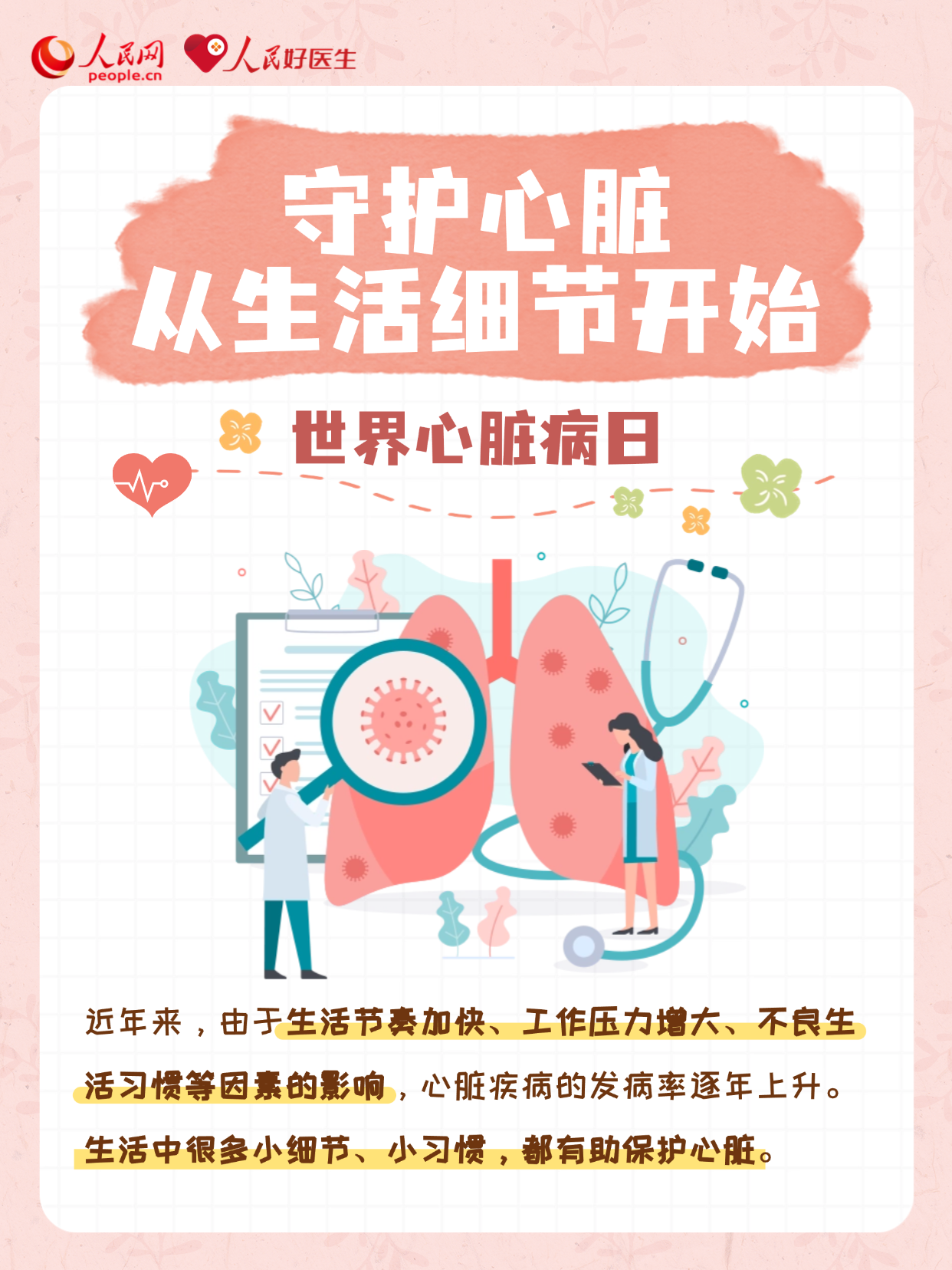
世界心脏病日:守护心脏 从生活细节开始
Ren Min Wang· 2025-09-28 02:42
Core Theme - The 26th World Heart Day on September 29, 2025, focuses on the theme "Don't Miss a Beat," aiming to raise public awareness about heart health and promote preventive actions against cardiovascular diseases [1] Dietary Recommendations - A diet low in unhealthy foods is recommended, with a daily salt intake of 5 grams to help control blood pressure and reduce fluid retention [3] - Emphasis on a diet rich in fruits, vegetables, low-fat dairy, whole grains, and plant-based proteins, with a variety of 12 different food types daily and the inclusion of one egg per day [3] - Daily intake of 25 to 30 grams of dietary fiber from sources like grains, legumes, vegetables, and fruits is advised [4] Energy and Nutrient Intake - It is recommended to reduce daily energy intake by 30% to 50% or limit it to 1000 to 1500 kcal [5] - Macronutrient distribution should consist of 20%-25% protein, 20%-30% fat, and 45%-60% carbohydrates [4] Physical Activity Guidelines - At least 150 minutes of moderate-intensity physical activity per week is suggested, along with a goal of walking 6000 steps daily [5] - Engaging in 75 minutes of vigorous-intensity exercise weekly, complemented by two strength training sessions, is recommended [6] Alcohol and Stress Management - High blood pressure patients are advised to limit alcohol intake, with men not exceeding 25 grams and women 15 grams per day [6] - Managing stress through adequate sleep (7-8 hours daily) and relaxation techniques like meditation is encouraged [7] Regular Health Monitoring - Regular checks of blood sugar and lipid levels are essential, with dietary and lifestyle adjustments made based on medical advice [8]
12款天然饮料 助你喝走坏胆固醇
Bei Jing Qing Nian Bao· 2025-06-11 08:18
Core Viewpoint - Beverages play a significant role in managing health, particularly in regulating cholesterol levels, which is crucial for heart health [1] Group 1: Health Benefits of Specific Beverages - Green tea is rich in antioxidants, particularly catechins, which can lower LDL cholesterol levels and improve overall heart health [2] - Black tea contains theaflavins, which effectively reduce LDL cholesterol and improve arterial function [3] - Oat milk, rich in beta-glucans, helps lower cholesterol by binding to it in the gut [4] - Red wine, when consumed in moderation, contains resveratrol that lowers LDL cholesterol and increases HDL cholesterol [5] - Pomegranate juice is high in antioxidants and can lower LDL cholesterol while improving blood flow [6][7] - Tomato juice, rich in lycopene, can lower LDL cholesterol and enhance cardiovascular health [8] - Soy milk contains isoflavones that help reduce LDL cholesterol levels [9][10] - Cranberry juice is effective in lowering LDL cholesterol and improving vascular function [11][12] - Beetroot juice, high in nitrates, can lower LDL cholesterol and enhance blood flow [13] - Dark chocolate drinks, made from high-quality cocoa, are rich in flavonoids that lower LDL cholesterol [14] - Orange juice contains hesperidin, which can lower LDL cholesterol and improve vascular health [15] - Ginger tea has bioactive compounds that help lower LDL cholesterol and triglycerides [16]