与时俱进

Search documents
知名经济学家盘和林:2025是创新年,希望2026年是个创新应用落地年|请回答2025
Sou Hu Cai Jing· 2025-12-10 04:16
Group 1 - The core viewpoint is that China has become increasingly powerful, transitioning from looking up to developed countries to a position of strength where it can influence global trade and economic negotiations [3] - In 2025, China is expected to be a year of innovation, while 2026 is anticipated to be a year where innovative applications are implemented [2][6] - The rapid advancement of technology in China is leading to societal changes, with a shift from traditional stability to a more fast-paced, urgent environment [4] Group 2 - The key term for 2025 is "革故鼎新" (reform and innovation), emphasizing the need for continuous learning and adaptation in the face of rapid technological changes [5] - There is a concern that while many technological innovations exist, they often lack practical application and user demand, highlighting the importance of aligning technology with market needs [6] - The expectation for 2026 is that more conceptual technologies will be integrated into real-world applications, bridging the gap between innovation and practical use [6]


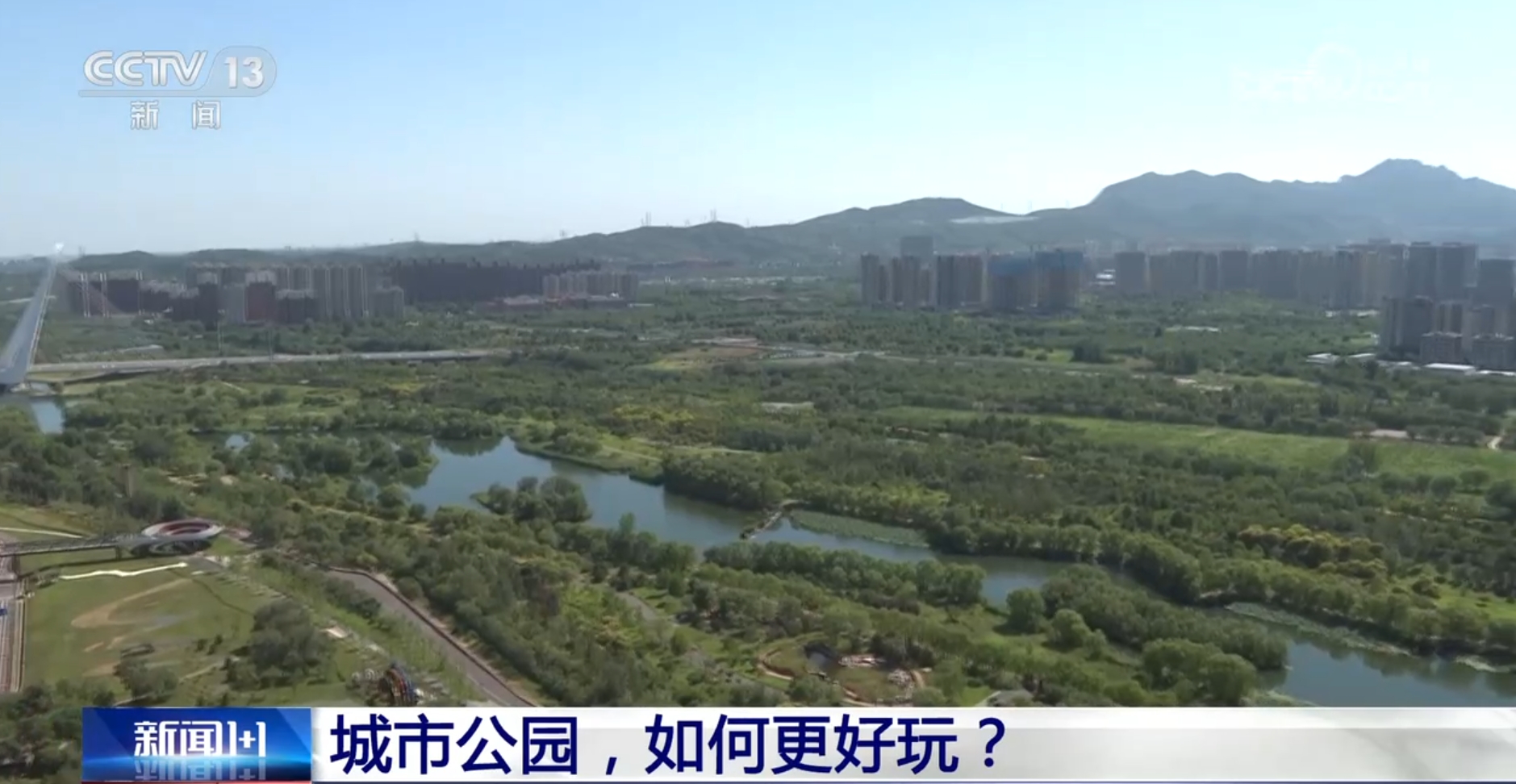
新闻1+1丨城市公园,如何更好玩?
Yang Shi Wang· 2025-08-28 22:28
Core Viewpoint - The recent draft of the "Beijing Park Regulations (Revised Draft for Public Consultation)" aims to address both new and old issues faced by citizens in urban parks, reflecting a shift towards integrating public needs into park development [1][3]. Group 1: Key Concepts from the Draft - The draft highlights five key concepts: - Garden City: Beijing has completed a special plan for a garden city, and the park regulations are based on this framework [3]. - City-Park Integration: Emphasizes the need for parks to be more open and integrated with urban life, allowing diverse public access [3]. - Age-Friendly: Parks should cater to all age groups, ensuring inclusivity for children, youth, adults, and the elderly [3]. - Public Participation: Park management should involve the entire community, making it a collective responsibility [3]. - Keeping Up with the Times: Parks must evolve with societal changes and public demands to remain relevant and beneficial [3]. Group 2: Urban Park Regulation Trends - Many cities are revising park-related regulations simultaneously, indicating a broader consensus driven by urban renewal needs [4][6]. - Urban renewal is a national strategy, and the development of parks is a crucial part of this initiative, reflecting a shift towards more refined governance focused on public welfare [6]. Group 3: Marketization in Park Management - Introducing market-oriented factors into park management could enhance their functionality and sustainability [7][9]. - The focus should shift from mere management to governance and operation, allowing parks to generate their own resources for maintenance and development [9].