专业化服务

Search documents
三大粮食作物化肥利用率提升
Ren Min Ri Bao Hai Wai Ban· 2026-01-05 04:18
Core Insights - The Ministry of Agriculture and Rural Affairs of China reported that by 2025, the fertilizer utilization rate for major crops such as wheat, corn, and rice is expected to reach 43.3%, an increase of 3.1 percentage points from 2020 [1] Group 1: Fertilizer Utilization Rate - The fertilizer utilization rate is a critical indicator of agricultural efficiency, reflecting how effectively fertilizers are used in crop production [1] - The increase in fertilizer utilization rate signifies advancements in scientific fertilization practices, which are essential for ensuring food production capacity and promoting sustainable agricultural development [1] Group 2: Fertilizer Application Trends - In 2024, the total application of agricultural fertilizers in China is projected to be 49.88 million tons, a reduction of 1.034 million tons (17.2%) from 2015, while grain production increased by 6.9% during the same period [2] - The improved fertilizer utilization rate contributes to cost savings in agricultural inputs, with a 1 percentage point increase in utilization rate equating to a reduction of 56,500 tons of urea and approximately 1.1 billion yuan in costs [2] Group 3: Factors Supporting Increased Utilization - The promotion of soil testing and tailored fertilization techniques has been fundamental in enhancing fertilizer utilization rates, with over 2.3 billion acres of land covered by these practices [3] - The "Three New" integrated model, which includes new fertilization technologies, products, and equipment, has significantly contributed to the increase in fertilizer efficiency [3] - The use of organic fertilizers and other alternatives has also played a role in improving nutrient efficiency, with over 650 million acres of organic fertilizer application expected by 2025 [4] Group 4: Professional Services and Policy Support - The development of specialized fertilization service organizations, with over 17,000 currently operating, has been crucial in implementing scientific fertilization practices effectively [4] - The Ministry of Agriculture and Rural Affairs aims to strengthen the management of fertilizer and water resources, enhance policy guidance, and promote legislative support for scientific fertilization practices [4]
“躺赚”时代结束,大型物业公司进入差异化发展深水区
第一财经· 2025-12-16 13:18
Core Viewpoint - The property management industry is undergoing significant transformation in 2025, shifting from traditional service models to asset management and specialized operational strategies to enhance profitability and service differentiation [3][6]. Group 1: Industry Trends - Property management companies are evolving from basic service providers to asset operators, focusing on creating diverse revenue streams through innovative service models [3][6]. - The industry is moving away from homogeneous competition towards differentiated development based on core competencies, emphasizing the need for specialized and vertical service offerings [3][6]. Group 2: Company Strategies - Poly Property has introduced the "All-Domain Scenic City" model, integrating property services with cultural tourism to create new profit models [3][6]. - Wanwu Cloud is transitioning from traditional property management to asset services, utilizing AI and low-carbon solutions to enhance operational efficiency and tenant satisfaction [7][8]. - Country Garden Services is concentrating on basic services, particularly in managing old residential communities, addressing common issues such as outdated facilities and low resident satisfaction [11][12]. Group 3: Case Studies - Poly Property's management of the Xichong scenic area has transformed it from a simple tourist spot into a comprehensive experience destination, increasing secondary consumption by 78% within six months [5][6]. - Wanwu Cloud's "Ling Stone 3.0" solution has improved operational efficiency significantly, achieving a 95% increase in inspection efficiency at certain projects [8][9]. - Country Garden Services has implemented various value-added services in old communities, such as community retail and home maintenance, to create sustainable revenue streams [12][13].


南京医疗器械产业园:以专业化服务构筑 产业创新发展新优势
Jiang Nan Shi Bao· 2025-08-04 05:44
Core Insights - The Nanjing Medical Device Industrial Park is rapidly emerging as a key driver for high-quality regional economic development and innovation in the medical device industry [1] Group 1: Industrial Park Overview - The industrial park covers an area of 7.78 square kilometers and has attracted nearly 200 medical device companies, forming a comprehensive ecosystem that integrates research and development, production, sales, testing, and services [1] - The park is a collaborative project between the Jiangsu Provincial Drug Administration and the Gaochun District Government, leveraging its unique location and a complete industrial platform [1] Group 2: Specialized Service Platforms - The park has established a "one-stop, one-room, eight-center" public technical service platform to provide full lifecycle services for enterprises, from product development to market sales [2] - The Jiangsu Provincial Drug Administration's Gaochun Workstation, as the first of its kind in the province, has significantly shortened the product launch cycle for companies through precise guidance and proactive support [2] Group 3: Innovation and Support Services - The Gaochun Testing Laboratory offers professional testing and technical guidance, assisting companies like Jiangsu Chunsu Medical Technology Co., Ltd. in meeting industry standards and ensuring compliance [3] - The park promotes digital innovation and has established centers for sterilization and waste disposal to ensure regulatory compliance across the production process [3] Group 4: Financial and Talent Support - The park has introduced financial products like the "Chunxin - Medical Device Enterprise Loan" to support businesses in different growth stages, helping companies secure necessary funding for operations [4] - A talent cultivation system has been developed in collaboration with local universities to align educational programs with industry needs, ensuring a steady supply of skilled professionals [4] Group 5: Market Expansion and Product Integration - The park has successfully integrated 20 products into the Nanjing Medical Insurance Support List for Innovative Biopharmaceutical Products, with significant application across nearly 40 medical institutions in the city [5] - An international service platform has been established to assist companies in expanding their global market reach [5] Group 6: Industry Growth and Future Outlook - The Nanjing Medical Device Industrial Park has grown from fewer than 30 companies in 2019 to nearly 200 today, with over 600 product registration certificates issued [6][7] - The park has achieved an annual revenue growth rate exceeding 20% for its enterprises, showcasing the effectiveness of its specialized services in overcoming industry development challenges [7] - The park aims to continue optimizing its service system, promoting the industry towards higher-end, intelligent, and international standards, establishing a model for industrial innovation [7]
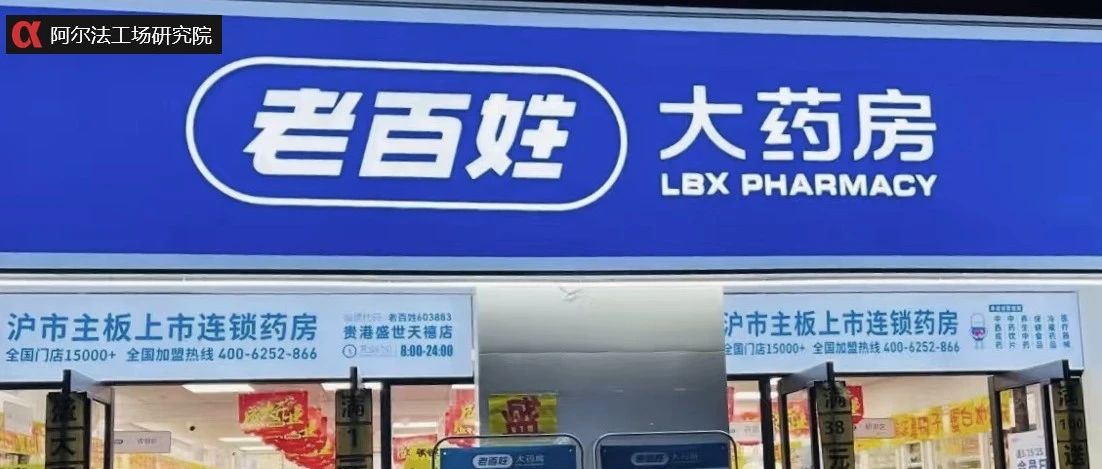
老百姓大药房4.4亿减持,揭开连锁药店的“虚火”与真相
阿尔法工场研究院· 2025-05-15 03:47
Core Viewpoint - The retail pharmacy industry is facing significant challenges, including profitability imbalance, increased compliance costs, and competition from new business models, leading to an impending industry reshuffle [1][22]. Financial Performance - The major retail pharmacy chain, Lao Bai Xing Pharmacy, announced a substantial share reduction plan of up to 22.8 million shares, amounting to 440 million yuan, following a report showing a decline in revenue and net profit by 0.36% and 44.13% respectively [2][4]. - The top six listed retail pharmacy chains have experienced a slowdown in revenue growth, with most reporting single-digit growth rates in 2024, and net profits declining by 20% to 240% year-on-year, except for Yi Feng Pharmacy which saw an 8% increase [4][5]. Industry Trends - The "ten thousand store era" has seen a rapid increase in the number of retail pharmacies, with over 39,000 closures expected in 2024, indicating a saturated market [5][6]. - The average revenue per square meter for Lao Bai Xing Pharmacy has decreased from 59.2 yuan/square meter in 2020 to 47 yuan/square meter in 2024, highlighting the pressure on profitability due to high competition [6][8]. Regulatory Environment - The suspension of new approvals for medical insurance designated pharmacies has limited growth opportunities for chains reliant on this model, with Lao Bai Xing having 9,158 such stores, covering 93.03% of its direct stores [10][11]. - Increased regulatory scrutiny and compliance costs are further straining the operational efficiency of retail pharmacies [8][10]. Strategic Shifts - Retail pharmacies are attempting to diversify their product offerings beyond pharmaceuticals to include health products, beauty items, and other non-pharmaceutical goods, but face challenges in establishing competitive advantages in these mature markets [12][14]. - The shift towards a more professional health service model is seen as a potential core competitive advantage for retail pharmacies in the future [14][20]. Competitive Landscape - The competition is no longer limited to traditional pharmacies but includes supermarkets, beauty stores, and B2C platforms, necessitating a transformation in business models [20][21]. - The industry is expected to undergo a reshuffle, with those who can effectively transition to diversified, professional, and online models likely to capture the next wave of growth [21][22].