
专利侵权

Search documents
影石刘靖康:大疆起诉我们,完全能理解巨头被抢市场的心态
凤凰网财经· 2026-03-23 11:58
Core Viewpoint - The CEO of YingShi, Liu Jingkang, asserts that the patents involved in the lawsuit are the result of the company's internal innovation and expresses confidence in responding to the legal challenges posed by GoPro and DJI. He highlights the competitive nature of the market and the similarities between their products and those of competitors [1][3]. Group 1 - YingShi has filed numerous patent applications, some of which involve former DJI employees, indicating a strategic approach to innovation [3]. - The company acknowledges the lawsuits from GoPro and DJI as understandable reactions from larger companies facing market share loss, while also noting that many features of DJI's products have been reported as remarkably similar to theirs [3]. - Last year, YingShi's analysis revealed that DJI's patents overlap with 11 hardware/structure, 8 software methods, 6 control methods, and 3 accessory patents, yet YingShi has not initiated any lawsuits against them [3]. Group 2 - YingShi prioritizes research and development over legal battles due to limited resources, focusing on differentiated innovation to expand market share and provide consumers with more choices [3]. - The market has seen an overall growth of over 80%, with new players entering and increasing their sales, while YingShi achieved its highest revenue growth in Q4 of the previous year [3]. - Despite the legal challenges, YingShi invested over 10 million USD to successfully defend against the GoPro lawsuit, reflecting their commitment to protecting their legal rights [3].

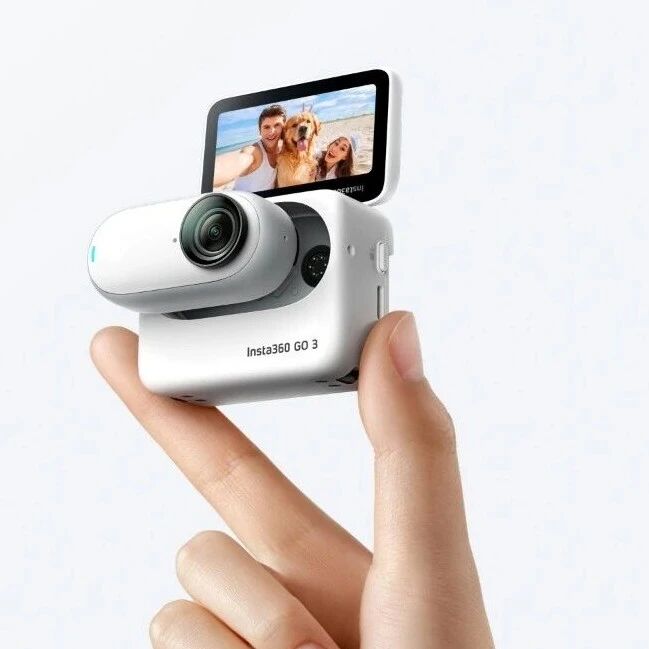
Moderna (MRNA) Climbs 16% as Arbutus-Genevant Legal Battle Clears
Yahoo Finance· 2026-03-05 01:00
Core Viewpoint - Moderna Inc. has resolved a four-year legal dispute regarding patent infringement related to its lipid nanoparticle (LNP) delivery technology, resulting in a significant stock price increase of 15.99% to $57.80 [1]. Group 1: Legal Settlement Details - Moderna has agreed to pay a total of $2.5 billion to Arbutus Biopharma Corporation and Genevant Sciences GmbH to settle the LNP patent infringement case, with $950 million to be paid as a lump sum in Q3 and the remaining $1.3 billion contingent on the outcome of its appeal [2]. - The legal issue involved allegations that Moderna used Arbutus and Genevant's LNP technology for its Spikevax and mRESVIA vaccines without permission [4]. - If Moderna prevails in its appeal, no further payments will be required; however, if liability is affirmed, an additional payment of up to $1.3 billion will be due within 90 days of the decision [5]. Group 2: Financial Implications - Moderna expects to record charges of $950 million in the first quarter related to the settlement and anticipates ending the year with cash and cash equivalents between $4.5 billion and $5 billion [6].

影石创新科技股份有限公司关于美国国际贸易委员会对公司开展337调查的最终裁决结果公告
Shang Hai Zheng Quan Bao· 2026-02-27 21:45
Core Viewpoint - The final ruling from the U.S. International Trade Commission (ITC) confirmed that the company did not infringe on several patents claimed by GoPro, allowing the company to continue importing and selling its products in the U.S. without restrictions [3][4]. Group 1: Investigation Progress - On March 29, 2024, GoPro filed a complaint with the ITC alleging that the company and its U.S. subsidiary infringed on its intellectual property [1]. - The ITC's preliminary ruling on July 11, 2025, indicated that only a portion of the company's products fell under one of GoPro's design patents, and the company’s new design was not infringing [2]. - The final ruling on February 26, 2026, confirmed that three of GoPro's invention patents were invalid or not infringed, and the company’s new design did not infringe on the remaining design patent [3][4]. Group 2: Company Response and Legal Actions - The company established a special task force to prepare defense strategies and developed a new design that was confirmed by the ITC as non-infringing [5]. - The company has also initiated a patent infringement lawsuit against GoPro in China to protect its rights [6]. Group 3: Impact on the Company - The ITC's investigation did not materially affect the company's production or operations, and the company can continue its business activities in the U.S. without interruption [4][6]. - A parallel lawsuit filed by GoPro in California was suspended and will resume following the conclusion of the ITC investigation, with uncertain outcomes [6].

向宇树科技索赔8000万元 原告公司拿专利5天后发起诉讼
Xi Niu Cai Jing· 2026-02-25 06:30
Group 1 - The Supreme People's Court criticized the plaintiff, Lu Company, for its "calculating and capricious" behavior in a patent infringement case involving the "electronic dog" patent [2] - Lu Company filed a lawsuit in 2025 against Yushu Technology, claiming that its "Gox" robotic dog infringed on its patent titled "an electronic dog" [3] - Yushu Technology denied the infringement, stating that its product did not include key technical features from the disputed patent, such as "liquid level sensor," "gas sensor," and "color-changing bionic fur" [3] Group 2 - The Hangzhou Intermediate People's Court ruled in September 2025 that Yushu Technology did not infringe on the patent and dismissed all claims from Lu Company [3] - After losing in the first instance, Lu Company appealed to the Supreme People's Court, which upheld the original ruling [3] - The Supreme Court noted that Lu Company's business scope was unrelated to smart robotics, focusing instead on pre-packaged food and daily necessities, and that it initiated the lawsuit shortly after acquiring the patent [3]

宇树科技被诉专利侵权案二审宣判:被诉产品不落入涉案专利保护范围,不构成侵权
Qi Cha Cha· 2026-02-25 02:34
Core Viewpoint - The Supreme People's Court ruled in favor of Yushu Technology, dismissing all claims from Luweimei regarding patent infringement, confirming that the accused products do not fall under the protection of the disputed patent [1] Group 1: Case Background - Luweimei filed a lawsuit against Yushu Technology in July 2022, claiming that Yushu profited from patent infringement amounting to tens of millions of yuan [1] - The first-instance court ruled against Luweimei on September 26, 2022, rejecting all claims [1] - Luweimei appealed the decision, but the second-instance court upheld the original ruling, emphasizing Luweimei's inconsistent claims regarding compensation amounts [1] Group 2: Legal Proceedings - During the first-instance trial, Luweimei presented evidence showing that Yushu's sales of the accused products amounted to approximately 78.28 million yuan, with a projected sales figure of at least 118 million yuan for 2024 [3] - Luweimei initially requested 80 million yuan in compensation but later adjusted this amount to 500 yuan, which the court criticized as an attempt to evade high litigation costs [1][3] - Luweimei also filed another lawsuit against Yushu on September 19, 2025, regarding a different product, claiming further patent infringement [3]
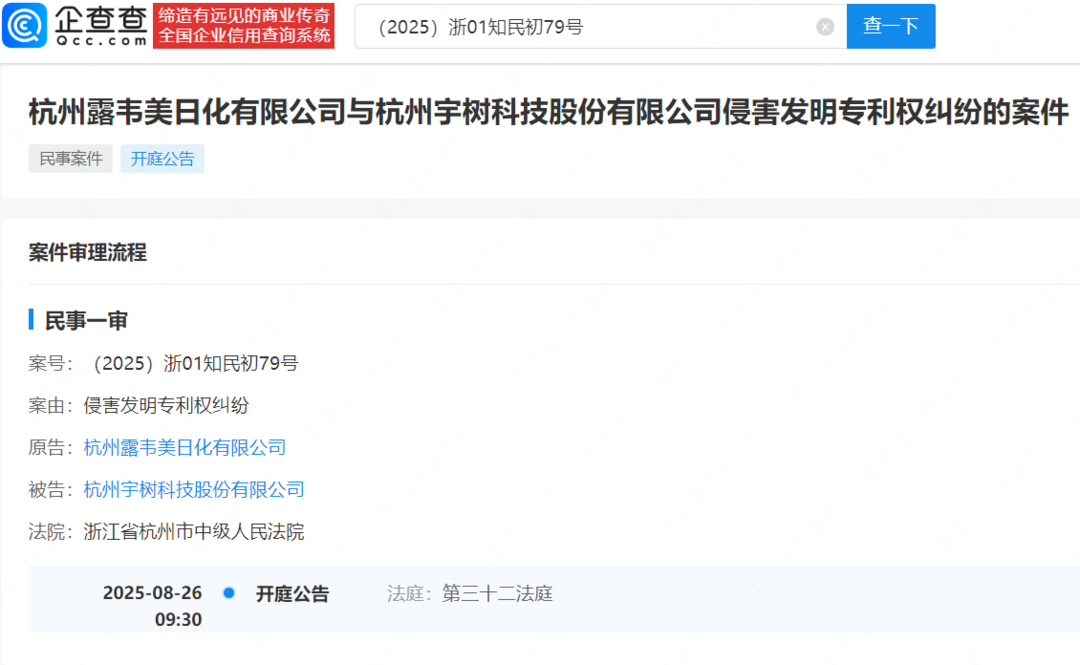
锂电龙头遭狙击,7万吨产线或将停产?
起点锂电· 2026-02-10 05:20
Group 1 - The core viewpoint of the article highlights the multiple challenges faced by Rongbai Technology, a leading company in the lithium battery ternary material sector, including performance losses, domestic regulatory investigations, and overseas patent infringement disputes [2] Group 2 - Rongbai Technology's subsidiary, Jaese Ningwon, is facing a temporary injunction application from LG Chem, claiming patent infringement related to key technologies in cathode materials [4][5] - If the injunction is granted, Jaese Ningwon's production line of 70,000 tons, sufficient for supplying cathode materials for approximately 700,000 electric vehicles, will be halted, significantly impacting Rongbai Technology's overseas operations [5][6] - Rongbai Technology asserts that its products do not infringe on LG Chem's patents and is actively defending its rights through legal channels [6] Group 3 - In the domestic market, Rongbai Technology has been fined 9.5 million yuan due to misleading statements related to a major contract with CATL, which raised regulatory concerns [8][12] - The contract involves supplying 3.05 million tons of lithium iron phosphate cathode materials, estimated to exceed 120 billion yuan in sales, but the company has limited capacity in this area, leading to a significant production gap [9][11][12] - The company has acknowledged that the previously announced sales figures were based on market estimates and not guaranteed, resulting in a disclosure flaw [12] Group 4 - Rongbai Technology is projected to report its first annual loss since its listing, with an expected net loss of 150 to 190 million yuan for 2025, attributed to a shift in industry dynamics favoring lithium iron phosphate batteries over ternary batteries [13][14] - Despite the challenges, there are signs of recovery, with a projected net profit of approximately 30 million yuan in Q4 2025, driven by high sales volumes of cathode materials [14] - The company is shifting its focus towards lithium iron phosphate and sodium battery materials to adapt to industry trends and mitigate performance pressures [15]


尘封一年的事故曝光:东风奕派撞车后,欣旺达“不起火电池”50秒爆燃
Guo Ji Jin Rong Bao· 2026-02-08 13:52
Core Viewpoint - The incident involving the Dongfeng Yipai eπ007 electric vehicle, which caught fire after a collision, raises significant concerns about the safety claims made by XINWANDA regarding its lithium iron phosphate batteries, highlighting a stark contrast between marketing assertions and real-world performance [2][5][12] Group 1: Incident Details - A video of the collision involving the Dongfeng Yipai eπ007 electric vehicle went viral, showing the vehicle catching fire shortly after the crash, resulting in one fatality and four injuries [2][4] - The accident occurred on March 19, 2025, when a heavy truck collided with the eπ007, leading to a rapid fire outbreak within seconds [4][5] - The eπ007 was marketed as having a battery that would not catch fire or explode, which contradicts the actual performance observed during the incident [5][7] Group 2: Battery Safety Claims - The eπ007 was promoted with safety features, including claims that the XINWANDA battery could withstand extreme conditions without igniting, supported by various tests [7][9] - Experts suggest that the battery's safety advantages are primarily validated in controlled laboratory settings, and real-world collision scenarios present more complex challenges [9][10] - The rapid ignition of the battery post-collision raises questions about the accuracy of XINWANDA's safety marketing, indicating a potential disconnect between promotional claims and actual safety performance [9][10] Group 3: Company Challenges - XINWANDA is currently facing multiple challenges, including patent infringement lawsuits and production capacity pressures, which could impact its market position [12] - The company has been involved in a patent dispute with a consortium of LG Energy and Panasonic, which has led to significant legal and financial implications [12] - Recent financial data indicates a notable decline in XINWANDA's stock price, reflecting investor concerns over the company's ongoing legal battles and safety issues [12]

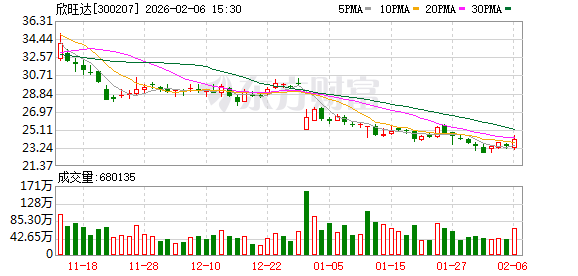
移远通信遭飞利浦起诉,索赔4800万欧元!
Shen Zhen Shang Bao· 2026-02-06 13:23
Core Viewpoint - The company, Quectel, is facing a patent infringement lawsuit filed by Koninklijke Philips N.V. in the European Unified Patent Court, which claims that the company and some of its subsidiaries have infringed on two standard essential patents related to cellular IoT modules [1][4]. Group 1: Lawsuit Details - The lawsuit has been officially accepted by the court but has not yet gone to trial [2]. - Philips alleges that the company and its subsidiaries manufactured, sold, promised to sell, imported, and used products implementing the two patents without permission in certain European countries [4]. - Philips is seeking a permanent injunction, product recall and destruction, compensation for damages or profits gained from the infringement, provision of necessary information, and coverage of legal costs, with the total value of the lawsuit estimated at €48 million [4]. Group 2: Company Response and Impact - The company has stated it will actively respond to the lawsuit to protect its and its shareholders' legal rights, asserting that its operations remain normal and are not significantly impacted by the lawsuit [4]. - The specific amount of compensation sought by Philips has not been disclosed, and the potential impact on the company's profits remains uncertain pending the court's decision [4]. Group 3: Financial Performance - For the first three quarters of 2025, the company reported total revenue of ¥17.877 billion, a year-on-year increase of 34.96%, and a net profit attributable to shareholders of ¥733 million, up 105.65% [7]. - The company also reported a net cash flow from operating activities of -¥800 million, compared to ¥307 million in the same period last year [7]. Group 4: Recent Developments - The company completed a private placement plan, raising ¥2.2 billion, with the funds allocated for expansion projects in automotive and 5G modules, AI computing modules, and upgrading its headquarters and R&D center [8]. - As of February 6, the company's stock closed at ¥86.18, with a total market capitalization of ¥24.805 billion [8].

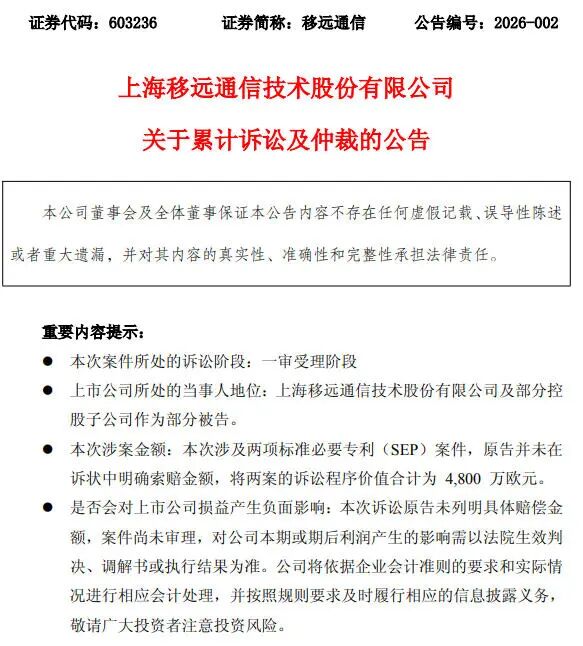
移远通信:累计诉讼及仲裁涉案金额4.70亿元
Xin Lang Cai Jing· 2026-02-06 09:21
Core Viewpoint - The company has been sued by Philips for patent infringement, with the total value of the lawsuits amounting to €48 million, and the cases have not yet gone to trial [1] Group 1: Legal Proceedings - The company received a procedural order from the European Unified Patent Court in The Hague regarding the patent infringement dispute initiated by Philips [1] - The lawsuits involve the company and some of its subsidiaries, with a combined value of €48 million [1] - The company has previously faced an investigation in the U.S. in 2020, which concluded with a ruling of non-infringement [1] Group 2: Financial Impact - The company states that its production and operations are currently normal, and the impact on profits will depend on the outcomes of the legal proceedings [1] - Over the past 12 months, the company and its subsidiaries have been involved in litigation and arbitration with a total amount of approximately ¥470 million, which represents 11.65% of the most recent audited net assets [1]
欣旺达在韩遇专利诉讼 中企出海如何防范“专利狙击”?
Zhong Guo Jing Ying Bao· 2026-02-06 06:33
Core Viewpoint - The recent patent infringement lawsuit against XINWANDA by the Tulip Innovation patent alliance, formed by LG Energy and Panasonic, highlights the increasing focus on overseas patent infringement issues faced by Chinese companies, particularly in the battery sector [1][2]. Group 1: Patent Infringement Lawsuit - The Tulip Innovation patent alliance initiated a lawsuit against XINWANDA on January 26, 2026, in South Korea, following three previous losses and sales bans in Germany in 2025 for similar patent infringements [1][2]. - The lawsuit targets XINWANDA's joint venture with Geely, specifically the battery supply for the Dacia Spring model, which ranks third in European electric vehicle sales [3]. - The lawsuit is part of a broader strategy by Japanese and Korean companies to leverage their patent portfolios as a competitive advantage against Chinese firms [6][7]. Group 2: Patent Pool and Strategy - The Tulip Innovation patent pool consolidates 1,500 patent families, encompassing over 5,000 patents, and aims to maximize compensation by initiating lawsuits before patents expire between 2025 and 2030 [2][6]. - The strategy of "patent pool + regional linkage" is becoming a significant method for multinational giants to curb emerging competitors from entering overseas markets [7]. - The global battery market is projected to generate over $5 billion annually in patent licensing revenue, indicating the financial stakes involved in patent litigation [7]. Group 3: Responses from Chinese Companies - Chinese lithium battery companies are adopting varied strategies in response to the lawsuits, with some like XINWANDA choosing to actively contest the claims, while others opt for settlements to mitigate short-term risks [8]. - Legal experts emphasize the importance of conducting Freedom to Operate (FTO) due diligence before entering overseas markets to identify potential patent infringement risks [4][5]. - There is a call for Chinese companies to shift from a capacity-driven approach to a technology-driven strategy, focusing on R&D investment and patent portfolio development to enhance their global competitiveness [9].