电池安全

Search documents
动力电池召回潮:多家车企“踩雷”,宁德时代独稳
起点锂电· 2026-03-13 10:27
Core Viewpoint - The article highlights the increasing safety concerns in the power battery industry, with multiple automakers recalling vehicles due to battery-related issues, emphasizing the critical importance of battery safety in consumer decision-making [5][19]. Group 1: Industry Events - The second "Starting Point Lithium Battery Cylindrical Battery Technology Forum" will be held on April 10, 2026, in Shenzhen, focusing on advancements in all-tab technology and the cylindrical battery market [4]. - Major sponsors and speakers at the forum include companies like Penghui Energy, Dofluor, and others, indicating strong industry interest and participation [4]. Group 2: Recalls and Safety Issues - Geely's Smart brand is recalling 18,217 vehicles due to battery consistency issues, which could lead to performance degradation and potential safety risks [6][7]. - Similar recalls have been reported by Zeekr, Volvo, and Beijing Benz, all citing battery safety concerns related to manufacturing inconsistencies and software control issues [9][11]. - The recalls reflect a broader trend in the industry, where battery safety has become a significant concern, leading to increased scrutiny and regulatory actions [19][24]. Group 3: Market Dynamics - CATL remains the dominant player in the power battery market, achieving a 39.2% global market share in 2025, with a significant year-on-year increase in revenue and profit [21][22]. - Despite attempts by automakers to diversify battery suppliers, the reliance on CATL persists, as evidenced by companies like Li Auto choosing to continue using CATL batteries alongside their own [23][25]. - The article suggests that the focus on battery safety and quality control will shape future competition in the power battery industry, as consumer expectations rise [25].


尘封一年的事故曝光:东风奕派撞车后,“不起火电池”50秒爆燃
Guo Ji Jin Rong Bao· 2026-02-09 13:32
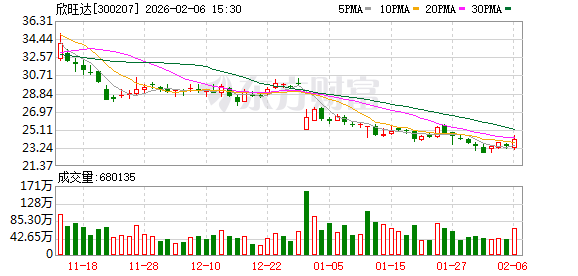
Core Viewpoint - The incident involving the Dongfeng Yipai eπ007 electric vehicle, which caught fire after a collision, raises significant concerns about the safety claims made by the manufacturer and its battery supplier, XINWANDA, particularly regarding their assertions of "fireproof and explosion-proof" capabilities [2][8][12]. Group 1: Incident Details - A video of the collision involving the Dongfeng Yipai eπ007 and a heavy truck went viral, showing the vehicle catching fire shortly after the crash, resulting in one death and four injuries [1][6]. - The accident occurred on March 19, 2025, in Yunnan Province, with the eπ007 equipped with a lithium iron phosphate battery from XINWANDA [5][6]. - The collision was caused by the truck driver violating traffic rules, leading to a severe impact that resulted in the eπ007 losing control and crashing into a roadside guardrail [6][7]. Group 2: Safety Claims and Public Reaction - The eπ007 was marketed with strong safety claims, including the ability to withstand extreme conditions without catching fire, which starkly contrasts with the reality of the incident [2][8]. - Following the accident, public scrutiny shifted from the responsibility of the drivers to the safety performance of the vehicle, particularly questioning the battery's safety under real-world conditions [7][12]. Group 3: Battery Technology and Industry Implications - Experts noted that while lithium iron phosphate batteries show safety advantages in controlled laboratory tests, real-world collision scenarios are far more complex and can lead to thermal runaway [9][11]. - The incident highlights a potential disconnect between marketing claims and actual performance, suggesting a need for improved regulatory standards and transparency in safety testing [12]. Group 4: XINWANDA's Challenges - XINWANDA is facing multiple challenges, including a patent infringement lawsuit from a consortium of LG Energy and Panasonic, which could impact its market expansion and financial resources [13][14]. - The company's stock has seen a significant decline, dropping 29.12% over three months, reflecting investor concerns about its current situation and future prospects [14].


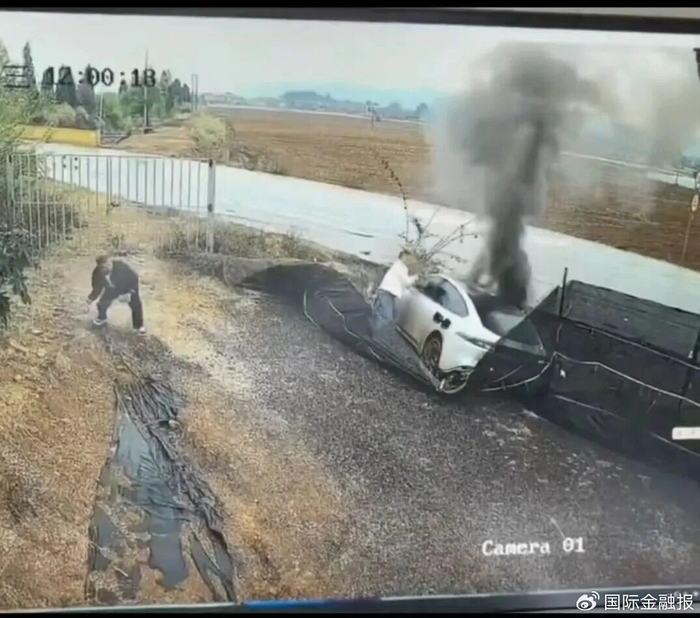
尘封一年的事故曝光:东风奕派撞车后,欣旺达“不起火电池”50秒爆燃
Guo Ji Jin Rong Bao· 2026-02-08 13:52
Core Viewpoint - The incident involving the Dongfeng Yipai eπ007 electric vehicle, which caught fire after a collision, raises significant concerns about the safety claims made by XINWANDA regarding its lithium iron phosphate batteries, highlighting a stark contrast between marketing assertions and real-world performance [2][5][12] Group 1: Incident Details - A video of the collision involving the Dongfeng Yipai eπ007 electric vehicle went viral, showing the vehicle catching fire shortly after the crash, resulting in one fatality and four injuries [2][4] - The accident occurred on March 19, 2025, when a heavy truck collided with the eπ007, leading to a rapid fire outbreak within seconds [4][5] - The eπ007 was marketed as having a battery that would not catch fire or explode, which contradicts the actual performance observed during the incident [5][7] Group 2: Battery Safety Claims - The eπ007 was promoted with safety features, including claims that the XINWANDA battery could withstand extreme conditions without igniting, supported by various tests [7][9] - Experts suggest that the battery's safety advantages are primarily validated in controlled laboratory settings, and real-world collision scenarios present more complex challenges [9][10] - The rapid ignition of the battery post-collision raises questions about the accuracy of XINWANDA's safety marketing, indicating a potential disconnect between promotional claims and actual safety performance [9][10] Group 3: Company Challenges - XINWANDA is currently facing multiple challenges, including patent infringement lawsuits and production capacity pressures, which could impact its market position [12] - The company has been involved in a patent dispute with a consortium of LG Energy and Panasonic, which has led to significant legal and financial implications [12] - Recent financial data indicates a notable decline in XINWANDA's stock price, reflecting investor concerns over the company's ongoing legal battles and safety issues [12]
电池有起火风险,大众召回最畅销纯电车
新华网财经· 2026-01-29 05:59
Core Viewpoint - Volkswagen is recalling a total of 44,551 ID.4 electric vehicles in the U.S. due to potential safety hazards related to the high-voltage battery system [2][4]. Group 1: Recall Details - The first recall involves 670 units of the 2023-2024 ID.4 models, due to a manufacturing defect in the battery cell module that could lead to battery fires [2]. - A second, larger recall affects 43,881 units of the 2023-2025 ID.4 models that lack "self-discharge detection" software, which may also pose a fire risk [2][3]. - Volkswagen recommends affected owners set their charging limit to 80%, avoid DC fast charging, and park their vehicles outdoors after charging [2]. Group 2: Supplier and Battery Issues - Both recalls are linked to SK Battery America, which supplies the high-voltage battery cell modules [3]. - There have been at least five overheating incidents involving the ID.4 in the U.S. from 2024 to 2025, attributed to a hardware anomaly known as "electrode misalignment" [3]. - Electrode misalignment is a critical quality issue in battery manufacturing, where deformation causes the positive and negative electrodes to misalign [3]. Group 3: Market Impact and Context - The ID.4 is a core product in Volkswagen's global electric vehicle strategy, with global sales reaching 163,400 units in 2025, a 26.8% increase year-on-year [4]. - Volkswagen has not reported any incidents of fire or injuries related to these specific defects, emphasizing that the recall is a proactive measure [4]. - Other brands under Volkswagen, such as Bentley, have also faced battery safety issues, indicating a broader concern within the industry regarding battery supplier quality [4].
大众最畅销纯电车召回
第一财经· 2026-01-29 03:15
Core Viewpoint - Volkswagen is recalling a total of 44,551 ID.4 electric vehicles in the U.S. due to potential safety hazards related to the high-voltage battery system [3] Group 1: Recall Details - The first recall involves 670 units of the 2023-2024 ID.4 models due to a manufacturing defect in the high-voltage battery cell module that could lead to battery fires [3] - Volkswagen recommends affected owners set their charging limit to 80%, avoid using DC fast charging, and park their vehicles outdoors after charging [3] - The second recall is larger, involving 43,881 units of the 2023-2025 ID.4 models that lack "self-discharge detection" software, which may lead to thermal runaway and fire risks [3][4] Group 2: Supplier and Industry Context - Both recalls involve SK On, a supplier of the high-voltage battery cell modules, which has been linked to at least five overheating incidents in the ID.4 models in the U.S. from 2024 to 2025 [4] - The issue of "electrode misalignment" in battery manufacturing is highlighted as a critical quality control problem, which can lead to battery swelling [4] - SK On ranks sixth in global battery installation volume as of January 2025, with Chinese companies dominating the market [4] Group 3: Broader Implications - The ID.4 model is a key product in Volkswagen's global electric vehicle strategy, with sales reaching 163,400 units in 2025, a 26.8% increase year-on-year, making it the best-selling electric vehicle for the group [4] - Volkswagen's battery safety issues are not isolated, as Bentley, another brand under the group, also announced a recall in January 2023 due to potential battery faults [5] - The broader context includes past incidents where major battery suppliers like LG Energy Solution faced significant financial repercussions due to battery defects, indicating ongoing challenges in battery safety across the industry [5]
大众最畅销纯电车召回,涉事供应商为韩国电池三巨头之一
Di Yi Cai Jing· 2026-01-29 02:17
Group 1 - The core issue involves Volkswagen recalling a total of 44,551 ID.4 electric vehicles in the U.S. due to potential safety hazards related to high-voltage battery systems [1][2] - The first recall includes 670 units of the 2023-2024 ID.4 models, where manufacturing defects in the battery cell module may lead to fire risks [1][2] - The second recall is larger, affecting 43,881 units of the 2023-2025 ID.4 models lacking "self-discharge detection" software, which may also pose fire risks due to thermal runaway [1][2] Group 2 - Both recalls are linked to SK On, a supplier of high-voltage battery cell modules, with at least five overheating incidents reported in the U.S. from 2024 to 2025 [2] - The term "electrode misalignment" refers to a manufacturing quality issue where the positive and negative electrodes are misaligned, potentially leading to battery swelling [2] - Volkswagen emphasizes that no incidents of fire or injuries have been reported due to these specific defects, framing the recalls as a proactive measure [2] Group 3 - Volkswagen's battery safety issues are not isolated, as Bentley, another brand under the Volkswagen Group, also announced a recall in January 2023 due to potential internal battery faults [3] - Samsung SDI, another major Korean battery supplier, is involved in the Bentley recall, ranking eighth in global battery installations for 2025 [3] - LG Energy Solution, the largest among the Korean battery giants, previously compensated General Motors $1.9 billion for battery module defects leading to recalls [3]
大电量增混、车用固态电池、588Ah叠片电芯……蜂巢能源六大矩阵新品发布
高工锂电· 2026-01-15 11:24
Core Viewpoint - The article discusses the launch of various innovative battery technologies by Hive Energy, focusing on safety, performance, and versatility across multiple applications in the energy and transportation sectors [2][28]. Group 1: Product Innovations - Hive Energy introduced the world's largest plug-in hybrid battery, the Fortress 2.0, with an 80kWh capacity, enabling over 400km of pure electric range for D-class vehicles [7][4]. - The Fortress 2.0 features a highly integrated system design, improving volume utilization and energy density by 6%, and supports peak 6C fast charging, allowing 10%-80% charging in just 10 minutes [9]. - The company unveiled a low-cost semi-solid battery utilizing a pioneering solid electrolyte membrane transfer technology, enhancing safety and performance metrics [10][11]. Group 2: Safety Enhancements - The self-developed solid electrolyte membrane technology improves ionic conductivity by over 10% and reduces thermal shrinkage at 200°C by 20%, significantly enhancing high-temperature safety [11][15]. - The Dragon Scale 3.0 platform achieves optimal thermal separation in square battery systems, addressing safety concerns related to thermal runaway while maintaining high integration levels [17][19]. - The new battery designs incorporate features that enhance thermal management and reduce the risk of thermal runaway by improving heat dissipation and structural integrity [20][15]. Group 3: Market Applications - Hive Energy is targeting the emerging markets of unmanned logistics and low-altitude scenarios with a new series of batteries ranging from 10-50kWh, designed for diverse operational environments [26][28]. - The company also launched a large-capacity HEV battery with a range of 3.6 – 7.3kWh, aimed at facilitating the intelligent upgrade of fuel vehicles [20]. - In the energy storage sector, Hive Energy introduced the world's first 588Ah stacked energy cell, designed for high safety and rapid discharge capabilities, with scalable solutions for various applications [22][24]. Group 4: Future Directions - Hive Energy aims to leverage its foundational safety technologies and systematic innovations to continuously develop products and solutions for the next generation of transportation and energy systems [29].

比23亿更严重:欣旺达或让数万海外车主陷入安全隐患
Tai Mei Ti A P P· 2026-01-11 12:03
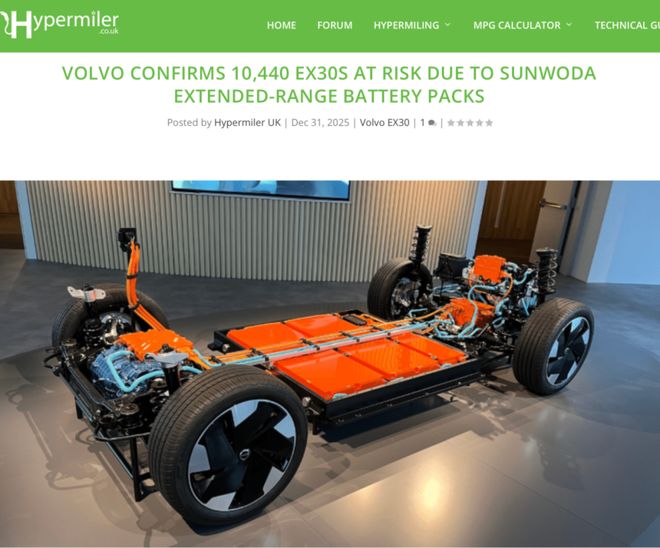
Core Viewpoint - Volvo Cars, known for its commitment to safety, is facing unprecedented challenges in the electric vehicle era due to safety concerns related to its EX30 model's battery supplied by Sunwoda [1][4][11]. Group 1: Battery Safety Issues - A total of 10,440 EX30 vehicles in the UK are affected by potential safety issues related to high-voltage batteries from Sunwoda, marking a significant acknowledgment of the problem [12]. - Among 33,777 EX30 vehicles produced with Sunwoda batteries, approximately 0.02% have reported overheating issues [4]. - A fire incident involving an EX30 in Brazil raised alarms, leading Volvo to issue warnings to owners to limit charging to 70% to mitigate fire risks [7][11]. Group 2: Recall and Legal Actions - Volvo is preparing for a large-scale recall, with the South African National Consumer Commission already issuing a recall notice for 372 EX30 vehicles due to potential battery defects [7][14]. - Geely Holding, Volvo's parent company, has filed a lawsuit against Sunwoda for 2.314 billion RMB, citing quality issues with batteries supplied between June 2021 and December 2023 [14][17]. Group 3: Consumer Trust and Market Impact - The battery safety crisis has raised significant concerns among consumers, with many questioning the reliability of electric vehicle batteries and the overall quality control in the industry [23][29]. - Volvo's temporary measure of limiting charging to 70% has led to dissatisfaction among owners, as it significantly reduces the vehicle's usable range [12][13]. - The incident has broader implications for the electric vehicle industry, potentially leading to increased scrutiny and a shift towards prioritizing safety and quality over cost [29].
电动自行车可免费检测锂电池
Xin Lang Cai Jing· 2025-12-27 02:13
Core Viewpoint - The authorities in Hefei are urging citizens to check the age of their electric bicycle batteries, recommending that batteries older than 5 years be discontinued due to safety risks associated with aging lithium-ion batteries [1][2] Group 1: Safety Concerns - Lithium-ion batteries over 5 years old may experience performance degradation, leading to issues such as capacity loss, abnormal heating, swelling, and deformation, which pose significant safety hazards including short circuits, fires, and explosions [1] - Citizens are advised to stop using batteries that show signs of swelling, leakage, overheating, or sudden drops in range [1] Group 2: Health Assessment Services - Hefei has established 23 health assessment points for electric bicycle lithium-ion batteries, equipped with professional testing equipment and personnel to provide convenient and professional battery health evaluation services [1] - Citizens can bring their electric bicycles and lithium batteries to these health assessment points for free testing, which aims to accurately identify safety risks and enhance public safety during travel [1] Group 3: Modification Warnings - Authorities are calling on citizens to refrain from illegal modifications of batteries, as such alterations can lead to significant safety risks due to lack of rigorous safety testing [2]
圆桌对话:新材料新工艺如何让锂电池变得更安全?
起点锂电· 2025-12-18 10:06
Core Viewpoint - The article discusses the advancements in lithium battery technology, focusing on safety improvements through new materials and processes, as well as the importance of collaboration in innovation within the industry [1][20]. Group 1: Event Overview - The 2025 Lithium Battery Industry Annual Conference and the Lithium Golden Ding Award Ceremony were held in Shenzhen, gathering over 800 attendees to discuss core issues in lithium batteries, materials, and equipment [1]. - The event included a forum on user-side energy storage and battery technology, emphasizing the need for breakthroughs in safety challenges and value chain restructuring [1]. Group 2: Safety Innovations - A roundtable discussion focused on how new materials and processes can enhance the safety of lithium batteries, with industry leaders sharing insights on the topic [2][4]. - Key participants included executives from various companies, discussing the importance of solid-state electrolytes and the need for improved safety measures in battery design [2][4][5]. Group 3: Material and Process Development - The discussion highlighted the significance of electrolyte materials, with a focus on solid-state electrolytes and their potential to improve safety while maintaining performance [5][6]. - The challenges of balancing intrinsic safety and processing characteristics of materials were emphasized, indicating a need for ongoing research and collaboration in the industry [5][6]. Group 4: Industry Challenges and Solutions - Experts pointed out that safety issues often arise from the battery pack design and usage conditions, particularly in consumer applications like electric bicycles [15][19]. - The necessity for a comprehensive approach to battery management systems (BMS) and charging systems was stressed, ensuring that products are matched to their intended use cases [19][20]. Group 5: Future Directions - The article concludes with a call for systematic innovation across materials, processes, and systems to address industry challenges and enhance safety [21]. - Collaboration among industry players is deemed essential for advancing battery technology and ensuring safety standards are met [21].