
AR眼镜

Search documents
TCL电子:全球化与高端化共振,盈利再上台阶-20260330
HTSC· 2026-03-30 05:50
Investment Rating - The investment rating for TCL Electronics is maintained at "Buy" with a target price of HKD 14.28 [1][5] Core Views - TCL Electronics reported a revenue of HKD 114.58 billion for 2025, representing a year-on-year increase of 15.4%. The net profit attributable to shareholders was HKD 2.495 billion, up 41.8%, while the adjusted net profit was HKD 2.512 billion, reflecting a 56.5% increase. The company proposed a final dividend of HKD 0.498, with a payout ratio of approximately 50% [1] - The company's growth is driven by global expansion, upgrades in mid-to-high-end product structures, sustained high profitability in internet business, and significant contributions from the photovoltaic sector. The growth logic is expected to continue strengthening, especially with potential collaborations with Sony [1] Summary by Sections Display Business - The display business generated revenue of HKD 75.797 billion in 2025, a 9.2% increase year-on-year, with a gross profit of HKD 12.476 billion, up 16.4%. The gross margin improved by 1.1 percentage points to 16.5% [2] - Large-size display revenue reached HKD 64.708 billion, increasing by 7.7%, with a gross margin rise of 1.3 percentage points to 16.8%. TCL maintained a global TV market share of 14.7%, ranking second globally, and achieved a 118% year-on-year increase in Mini LED TV shipments, securing a 31.1% market share [2] - International markets are the main growth engine, with international TV revenue at HKD 47.504 billion, up 15.7%. Despite a 9.7% decline in domestic TV revenue to HKD 17.204 billion, market share in retail volume and value increased to 22.2% and 24.2%, respectively [2] Internet and Innovation Business - Internet business revenue reached HKD 3.109 billion in 2025, growing 18.3% year-on-year, with a maintained high gross margin of 56.4%. The TCL Channel surpassed 45.7 million users, with ongoing enhancements in overseas content and AI capabilities [3] - Innovation business revenue was HKD 35.628 billion, up 31.9%, with photovoltaic revenue at HKD 21.063 billion, a 63.6% increase, contributing significantly to growth [3] Cost Management and Operational Quality - The overall gross margin for 2025 was 15.6%, slightly down by 0.1 percentage points, primarily due to the higher proportion of lower-margin innovation business revenue. However, effective cost control led to a reduction in the combined expense ratio for sales and administrative expenses to 11.1%, down 0.7 percentage points year-on-year [4] - R&D expenses increased by 8.5% to HKD 2.532 billion, focusing on high-end displays and AI. The company is currently in a phase of "profit release" while investing for future growth, maintaining solid financial quality [4] Profit Forecast and Valuation - For 2026, the company is expected to benefit from the global trend towards high-end and large-screen TVs, as well as the expansion of internet and photovoltaic businesses. The forecast for net profit attributable to shareholders has been raised to HKD 3.006 billion for 2026 and HKD 3.537 billion for 2027 [5] - The target price has been adjusted to HKD 14.28, corresponding to a 12x PE valuation for 2026, reflecting an increase from the previous target of HKD 14.16 [5]
6G按Token收费?落地需跨越“需求鸿沟”与“生态壁垒”
券商中国· 2026-03-29 02:32
Core Viewpoint - The article emphasizes the strategic importance of 6G technology in China's future industrial development, highlighting its potential to revolutionize connectivity and create new economic opportunities across various sectors [1][2]. Group 1: 6G Technology and Its Impact - 6G is expected to provide seamless connectivity across air, land, and sea, integrate AI capabilities into networks, and create a more refined digital twin environment [2][3]. - The core role of mobile phones will remain unchanged in the next decade, evolving into "smart agents" that facilitate competition among internet giants, operating system developers, and hardware manufacturers [2][3]. - The emergence of new terminal forms, such as AR glasses and humanoid robots, is anticipated, with AR glasses facing challenges due to battery technology, while humanoid robots may become a significant market player [3][4]. Group 2: Industry Integration and Challenges - 6G is seen as a critical foundation for the deep integration of the digital economy and the real economy, characterized by "three integrations": sensing, intelligence, and space [3][4]. - The industry faces challenges in clarifying real demand and ensuring deep collaboration across various sectors to avoid repeating past mistakes seen in 4G and 5G developments [4][5]. - The need for technical integration and ecosystem collaboration is highlighted, with a focus on the willingness of leading manufacturers to embrace innovation and open ecosystems [5]. Group 3: Timeline and Market Dynamics - The timeline for 6G development aims for the first international standard to be completed by 2029, with commercial implementation expected around 2030 [6]. - The competition in the terminal market is set to intensify, particularly for mobile phone smart agents, AR glasses, and humanoid robots, which represent significant growth potential [6]. - The pricing of 6G services is expected to be relative, with new value propositions emerging that may justify higher costs, while multiple generations of mobile technology will coexist [6].


6G如何跨越“需求”鸿沟?具身智能被视为“杀手级应用”
证券时报· 2026-03-28 05:30
Core Viewpoint - The article emphasizes that 6G is becoming a crucial part of national strategic planning, with expectations for revolutionary experiences and new industrial opportunities, despite the current unfulfilled promises of 5G [1][2]. Group 1: Consumer Perspective (To C) - 6G will extend beyond just faster internet speeds, offering three major expansions: seamless coverage across air, land, and sea; enhanced AI capabilities integrated into networks; and a more refined digital twin environment [3]. - The core role of smartphones will remain unchanged in the next decade, evolving into "smart bodies" as a central interface for users, amidst competition among internet giants, OS developers, and hardware manufacturers [3]. - New terminal forms will emerge, with AR glasses seen as a potential leading device, although their widespread adoption is hindered by slow advancements in battery technology [4]. Group 2: Industry Perspective (To B) - 6G is identified as a key foundation for the deep integration of the digital economy and the real economy, characterized by the "three integrations": sensing integration, intelligence integration, and air-land-sea integration [4]. - The concept of embodied intelligence is viewed as a "killer application" for 6G, enabling real-time collaboration between cloud-based and edge-based processing, thus overcoming current limitations in robotics [4]. Group 3: Challenges and Development - The primary challenge for 6G development is to clarify real demands, avoiding past mistakes seen in 4G and 5G, and ensuring deep collaboration across various industries to identify genuine needs [6]. - Technical integration and ecosystem collaboration pose significant challenges, requiring active participation from leading equipment manufacturers to innovate within existing network frameworks [6]. - China's proactive role in global standard-setting for 6G is highlighted, with the completion of the first 6G standard report and ongoing work on wireless technology standards [7]. Group 4: Market Outlook - The timeline for 6G implementation is set, with the first international standards expected by 2029 and potential commercial rollout around 2030, marking a critical period for technological breakthroughs and prototype validation [9]. - The competitive landscape for terminal markets is shifting, with AR glasses and humanoid robots representing significant growth potential, while the affordability of 6G services will depend on the new value it provides to users [10].

山西证券研究早观点-20260325
Shanxi Securities· 2026-03-25 01:46
Market Trends - The domestic market indices showed positive performance with the Shanghai Composite Index closing at 3,881.28, up by 1.78% [4] - The Shenzhen Component Index and the CSI 300 also experienced gains of 1.43% and 1.28% respectively [4] Industry Commentary: Electronics - The electronics industry is entering a new hardware inflation phase driven by AI, with domestic computing power accelerating its breakthrough [5][6] - A super cycle in storage is anticipated due to the massive storage requirements for AI training and inference, with supply constraints leading to a projected supply-demand ratio decline to 7% by 2026 [6] - The semiconductor industry is experiencing increased demand driven by AI and electric vehicles, leading to a full-chain price increase cycle [6] - Domestic AI models are expected to drive significant growth in the server market, projected to exceed $140 billion by 2029, with a focus on advanced process capacity [6] - PCB materials and architecture are undergoing upgrades due to AI server demands, with a shift towards high-density interconnects and advanced materials [6] Industry Commentary: Agriculture - The agriculture sector is advised to focus on the logic of capacity reduction in livestock, with a notable decline in pig prices leading to increased losses for pig farming [9] - The feed industry is shifting from product competition to value chain competition, favoring companies with R&D and scale advantages [9] - The pig farming industry may face pressure in the first half of the year, but it also presents a good window for capacity reduction [9] - Companies with integrated supply chain advantages are expected to show stronger operational resilience, with specific recommendations for companies like Wen's Food Group and Shennong Group [9][10] Investment Recommendations - For storage chips, companies like Changxin Technology and Zhaoyi Innovation are recommended [8] - In the semiconductor sector, companies such as Cambricon, Yangjie Technology, and Jiejie Microelectronics are highlighted [8] - For wafer manufacturing and testing, focus on SMIC, Huahong, and Changdian Technology [8] - In the semiconductor equipment space, companies like Xinqi Micro, Weidao Nano, and Jingce Electronics are suggested [8] - For electronic components, attention is drawn to companies like Copper Crown Copper Foil and Fuhua [8]
业绩会实录 | 瑞声科技(02018):2025年营收创历史新高,AI驱动业务新增长
智通财经网· 2026-03-24 02:52
Core Viewpoint - 瑞声科技 has achieved record revenue and profit growth in 2025, driven by strategic shifts towards AI and new product lines [1][3][10] Financial Performance - The company's revenue reached RMB 31.82 billion, a year-on-year increase of 16.4% - Net profit grew by 39.8% to RMB 2.51 billion - Operating cash flow amounted to RMB 7.18 billion, up 38.1% year-on-year [1] Strategic Transition - Management emphasized a strategic shift from traditional mobile acoustic and haptic components to a focus on AI-driven growth across multiple product lines [3][12] - AI is identified as a core driver for growth in consumer electronics cooling, automotive smart cabins, AR glasses, and robotics [3][12] Optical Business Growth - The optical business achieved a gross margin of approximately 11.6% in 2025, with plastic lens margins exceeding 30% - The company expects margins to rise to around 35% in 2026, reflecting industry-leading performance [5][6] Growth Engines for 2026 - Key growth drivers identified for 2026 include: 1. Precision components, with expected revenue growth exceeding 30% 2. Optical business, anticipated to maintain strong growth 3. Automotive business, projected to grow at 15%-20% [6][8] - The company has made strategic acquisitions to enhance its position in the liquid cooling market [6][8] Cooling Business Expansion - The VC cooling solutions have achieved large-scale production, with significant contributions from overseas clients - The cooling business is expected to expand from mobile devices to laptops and tablets, with potential for a billion-level business scale [9][10] Share Buyback and Market Position - In 2025, the company executed a share buyback totaling approximately HKD 450 million, supported by strong cash flow - The management plans to continue buybacks to support long-term growth and shareholder returns [10] AI Integration and Future Opportunities - The company is positioning itself as a leader in AI perception and interaction systems, leveraging core technologies in sound, light, and precision [12] - AI is driving demand for high-performance products, creating new revenue opportunities in various sectors, including AR glasses and robotics [14]

CINNO Research | 破壁前行:逆全球化背景下中国智能终端企业的战略升维路径
CINNO Research· 2026-03-20 23:03
Core Viewpoint - The article discusses the strategic upgrades that Chinese smart terminal companies must undertake in response to the uncertainties of the global economic environment, particularly in the context of de-globalization and rising costs in the supply chain [4][5]. Group 1: Uncertainty as a New Normal - Uncertainty has become a norm in the global industry, with the previous trade order dominated by the West undergoing significant changes [5]. - The instability of policies in Western countries, particularly the U.S., and the ongoing technological restrictions on China are highlighted as major factors affecting the global supply chain [5]. - Geopolitical conflicts, such as tensions in the Middle East, are creating new risks for global energy supply, necessitating a shift in corporate strategies to build resilience against these uncertainties [5] Group 2: Cost Changes Impacting the Industry - The rise in storage prices, particularly for DRAM, is expected to increase by over 105% by 2026, significantly impacting the cost structure of smart terminal products, where storage costs account for nearly 40% [8]. - The energy crisis, exacerbated by geopolitical tensions, is predicted to lead to a rise in raw material prices and manufacturing costs, with terminal product prices expected to increase by over 25% [9]. Group 3: Strategic Upgrades for Chinese Enterprises - Chinese enterprises need to shift from cost competition to value chain competition, focusing on innovation and product differentiation to escape price wars [12]. - The AR glasses market is projected to see significant growth, with domestic manufacturers breaking international monopolies, and expected shipments reaching nearly 6 million units by 2030 [13]. - The domestic storage market is anticipated to grow, with Chinese manufacturers expected to capture over 15% of the market share due to rising prices and supply chain shifts [14]. - The display panel industry has seen a successful transition, with over 70% of global production now in China, showcasing the potential for similar advancements in other sectors [15]. Group 4: Ecosystem Development - Future competition will focus on ecosystem building rather than individual products, with smart devices forming interconnected systems to enhance user engagement [16]. - The concept of "smart economy" is emerging, indicating a paradigm shift where AI becomes integral across industries, with significant implications for production and societal organization [18]. Group 5: Leading Standards - The competition is evolving towards standard-setting, with Chinese companies moving from the end of the value chain to the forefront of rule-making [19]. - The global landscape is shifting from product exports to the output of capabilities and standards, positioning Chinese firms to lead in technological standards [20]. - Investment in the AI industry is rapidly increasing, with nearly 900 billion yuan allocated since 2023, indicating a robust growth trajectory for AI-related sectors [21]. Conclusion - To thrive in a complex global environment, Chinese enterprises must achieve strategic upgrades across three dimensions: supply-side value chain competition, demand-side ecosystem building, and rule-side standard leadership [22].

第一创业晨会纪要-20260320
First Capital Securities· 2026-03-20 03:40
Macroeconomic Group - In January-February 2026, national general public fiscal revenue increased by 0.7% year-on-year, rebounding by 2.4 percentage points compared to the previous year, with central revenue rising by 4.8 percentage points to -1.7% and local revenue increasing by 0.2% year-on-year to 2.6% [4] - General public fiscal expenditure increased by 3.6% year-on-year, rebounding by 2.6 percentage points compared to the previous year, with central expenditure decreasing by 1.2 percentage points to 4.5% and local expenditure increasing by 3.3 percentage points to 3.5% [4] - Government fund revenue decreased by 16% year-on-year, falling by 9 percentage points compared to the previous year, while government fund expenditure growth was 16%, rebounding by 4.7 percentage points [4] Industry Comprehensive Group - AAC Technologies (2018.HK) reported a record high revenue of RMB 31.82 billion for the full year of 2025, a year-on-year increase of 16.4%, with net profit rising by 39.8% to RMB 2.51 billion [8] - The company expects sales revenue growth in 2026 to be no less than that of 2025, with a stable gross margin projected to rise from 22.1% in 2025 [8] - Concerns exist regarding potential negative growth in consumer electronics sales due to rising prices of electronic components, but current market demand does not show significant decline [8] Consumer Group - Alibaba's total revenue for FY2026 Q3 was RMB 284.8 billion, a year-on-year increase of 2%, with a 9% increase when excluding disposed businesses [11] - Operating profit and adjusted EBITA decreased by 74% and 57% year-on-year, respectively, due to increased investments in instant retail and user experience optimization [11] - Instant retail showed significant growth with a 56% year-on-year revenue increase, while core e-commerce growth was only 1%, indicating pressure on traditional e-commerce [11]
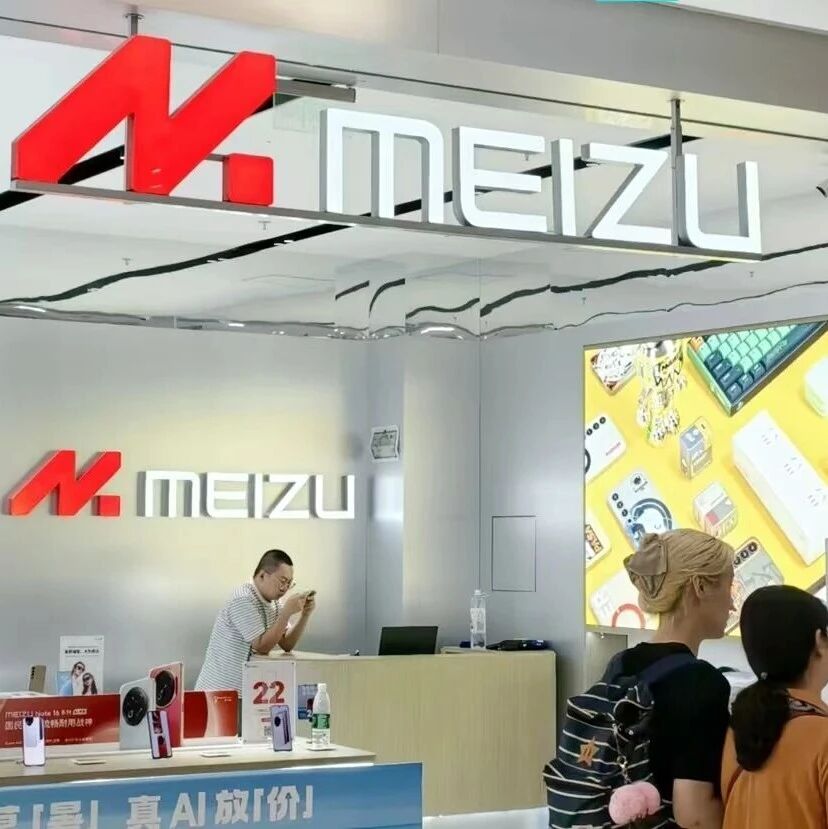
魅族手机「解体」:做车机,做AI,或者离开丨36氪独家
36氪· 2026-03-14 00:59
Core Viewpoint - The article discusses the significant impact of the AI wave on the smartphone industry, highlighting the recent turmoil faced by Meizu, a 23-year-old smartphone company, as it undergoes major organizational changes and strategic shifts due to rising component costs and market competition [4][20]. Group 1: Company Restructuring - Meizu has announced a major restructuring, with over 50% of its employees, approximately 400 individuals, set to leave the company [6][8]. - The remaining employees will be divided into different teams, with some integrating into the Flyme automotive team and others exploring AI software directions [8][9]. - Meizu's brand will no longer be used by the remaining team, which may also change its corporate structure [9]. Group 2: Market Challenges - The smartphone industry is facing severe challenges due to skyrocketing memory prices, which have significantly altered the BOM (Bill of Materials) cost structure for smartphones [14][15]. - For low-end smartphones (priced under $200), memory costs now account for 43% of the total cost, reflecting a 25% increase [17]. - Major smartphone manufacturers, including OPPO and Xiaomi, have begun raising prices across various models due to these cost pressures, marking the largest collective price increase in five years [19]. Group 3: Strategic Shifts - Meizu's strategic pivot includes pausing its domestic hardware development for new smartphone products and seeking partnerships with third-party hardware providers [8][9]. - The company aims to build a sustainable business model centered around the Flyme open ecosystem, indicating a shift towards software and services rather than hardware [9][11]. - The decision to halt new product development was influenced by the rising costs of memory components, which have made new product commercialization increasingly challenging [14].
AWE2026参展结构剧变:科技企业主导黄金位,创新方向高度趋近CES
IPO早知道· 2026-03-11 01:55
Core Viewpoint - The article highlights the significant transformation of the AWE (Appliance & Electronics World Expo) towards AI and smart hardware, positioning Chinese companies as leading players in the new technology landscape [6][7]. Group 1: AWE Transformation - AWE 2026 will adopt a "dual-zone" model for the first time, focusing on "AI technology, smart future," showcasing cutting-edge smart technology and solutions [6]. - The exhibition structure has shifted from traditional home appliances to a broader focus on "AI + application technology + full-scenario ecology," with AI and large models being the largest growth areas [6][9]. - The introduction of an independent section for humanoid robots at AWE 2026 signals a clear transformation, aligning AWE more closely with CES [9][10]. Group 2: Participation and Structure Changes - The participation of Chinese brands has significantly increased, with a focus on robotics, AI hardware, and smart mobility, indicating a shift in the competitive landscape [7][8]. - Major companies are securing large exhibition spaces, with companies like Chasing Technology occupying the largest single-brand exhibition area in AWE history [13][14]. - The layout and focus of AWE 2026 reflect a move towards a comprehensive technology exhibition, similar to CES, enhancing its global appeal [14]. Group 3: New Product Categories - AI smart hardware, including AI phones, smart glasses, and smart home devices, is prominently featured, showcasing innovation comparable to CES [16]. - Core technology companies, such as chip manufacturers and AI model developers, are now occupying key positions in the exhibition, addressing foundational gaps in the consumer electronics industry [17]. - The emergence of low-altitude economy and smart mobility products, such as drones and flying devices, expands the scope of AWE beyond traditional home electronics [18]. Group 4: Industry Implications - The overlap between AWE 2026 and CES 2026 in terms of participating brands and product categories indicates a growing convergence in the consumer electronics sector [18]. - The increasing participation of tech companies and the introduction of cutting-edge categories position AWE as a critical platform for observing trends in Chinese consumer electronics and future technologies [18].

利亚德(300296) - 2026年3月10日投资者关系活动记录表
2026-03-11 01:32
Group 1: Business Overview - The company operates in three main business segments: smart display (approximately 85% of revenue), cultural tourism night tours (9-10%), and AI and spatial computing (about 5%) [1] - The smart display segment has evolved significantly, with key milestones including the launch of China's first full-color LED display in 1998 and the introduction of Micro LED technology in 2020 [2] Group 2: Smart Display Business - The LED display industry is mature, and the company has led technological advancements, including the development of Hi-Micro products using substrate-free Micro LED chips [2] - The company aims to enhance its competitive edge by focusing on high-value scenarios in high-end commercial displays and integrating AI technologies to improve product value [10] Group 3: Cultural Tourism Night Tours - This segment focuses on immersive and interactive tourism experiences, leveraging multimedia technologies and AI [3] - The company has established a "Cultural Tourism Beijing Headquarters" to strengthen its presence in northern markets [3] Group 4: AI and Spatial Computing - The core of this segment includes motion capture technology and spatial positioning algorithms, with applications across various industries [4] - The company has developed multiple advanced technologies, including the Lydia motion model and LydCap for markerless capture [5] Group 5: Market Strategy - In the domestic market, the company has adopted a "direct channel integration" strategy to reduce the number of lower-tier distributors and enhance direct sales [6] - The overseas market strategy includes leveraging the dual-brand approach ("Planar" and "Leyard") to cover high-end, mid-range, and lower-tier markets, achieving over 50% revenue from overseas by mid-2025 [11] Group 6: Financial Performance and Challenges - The company anticipates a gradual recovery in the domestic LED market, which has faced challenges since 2022, with a focus on maintaining core competitive advantages [9] - Recent price increases are attributed to rising raw material costs and the need for the industry to return to healthy competition, which may lead to improved profit margins [13] Group 7: Micro LED Developments - Micro LED revenue is projected to account for approximately 10% of total revenue in 2024, with new orders exceeding 600 million yuan, reflecting a year-on-year growth of over 40% [15] - The company is exploring applications of Micro LED in optical communication, collaborating with research institutions for product development [14]
