个性化定价

Search documents
宠物险如何走向“共赢”
Jing Ji Guan Cha Bao· 2026-01-08 04:44
Core Viewpoint - The pet insurance market is experiencing rapid growth, with premiums expected to exceed 3 billion yuan by 2025, driven by the increasing emotional value placed on pets as family members [1][2]. Group 1: Market Growth and Challenges - The pet insurance premium scale is projected to grow from millions to over 1.7 billion yuan from 2020 to 2024, making it one of the fastest-growing segments in the property insurance industry [1]. - Despite the growth, pet owners express dissatisfaction with claims processes, coverage limitations, and overall insurance experience, while insurance companies face high payout rates and cost control challenges [1][2]. - The lack of standardized medical practices and transparent pricing in the domestic pet medical industry leads to significant cost discrepancies and complicates risk management for insurance companies [2]. Group 2: Recommendations for Improvement - Establishing standardized pet medical practices and data sharing is crucial, including the creation of disease classification standards and treatment guidelines to regulate pet hospitals [4]. - Insurance companies should enhance their risk management capabilities by leveraging technology such as AI, big data, and blockchain to address issues like multiple pet insurance and pre-existing conditions [4]. - Building a multi-party trust mechanism is essential, which includes simplifying claims processes and improving transparency in service delivery to foster long-term relationships with pet owners [4]. Group 3: Future Outlook - The future of pet insurance should not merely extend existing products but should serve as a critical link within the "it economy," connecting medical services, customer service, and insurance protection [5][6].
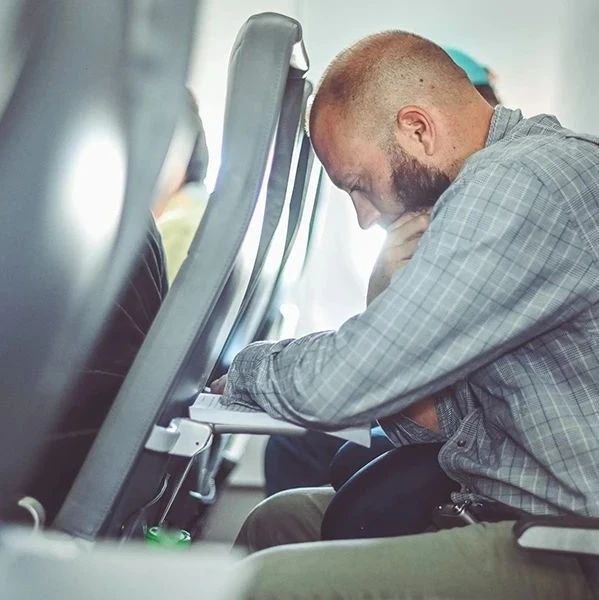
达美航空正逐步摒弃固定票价,利用AI实现个性化定价
财富FORTUNE· 2025-07-23 13:04
Core Viewpoint - Delta Airlines is leveraging artificial intelligence (AI) to enhance profit margins by maximizing each passenger's fare payment potential, aiming to increase AI-driven personalized ticket pricing to 20% by the end of the year, up from 3% nine months ago [1][2]. Group 1: AI Implementation and Pricing Strategy - Delta Airlines plans to completely abandon static pricing models, focusing on personalized pricing for each passenger based on specific flights and times [2][3]. - The AI system is likened to a "super analyst" that continuously works to determine real-time pricing strategies, with initial results indicating a significant increase in unit revenue [4]. - Delta is collaborating with Israeli company Fetcherr to implement this pricing model, which has potential applications beyond aviation, including hotels and car rentals [4]. Group 2: Industry Trends and Competitor Actions - Other airlines are likely to follow Delta's lead in AI applications, with United Airlines using generative AI for flight cancellation notifications and American Airlines predicting missed flights [5]. - Delta is noted for its transparency in discussing AI pricing strategies, which has drawn attention from industry experts and analysts [5]. Group 3: Ethical Concerns and Regulatory Implications - Privacy advocates express concerns over Delta's approach, suggesting it invades consumer privacy by attempting to gauge willingness to pay [5]. - There are legal implications regarding price discrimination, as federal laws prohibit charging different prices based on gender or race, complicating the assessment of whether Delta's pricing practices are discriminatory [9][10]. - The shift towards AI-driven pricing may signal the end of the "fair" pricing era, as prices may reflect what algorithms determine consumers are willing to pay rather than a standardized rate [9]. Group 4: Consumer Impact and Market Dynamics - While AI may lead to increased revenue for Delta, the impact on consumers remains uncertain, with potential short-term benefits such as more discounts when filling seats [10]. - Long-term, airlines may require passengers to log into accounts to access personalized pricing, effectively integrating them into the airline's ecosystem for benefits [10]. - Research indicates that the best prices are often offered to wealthier customers, while poorer customers may face less favorable pricing options, raising concerns about equity in pricing strategies [11].