小马灯

Search documents
指尖上的非遗年味: 我在夫子庙扎花灯
Xin Lang Cai Jing· 2026-02-26 16:38
Core Viewpoint - The article highlights the traditional craft of making flower lanterns, specifically the zodiac horse lanterns, emphasizing the intricate process and the dedication of artisans like Sun Song, who is a representative inheritor of intangible cultural heritage [1][5]. Group 1: Craftsmanship and Process - The making of a zodiac horse lantern involves 32 detailed steps, including design, template creation, wire shaping, welding, and decoration, showcasing the complexity and artistry involved [5]. - Sun Song's approach to crafting lanterns reflects a commitment to quality, as he adjusts his designs based on feedback from his grandchildren, indicating a market-driven focus on aesthetics [5]. Group 2: Market and Cultural Significance - In the Fuzimiao area, there are 47 registered flower lantern makers, with over 30 varieties of horse lanterns available, each with unique characteristics, indicating a vibrant local industry [5]. - The price of a small horse lantern ranges from 40 to 50 yuan, primarily purchased by parents for children, symbolizing good fortune during the New Year celebrations [5].
“年味”派送中!这个非遗展成中外青年新春打卡地
Xin Lang Cai Jing· 2026-02-21 13:11
Core Viewpoint - The article highlights the cultural significance of traditional Chinese New Year customs being showcased at the China Arts and Crafts Museum, attracting both domestic and international youth to engage in hands-on experiences [2] Group 1 - The exhibition features intangible cultural heritage customs from various regions of China, providing a platform for cultural exchange [2] - Young people, including international visitors like a Malaysian youth named Shi Chuanxin, are participating in traditional crafts, such as making their own "small lanterns" [2] - The event aims to create a meaningful and story-rich experience for attendees during the Chinese New Year celebrations [2]

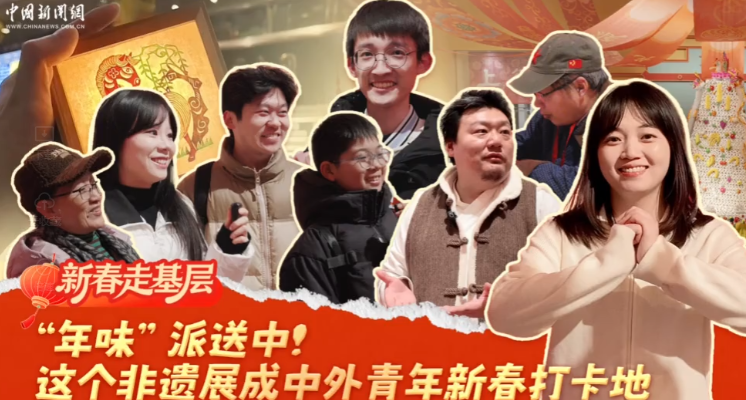
新春走基层|“年味”派送中!这个非遗展成中外青年新春打卡地
Zhong Guo Xin Wen Wang· 2026-02-21 12:28
Group 1 - The article highlights the ongoing exhibition of intangible cultural heritage customs related to the Chinese New Year at the China Arts and Crafts Museum, attracting both domestic and international youth [2] - A Malaysian youth named Shi Chuanxin is featured, showcasing his experience of creating a handmade "small horse lantern," emphasizing the importance of cultural exchange and personal engagement in traditional crafts [2] - The event encourages visitors to participate in hands-on activities, promoting a deeper understanding and appreciation of Chinese New Year traditions [2]
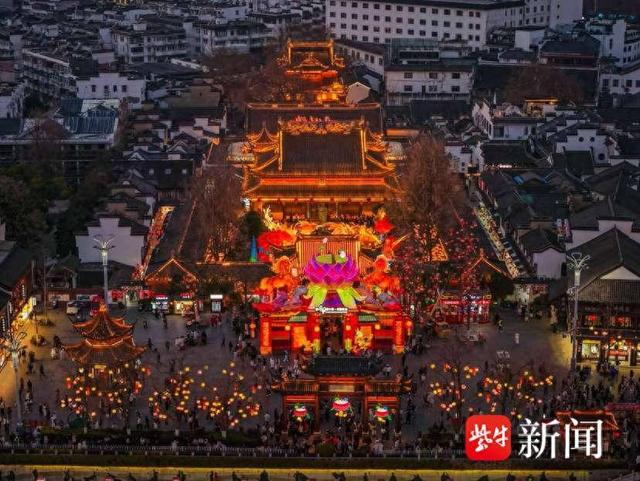
一马当先南京年| 1700年灯会融入时代新风,夫子庙编织最地道年味
Xin Lang Cai Jing· 2026-02-18 08:04
Core Viewpoint - The article highlights the vibrant atmosphere of the Qinhuai Lantern Festival in Nanjing, showcasing the blend of traditional culture and modern consumerism during the Chinese New Year celebrations [1][3][12]. Group 1: Lantern Market and Cultural Significance - The first lantern market at the Confucius Temple has moved west for the first time in over twenty years, featuring over 50 stalls and attracting large crowds from the first day of the Lunar New Year until the 18th [3][7]. - The market reflects a mix of traditional lantern craftsmanship and contemporary aesthetics, inviting citizens and tourists to appreciate and purchase lanterns [7][8]. - The event is part of a broader effort to integrate intangible cultural heritage into daily life, with various traditional crafts being showcased and sold [10][12]. Group 2: Consumer Engagement and Sales - Popular items include the "Horse Year" themed lanterns and a rotating light-up "Wealth Windmill Lantern," which have become bestsellers among children and families [8][12]. - The "Qinhuai Gifts" flagship store has seen high demand for its unique products, indicating a successful fusion of cultural heritage and modern design [7][8]. - The "ticket root economy" initiative allows visitors to receive discounts at local businesses when they present their lantern festival tickets, promoting local commerce [17]. Group 3: Traditional Food and Local Businesses - Traditional food establishments like the Lotus Lake Cake Shop and Qifang Pavilion are experiencing increased foot traffic, with long-standing recipes and modern service methods attracting both locals and tourists [13][15]. - The Lotus Lake Cake Shop produces around 3,000 servings of traditional snacks daily, maintaining its reputation while adapting to contemporary dining practices [15]. - Qifang Pavilion, a century-old restaurant, combines traditional flavors with a modern dining environment, ensuring that visitors experience authentic Qinhuai cuisine [15][17]. Group 4: Heritage and Innovation - The article emphasizes the importance of integrating traditional crafts into the market to attract younger generations and foster innovation [10][12]. - Various artisans are collaborating with well-known brands to modernize their crafts, ensuring the survival and relevance of traditional techniques [10][12]. - The Qinhuai District is actively promoting its intangible cultural heritage through initiatives that encourage community engagement and educational programs for youth [12].
同曲迎春 - 西部网(陕西新闻网)
Xin Lang Cai Jing· 2026-02-17 06:58
Core Perspective - The 2026 Spring Festival public service advertisement "Same Tune Welcoming Spring" emphasizes the cultural resonance between Fujian and Taiwan, showcasing shared traditions and familial connections through the medium of traditional Taiwanese opera, Gezi Xi [3][4]. Cultural Significance - The advertisement highlights the intertwined cultural roots of Fujian and Taiwan, symbolized as a pair of lotus flowers sharing the same essence, reflecting a deep cultural bond and shared memories among the people [3][4]. - The commonality in culinary traditions, such as the preparation of rice cakes, signifies a shared hope for prosperity and family well-being across the strait [8][17]. Artistic Collaboration - A collaborative team from both sides of the strait was formed to create the advertisement, featuring on-site filming in Fujian and Taiwan, capturing authentic scenes of the Spring Festival celebrations [4][6]. - The involvement of Taiwanese director Lin Zhihong, who discovered his ancestral roots during the filming, adds a personal dimension to the project, reinforcing the theme of cultural continuity [16]. Emotional Resonance - The advertisement aims to evoke a sense of emotional connection and cultural synchronization between the two regions, portraying scenes of family gatherings and shared traditions that transcend geographical boundaries [13][17]. - The use of traditional music and visuals in the advertisement serves to reinforce the collective memory and cultural identity of the people from both regions [7][10]. Symbolism and Tradition - The imagery of lanterns and the symbolism of flowers in the advertisement represent auspiciousness and the beauty of shared cultural heritage, emphasizing the importance of these elements in the celebration of the Spring Festival [10][11]. - The portrayal of real families celebrating the New Year in both regions underscores the authenticity of the cultural practices and the continuity of traditions across generations [17].
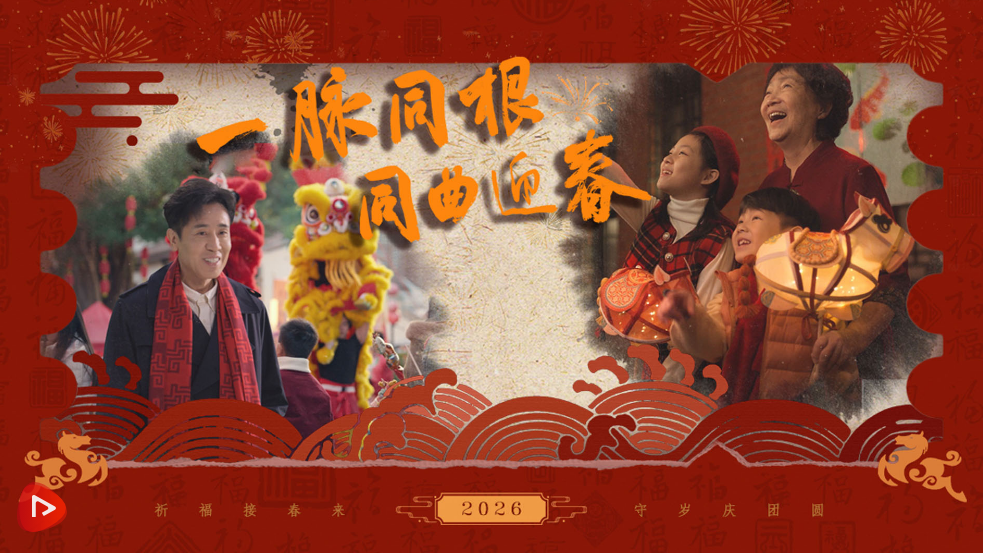
同曲迎春
Yang Shi Wang· 2026-02-17 00:09
Core Viewpoint - The 2026 Spring Festival public service advertisement "Same Tune Welcoming Spring" emphasizes the cultural resonance between Fujian and Taiwan, showcasing shared traditions and familial connections through the medium of traditional Taiwanese opera, Gezi Xi [2][3]. Group 1: Cultural Significance - The advertisement highlights the deep-rooted cultural ties between Fujian and Taiwan, likening their shared traditions to a pair of lotus flowers that bloom together, symbolizing unity and common heritage [2][3]. - The portrayal of traditional practices, such as family gatherings and culinary similarities, reinforces the notion of a shared cultural identity among the people of both regions [2][9]. Group 2: Artistic Collaboration - A collaborative effort between teams from both sides of the Taiwan Strait resulted in the advertisement, with filming taking place in Fujian and Taiwan to authentically capture the festive spirit [3][14]. - The involvement of Taiwanese director Lin Zhihong, who has personal ties to the region, adds a layer of authenticity and emotional depth to the project, as he connects with his ancestral roots during the filming process [18][19]. Group 3: Traditional Elements - The advertisement features traditional elements such as the Gezi Xi performance, which serves as a cultural symbol and a means of connecting individual memories with collective cultural heritage [2][7]. - The use of familiar culinary items, like the steamed rice cakes (发糕), illustrates the shared hopes for prosperity and family well-being across the strait [9][11]. Group 4: Emotional Resonance - The advertisement captures genuine moments of celebration and familial bonds, showcasing real families from both regions as they prepare for the New Year, emphasizing the authenticity of their experiences [19][14]. - The visual narrative of shared rituals, such as family dinners and festive preparations, conveys a sense of emotional unity and cultural continuity between the two regions [14][19].
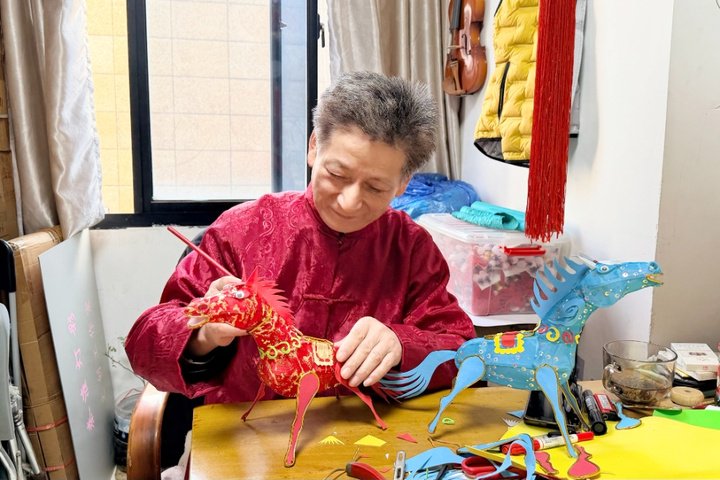
新春走基层|灯彩照见中国年:等待“面试”的小马灯
Xin Lang Cai Jing· 2026-02-11 15:37
Core Viewpoint - The article highlights the dedication of Fu Xisheng, a master craftsman of Qinhuai lanterns, who has spent fifty years perfecting the traditional craft, emphasizing the importance of cultural heritage and the need for innovation to keep the art form alive [1][17]. Group 1: Craftsmanship and Tradition - Fu Xisheng's workshop is filled with beautifully crafted lanterns, showcasing the intricate process of making a "small horse lantern," which involves over a hundred steps, including framework, pasting, and decoration [3][4]. - The craftsmanship reflects Fu's understanding of the festive spirit, with each lantern embodying wishes for prosperity and happiness, making them a vital part of Nanjing's cultural identity [6][9]. - Fu insists on using traditional materials and techniques, such as bamboo for the framework and silk for the covering, to maintain the authenticity and quality of the lanterns [7][9]. Group 2: Cultural Significance and Community Engagement - The "lotus lantern" is a prominent symbol of Qinhuai lanterns, representing good fortune and prosperity, and requires meticulous craftsmanship with at least sixty steps for production [11][12]. - Fu Xisheng is committed to passing on his skills to the next generation, renting a studio to teach apprentices and engaging with schools and communities to promote the craft [13][15]. - The article emphasizes the importance of adapting traditional crafts to modern times, with Fu incorporating LED lights and seeking inspiration from younger generations to attract a broader audience [15][16].
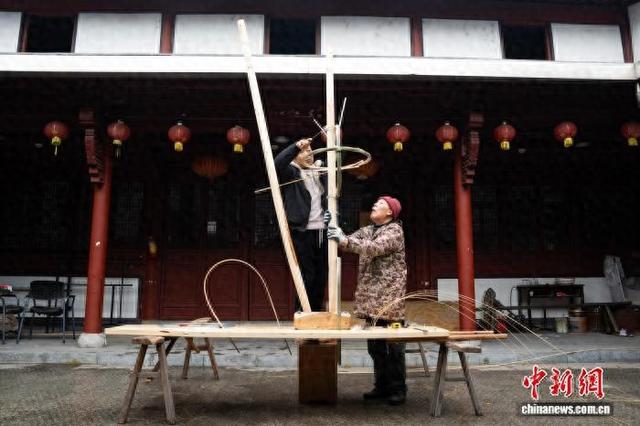
(新春见闻)浙江杭州:河上龙灯胜会紧密筹备中
Xin Lang Cai Jing· 2026-02-06 04:33
Core Viewpoint - The article highlights the preparation activities by artisans in Xiaoshan District, Hangzhou, for the upcoming He Shang Dragon Lantern Festival, which has cultural significance and historical roots dating back to the Southern Song Dynasty [2][4][7]. Group 1: Cultural Significance - The He Shang Dragon Lantern Festival is a traditional event that has been passed down in the He Shang Town area of Xiaoshan District, with origins traceable to the Southern Song Dynasty during the Shaoxing period [2][4][7]. - The festival is associated with a local folklore story about the punishment of the Jinghe Old Dragon for causing rain, which adds to its cultural richness [2][4][7]. Group 2: Artisan Activities - Artisans are engaged in preparing materials for the festival, including constructing the "dragon head" framework for the "bench dragon" performance [2][5][7]. - The preparation includes creating various decorative lanterns, such as the "horse" lanterns, which are integral to the festival's visual display [8][10]. - Local intangible cultural heritage representative Fu Hongbo is actively involved in educating children about the craftsmanship and the significance of the dragon head being completed [5][12].
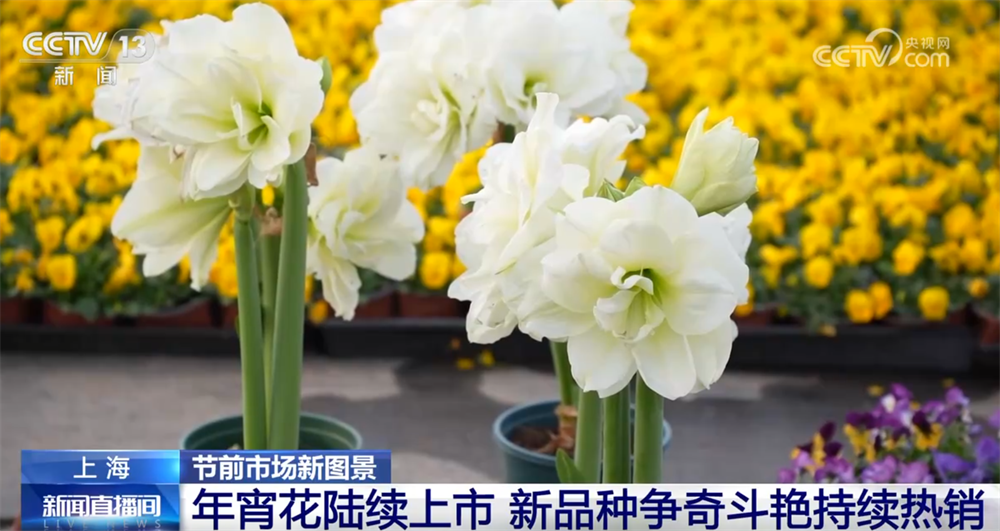
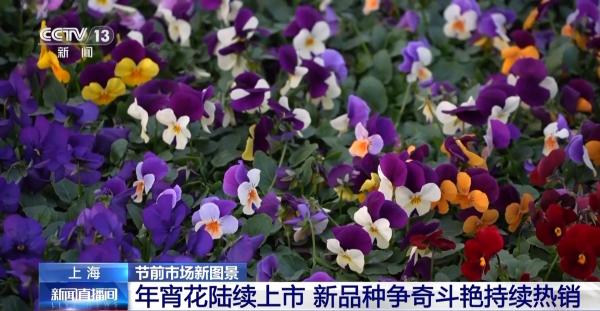
节前年宵花陆续上市 龙灯迎来产销旺季
Yang Shi Xin Wen· 2026-01-12 08:39
Group 1: Flower Market in Shanghai - The flower market in Shanghai is experiencing a peak in sales as the Spring Festival approaches, with many consumers purchasing potted flowers to enhance their home decor [1] - This year, the market features a variety of new imported flower species that are well-received by consumers, particularly in the Qingpu District where over 200 flower shops are located [1] - Popular flower varieties include pansies, violets, and primroses, with the butterfly orchid being a top seller, leading to a 20% year-on-year increase in total sales [3] Group 2: Consumer Preferences - Younger consumers are increasingly purchasing New Year flowers, with some shops reporting sales of 100 to 200 pots per day [5] - Consumers are drawn to unique colors and varieties, with preferences for fresh and niche options [7] Group 3: Dragon Lantern Production in Nanchang - In Nanchang, the dragon lantern production base is busy as the Spring Festival nears, with an average daily production of over 30 dragon lanterns for domestic and international orders [8] - The demand for dragon lanterns has increased by 10% compared to previous years, reflecting a growing interest in traditional crafts [10] - Innovations in design and color have been introduced to make the dragon lanterns more appealing, incorporating elements like the Year of the Horse and creating lighter, more playful versions [11][13]
年宵花“上新”争奇斗艳持续热销 传统技艺趣味焕新“点亮”节前市场新图景
Yang Shi Wang· 2026-01-12 03:54
Group 1: Flower Market Trends - The flower market in Shanghai is experiencing a peak in sales as the Spring Festival approaches, with many consumers purchasing potted flowers to enhance their home decor [1] - Over 680 acres of flower market space in Qingpu District hosts more than 200 flower shops, with long-lasting and easy-to-care-for potted flowers leading the sales this year [1] - The introduction of many new imported flower varieties has been well-received by consumers [1] Group 2: Orchid Sales Performance - Phalaenopsis orchids remain a top seller in the market, with a 20% year-on-year increase in total sales driven by the introduction of new varieties [4] - A specialized orchid shop showcases a variety of colors including red, yellow, purple, and green, attracting consumer interest [4] Group 3: Consumer Preferences - Younger consumers are increasingly purchasing New Year flowers, with some shops selling 100 to 200 pots per day [6] - Consumers express a preference for unique and fresh colors and varieties, enhancing the ambiance of their homes [9] Group 4: Dragon Lantern Production - In Nanchang, Jiangxi, the dragon lantern production base is experiencing a busy season as the Spring Festival approaches, with an average of over 30 dragon lanterns produced daily for domestic and international orders [10] - The dragon lantern, a representative project of Jiangxi's intangible cultural heritage, is undergoing innovation in color and design to appeal to modern consumers [12] Group 5: Market Demand for Dragon Lanterns - The demand for dragon lanterns has increased by 10% compared to previous years, indicating a growing interest in traditional crafts [13] - The adaptation of dragon lantern designs to meet market demands aims to make traditional culture more accessible and appealing to a wider audience [16]