中国制造2025计划

Search documents
关税大战,本质上是美国继美元收割战后对中国经济的第二次围剿
Sou Hu Cai Jing· 2026-02-11 11:47
Group 1 - The U.S. has maintained its dominant position in the global economy for many years, leveraging various means to uphold this status, with the dollar as the international reserve currency providing significant advantages [2] - The Federal Reserve's interest rate hikes have led to a "dollar harvesting" effect, attracting global capital back to the U.S., which began to manifest in 2015 when the dollar index rose from 90 to a peak of 103 [2] - Emerging markets have faced severe capital outflows, with China's foreign exchange reserves dropping from nearly $4 trillion to around $3 trillion [2] Group 2 - In response to capital outflows, the Chinese government has strengthened capital controls and foreign exchange approvals, while companies have reduced dollar-denominated debt in favor of financing in renminbi [4] - The dollar harvesting strategy essentially allowed the U.S. to indirectly weaken its economic rivals, with China managing to endure this phase without collapsing [4] Group 3 - The trade war initiated by the Trump administration in 2018, under the guise of intellectual property concerns, involved imposing tariffs on Chinese goods, starting with $34 billion worth at a 25% rate, to which China retaliated with equivalent tariffs on U.S. soybeans and automobiles [6] - The U.S. escalated tariffs on $200 billion worth of goods from 10% to 25%, while China responded with tariffs ranging from 5% to 25% on $60 billion worth of U.S. products, targeting China's high-tech industries [6] Group 4 - During Trump's second term starting in 2025, tariffs on all Chinese imports were increased significantly, reaching as high as 145%, while China retaliated with equivalent tariffs on U.S. coal, LNG, and agricultural products [8] - The trade war has led to significant shifts in supply chains, with U.S. importers turning to countries like Vietnam and Mexico due to port congestion in the U.S. [8] Group 5 - Chinese manufacturers have adjusted their production lines, redirecting exports to Southeast Asia and the EU, while the EU has initiated anti-subsidy investigations against China [10] - Despite the trade war, China's trade surplus reached a record high, projected to hit $1.2 trillion by 2025, while U.S. consumer prices surged, with appliance prices doubling [10] Group 6 - The trade war represents a direct confrontation, contrasting with the previous dollar harvesting strategy, and reflects the U.S.'s attempt to reshape global trade dynamics while risking self-damage [12] - The outcome of this confrontation hinges on which country can endure longer, with the U.S. employing a high-stakes strategy to dominate global resources [12] Group 7 - The trade war is viewed as the second round of economic encirclement against China, following the unsuccessful dollar harvesting attempt, with the U.S. facing increasing trade deficits with China [15] - The slow recovery of U.S. manufacturing and the lowest job growth post-pandemic highlight the challenges faced by the U.S. economy amid high inflation and interest rates [17] Group 8 - China has demonstrated strong resilience, with historical precedents suggesting it can withstand economic pressures, emphasizing the importance of endurance in the ongoing U.S.-China rivalry [18] - The trade war serves as a reminder that building a strong trade nation is fraught with challenges, prompting China to accelerate its self-sufficiency in high-tech sectors [20] Group 9 - The ultimate goal of the U.S. appears to be the destabilization of China's economic landscape, with a focus on depleting foreign reserves, while China has shown resilience against both dollar harvesting and the trade war [22]

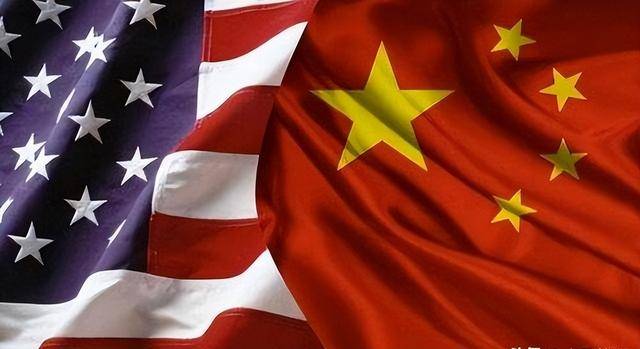
美国霸权失势!150国对中国鼎力相助,13年战略布局终获全胜
Sou Hu Cai Jing· 2026-01-06 09:58
Core Insights - In 2025, China achieved a historic victory in the trade war against the U.S., recording a foreign trade surplus of $1.08 trillion, showcasing the decline of U.S. hegemony [1][5] - The Belt and Road Initiative, launched in 2013, has been pivotal in breaking the U.S. blockade, with nearly 50% of China's exports now directed to Belt and Road countries, which number over 150 [3][5] - The U.S. miscalculated the impact of tariffs, raising them to 145%, which led to increased prices and shortages in the U.S. market, while China's reliance on U.S. exports dropped from over 20% in 2008 to 11% [3][5] Trade Dynamics - The trade surplus of over $1 trillion demonstrates China's resilience and ability to adapt to external pressures, while the U.S. agricultural sector faced significant challenges, including declining tractor sales [5] - The tariffs imposed by the U.S. did not result in the intended manufacturing return to America; instead, unemployment rose, and the supposed tariff revenues were negligible compared to the U.S. fiscal deficit [5] Strategic Developments - China's strategic initiatives, such as the "Made in China 2025" plan, have led to significant advancements in high-end manufacturing and technology, allowing China to surpass the U.S. in areas like advanced aircraft technology [3][5] - The support from over 150 countries not only reflects a collective resistance to U.S. hegemony but also validates China's development model, emphasizing cooperation and mutual benefit as the path forward [5]