
中国抗战

Search documents
“中国永远是她精神上的故乡” ——访德国友人王安娜之子王黎明
Ren Min Ri Bao· 2025-11-29 23:13
Core Viewpoint - The article highlights the extraordinary contributions of Anna Li Ze Schwartz, a German woman known as Wang Anna, during China's War of Resistance against Japan, emphasizing her role in supporting the Chinese Communist Party and aiding the war effort through various humanitarian and logistical efforts [1][2]. Group 1: Contributions to the War Effort - Wang Anna utilized her foreign identity and language skills to assist the Eighth Route Army in coordinating the transport of essential supplies to the front lines, significantly supporting China's resistance against Japan [2]. - In 1938, she was tasked by Zhou Enlai to help transport critical medical supplies that were stranded in Hong Kong due to Japanese blockades, successfully facilitating their transfer through Vietnam to Guangxi [2]. - Wang Anna became the only foreign woman to be awarded the rank of major by the Eighth Route Army for her repeated efforts in escorting supplies and supporting the war [2]. Group 2: Personal Background and Beliefs - Born in 1907 in a farming family in Germany, Wang Anna became aware of the evils of the Nazi regime while studying in Berlin, leading her to oppose fascism and eventually travel to China with her partner Wang Bingnan [1]. - Initially unfamiliar with the Chinese Communist Party, her understanding deepened through interactions with key leaders like Mao Zedong and Zhou Enlai, leading her to believe that China's future depended on the Party's leadership [2]. - Wang Anna maintained a lifelong commitment to promoting Sino-German friendship and returned to China multiple times, viewing it as her spiritual homeland [3].
“中国永远是她精神上的故乡”
Ren Min Ri Bao· 2025-11-29 22:11
Core Viewpoint - The article highlights the extraordinary contributions of Anna Li Ze Schwartz, a German woman known as Wang Anna, during China's War of Resistance against Japan, emphasizing her role in supporting the Chinese Communist Party and aiding the war effort through various humanitarian and logistical efforts [1][2]. Group 1: Contributions to the War Effort - Wang Anna utilized her foreign identity and language skills to coordinate the transport of essential supplies for the Eighth Route Army, significantly aiding China's resistance against Japanese aggression [2]. - In 1938, she was tasked by Zhou Enlai to assist Song Qingling in transporting critical medical supplies that were stranded in Hong Kong due to Japanese blockades, successfully facilitating their transfer through Vietnam to Guangxi [2]. - Wang Anna became the only foreign woman to be awarded the rank of major in the Eighth Route Army for her repeated efforts in transporting supplies and supporting the war [2]. Group 2: Personal Background and Beliefs - Born in 1907 in Germany, Wang Anna became aware of the Nazi regime's evils and joined the anti-fascist struggle, eventually moving to China in 1936 with her partner Wang Bingnan [1]. - Initially unfamiliar with the Chinese Communist Party, her interactions with leaders like Mao Zedong and Zhou Enlai led her to believe that China's future depended on the Party's leadership, a conviction that motivated her throughout her work [2]. - Wang Anna maintained a lifelong commitment to fostering Sino-German friendship and was honored as the honorary chair of the Germany-China Friendship Association, reflecting her enduring connection to China [3].
视频丨台湾光复是抗战胜利的重要成果 台湾学者:值得纪念与铭记
Yang Shi Xin Wen Ke Hu Duan· 2025-11-04 02:35
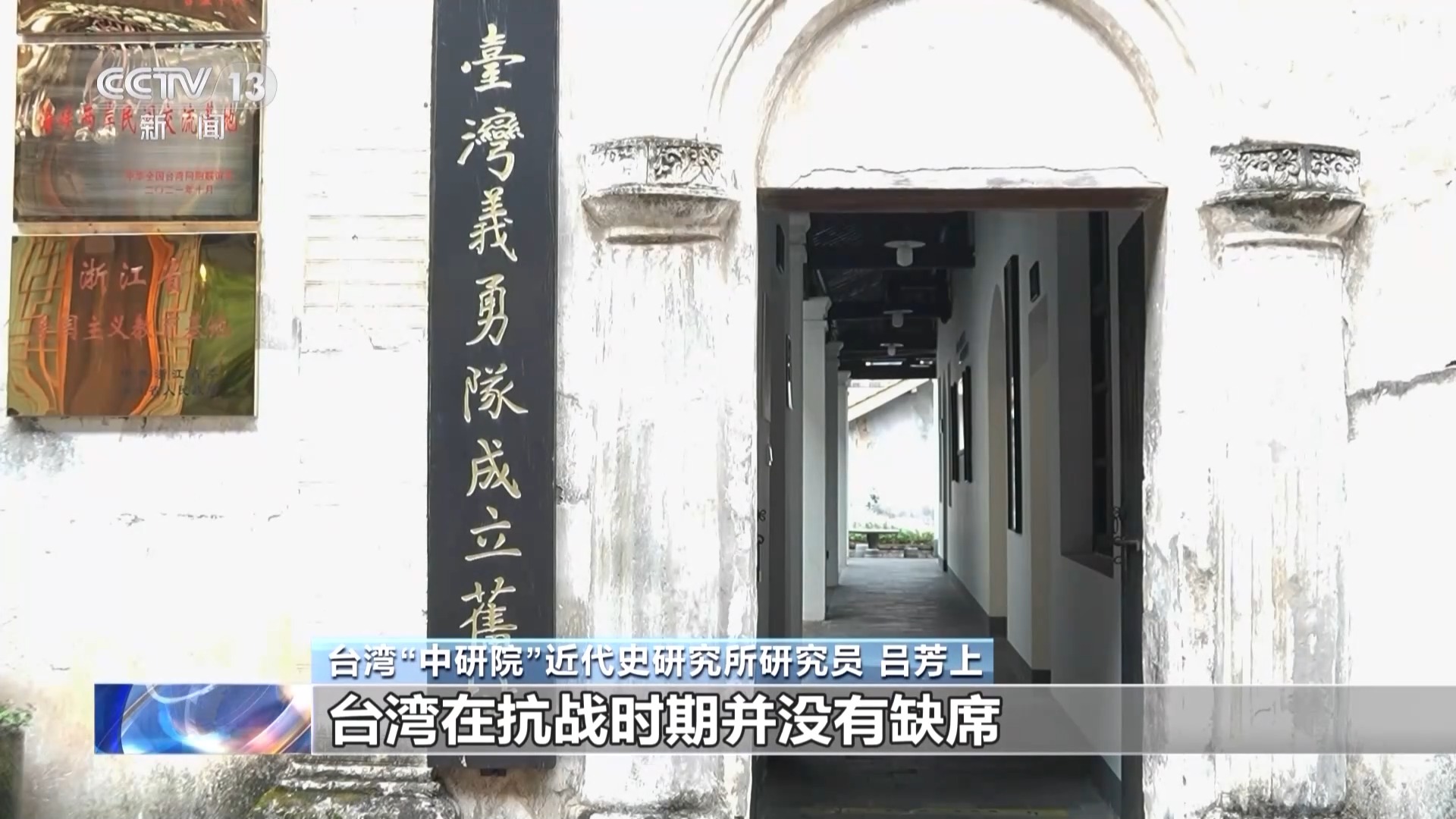
Core Viewpoint - The "Global Perspective on China's Anti-Japanese War" international academic seminar emphasizes the importance of historical memory and collaboration between the two sides of the Taiwan Strait regarding the shared history of the Anti-Japanese War and Taiwan's recovery [1][3]. Group 1: Historical Context - Taiwanese historian Lü Fangshang highlighted the devastating impact of war on modern Chinese society, using keywords such as "suffering," "displacement," and "rebirth" [3]. - Lü also pointed out that Taiwanese volunteers participated in the Anti-Japanese War, arguing that it is incorrect to claim that Taiwan was absent from this historical context [5]. - The seminar featured nearly 20 Taiwanese scholars focusing on the anti-Japanese movement and the history of Taiwan's recovery, asserting that Taiwan's recovery is a significant outcome of the victory in the Anti-Japanese War and a shared national memory [5][9]. Group 2: Importance of Historical Memory - Professor Liu Weikai from National Chengchi University expressed concern that younger generations may not be aware of the past, emphasizing the need to evoke historical memory through research [7]. - Scholar Qi Jialin stated that the recovery of Taiwan is a historical fact resulting from the victory in the Anti-Japanese War, underscoring the importance of understanding this history for both Taiwan and the world [9].

专家热议“全球视野下的中国抗战”:台湾光复是抗战胜利成果之一
Zhong Guo Xin Wen Wang· 2025-11-04 02:15
Core Viewpoint - The international academic seminar "China's Anti-Japanese War in a Global Perspective," hosted by Peking University, emphasizes the significance of the victory in the Anti-Japanese War and the recovery of Taiwan as achievements for national survival and ethnic rejuvenation [2] Group 1: Seminar Overview - The seminar features nearly a hundred experts and scholars from both sides of the Taiwan Strait, as well as from the United States, the United Kingdom, Japan, and other countries [2] - The event includes 20 subgroup meetings and one roundtable forum, running from November 2 to November 3 [2] Group 2: Academic Perspectives - Scholars advocate for a broader research perspective and deeper academic dialogue to reinterpret the global significance and contemporary value of the Chinese people's Anti-Japanese War [2] - There is a call for promoting cross-border, multidisciplinary, and multi-perspective exchanges in the field of Anti-Japanese War history to create a more comprehensive and accurate narrative [2] - The seminar aims to provide important and necessary supplements to the existing narratives in the Western academic community [2]
“全球视野下的中国抗战”国际学术研讨会在京举办
Ren Min Ri Bao Hai Wai Ban· 2025-11-04 01:08
Core Viewpoint - The international academic seminar "China's Anti-Japanese War from a Global Perspective," hosted by Peking University, aims to reassess the historical significance and contemporary value of China's resistance against Japanese aggression within a broader global context [1][2]. Group 1: Seminar Objectives and Structure - The seminar features 20 breakout sessions and one roundtable forum, focusing on the historical context of China's Anti-Japanese War and Taiwan's recovery [1]. - The event seeks to foster deeper academic dialogue and understanding of the shared history between the two sides of the Taiwan Strait, emphasizing the importance of historical lessons for future unity efforts [1]. Group 2: Key Contributions and Perspectives - Scholars from Taiwan and other countries highlighted the significance of China's Anti-Japanese War, noting it was the earliest and longest resistance in the global anti-fascist struggle, which has been historically overlooked [2]. - The discussion included the impact of the war on Taiwan's recovery, attributing it to the collective efforts of the Chinese people and international support during the war [2]. - Prominent academics presented on various topics related to the global context of the Pacific War and the historical implications of events like the December 9th Movement [2].
“全球视野下的中国抗战”国际学术研讨会在京开幕
Xin Hua She· 2025-11-02 10:42
Core Viewpoint - The international academic seminar "China's Anti-Japanese War from a Global Perspective" aims to reassess the historical significance and contemporary value of China's resistance against Japanese aggression, emphasizing the importance of historical reflection for future unity efforts [1][2]. Group 1: Seminar Overview - The seminar, hosted by Peking University, features nearly a hundred experts and scholars from various regions, including Taiwan, Hong Kong, Macau, the United States, the United Kingdom, and Japan [1]. - It includes 20 group meetings and one roundtable forum, focusing on the global perspective of China's anti-Japanese war and Taiwan's recovery [1][2]. Group 2: Historical Significance - The Chinese anti-Japanese war is recognized as the earliest and longest-running resistance in the global anti-fascist war, significantly altering the social landscape of China [2]. - The historical narrative of the anti-Japanese war has often been overlooked in international academia, highlighting the need for enhanced historical material sharing and collaboration between the two sides of the Taiwan Strait [2]. Group 3: Contributions and Future Directions - Peking University aims to support research in this field, enhance historical material organization and digitization, and promote international academic exchanges to contribute to building a community with a shared future for humanity [1]. - Experts will discuss various topics, including the global context of the Pacific War's outbreak in December 1941 and the significance of wartime international cooperation [2].
塞舌尔侨界纪念中国人民抗日战争暨世界反法西斯战争胜利80周年研讨会举行
人民网-国际频道 原创稿· 2025-10-11 01:41
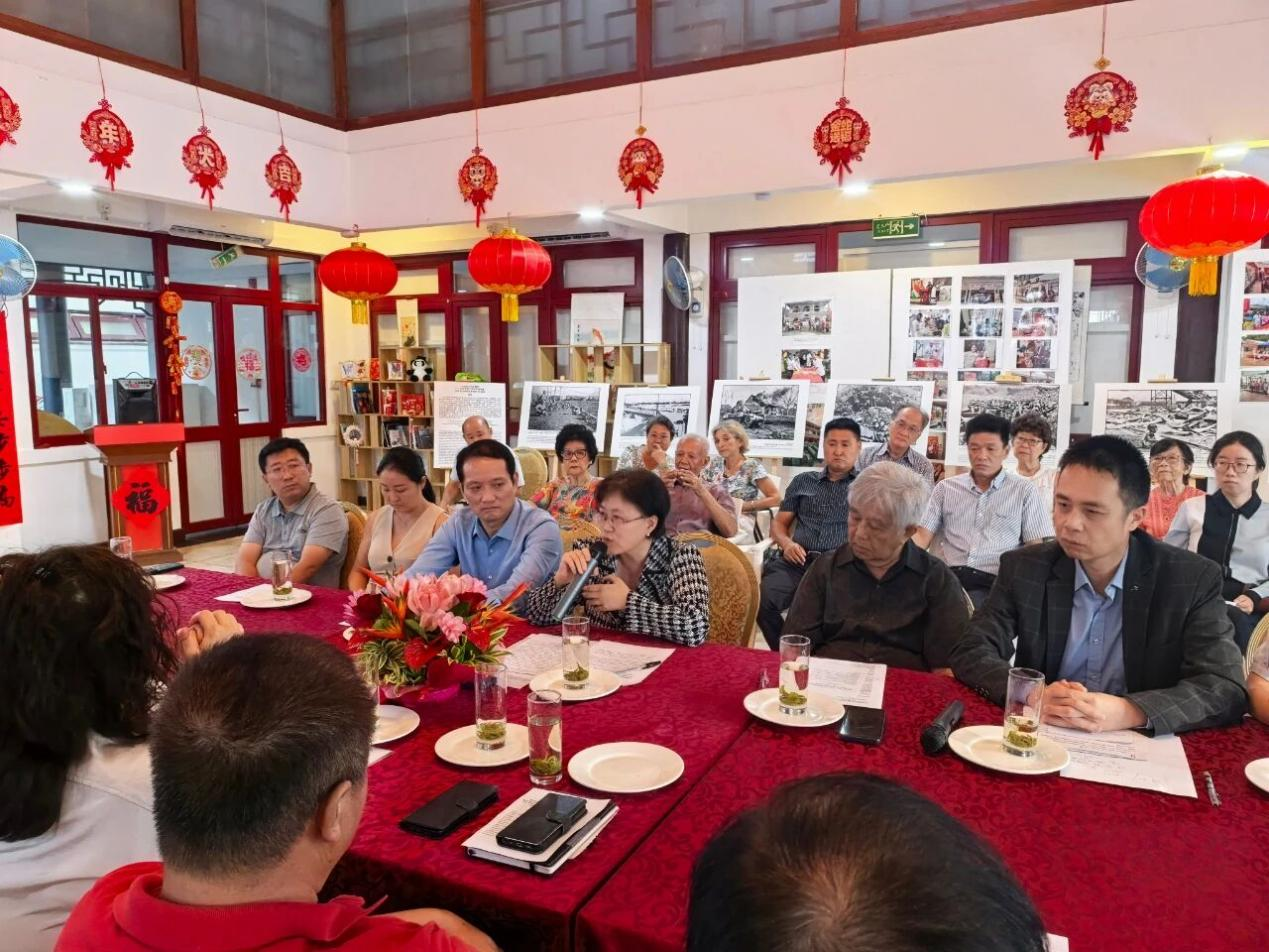
Core Points - The event commemorating the 80th anniversary of the victory in the Chinese People's Anti-Japanese War and the World Anti-Fascist War was held in Victoria, Seychelles, attended by around 30 representatives from various Chinese community organizations and Chinese institutions [1] - Chinese Ambassador to Seychelles, Lin Nan, highlighted China's significant contributions to the victory in the World Anti-Fascist War and emphasized that Taiwan's return to China is an essential part of the outcomes of World War II and the post-war international order [2] - Attendees expressed high regard for the global impact of China's anti-Japanese war efforts and committed to drawing strength from this great victory to further promote Sino-Seychellois friendship and national reunification [5]
海外人士谈抗战丨专访:中国抗战是“整个二战中最重大的事件之一”——访美国军事史学家理查德·弗兰克
Xin Hua Wang· 2025-09-06 10:54
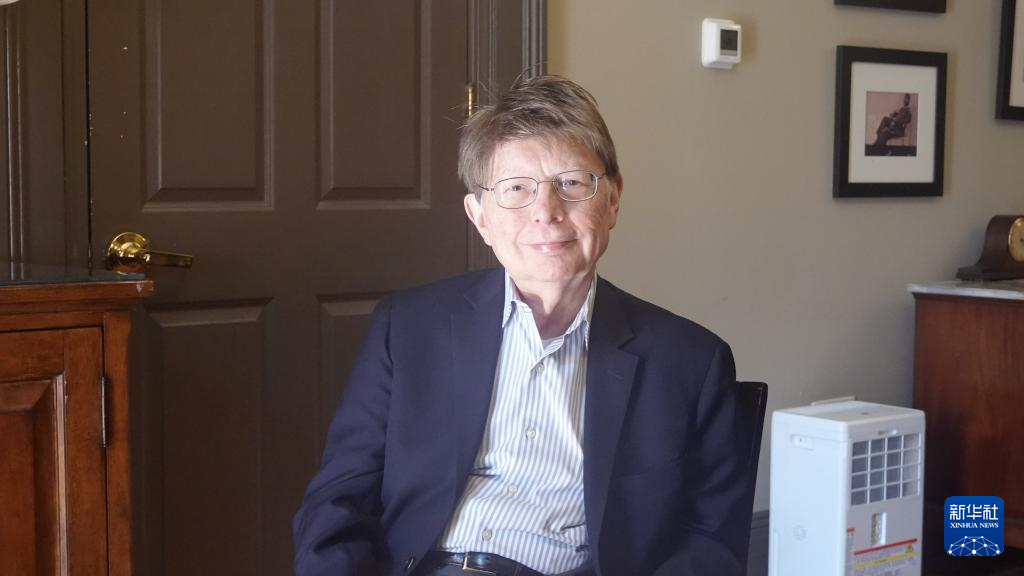
Core Viewpoint - Richard Frank, a prominent military historian, emphasizes that the Chinese People's War of Resistance against Japan is one of the most significant events of World War II, positioning the Chinese front as central to the Asia-Pacific theater during the war [1][2]. Group 1 - Frank is currently writing a trilogy on the history of the Asia-Pacific theater in World War II, with the first volume titled "Skull Tower," which aims to correct the narrow Western narrative surrounding the war and highlight China's contributions [2][3]. - He highlights a historical event in 1938 where China managed to transport a large number of personnel and materials from Yichang to Sichuan in just 40 days, preserving the nation's industrial lifeline and talent pool, which profoundly impacted his understanding of China's wartime history [2][3]. - Frank criticizes the traditional Western narrative that labels the Asia-Pacific conflict as the "Pacific War," arguing that it only covers about 25% of the affected population and 15% of the casualties, leading to a misleading impression of the war's impact [2][3]. Group 2 - Frank asserts that the historical narrative used by the U.S. and other Western countries has serious flaws that could erase significant historical facts, advocating for a more comprehensive and accurate representation of the Asia-Pacific theater [3]. - He believes that understanding the global impact of World War II from a historical perspective can provide a foundational framework for interpreting the contemporary world [3].
【省文物局】《改变世界的战争——世界反法西斯战争视阈的中国抗战》专题展览开展
Shan Xi Ri Bao· 2025-09-04 01:54
Core Viewpoint - The exhibition titled "The War that Changed the World - China's Anti-Japanese War from the Perspective of the World Anti-Fascist War" is open to the public from August 30 to December 31, showcasing China's significant contributions to the victory in the World Anti-Fascist War [1] Summary by Sections Exhibition Overview - The exhibition is guided by the National Cultural Heritage Administration, Shaanxi Provincial Cultural Heritage Administration, and the Yan'an Revolutionary Memorial Site Management Bureau [1] - It is hosted by the Yan'an Revolutionary Memorial Museum and the Chinese Communist Party History Exhibition Hall [1] - The exhibition was included in the promotional list for the 80th anniversary of the victory in the Chinese People's Anti-Japanese War and the World Anti-Fascist War [1] Exhibition Structure - The exhibition is divided into four sections: 1. "The First Shot of the World Anti-Fascist War" 2. "Opening the Eastern Front of the World Anti-Fascist War" 3. "Let the World Hear the Voice of Yan'an" 4. "Great Victory: A Historical Turning Point" [1] - It features over 600 historical images and more than 100 representative cultural relics, along with historical footage and scene displays [1] Historical Significance - The exhibition aims to present a correct view of World War II history through artifacts, documents, and historical images [1] - It highlights the significant contributions of the Chinese People's Anti-Japanese War to the victory of the World Anti-Fascist War and the international support received [1] - The role of the Chinese Communist Party as a decisive force in this great war is emphasized [1]
(抗战胜利80周年)法国医生贝熙叶之子:父亲愤怒于日本暴行 视帮助中国人民为理所当然
Zhong Guo Xin Wen Wang· 2025-09-02 23:25
Core Viewpoint - The son of French doctor Béthune, Bé Shitao, highlighted his father's anger towards Japanese atrocities during the Second Sino-Japanese War and his commitment to helping the Chinese people resist Japanese invasion as a moral obligation [1][2]. Group 1: Historical Context - Béthune witnessed Japanese atrocities as early as 1931 during the invasion of Northeast China and was shocked by the outbreak of full-scale war [1]. - Following the Marco Polo Bridge Incident, Béthune rushed to the front lines to treat the wounded [1]. Group 2: Humanitarian Efforts - Béthune converted his private residence, "Bé Family Garden," in the Western Hills of Beijing into a temporary rescue center, organizing the treatment and transport of severely injured soldiers [1]. - Initially, Béthune used a diplomatic vehicle to cross Japanese blockades, but as gasoline became scarce, he switched to using a bicycle to transport a significant amount of medical supplies and other essential items to anti-Japanese bases [1]. Group 3: Legacy and Relations - Bé Shitao emphasized that his father's actions during the war strengthened the special relationship between France and China [2].