
中国消费

Search documents
国际论道丨中国消费迎来“开门红”
Ren Min Ri Bao Hai Wai Ban· 2026-01-12 04:24
Core Insights - The Chinese consumer market is experiencing a significant transformation, moving from quantity to quality, driven by various factors including government policies and changing consumer preferences [1][4][6] Group 1: Consumer Activity - During the New Year holiday, 142 million domestic trips were made in China, with total spending reaching 84.789 billion yuan [1] - Hainan's duty-free sales on January 1 reached 251 million yuan, a year-on-year increase of 93.8% [2] - The rise of "China Shopping" reflects a shift in foreign tourists' purchasing habits towards high-tech products and cultural items [2][3] Group 2: Policy Support - The Chinese government is implementing a series of policies aimed at boosting consumption, including a more proactive fiscal policy and specific actions to stimulate consumer spending [4][5] - The "14th Five-Year Plan" emphasizes the importance of consumption in achieving balanced economic growth [5] Group 3: Economic Resilience - China's consumer market growth indicates a recovery in demand and an ongoing optimization of the economic structure, enhancing internal momentum and resilience [6] - Retail sales of consumer goods increased by 4% year-on-year in the first eleven months of 2025, showcasing the effectiveness of consumption-boosting measures [6] Group 4: Global Opportunities - Global companies and investors are encouraged to adapt to the evolving Chinese market, particularly in retail and service sectors, where local preferences are becoming increasingly important [7] - There is a notable opportunity in smaller Chinese cities, where daily consumer spending shows remarkable resilience, presenting long-term investment potential [7]
中国消费迎来“开门红”
Ren Min Ri Bao Hai Wai Ban· 2026-01-12 01:07
Core Insights - The Chinese consumer market is experiencing a significant transformation, moving from quantity to quality, driven by various factors including government policies and changing consumer preferences [1][4][6] Group 1: Consumer Activity - During the New Year holiday, 142 million domestic trips were made in China, with total spending reaching 84.789 billion yuan, indicating strong consumer activity [1] - Hainan's duty-free sales on January 1 reached 251 million yuan, a year-on-year increase of 93.8%, showcasing the appeal of winter tourism and shopping [2] - The rise of "China Shopping" reflects a shift in purchasing trends, with consumers increasingly buying high-tech products and cultural items rather than traditional goods [2][3] Group 2: Policy Support - The Chinese government is implementing a series of policies aimed at stimulating consumption, including a more proactive fiscal policy and specific actions to boost consumer spending [4][5] - The "14th Five-Year Plan" emphasizes promoting consumption as a key driver for balanced economic growth, highlighting the importance of consumer spending in the overall economy [5][6] Group 3: Economic Resilience - China's consumer market is not only recovering but also showing signs of structural optimization and enhanced internal momentum, contributing to economic resilience [6] - Retail sales of consumer goods increased by 4% year-on-year in the first eleven months of 2025, indicating a steady expansion of market demand [6] Group 4: Global Opportunities - Global companies and investors are encouraged to adapt to the evolving Chinese market, particularly in retail and service sectors, to capitalize on the growing consumer base [7] - There is a notable shift in consumer preferences towards local products and experiences, presenting new opportunities for foreign brands to tailor their strategies to meet local demands [7]
中国消费“迷思”破解,不是没钱花,是漏记了这些“隐形福利”
Sou Hu Cai Jing· 2025-12-05 13:43
Group 1 - The core viewpoint of the report by Bank of America Securities is that China's consumer market is often underestimated, challenging the perception that it relies solely on low-quality, low-price exports [1][2] - The report highlights that the average daily protein supply per capita in China is 125.56 grams, surpassing that of the United States at 122.1 grams, indicating a strong dietary foundation [4][6] - China's agricultural supply chain is robust, allowing for year-round availability of fresh vegetables, which is a significant factor in the country's consumption patterns [8][9] Group 2 - The report argues that if government-provided services like healthcare and education are included, China's consumption as a percentage of GDP could rise to 47%, closely aligning with South Korea's 49% [12][13] - The low-cost healthcare services in China, such as diabetes medication dropping from 1.5 yuan to 0.1 yuan per pill, are not reflected in conventional consumption statistics, indicating hidden consumer spending [14][15] - The education system's reforms have significantly reduced out-of-pocket expenses for families, further enhancing purchasing power without directly increasing income [16][17] Group 3 - The report emphasizes that while China's per capita income is lower than that of the U.S., the overall living standards should also consider social security and government support, which are substantial in China [18][19] - Price comparisons reveal that food costs in China are significantly lower than in the U.S., with vegetable prices in Beijing being 2-3 yuan per jin compared to 2-3 dollars in New York [20][21] - The trend of consumption upgrading is evident, with a 45% increase in gym memberships since 2019 and a growing market for cultural and experiential products among younger consumers [22][23] Group 4 - The report concludes that the combination of government support, market vitality, and cultural traditions has created a unique model of high-value and upgraded consumer experiences in China [25][26]

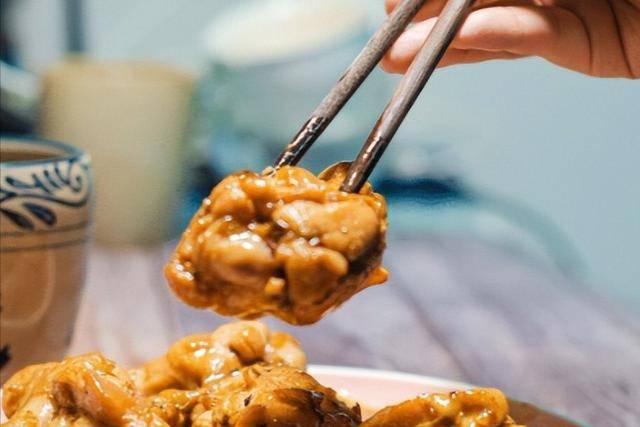
记者亲历|假日消费亲测
Jing Ji Wang· 2025-10-16 08:13
Group 1 - The core viewpoint of the article highlights the significant impact of an extended 8-day holiday on consumer behavior across China, with 888 million people venturing out, reshaping the landscape of consumption in the country [1] Group 2 - The article emphasizes the vibrant and dynamic nature of consumer activity during the holiday period, showcasing various micro-stories that illustrate the energy and warmth of Chinese consumption [1] - It suggests that the experiences shared during this consumption boom may indicate future trends in consumer preferences and behaviors in China [1]